Documentary collection in wine export: D/P, D/A and negotiable bill of lading
Wines Export Editorial · Last updated:

Documentary collection is a payment method in which your bank sends the shipping documents to the buyer's bank, which releases them only after payment at sight (documents against payment, D/P) or after acceptance of a bill of exchange with an agreed maturity date (documents against acceptance, D/A). For wine, this means that the buyer obtains the bill of lading, the document that allows them to collect the goods, only once they have paid or have committed in writing. Compared with advance payment, it is more favourable to the buyer; compared with a letter of credit, it generally costs less, but it does not involve a commitment by the bank to pay. The instrument requires a negotiable bill of lading, so it does not work with road delivery by truck within the European Union. For a comparison with the other bank instrument, see letter of credit and advance payment in wine export payments.
What documentary collection is and when it makes sense
In a documentary collection, the exporter entrusts the collection of payment to its own bank, known as the remitting bank. The remitting bank sends the documents needed to transfer title to the goods to the buyer's bank, known as the collecting bank, with precise instructions on how to release them. The funds return to the exporter through the banks in the chain, and always in exchange for those documents. The website of the U.S. Department of Commerce describes this mechanism as one of the five main forms of payment in international trade.
The instrument makes sense when the buyer is known but not solid enough to receive the goods with a simple bank transfer after delivery, and when advance payment would be a commercial obstacle. With a new customer and no reliable credit information, a collection is risky: the bank does not verify the goods or the solvency of the party paying. Before choosing, ask the buyer for bank references and a payment history, and assess them as you would for any extended credit term.
D/P and D/A: two variants with different risks
In D/P, the buyer pays at sight the amount indicated in the bill of exchange and only then receives the documents. Title to the goods does not pass without payment, so the exporter retains tighter control until the last moment. In D/A, the buyer signs the acceptance of a bill of exchange with a future maturity date and obtains the documents immediately. In this case the exporter in effect grants credit: the goods have already been collected when the money has not yet arrived, and recovery depends on the quality of that signature and the solvency of the signatory.
For wine, the difference matters. A consignment of bottles often has a high value, and a maturity of several months means the winery is financing the customer for that entire period. Anyone choosing D/A should first check whether the destination market would allow them to recover the goods, or sell them elsewhere, in case of non-payment at maturity.
Why a negotiable bill of lading is needed (and not for trucks)
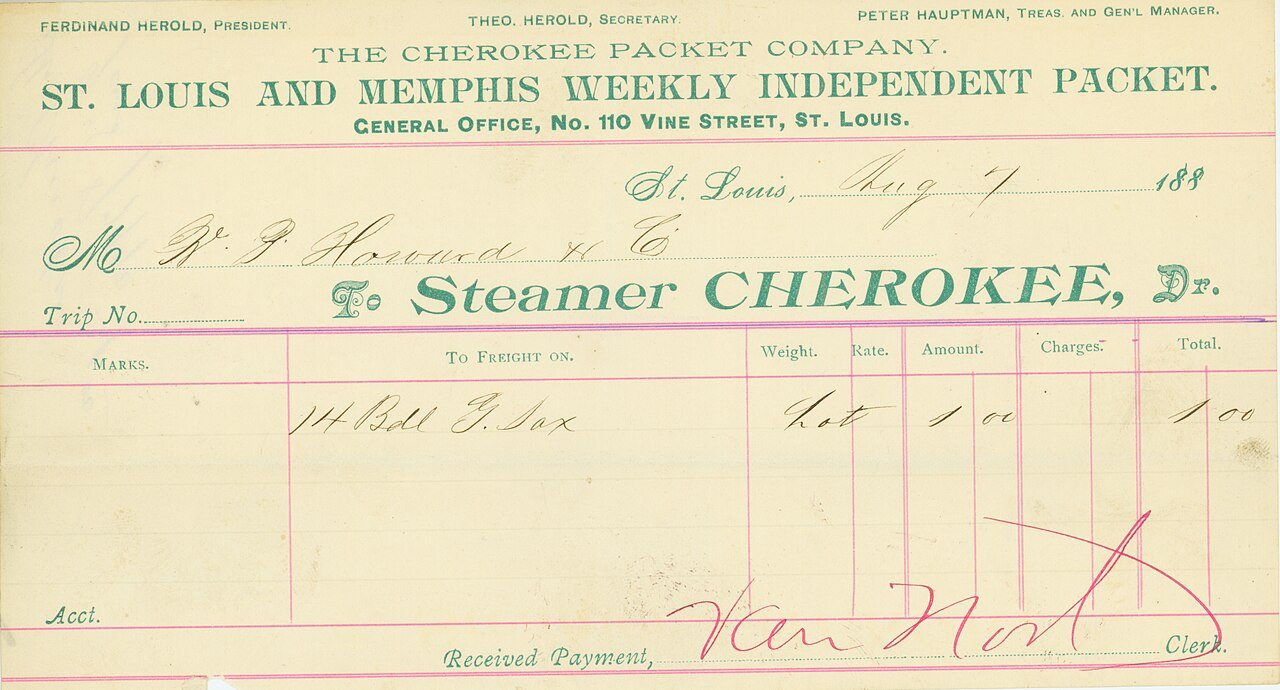
The bill of lading is the maritime transport document that certifies the goods loaded on board and represents title to collect them at arrival. For the bank to hold it and release it only upon payment, the document must be negotiable: it must be capable of being endorsed to another party, usually to the order of the bank or of the buyer. A non-negotiable document, such as a waybill made out to a named consignee, delivers the goods to that person without going through the bank, and the bank then has nothing to hold back.
For this reason, a road shipment between European Union countries is not suitable for documentary collection. The document accompanying a truck load, the international road consignment note (CMR), is not a negotiable title that can be delivered to the bank. Whoever arranges the shipment must tell you in writing which document they issue and to whom it is made out, before the process begins. Our article on freight forwarders for wine export explains how to set up this check with the carrier.
URC 522 rules and the role of the two banks
Documentary collections are normally governed by the Uniform Rules for Collections of the International Chamber of Commerce, ICC Publication No. 522, in the 1995 revision. The rules apply when the collection instructions expressly state so, and they define the banks as agents: they act according to the instructions received, without assuming any commitment to pay. The remitting bank forwards the documents, the collecting bank presents them to the buyer and releases them in accordance with the instructions.
The collection instructions are the key document for the exporter. They must list the required documents, indicate to whom they are to be released and on what condition, specify who bears the charges, and state what to do in case of refusal. A vague instruction produces delays and disputes, because the bank can only carry out what is written. Ask your bank for the standard form and have each field explained before you sign.
The comparison with the letter of credit is useful. The website Learn Trade Finance distinguishes the two sets of rules: URC 522 governs collections, where banks act as agents and do not undertake to pay, while UCP 600 governs documentary credits, where the issuing bank undertakes to honour a compliant presentation. It is this difference that explains the cost and risk of the two instruments.
Costs and timing compared with bank transfer and letter of credit
The table compares the three instruments most commonly used in wine export from the perspective of who bears the risk of non-payment, the cost for the buyer, and control of the documents.
| Instrument | Who bears the risk of non-payment | Cost for the buyer | Document control by the bank |
|---|---|---|---|
| Advance payment | The buyer, who pays before receiving the goods | Unfavourable to their liquidity | None |
| Documentary collection (D/P or D/A) | The exporter, with limited recovery | Generally lower than a letter of credit | No substantive check by the bank |
| Letter of credit | The issuing bank, if the terms are complied with | The buyer pays their own bank for the service | Check of all required documents |
The website of the U.S. Department of Commerce notes that with advance payment the exporter eliminates the risk of non-payment, but it is a less attractive option for the buyer because it weighs on their liquidity. The same website indicates that documentary collection generally costs less than a letter of credit, but it involves no verification process and offers limited possibilities of recovery in case of non-payment.
We do not state timeframes in days or weeks on timing: these depend on the banks involved, the route and the document schedule, and figures should be requested directly from the institutions you work with. A written request to two banks, with the same documents and the same instructions, makes the comparison concrete.
What happens if the buyer does not collect the documents
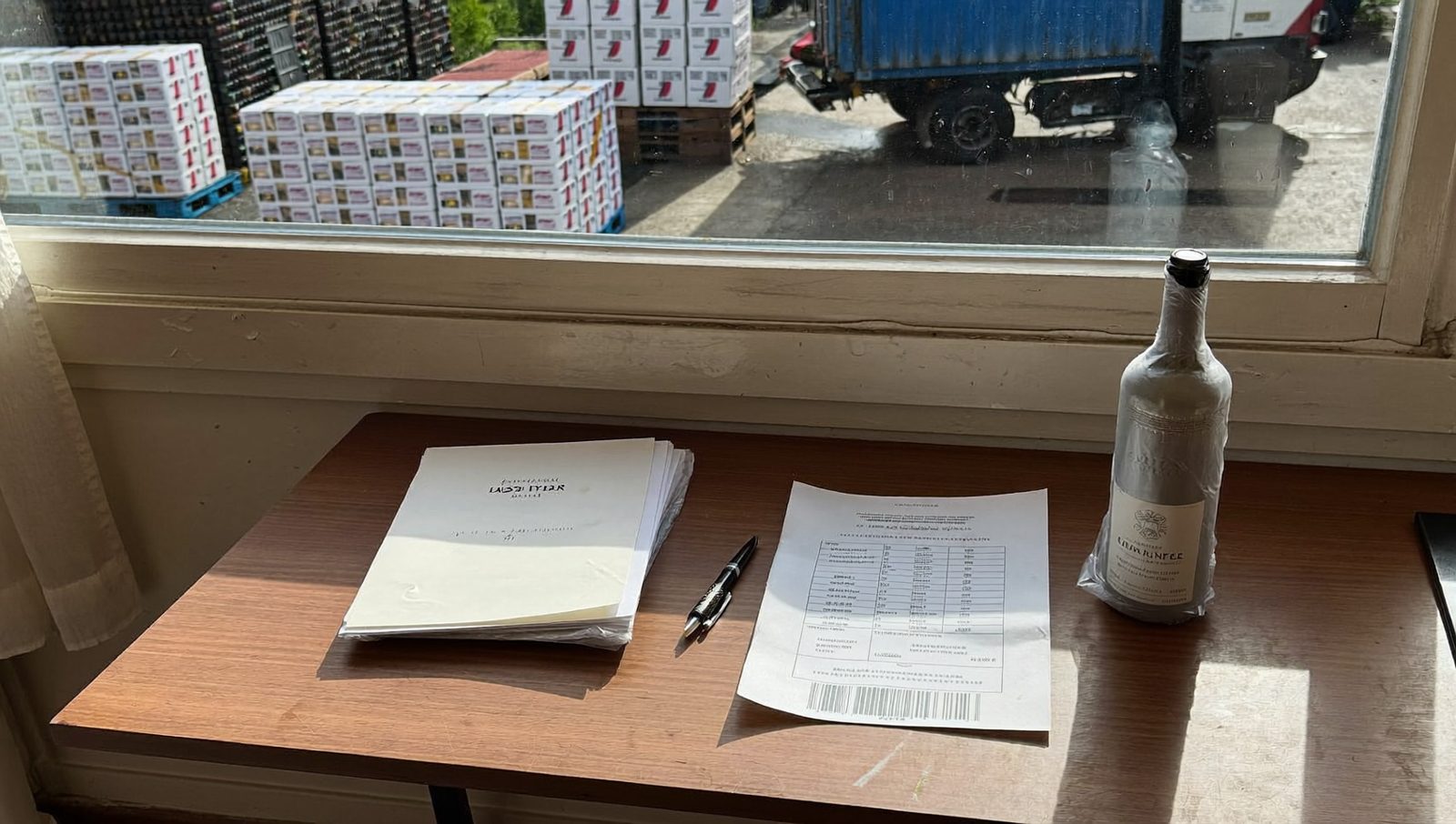
If the buyer does not pay and does not accept the bill of exchange, the documents remain at the collecting bank and the goods cannot be collected. In the meantime the consignment may remain in port or in a customs warehouse, and demurrage, storage and any re-shipment costs fall on whoever holds the goods. The collection instructions should therefore set out the course of action: re-shipment, sale to another buyer or storage, with an indication of who decides.
Banks do not guarantee payment and their role is limited, so recovery largely remains the responsibility of the exporter. Anyone working with a new buyer or in a market with complex customs controls should calculate this scenario before shipping, not after. The practical rule is simple: if the cost of a rejected consignment would be unsustainable, the instrument is not suitable for that customer.
When it is advisable and when another instrument is better
Documentary collection is advisable with regular customers, with a record of regular payments, and for consignments whose value does not justify the cost of a letter of credit. It can also be a sensible choice for a known customer requesting an extended term, provided the winery accepts the residual risk. For a new customer, or for consignments of high value, a letter of credit offers a protection that a collection does not provide.
The destination changes the picture considerably. For distant markets with demanding customs rules, the requirements of the country must be checked before shipping, and the cost calculation changes. We refer you to the dedicated pages on exporting wine to China and exporting wine to the United States for the specific requirements of these two markets.
Delivery terms also affect the choice. Who delivers the goods, who pays the transport, and from which point the risk passes to the buyer determine which documents are needed and when. The comparison of delivery rules is covered on the page on Incoterms 2020 for wine, which to choose, which should be read together with this article before signing the contract.
Frequently asked questions
What is the difference between D/P and D/A?
In D/P the buyer pays at sight and receives the documents only after payment. In D/A they accept a bill of exchange with a future maturity date and receive the documents immediately, so the exporter in effect grants credit. D/A is riskier for the seller.
Does documentary collection guarantee payment?
No. Banks act as intermediaries and do not undertake to pay on behalf of the buyer. If the buyer does not pay, recovery is limited and depends largely on the exporter, so it is advisable to assess the customer before shipping.
Is a negotiable bill of lading also needed for road transport in Europe?
Yes. To use documentary collection, a negotiable document is required, and the road consignment note for transport between EU countries is not one. With a truck, the bank has no title to hold back, so it is better to choose another instrument. Ask your freight forwarder which document they issue before signing the order.
Does documentary collection cost less than a letter of credit?
Generally yes, because the bank does not assume the payment risk and does not check the documents as it does for a documentary credit. Fees vary from bank to bank, so ask for a written quote from the bank you work with.
Sources
- Exporting Wine to China: Steps, Documents and Clearance
- Shipping wine by courier: rules, countries and how to pack
- Wine excise duty in EU countries: still and sparkling table
- Courier for Shipping Wine: How to Choose the Carrier
- EU wine label rules: ingredients, nutrition and QR code
- Small winery bottling line: components and export fill