Bottling line for a small winery: components, dissolved oxygen and export fill levels
Wines Export Editorial · Last updated:
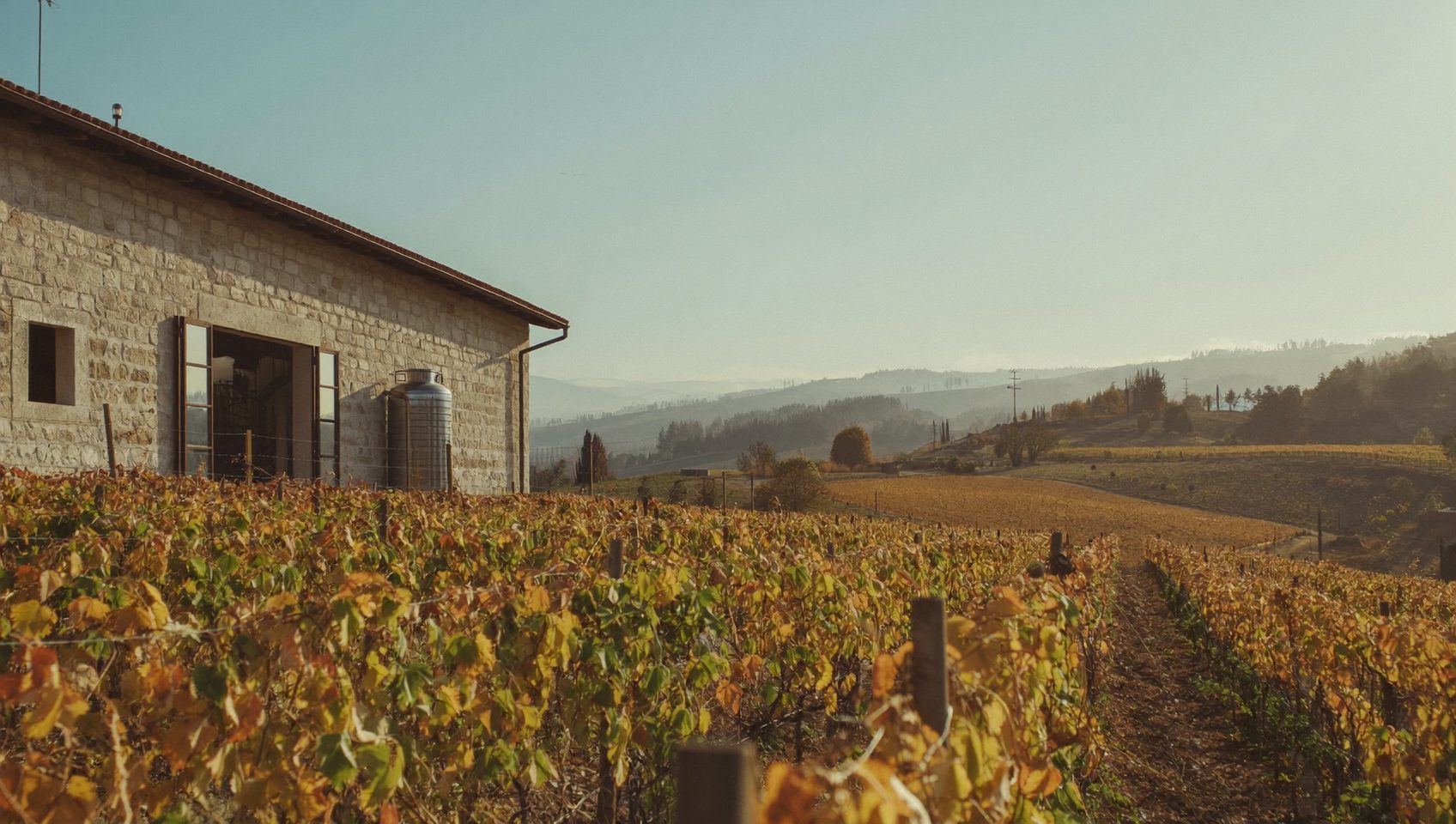
A small winery has two ways to bottle its wine: install its own line, or hire a mobile bottler who brings the equipment to the winery and fills the lot on site. The choice depends on annual volume, the number of lots and whether the wine must reach a foreign buyer with orderly documentation. A line includes a rinser, filler, capper and labeller, and you also need instruments to measure dissolved oxygen and fill level. These checks, together with the printed lot and the codes on the label, decide whether a shipment is accepted without disputes. Causes of claims for spoiled goods and who bears responsibility are covered separately, in the guide to claims for breakage and spoiled wine. Here you will find the components, the checks and the requirements foreign markets ask for, starting from the list of equipment in order of priority.
Fixed line or mobile bottler: how the number of bottles changes the choice
A fixed line makes sense when wine is bottled several times a year, with formats and lots that change often, and when the winery wants to control every step. It requires a dedicated space, water and power connections, trained staff and regular maintenance. A mobile bottler avoids the initial investment and brings an already calibrated line, but leaves less room on timing: the schedule depends on its availability, and the winery must have the wine ready on the agreed dates.
To decide, start from three questions. How many lots per year need bottling? How much space is available for finished wine and empty bottles? How many foreign markets require different information on the label? If the answers point to few lots and few formats, the mobile service reduces risk. If they point to many lots and label requirements that differ by country, your own line gives more control over each lot.
Rinser, filler, capper: what to check
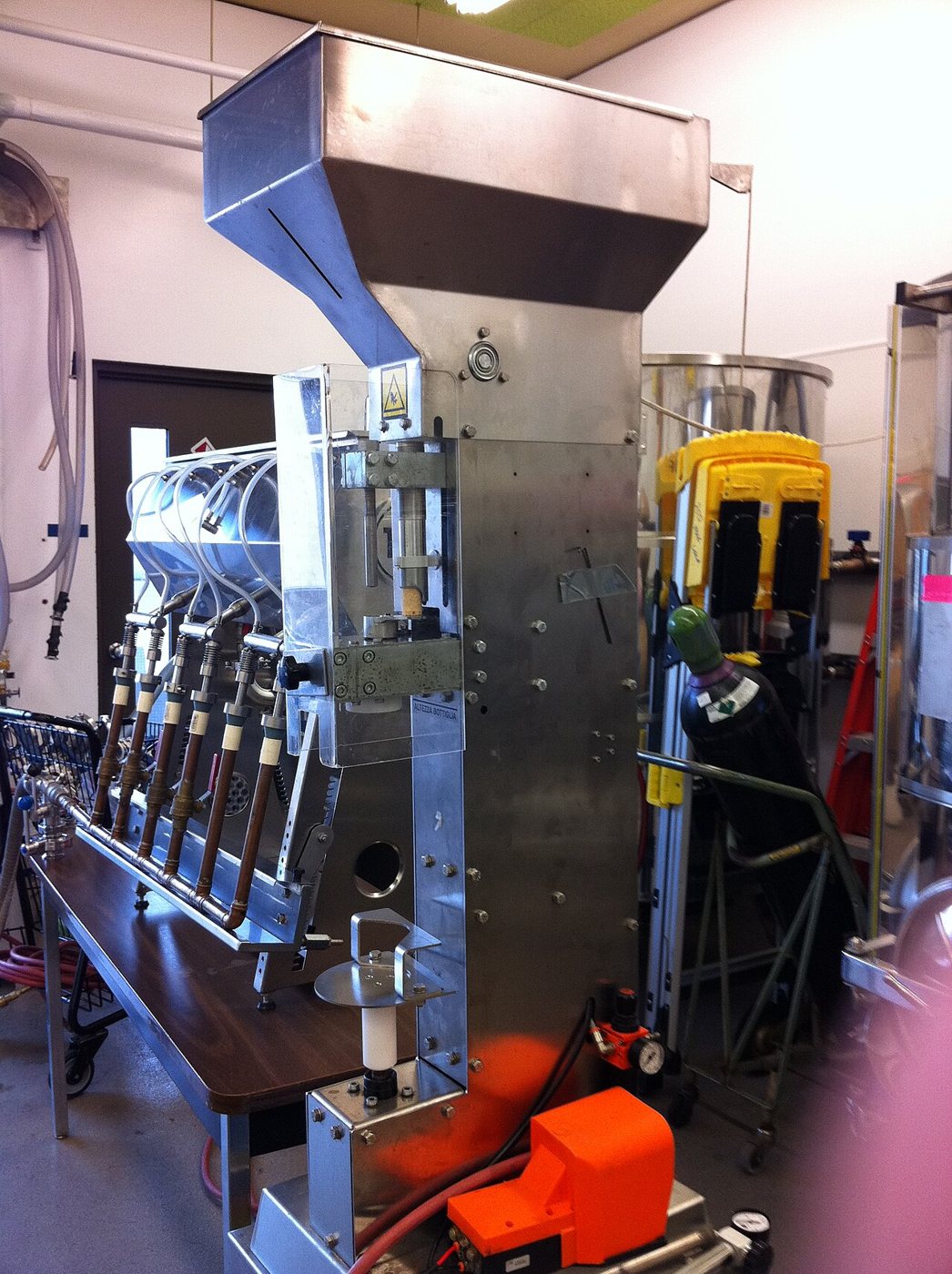
Each machine on the line has a specific task and a control point. The table summarises what to verify before buying or before entrusting the work to a mobile service.
| Component | What to check | Error you see later |
|---|---|---|
| Rinser | That it fully empties the bottle and leaves no residual water | Diluted wine and visible residues |
| Filler | That it keeps the same level across all bottles in the lot | Bottles with different levels and complaints about content |
| Capper | That the closure is centred and even on the neck | Crooked corks, leaks, oxygen entering after filling |
| Labeller | That the label is aligned and that the lot stays legible | Shifted labels or an illegible lot number on the back |
The rinser must be chosen carefully, because residual water in the neck can alter the content of the bottle without the wine looking different. The filler directly affects fill level and oxygen, so ask the supplier how it regulates flow and how it cleans the circuit between one lot and the next. The capper must work with the closure type chosen: the comparison of closures for export shows why the choice of closure changes the machine's settings.
With a mobile bottler, these components are already mounted and set up by the service. The winery must still ask which checks the service carries out during the work, who records them and in what form it delivers the lot data. A supplier that cannot answer these questions is not suitable for wine that must pass checks abroad.
Dissolved oxygen and nitrogen: the check that prevents oxidation
Oxygen is the main enemy of wine after bottling. It enters during transfer, at the passage between filler and capper and, in part, through the headspace of the bottle. Once in the bottle, wine can lose freshness and colour over times that depend on the wine, the closure and storage. For this reason producers measure dissolved oxygen before and after filling, and often protect the headspace with nitrogen.
A common method is as follows: measure the wine in the tank before filling, check the value on the first bottle, then sample during the lot. The check tells you whether the line is adding oxygen, and at which stage. If the value rises during the run, the problem is almost always in the circuit, the filler tap or the capper, not in the wine.
The Australian research centre AWRI also devotes a section of its website to packaging (Packaging), among its resources for producers. A winery without its own instruments can ask the mobile service to record the oxygen measurement for each lot, so that it is available if the buyer requests it.
Fill level, ℮ symbol and metrological checks
Fill level is the check the buyer sees first, because a bottle with too little wine is noticed even without instruments. On the label, the ℮ symbol indicates that the producer has declared the nominal quantity according to European rules for prepackaged products. The symbol may be applied only if the bottle complies with those rules, and checking the fill is how that is demonstrated. For label rules for export, including lot and allergen cases, see export label errors: lot, allergens, organic, sulphites.
In practice the winery checks a sample of bottles from the lot, measures the content and records the results. If the sample is outside tolerance, the filler must be adjusted and the lot rechecked before shipment. It is advisable to keep the record of these checks with the lot documents, because it is the proof the buyer can request in case of dispute.
| Check | Where it is done | What to keep |
|---|---|---|
| Fill level on sample | After the run, before labelling | Record with date, lot and results |
| Nominal quantity and ℮ symbol | On the final label | Copy of the approved label |
| Dissolved oxygen | Tank, first bottle, lot sample | Measured values and instrument used |
| Closure tightness | After capping, on a sample | Result of the visual and tightness check |
The permitted tolerances and the exact form of the symbol are set by the European directive on prepackaged products, 2007/45/EC. Those preparing export documentation must verify them on the official text of the directive, because these are not rules that change lot by lot but that the producer must know in advance.
Labelling, lot and barcodes for foreign markets
The lot number printed on the bottle links the bottle, the bottling record and the shipping documents. Without a legible lot, the winery cannot trace the batch in case of a claim, and the buyer cannot withdraw only the faulty lot. The lot must be printed clearly on the label or directly on the glass, and the line must always place it in the same spot.
Barcodes are a second level. GS1 Italy notes that the barcode was introduced in 1973 and that the GS1 code (EAN) serves to recognise and identify the product. Markets selling through mass retail or marketplaces often ask for the code on the back of the bottle or on the packaging, and the GS1 Italy website offers tools to calculate the check digit and to verify that the code is correct before printing. An incorrect code can cause problems with the distributor or marketplace, so it should be checked before ordering labels.
For labelling, the line needs stable adjustment, because a label that shifts changes the position of the lot and code. It is advisable to run a test on a few bottles with the final label, read the code with a scanner and check that the lot stays visible after application.
Timing, staff and cost per bottle: what really weighs
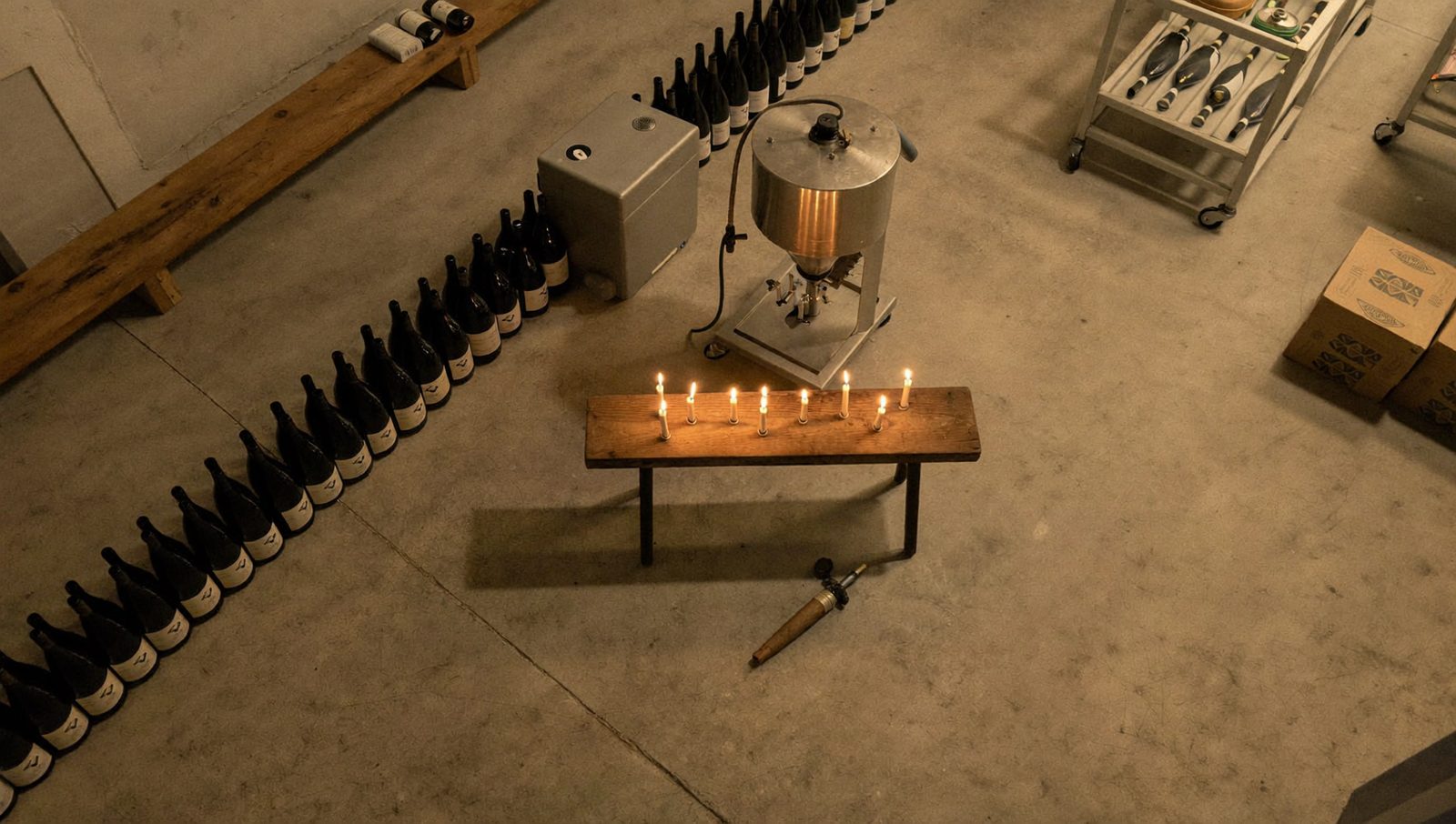
Cost per bottle does not depend only on the machine or the mobile service. What weighs is the staff working on the line, the preparation time for each lot, the waste from bottles that fail checks and the packaging material. An own line requires at least one trained person for adjustment and control, plus cleaning time between lots. The weight of the glass, which affects cost and transport, is covered in the note on lightweight bottles for export. The mobile service shifts part of these costs to the supplier, but it must be compared with delivery times and the availability of wine ready for bottling.
For the comparison, build a table with the winery's real items: wine, glass, closure, label, staff, transport, waste and laboratory checks. Those who compare only the price of the run often forget the checks, an item the buyer may ask to verify.
Frequently asked questions
When is a mobile bottler better than an own line?
It is better when the winery bottles few lots a year, with few formats and few label changes. An own line makes sense when lots are frequent and every step needs to be controlled. Before deciding, compare the service's schedule with the timing of your markets.
What is the ℮ symbol and where does it go on the label?
The ℮ symbol indicates that the nominal quantity declared on the prepackaged product complies with European rules. It goes on the final label, next to the quantity. The symbol is valid only if filling is checked and recorded.
Why does dissolved oxygen in bottled wine matter?
Oxygen that enters during bottling can alter freshness and colour over time. Measuring it before and during the lot shows whether the line is introducing oxygen and at which stage. The recorded value also serves as proof if the buyer asks about it.
Do I need an EAN code to sell in a foreign market?
It depends on the channel: mass retail and marketplaces often require a GS1 barcode on the packaging. For a wine shop or an importer the requirement may differ. Check with the buyer which code is needed before printing labels.
Sources
- Courier for Shipping Wine: How to Choose the Carrier
- Stand-by letter of credit and guarantees for wine exports
- Shipping wine by courier: rules, countries and how to pack
- Winery management software for wine exports: key features
- Documentary collection for wine exports: D/P and D/A
- Wine Transport Documents: CMR, Bill of Lading, AWB