Grapevine phenological stages on the BBCH scale: from bud burst to leaf fall, how to recognise them in the vineyard and which operations (crop protection, canopy management, irrigation) to link to each
Wines Export Editorial · Last updated:
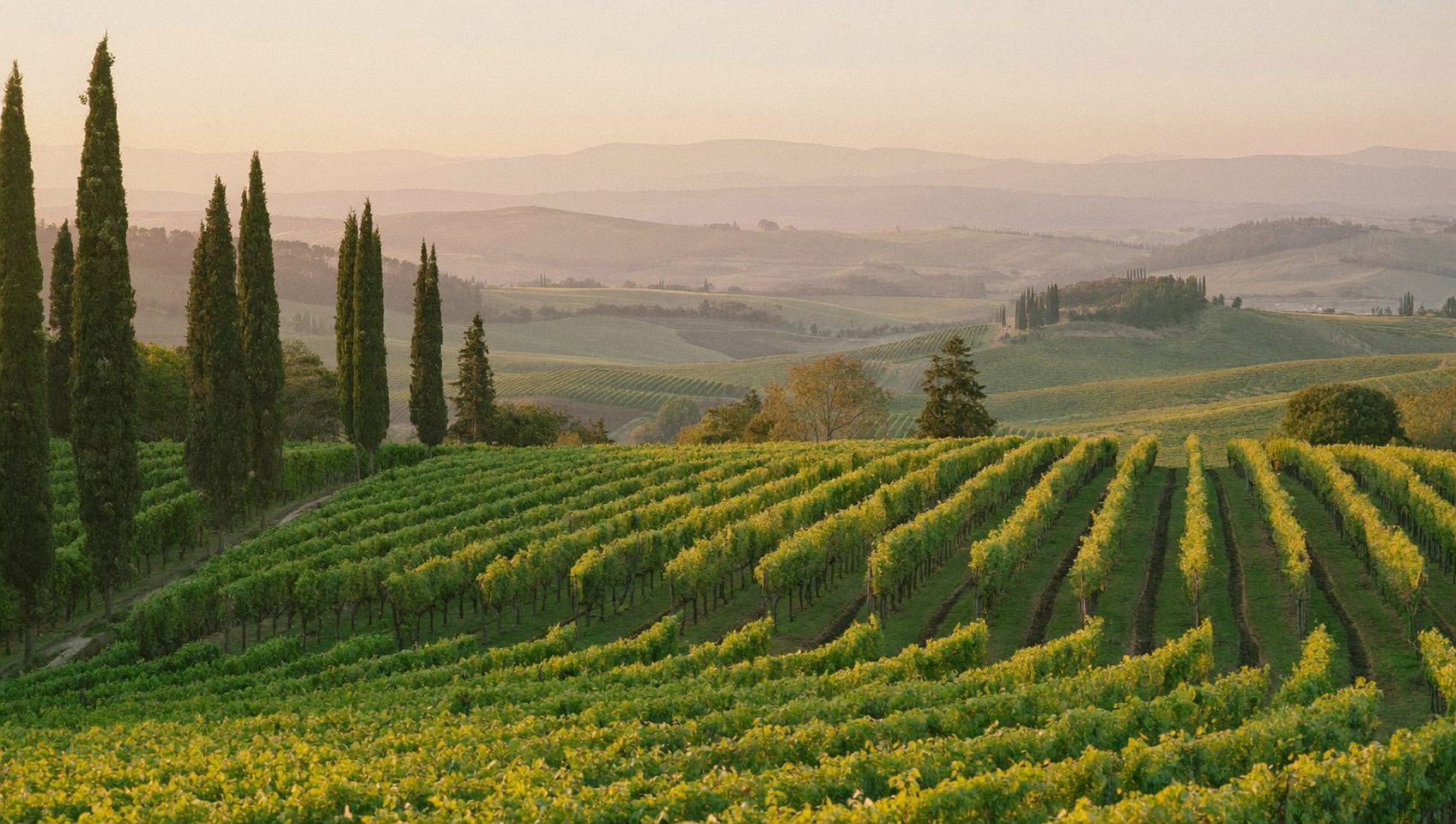
Grapevine phenological stages mark the annual cycle of the plant, from winter dormancy to leaf fall. They are codified internationally by the BBCH scale, which uses a two-digit number from 00 to 97. Recognising precisely the stage reached by each plot allows you to time plant protection treatments, canopy operations, fertilisation and irrigation to the moment when the plant is actually receptive, rather than relying solely on the solar calendar. In pesticide labels, integrated production specifications and agrometeorological forecasting models, the intervention windows are in fact expressed through BBCH codes.
Why a common scale is needed to read the vineyard
For decades, viticulturists and technicians used different descriptive scales: the letter-based system developed by Baggiolini, widespread in France and northern Italy, and the numerical scale of Eichhorn and Lorenz, used in English-speaking and German viticultural research. However, the coexistence of several codes generated ambiguity in the reading of plant protection bulletins, in agronomic trials and in the registration of crop protection products.
To overcome these differences, in the 1990s German research institutes (Biologische Bundesanstalt, Bundessortenamt und Chemische Industrie, hence the acronym BBCH) introduced a uniform decimal system for all cultivated species, adapted specifically to Vitis vinifera by Lorenz and colleagues in 1995. For a winery managing vineyards spread across several slopes or altitudes, adopting this coding in the field logbook and in communications between agronomists and tractor operators turns a subjective visual impression into an objective, comparable datum across vintages.
Phenology depends closely on thermal sums and on the physiology of the vine and its vegetative-productive cycle. The same variety can reach full flowering one or two weeks apart from one vintage to another, or between a valley floor and a hillside exposed to the north. A company protocol tied to fixed dates therefore risks bringing operations forward or delaying them relative to the actual development of the tissues.
How the BBCH scale works and its main stages
The BBCH scale uses a two-digit code. The first digit (from 0 to 9) identifies the principal growth stage, known as the principal stage; the second digit (also from 0 to 9) specifies the secondary stage, or sub-stage, which describes the degree of progress or the percentage of organs that have reached that phase.
In the specific case of the grapevine, not all ten principal stages provided by the general scheme for cultivated plants are used. Principal stages 2 (tillering or formation of secondary shoots), 3 (elongation of the main stem) and 4 (development of vegetative propagation organs) are omitted because they do not describe distinct phases relevant to the development of leaves and inflorescences. The principal stages used in viticulture are therefore seven:
- Principal stage 0 – Bud development: from winter dormancy of the buds (00) to shoot opening with the shoot tip clearly visible (09).
- Principal stage 1 – Leaf development: from the first unfolded leaf (11) to nine or more unfolded leaves on the shoot (19).
- Principal stage 5 – Inflorescence emergence: from visible inflorescences (53) to the separation of individual flower buds (57).
- Principal stage 6 – Flowering: from the fall of the first calyptras or flower caps (60) to the end of flowering (69).
- Principal stage 7 – Fruit development: from fruit set and enlargement of the ovaries (71) to complete bunch closure (79).
- Principal stage 8 – Berry ripening: from the beginning of veraison (81) to full harvest ripeness (89).
- Principal stage 9 – Senescence and vegetative rest: from wood maturation after harvest (91) to complete leaf fall (97).
To assign the correct code to an entire vineyard, the agronomic rule is that at least half of the plants (or of the organs observed, such as buds or bunches) have reached or passed the stage described.
From bud burst to flowering: recognising stages 00 to 69
The first half of the annual cycle is characterised by metabolic reactivation and the rapid construction of the leaf canopy. During winter dormancy (BBCH 00), the overwintering buds are closed by bud scales and covered with down. When soil temperature rises at the end of winter, the root system resumes absorbing water, and bleeding is observed on fresh pruning cuts: this is the physiological sign that precedes bud swelling (BBCH 01–03), followed by the "woolly bud" stage (BBCH 05), in which the brown down clearly emerges from the bud scales.
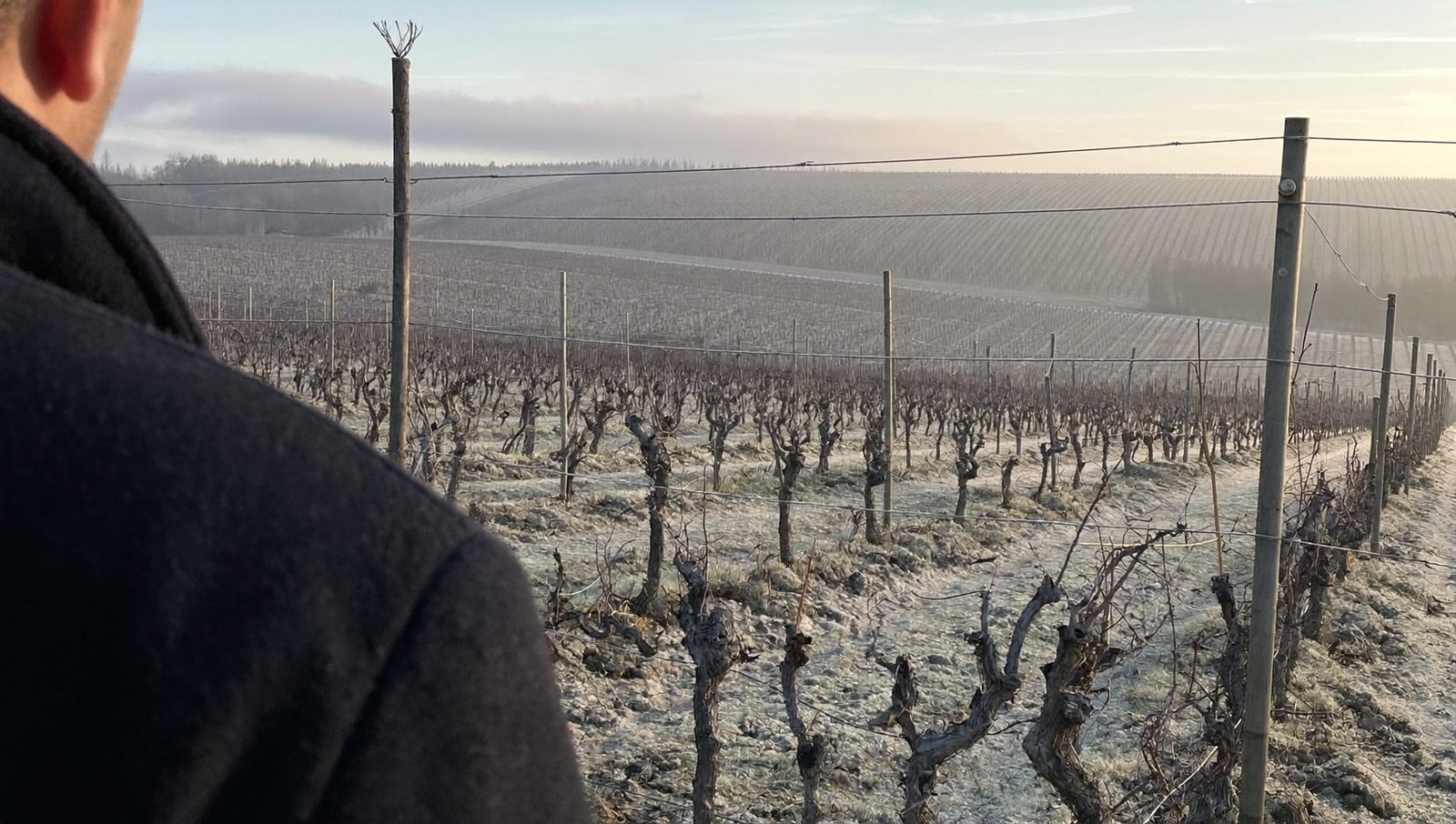
With BBCH 07 the first green tips appear, and at BBCH 09 the shoot tip is clearly visible outside the bud. In this window the herbaceous tissues lose their resistance to winter cold and become vulnerable to late spring frosts.
As soon as the young leaves open and separate from the shoot axis, the principal stage 1 begins: BBCH 11 indicates the first unfolded leaf, BBCH 12 the second, BBCH 13 the third, proceeding up to BBCH 19 (nine or more unfolded leaves). At the same time as the shoots elongate, inflorescences become distinguishable on the basal nodes: at BBCH 53 the small bunches are clearly visible, at BBCH 55 they enlarge while the flower buds remain tightly grouped, and at BBCH 57 the individual flowers separate and the rachis extends.
Actual flowering (principal stage 6) is not measured by the opening of conspicuous petals, but by the detachment of the calyptra (the green cap formed by fused petals that protects the stamens and pistil). Stage BBCH 60 marks the first caps detached from the receptacle; from BBCH 61 (10% of caps fallen) to BBCH 68 (80% of caps fallen), the second digit directly indicates the percentage tens of flowering reached. Full flowering corresponds to BBCH 65 (50% of caps fallen), while BBCH 69 identifies the end of flowering. This phase requires dry, ventilated weather and mild temperatures: prolonged rain or returns of cold during stages 61–68 hinder pollination and cause coulure (the fall of unfertilised flowers) or millerandage (the development of small seedless berries), affecting the scheduling of work crews across the various seasons.
From fruit set to senescence: stages 71 to 97
After flowering, fertilised ovaries begin to enlarge through cell division. Stage BBCH 71 corresponds to fruit set: floral residues fall and the young berries begin to grow. At BBCH 73 the berries are the size of a peppercorn (or a shotgun pellet) and the bunches begin to droop downwards under their own weight.
A key technical step is BBCH 75, when the berries reach the size of a pea and the bunches hang vertically. Shortly afterwards, the berries continue to expand until they touch one another (BBCH 77, beginning of bunch closure) and fill the spaces within the rachis (BBCH 79, complete bunch closure). For plant protection, stage 77 represents the last opportunity to get covering products inside the bunch before the berries form a compact barrier, which is essential against grey mould (Botrytis cinerea).
With principal stage 8, the herbaceous growth of the berry slows down and ripening begins. At BBCH 81 (beginning of veraison) the berries start to change colour in black-skinned varieties or to become translucent in white-skinned ones. Stage BBCH 83 indicates the continuation of colouring, while BBCH 85 identifies the softening of the berries, when sugar accumulation and the degradation of malic acid accelerate. Stage BBCH 89 marks harvest ripeness. The choice of the exact harvest day within stage 89 directly determines the acid and phenolic profile of the must, reducing the need to resort in the cellar to the corrections permitted among the oenological practices authorised by the EU and the OIV.
After harvest, the vine does not stop its activity immediately: at BBCH 91 the ripening of the wood is completed, meaning the lignification of the canes and the transfer of reserve substances (starches and nitrogen) from the leaves towards the trunk and roots. This is followed by the start of autumn leaf discolouration (BBCH 92), the start of defoliation (BBCH 93), 50% of leaves fallen (BBCH 95) and finally complete leaf fall (BBCH 97), which returns the vineyard to dormancy.
Operational table: BBCH code, field recognition and interventions
To coordinate the annual management of the vineyard, the table below associates the most relevant BBCH codes with what is observed in the field and with the main operations of pruning, canopy management, nutrition, irrigation and prevention of fungal diseases of the vine.
| BBCH code | Phenological stage | How to recognise it in the field | Technical interventions (crop protection, canopy, soil, water) |
|---|---|---|---|
| 00 | Winter dormancy | Buds closed, brown, no vegetative activity. | Winter dry pruning, removal of canes, repair of posts and wires along the headland, possible autumn-winter cover crop sowing. |
| 05 | Woolly bud | Bud scales open, brown down clearly visible. | End of tying of fruiting canes; possible end-of-winter treatments against scale insects or esca on older vineyards affected by the disease. |
| 09 | Bud burst | Green shoot tip clearly visible outside the bud. | Activation of anti-frost systems (where present) in case of frost risk; start of monitoring for thrips, noctuids and eriophyid mites. |
| 13–15 | 3–5 unfolded leaves | Shoots a few centimetres long with 3–5 open leaflets. | Desuckering on the trunk and at the base; start of positioning forecasting models and first interventions against downy and powdery mildew where conditions favour them. |
| 53–57 | Visible bunches / separated flower buds | Inflorescences clearly distinguishable, rachis elongating and flowers separating (57). | Removal of sterile or double shoots; first positioning of shoots between the training wires; foliar fertilisation with micronutrients (boron) to favour future fruit set. |
| 61–69 | Flowering | Calyptra fall from 10% (61) to 50% (65, full flowering) until end of flowering (69). | Phase of maximum sensitivity: keep bunches covered against downy and powdery mildew; mowing or rolling of the cover crop to reduce humidity and water competition; avoid severe water stress. |
| 71–75 | Fruit set – Berry pea-sized | Enlarged ovaries (71), then berries as large as a pea and hanging bunches (75). | Early or moderate leaf removal in the bunch zone (on the side less exposed to scorching sun) to improve airflow; tying and first topping of shoots; start of water deficit monitoring. |
| 77–79 | Bunch closure | Berries touching one another (77) until the bunch is compact (79). | Specific anti-botrytis treatment inside the bunch before it closes completely; management of rescue or regulated deficit irrigation (RDI) to control final berry size. |
| 81–85 | Veraison and softening | Berries changing colour or becoming translucent (81) and softening (85). | Possible thinning of excess or poorly positioned bunches; last copper or covering treatments respecting pre-harvest intervals; suspension or drastic reduction of irrigation to avoid dilution. |
| 89 | Harvest ripeness | Berries ripe for harvest according to the oenological target. | Plot sampling for ripening curves (sugars, pH, total acidity, malic acid, phenolic ripeness); separate harvesting by homogeneous blocks. |
| 91–97 | Ripening of wood and leaf fall | Lignified canes (91), leaf yellowing or reddening (92) and defoliation (93–97). | Post-harvest organic or mineral fertilisation (before leaf fall, while the canopy is still active) to restore root reserves; sowing of cover crops. |
Common mistakes in using phenological stages in the vineyard
The first operational mistake is assigning a single phenological stage to the entire farm. In Italian hillside vineyards, differences in altitude, slope exposure and rootstock create considerable variation, to which genetic variability between varieties is added: an early-budding variety such as Chardonnay or Glera may be at BBCH 15 while a late variety such as Cabernet Sauvignon or Nebbiolo in the same municipality is still at BBCH 07–09. Recording the BBCH stage for each individual vine unit avoids treating late plots too early or early plots too late.
A second mistake concerns the timing of canopy operations, in particular leaf removal and topping. Carrying out drastic leaf removal around the bunch late, for example in midsummer between BBCH 77 and BBCH 81 on bunches that had grown until then in shade, exposes the berry skin to sudden sunburn and scorching, with loss of aromatic precursors and cooked notes in the future wines. If, instead, bunch thinning is carried out early, between the end of flowering (BBCH 69) and the pea-sized berry stage (BBCH 75), the berry skin thickens its cuticular layers and gradually adapts to solar radiation and ventilation.
Finally, with regard to crop protection product specifications and labels, many compliance errors arise from confusing the maximum number of treatments permitted per year with the constraints linked to the BBCH stage. Several active substances and fertilisers state a strict window on the label (for example "apply from BBCH 13 to BBCH 81" or "not beyond BBCH 79"): recording the BBCH code in the treatment register at the time of the intervention protects the winery during audits for the sustainability certifications (SQNPI, Equalitas, VIVA) required by monopolies and foreign buyers.
Frequently asked questions
What is the difference between the BBCH scale and the Baggiolini scale?
The Baggiolini scale uses capital letters (from A to P) and was developed specifically for the grapevine, focusing mainly on the early vegetative stages. The BBCH scale instead uses a two-digit decimal numerical code (from 00 to 97) valid for all arable crops, making the reading of plant protection product labels and agrometeorological data universal at an international level.
Why does the BBCH scale for the grapevine go from stage 1 to stage 5?
In the general BBCH scheme valid for all plant species, principal stages 2, 3 and 4 describe, respectively, tillering (typical of cereals), elongation of the main stem and development of harvestable vegetative organs. In the grapevine, shoot development proceeds in parallel with leaf opening (principal stage 1) and the appearance of small bunches (principal stage 5), which is why principal stages 2, 3 and 4 are omitted.
How is the BBCH phase of an entire plot determined?
In a real vineyard, not all buds or all bunches develop on the same day. By agronomic convention, a plot is classified at a given BBCH stage (for example BBCH 09 or BBCH 65) when at least 50% of the organs observed on a representative sample of plants distributed along the rows have reached or passed that specific morphological condition.
Which BBCH stages are most sensitive for protection against downy and powdery mildew?
The most critical window runs from the development of the first leaves and the appearance of small bunches (BBCH 13–53) to the pea-sized berry stage and pre-closure of the bunch (BBCH 75–77). Within this interval, the period between separated flower buds (BBCH 57), flowering (BBCH 61–69) and fruit set (BBCH 71) requires maximum coverage because floral tissues and young berries lack thick cuticular barriers.
Sources
- How to make rosé wine: saignée, direct pressing, maceration
- Gallo Nero Chianti Classico Mark: What Importers Should Know
- Vineyard Insecticides: Permitted Products, Targets, Timing
- Friuli passito wine: Ramandolo, Picolit, Verduzzo
- International grapes in Italy: Merlot, Chardonnay, Syrah
- Fragolino: Meaning, Grape and Why It Is Not Wine in the EU