International grape varieties grown in Italy: where Merlot, Chardonnay and Syrah are produced
Wines Export Editorial · Last updated:
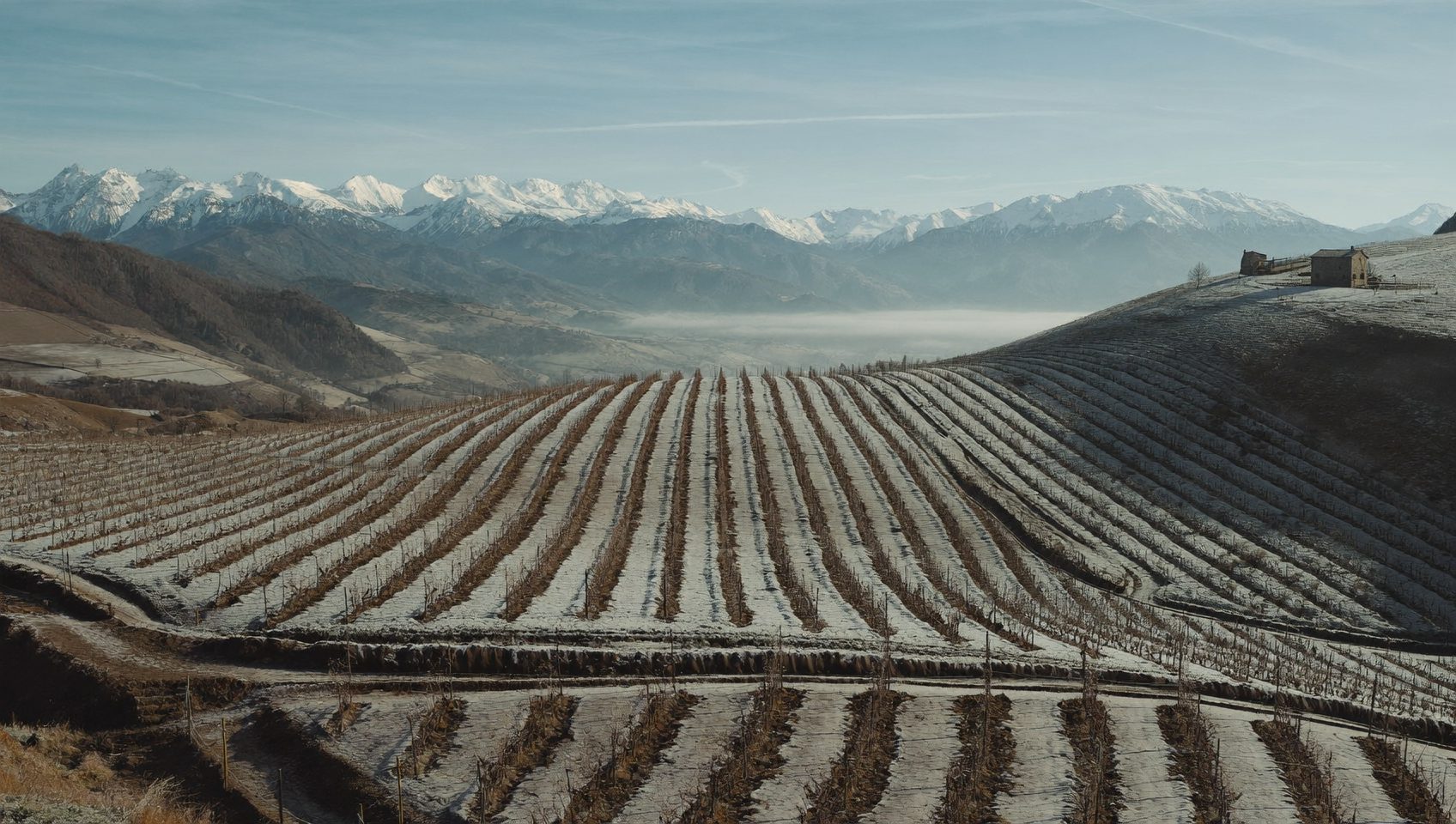
Many grape varieties that buyers know by their French names are also grown in Italy, and a buyer who opens a listing for an Italian Merlot or Chardonnay naturally asks why. The answer lies in the regions: Merlot is widespread in Friuli and Veneto, Chardonnay in Alto Adige, Trentino and Franciacorta, and Syrah has found a place in Sicily and in Cortona. This page explains where each international variety is grown, which documents to check before presenting it, and in which markets an Italian wine made from these grapes can hold its own. For single-variety detail, see our export guide to Merlot.
Which international varieties Italy grows and how much area they cover
The national catalogue of grapevine varieties lets you select wine varieties only, and this is the first filter to use to understand which grapes are approved for cultivation. The catalogue is, however, a simple documentation tool, and official data are governed by the legal acts. Anyone preparing a sheet for export should therefore cite the variety name as it appears in the register, not as the market remembers it.
The national catalogue pages do not report hectares per single variety, so this article does not indicate vineyard areas by variety. For the general picture, ISTAT records 1,130,358 active farms in 2023, while in 1930 there were 4.2 million: the figure shows a much more concentrated sector, and does not measure vineyards on their own. For national vineyard areas, the OIV Statistical Yearbook collects consolidated data on cultivated areas, production and trade, and it is advisable to start there for any figure to include in a presentation.
The table summarises the international varieties most present in Italian commercial discourse, the regions to name in the text, and the check to make before sending the sheet.
| Variety | Regions to name in the text | Check before presenting it |
|---|---|---|
| Merlot | Friuli, Veneto, Bolgheri, Sicily | Designation and type (varietal or blend) |
| Cabernet | Bolgheri, Veneto, Sicily | Designation and share of the variety in the blend |
| Chardonnay | Alto Adige, Trentino, Franciacorta, Oltrepò | Area of origin and use as sparkling base or still wine |
| Pinot Nero | Trentino, Franciacorta, Oltrepò, Alto Adige | White or red vinification and sparkling use |
| Syrah | Cortona, Sicily | Designation and use as varietal or in blends |
Merlot and Cabernet: Friuli, Veneto, Bolgheri and Sicily
Merlot is a variety of French origin that finds a suitable environment in Italy mainly in the North-East. In the Collio Goriziano, the wine of San Floriano del Collio shows how a hill zone can give Merlot a recognisable profile that can be described to the buyer. For an importer, the point to clarify is whether the bottle is vinified as a varietal or as a blend, because the destination market often asks for the variety on the label.
Cabernet often enters blends, and Bolgheri is the most cited case in Italy for red wines built on Bordeaux grape varieties. Merlot and Cabernet are also present in Sicily, where the presentation must explain the zone more than the variety. For the buyer, the practical question is the same: what share of the variety appears in the wine and which designation certifies it.
Chardonnay and Pinot Nero: Alto Adige, Trentino, Franciacorta, Oltrepò
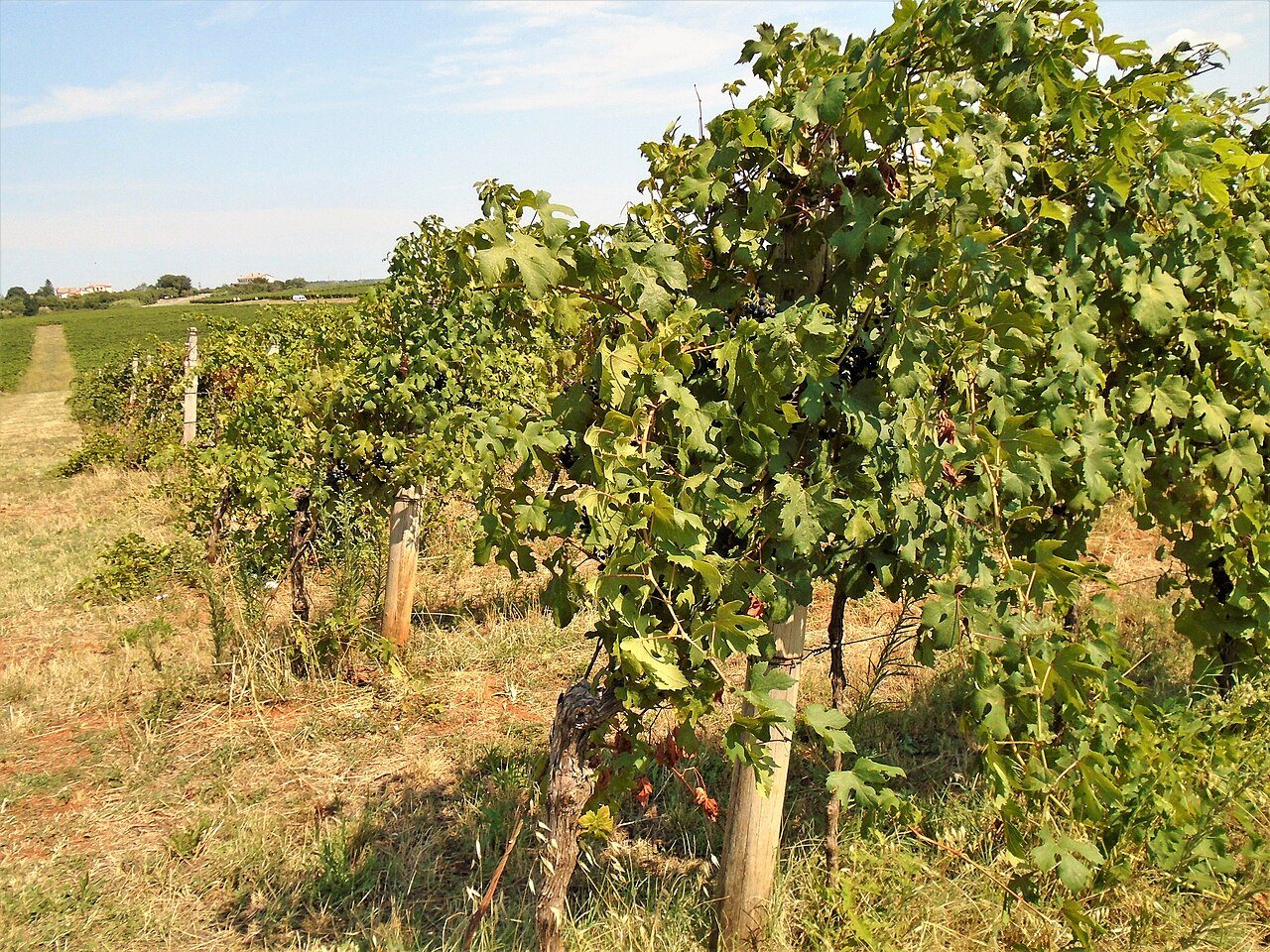
Chardonnay and Pinot Nero are the two international varieties most linked to classic method sparkling wine production in Italy. In Franciacorta, Trentino and the Oltrepò Pavese there are wineries that use them as a base, and in Alto Adige Chardonnay also appears in still wines. Exporters must declare the zone, because a Chardonnay from Franciacorta and one from Alto Adige speak to two different markets.
To learn more about Chardonnay, see the dedicated export guide, while for Pinot Nero, used in red, white and sparkling bases, there is a separate export sheet. A buyer purchasing classic method sparkling wine looks above all at the base and the zone: the variety is the first filter, not the selling argument.
Syrah: Cortona, Sicily and the Centre-South
Syrah is an international variety often presented as a wine with character, and in Italy it has found suitable zones in Tuscany, with Cortona in the province of Arezzo, and in Sicily. For an importer the question is whether the wine is a varietal or a blend and which designation accompanies it. An Italian Syrah is better presented with the zone at the front, because the variety name alone does not distinguish the bottle from the others the buyer receives every week.
The export guide to Syrah gathers the technical sheets to send with the sample request, and it is worth having it ready before the first contact with the importer.
Where an Italian international variety sells and where it does not
The success of an international variety depends on the destination market. Where the consumer searches for the name of the variety, as in countries that read the label as a list of grapes, Chardonnay and Merlot are an immediate entry point. Where the consumer searches for the zone, the designation matters more than the variety, and the Italian wine must explain the territory before the variety.
In 2025 the OIV dedicated a thematic study to world wine trade and the role of re-export countries, that is, hubs from which wine is redistributed to other markets. For an average producer this means the choice of importer can weigh as much as the choice of variety: an importer working through a re-export hub may bring an Italian Merlot into markets it does not buy from directly. This must be verified country by country, because the study describes the phenomenon and does not give a list of markets to open.
In markets where international varieties are already familiar, the Italian variety must be presented as an alternative in price, zone or style. In markets where the variety is new, the Italian wine must explain the choice through a direct comparison, for example with the reference French variety served at the same temperature.
How to present it to an importer: comparison, price, terroir
A sheet presenting an Italian international variety must answer three questions: where the variety comes from, how it adapted to the zone, and which wine it is compared with. For the first question, the Vitis International Variety Catalogue (VIVC) is a practical source: the database, started in 1984 at the Institute for Grapevine Breeding Geilweilerhof, describes about 23,000 cultivars, crossing lines and Vitis species, with passport data, SSR genetic markers and bibliography.
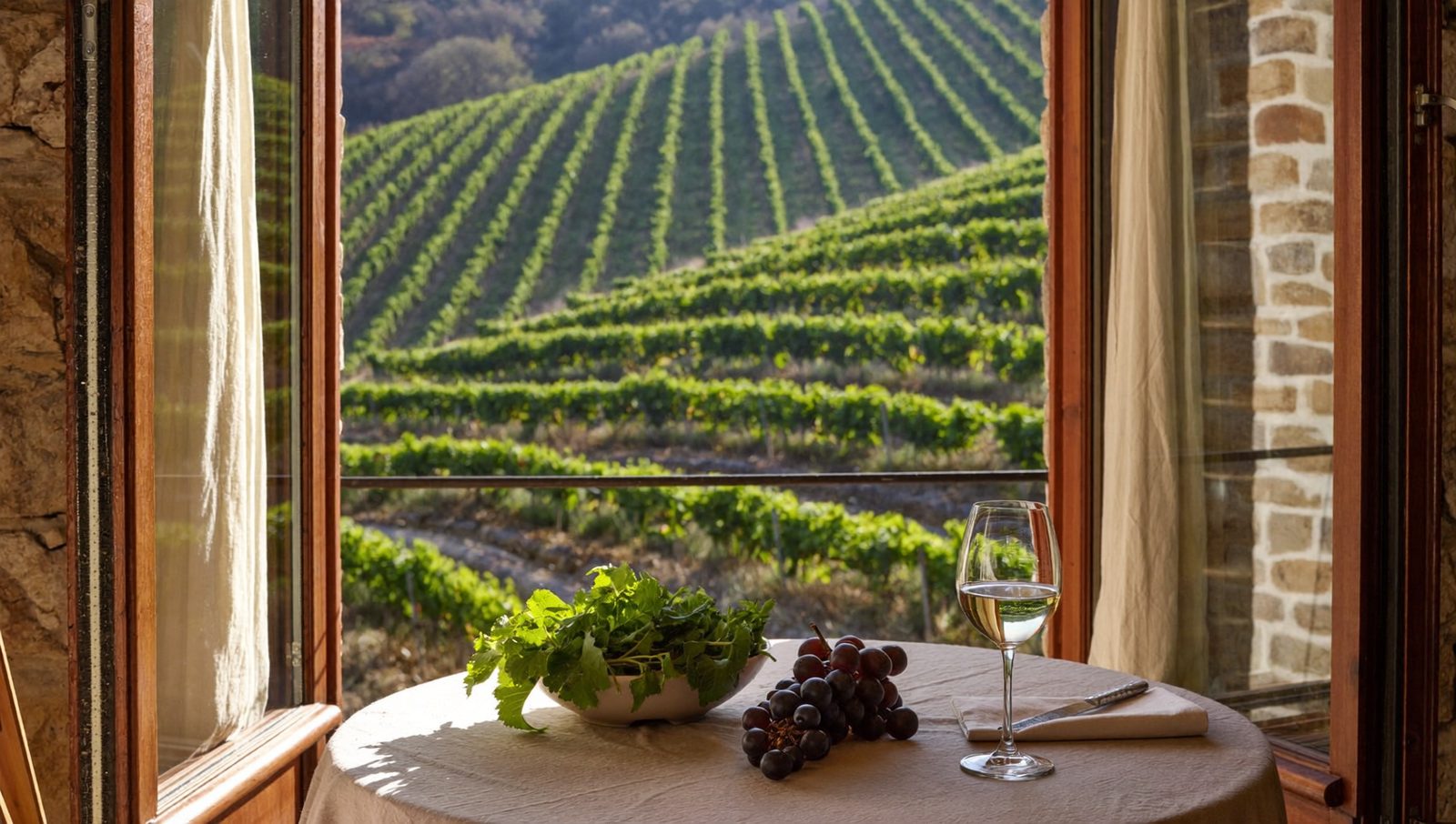
For the second question it is advisable to describe the terroir in concrete terms: vineyard altitude, exposure, soil type and training system, things the buyer can check with a technician. For the third question the comparison should be made with a reference wine of the same variety produced in France or another country, indicating the difference in zone and style. Market prices are not indicated here, because the official sources do not report them by variety: the landed price depends on the importer's structure and channel, and must be built for the specific market.
Frequently asked questions
Which international grape varieties are grown in Italy?
Merlot, Cabernet, Chardonnay, Pinot Nero and Syrah are the international varieties most present in Italian commercial discourse. The national catalogue of grapevine varieties lets you filter wine varieties only and verify the official name. For areas by variety, it is advisable to use OIV data, which are not reported in this article.
Where is Chardonnay grown in Italy?
Chardonnay is present in Alto Adige, Trentino, Franciacorta and the Oltrepò Pavese. In Franciacorta and Trentino it is widely used as a base for classic method sparkling wine. The buyer must always receive the zone of origin together with the variety.
Can Italian Merlot be presented as a French wine?
No: Italian Merlot is an Italian wine made from a variety of French origin. The sheet must state the designation, the zone and whether the wine is a varietal or a blend, so that the importer does not confuse the origin of the wine with the origin of the variety.
Where can I find data on vineyard areas by variety?
The national catalogue pages do not report hectares by variety. For national-level data, it is advisable to start from the OIV Statistical Yearbook, which collects cultivated areas, production and trade. Any figure to include in a presentation should be read directly from the source.
Sources
- Italian Fortified and Passito Wines: Categories and Excise
- Vineyard Insecticides: Permitted Products, Targets, Timing
- Kosher Wine Export: Certification, Costs and Buyers
- How to make rosé wine: saignée, direct pressing, maceration
- Lagrein: Grape, Alto Adige DOC, Kretzer, Riserva and UGA
- Grapevine BBCH growth stages: how to identify them