Friuli passito wine: Ramandolo, Picolit, Verduzzo and the documents to check
Wines Export Editorial · Last updated:
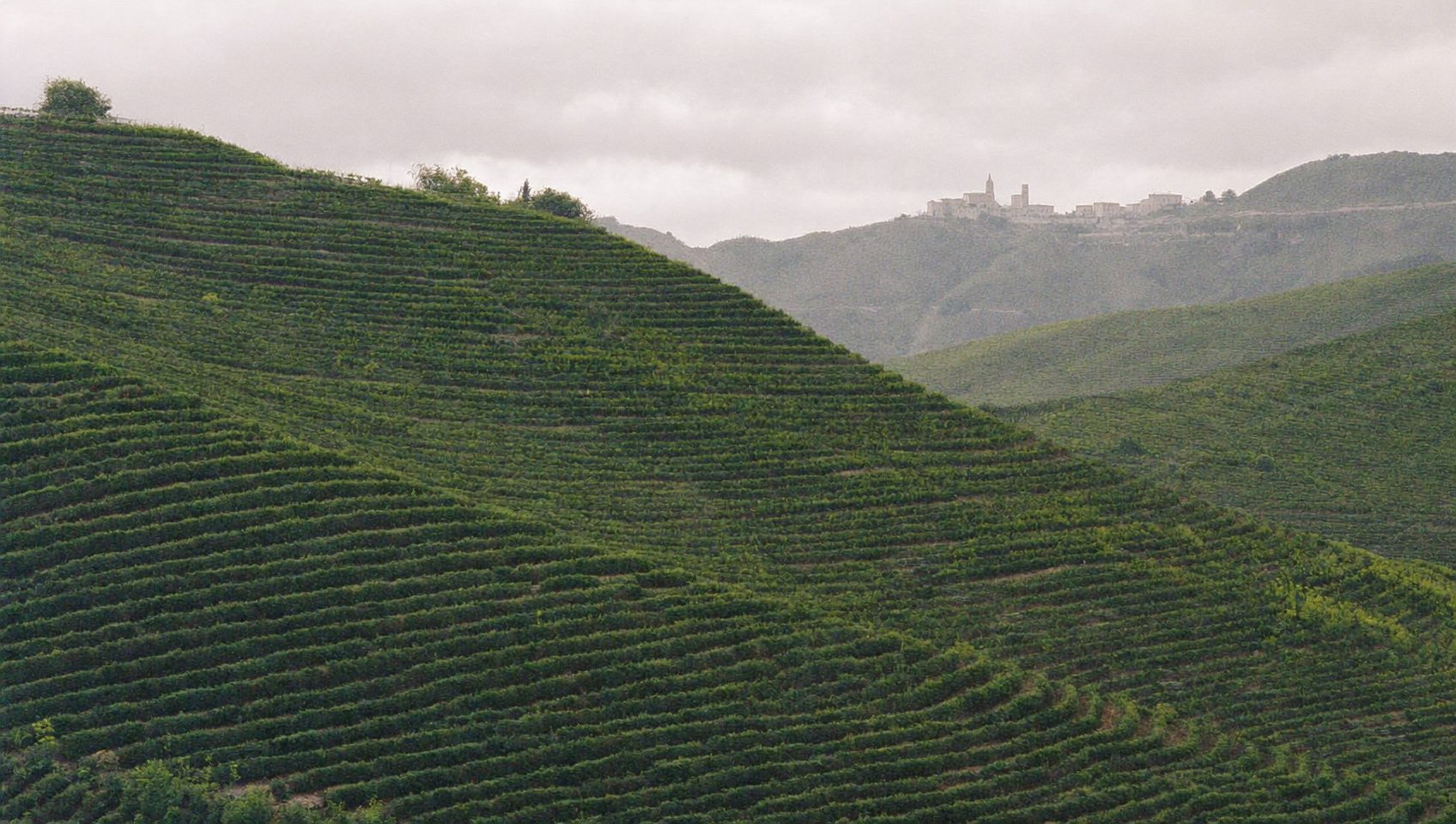
Friuli passito is a wine made from grapes left to dry before pressing. In Friuli Venezia Giulia the name mainly covers Ramandolo, Picolit and the passito versions of Verduzzo. For a foreign importer, the choice matters more than the name: each designation has its own area, grape variety and volumes, and the documents to request from the winery also change. This article compares the three designations, explains where production costs concentrate and lists the sources to verify before you sign a contract. For the Ramandolo area, see Ramandolo: what foreign buyers should know.
Friuli passito at a glance: which wines and which areas
When an importer asks for a Friuli passito, they usually have three different wines in mind: a Ramandolo, a Picolit or a sweet Verduzzo. All of them are sweet wines, often from dried grapes, but they belong to distinct areas and traditions, and they cannot be swapped for one another on a price list. The Consorzio Friuli Colli Orientali e Ramandolo brings together the wineries of the area and presents the territory as a history documented for over two thousand years. The Consortium's website also recalls that it was the Romans who developed viticulture on the hills around Corno di Rosazzo, as in many other places in the Colli Orientali.
Volume data cannot be derived from these historical accounts. To know how much wine each designation produces every year, you need production data by type, which Federdoc collects in the V.Q.P.R.D. d'Italia based on returns supplied by some control bodies. If a winery declares a volume to you, check it against this data before building a purchasing plan.
Ramandolo DOCG: the Nimis and Tarcento area
Ramandolo is a sweet wine made only from Verduzzo friulano and tied to a specific area; the disciplinare allows the grapes to be dried, on the vine or in suitable rooms, but does not require it. The Consortium describes the hills between Nimis and Tarcento as the place where the vineyards sit on the sunny Friulian hills, and this is the first point to verify when a winery says it produces Ramandolo. The area is small compared with other Friuli designations, so a high volume calls for precise questions about where the grapes come from.
For the importer, the practical point is the delimitation. A Ramandolo must come from vineyards in that area, and the winery must prove it with its own vineyard and cellar records and with the designation documentation. Ask for the name of the control body that certifies the winery, the declared vineyard area and the number of bottles claimed per vintage. Then compare the answers with the information published by the Consortium, which brings together the wineries associated with the designation.
Picolit DOCG: a rare grape and a small production
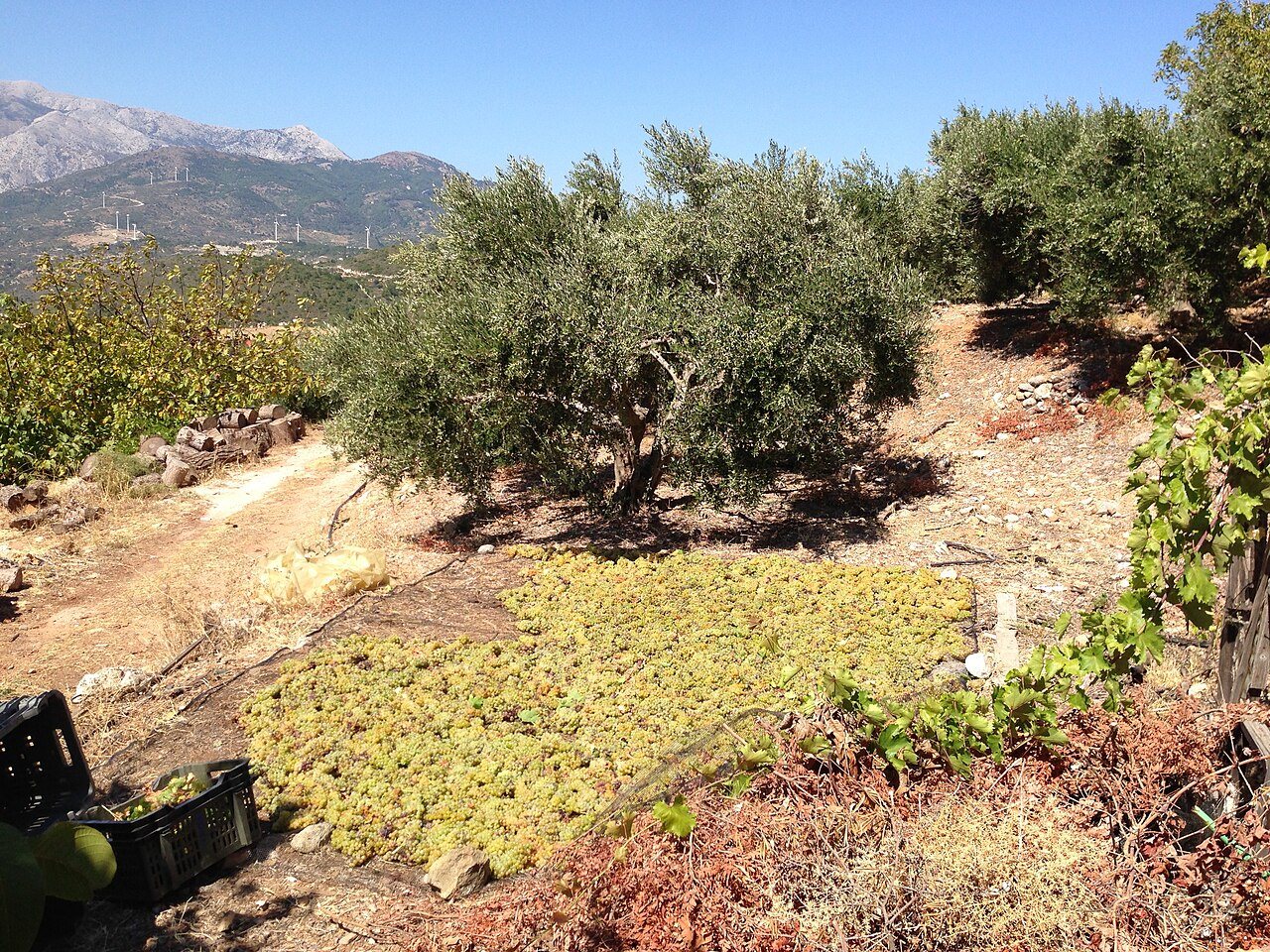
Picolit is a grape variety with limited production, so the quantity available on the market is the first thing to verify. A wine presented as Picolit can have very different volumes from one vintage to another, and a contract promising steady supply requires a clause on minimum quantities and replacement vintages. Also ask the winery for the harvest year and the registered type, because these two details determine the label you can use in your country.
The Consorzio Colli Orientali runs a Tasting Academy that offers tastings of 32 wines across the zones of the Friuli Colli Orientali DOC, its subzones and the DOCGs. For a buyer, it is a practical way to compare Picolit with the other passiti of the area before choosing, without relying only on the technical sheet. Tasting the wine directly is also useful for understanding the level of sweetness and acidity your end customer will expect.
Verduzzo and other passiti: what changes for the importer
Verduzzo is a flexible grape variety: it can produce dry, sparkling or passito wines, so the name on the label and the declared type matter more than the word "passito". When a buyer purchases a Verduzzo passito, they must ask whether the wine is under a designation, which type is registered and in which area it was produced. Details on the grape variety and the documents to request are in the export guide to Verduzzo.
The other passiti on the market, coming from other Italian regions or other countries, are not interchangeable with Friulian ones. ERSA, the regional agency for rural development, manages designations of origin and quality in cooperation with public and private bodies, precisely to allow their subsequent marketing at home and abroad. Use this principle as a filter: a wine without a verifiable origin reference should not enter your list as a Friuli passito.
Method and production costs: where the price is determined
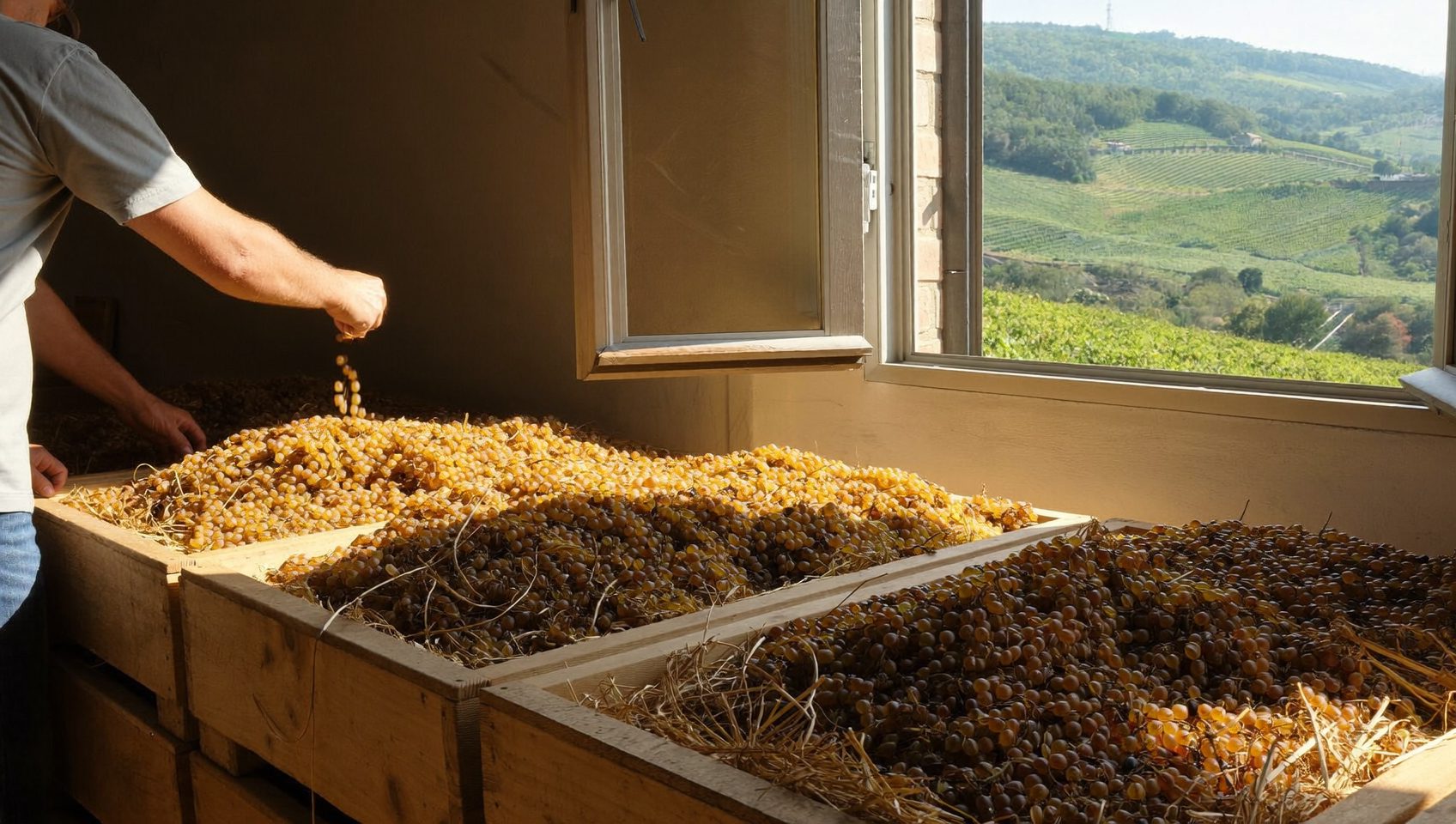
The basic method is drying: after harvest, the grapes stay to dry for a more or less long period, so they lose water and concentrate sugars and aromas. The cost rises with the drying time, with the risk of crop loss from mould and rot, with the weight loss of the bunches and with the labour needed to select them one by one. Each winery has its own timings and techniques, which is why the cost should be requested from the producer and not inferred from an average.
The phytosanitary risk in the vineyard affects the cost. With Decree No. 733/2026, ERSA redefined the delimited area in Friuli Venezia Giulia for grapevine flavescence dorée. A vineyard inside a delimited area is subject to specific phytosanitary rules, so ask the winery whether its vineyards are inside or outside the perimeter and what controls it applies. This factor affects supply continuity more than it may seem at a first comparison.
None of the sources listed below publishes a cost per litre or per bottle for Friuli passiti, so no figure is given here. When a winery gives you its cost, compare it with market prices published by the trade sources in your country, not with data from other sweet wines.
Formats, documents and channels: what to ask the winery
Before discussing price, list the documents the winery must provide. The table below shows what the buyer needs and where to check it.
| Document or data | What the buyer needs | Where to verify |
|---|---|---|
| Registered designation and type | Confirmation of label and area | Consorzio Colli Orientali and control body |
| Production data by type | Annual volume and availability | V.Q.P.R.D. d'Italia, compiled by Federdoc |
| Flavescence dorée decree | Phytosanitary rules for vineyards | ERSA, Decree No. 733/2026 |
| Regional wine fairs | Direct meetings with producers | ERSA calendar, business-to-business format |
| Guided tasting | Comparison of wines from the same area | Consorzio Colli Orientali Tasting Academy |
Passiti are often sold in smaller formats than still wine, and the format affects bottling costs and the final price. Confirm with the winery the format, the closure type and the minimum order quantity, because these details are not standard across producers. If the winery is based in the province of Udine, the guide to Udine wineries for export helps you see which producers are already used to working with foreign markets.
The most common channels for passiti are distributors specialising in dessert wines, wine shops with a selection of meditation wines and high-end restaurants. Each channel requires a different format and price, and the buyer must first decide which channel serves their market. ERSA promotes regional agri-food production through fairs and events organised in the business-to-business format, so regional fairs are a good starting point for meeting several producers in one place.
Markets looking for passito and commercial risks
Passito belongs to the category of sweet and meditation wines, and buyers usually look for a combination of concentrated aromas, balanced acidity and a verifiable wine story. The page on sweet wines, passiti and fortified wines explains the technical framework to start from before writing a specification.
Commercial risk deserves careful attention. In July 2025, Federdoc expressed strong concern about US tariffs on designated wines of origin, and an American importer must calculate the final cost of the passito including any applicable duty. The figure to include in the contract should come from the official documents in force on the date of sale, not from an estimate.
The passito market rewards those who clarify origin and type from the first contact. A specification with designation, annual volume, format, control document and sales channel can help reduce discussions about price and make it easier to compare offers from Friulian wineries.
Frequently asked questions
What is the difference between Ramandolo and Picolit for an importer?
Ramandolo is tied to the area between Nimis and Tarcento, while Picolit is a grape variety with limited production. For the buyer, the practical difference lies in volumes and origin, so ask the winery for the registered type and the declared production figure.
Where can I find production data for Friuli designated wines?
Federdoc publishes the V.Q.P.R.D. d'Italia, which contains production data for wines with designation of origin based on returns from some control bodies. For regional detail, ask the winery for the source of the figure and compare it with this document.
Is a Verduzzo passito always a designated wine?
No. Verduzzo is also produced in non-passito types and outside a specific designation. Check on the label and in the winery's documentation which type is registered and in which area it was produced.
Does the flavescence dorée decree concern passito?
It concerns vineyards, not the wine itself. ERSA redefined the delimited area in Friuli Venezia Giulia with Decree No. 733/2026, and the winery must tell you whether its vineyards are within the perimeter and what controls it applies.
Sources
- Gallo Nero Chianti Classico Mark: What Importers Should Know
- Fragolino: Meaning, Grape and Why It Is Not Wine in the EU
- Grapevine BBCH growth stages: how to identify them
- Fortified Wine Production: Added Alcohol, EU Rules, Excise
- How to make rosé wine: saignée, direct pressing, maceration
- Fiano di Avellino DOCG: rules, villages, Apianum, Riserva