Italian white grape varieties: twelve varieties, guide appellations and export markets
Wines Export Editorial · Last updated:
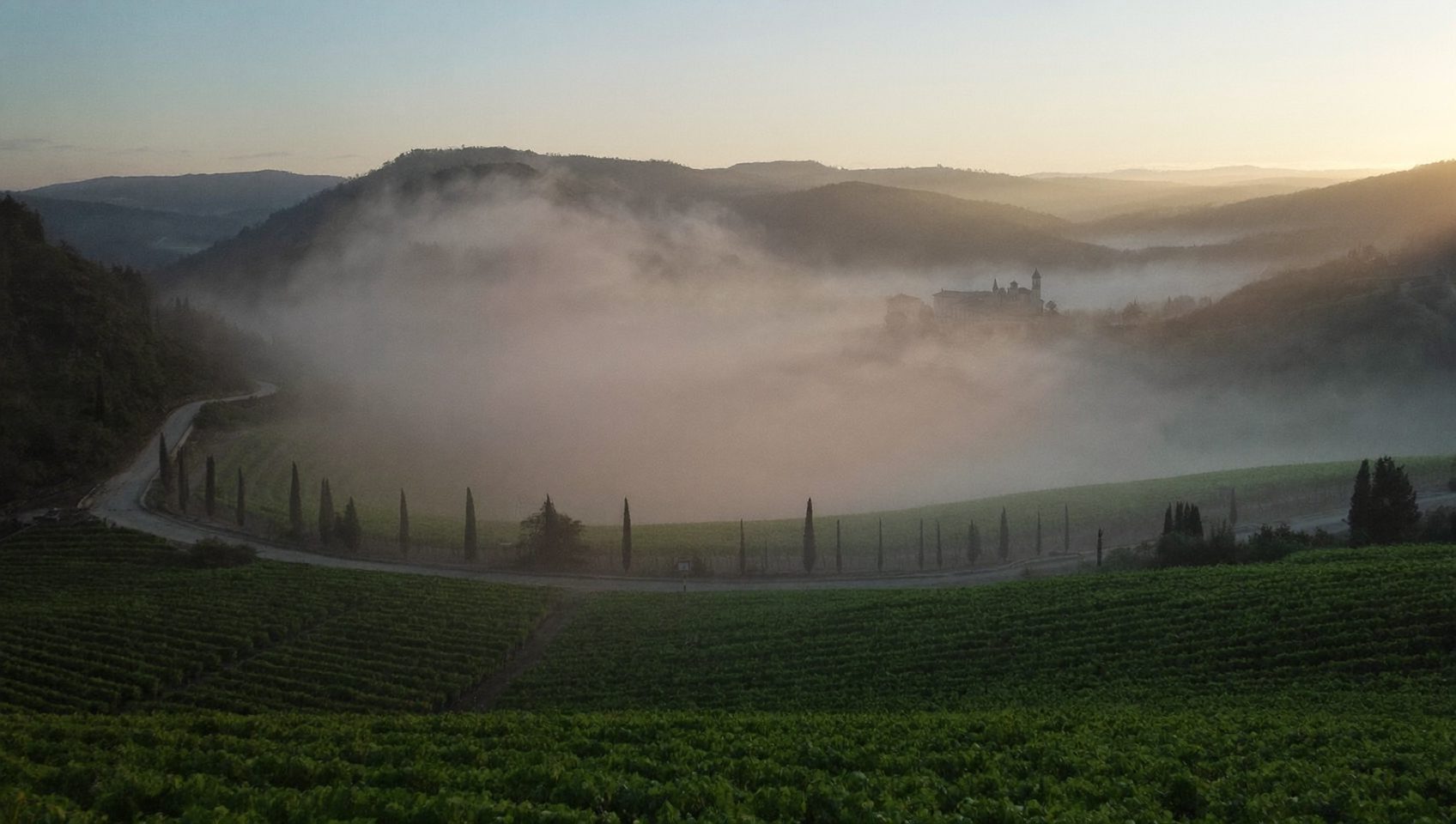
The twelve white varieties on this page each have a recognisable appellation: Glera with Prosecco, Garganega with Soave, Vermentino with Sardinia, Grillo with Sicily. This page lists them by area of origin, indicates the guide appellation for each one, and explains where to verify the price range and the target market. The list is not a ranking by export volume. For figures on trade by country, we refer you to data on Italian wine exports in 2025 from Comtrade. If your white is Pinot Grigio, the guide to exporting Pinot is the place to start.
How we built the list of twelve varieties
The starting point is the National Register of Grapevine Varieties, the catalogue kept by the Ministry of Agriculture, where varieties can be filtered by use and the entry "wine varieties only" isolates grapes used for winemaking. The page itself warns that it is a documentation tool and that official acts prevail. The register therefore confirms that a variety is admitted to wine production, but it does not show how much of it leaves Italy.
For trade flows, the reference source is ISTAT, which publishes monthly estimates on extra-EU trade and an annual yearbook on the exchange of goods. These ISTAT publications do not go down to the level of individual varieties, so the weight of each grape in exports has to be reconstructed from the customs lines for wine, not from general statistics. The OIV, the International Organisation of Vine and Wine, also offers a free statistical database and a 2017 thematic study on the global distribution of grapevine varieties.
The selection therefore favours the reputation of the appellations and the national spread of the varieties. It is not a ranking by volume. For this reason, in the sections that follow each grape is linked to the appellation that makes it recognisable on the label, and market data is indicated where it can be found.
The three whites of the North-East: Pinot Grigio, Glera, Garganega
Pinot Grigio is grown in several regions of the North, with its main reference in the Pinot Grigio delle Venezie appellation. If you propose it to an importer, check that the name of the variety appears on the label only where the appellation rules allow it, because the production specification determines which references are permitted. The page grapevine Pinot: export guide covers the typical steps.
Glera is the grape from which Prosecco is made, and the Prosecco appellation is the channel through which this variety enters foreign markets. If you sell a Glera outside the appellation, you must deal with a name that buyers immediately associate with Prosecco, and with labelling rules that differ from country to country.
Garganega is the basis of the well-known white wines of Veneto, in particular Soave. An importer familiar with Soave expects a clear appellation, with a delimited production area and a verifiable production specification. The topic is covered in Soave appellation: what a foreign buyer should know.
The whites of Central Italy and Sardinia: Trebbiano, Verdicchio, Pecorino, Vermentino
Trebbiano is one of the most widespread white grapes in Central Italy and Romagna, and it appears in appellations such as Trebbiano d'Abruzzo. On its own, the name of the variety tells the buyer little: it is always better to present it together with the appellation and the zone.
Verdicchio is linked to the Marche, with the Castelli di Jesi and Matelica appellations. Pecorino, on the other hand, is tied to the hills between Marche and Abruzzo, where the Offida appellation protects its identity. Vermentino is grown along the Ligurian coast, in Tuscany and in Sardinia, where the reference appellation is Vermentino di Gallura.
For these four varieties the practical criterion is simple: check in the production specification which appellation covers your area, and compare your choice with the offer already present in the importer's channel.
The whites of the South: Grillo, Falanghina, Fiano, Greco
Grillo is the reference variety of Sicily, and the guide to exporting Grillo explains how to present it under the Sicily appellation and with Grillo-based wines destined for the market. Grillo is also the basis of some fortified wines of Marsala, a category with its own labelling rules.
Falanghina is grown in Campania, under the Sannio and Campi Flegrei appellations. Fiano and Greco have their own appellations in Irpinia: Fiano di Avellino and Greco di Tufo. An importer recognises them more easily when the appellation is already present in their catalogue.
Friulano: the regional white of the North
Friulano is the historic variety of Friuli, with the Friuli Colli Orientali appellation and Collio as its most widely known zones. It is a variety to propose to buyers who already handle the reds of its territory and are looking for a white with regional character.
Table: guide appellation for each variety
| Variety | Main area of origin | Guide appellation | Where to check price and market |
|---|---|---|---|
| Pinot Grigio | North-East | Pinot Grigio delle Venezie | Customs data by wine line, Pinot guide |
| Glera | Veneto and Friuli-Venezia Giulia | Prosecco | Price ranges by type |
| Garganega | Veneto | Soave | Soave guide for foreign buyers |
| Trebbiano | Centre and Romagna | Trebbiano d'Abruzzo | Customs data by wine line |
| Verdicchio | Marche | Castelli di Jesi | Customs data by wine line |
| Pecorino | Abruzzo and Marche | Offida | Price ranges by type |
| Vermentino | Liguria, Tuscany, Sardinia | Vermentino di Gallura | Price ranges by type |
| Grillo | Sicily | Sicilia | Grillo export guide |
| Falanghina | Campania | Sannio | Customs data by wine line |
| Fiano | Campania | Fiano di Avellino | Price ranges by type |
| Greco | Campania | Greco di Tufo | Price ranges by type |
| Friulano | Friuli-Venezia Giulia | Friuli Colli Orientali | Customs data by wine line |
For each variety: price range and main market
The official sources listed at the end do not publish price ranges by variety, so no amounts are stated here. The price range depends on the type, the appellation and the channel, and the page price ranges for Italian wine exports by type compares these factors.
The main market for a variety is derived from trade data by customs line, country by country. The OIV publishes a free database that allows you to compare production and international trade, while for detail by country you need the import statistics of the destination country. Before choosing a market, compare at least two sources, because export data from Italy and import data in the arrival country do not always match.

How to choose the white to propose to an importer
An importer evaluates a white on four points: a recognisable appellation, the availability of volume over time, the price range accepted by their channel, and the consistency of the label with the rules of the country. The variety comes after: the buyer first buys an appellation and a price, then a grape.
For this reason we recommend presenting the white with the appellation in the first line, the variety in the second, the production zone and the annual volume available. If the winery has several whites, it is better to propose a range of two or three wines at different price points, rather than a single product. The choice of variety should be made on the market where the wine is to be sold, not on the reputation of the name.
Frequently asked questions
Which Italian white grape varieties are most exported?
The official sources listed at the end do not publish export volumes for individual varieties, so the list is not a ranking by volume. Data by variety requires trade statistics by customs line, while the selection here is based on the reputation of the appellations.
Can a variety listed in the national register be exported as a varietal wine?
Listing in the register indicates that the variety is admitted for wine production, but the use of the grape name on the label depends on the production specification of the appellation. Before exporting, check in the specification whether the grape name is permitted for the wine you intend to sell.
Where can I find the national register of grapevine varieties?
The register is published by the Ministry of Agriculture on the website of the national catalogue of grapevine varieties, with filters by use, including "wine varieties only". The page reminds users that official acts prevail.
What is the international database for wine data?
The OIV offers a statistical database on the wine sector, with free and unrestricted access, and publishes annual reports on production, consumption and trade. For trade by country you also need the import statistics of the destination country.
Sources
- Lambrusco Export Price: Ex-Cellar Tiers by Market
- Italian native red grapes for export: twelve varieties
- Exporting Natural Wines and Cured Meats: A Winery Guide
- Is Exporting Wine Worth It? When a Winery Is Ready
- Exporting Italian Wine: A B2B Winery Guide
- Franciacorta export: ex-cellar bands and importer margins