UK wine duty calculated on ABV: the bands, the end of the 2025 easement and the effect on Italian wines between 11.5% and 14.5%
Wines Export Editorial · Last updated:
In the United Kingdom, duty on wine is no longer paid per bottle but per litre of pure alcohol: from 1 February 2026 the rate for all wines between 8.5% and 22% ABV is 30.62 pounds per litre of alcohol, and the duty on a 75 cl bottle is found by multiplying 0.75 by the declared strength and by the rate. Until 31 January 2025 a temporary easement taxed every wine between 11.5% and 14.5% as if it were 12.5%: that window is closed, and today a red at 14.5% pays about 3.32 pounds of duty against 2.64 pounds for a white at 11.5%. For anyone importing Italian wine into the UK, this means the strength on the label has become a line in the price list, and the exact ABV of each wine is something to ask the Italian winery for before comparing prices. Below you will find the bands, the calculation by strength, the tolerance allowed on the label and who pays the tax.
How has UK alcohol duty worked since 1 August 2023?
The United Kingdom rewrote its alcohol duty system with the Finance (No. 2) Act 2023, in force from 1 August 2023. Before that date still wine between 5.5% and 15% ABV paid a fixed amount per hectolitre of product, whatever its strength: the last rate, in force from 1 February 2019, was 297.57 pounds per hectolitre, that is 2.23 pounds per 75 cl bottle. Since 2023 the base is the litre of pure alcohol contained in the product, and the rate changes by strength band.
The bands in force today for wine and sparkling wine, according to the official HMRC page updated on 1 February 2026, are four above zero:
| ABV band | Rate from 1 Feb 2026 | Rate 1 Feb 2025 – 31 Jan 2026 | Rate 1 Aug 2023 – 31 Jan 2025 |
|---|---|---|---|
| 1.3 to 3.4% vol | £ 9.96 per litre of alcohol | — | — |
| 3.5 to 8.4% vol | £ 26.61 per litre of alcohol | — | — |
| 8.5 to 22% vol | £ 30.62 per litre of alcohol | £ 29.54 | £ 28.50 |
| over 22% vol | £ 33.99 per litre of alcohol | — | — |
Source: HMRC, Alcohol Duty rates (update of 1 February 2026) and Alcohol Bulletin, historic duty rates, for the 8.5-22% band.
Still and sparkling wine share the same table: sparkling wine no longer pays a rate of its own, as it did before 2023. Almost all Italian wines fall in the 8.5-22% band, where from 2023 to today the rate has risen twice in line with the retail price index (RPI): by 3.65% in February 2025 and by 3.66% in February 2026, according to HM Treasury and HMRC documents.
The calculation for each shipment is the one set out by HMRC: litres of product multiplied by strength multiplied by rate, with the result rounded down to the nearest penny. Alcohol is counted on the strength declared on the label, rounded down to one decimal place, as section 11 of the technical guide on alcoholic products explains.
How much does a 75 cl bottle pay, strength by strength?
The table below applies the HMRC formula to a 75 cl bottle. It is our own calculation on the official rates, not an HMRC table: the exact figure must be recalculated on the strength actually declared.
| Strength on label | Litres of pure alcohol per bottle | Duty from 1 Feb 2026 (£ 30.62/l) | Duty Feb 2025 – Jan 2026 (£ 29.54/l) | Duty under the easement (until 31 Jan 2025) |
|---|---|---|---|---|
| 11.0% | 0.0825 | £ 2.52 | £ 2.43 | £ 2.35 (band not covered: paid on actual strength) |
| 11.5% | 0.08625 | £ 2.64 | £ 2.54 | £ 2.67 |
| 12.0% | 0.0900 | £ 2.75 | £ 2.65 | £ 2.67 |
| 12.5% | 0.09375 | £ 2.87 | £ 2.76 | £ 2.67 |
| 13.0% | 0.0975 | £ 2.98 | £ 2.88 | £ 2.67 |
| 13.5% | 0.10125 | £ 3.10 | £ 2.99 | £ 2.67 |
| 14.0% | 0.1050 | £ 3.21 | £ 3.10 | £ 2.67 |
| 14.5% | 0.10875 | £ 3.32 | £ 3.21 | £ 2.67 |
| 15.0% | 0.1125 | £ 3.44 | £ 3.32 | £ 3.20 (band not covered) |
Source of the calculation: HMRC rates (30.62, 29.54 and 28.50 pounds per litre of alcohol); rule of presumed 12.5% strength in section 115 of the Finance (No. 2) Act 2023.
Two things stand out. The first: between 11.5% and 14.5%, where most still wines sit, the difference in duty today is 68 pence per bottle, whereas until January 2025 it was zero. The second: duty is only the first item. On top comes UK VAT at 20%, also calculated on the duty, and then the margins of importer, wholesaler and retailer. How a price is built backwards from the shelf is explained in the guide to export wine pricing, market by market.
What ended on 1 February 2025?
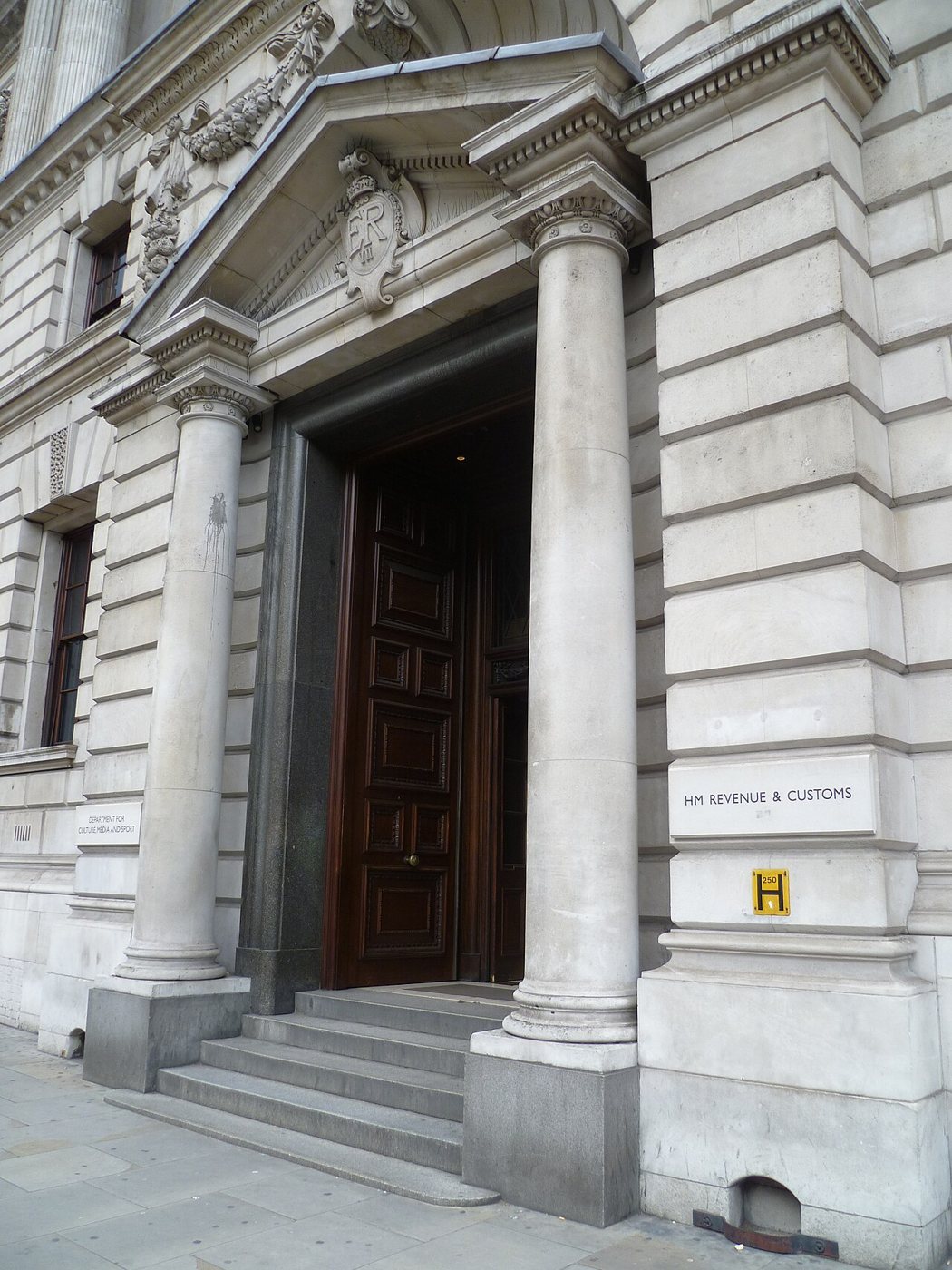
Section 115 of the Finance (No. 2) Act 2023 provided that wine with an alcoholic strength of at least 11.5% and not more than 14.5% was treated, for duty purposes, as if it had a strength of 12.5%, and that the provision would expire 18 months after the new rates came into force. Eighteen months from 1 August 2023 leads to 31 January 2025. HMRC confirmed this in the tax policy document of 30 October 2024, which ends the current temporary easement on wine, as planned, with effect from 1 February 2025.
The easement was designed to give producers and importers time to adapt their systems: with a single presumed strength, the most widely sold wine in the UK paid one figure, 2.67 pounds per bottle at the 2023 rate. Since February 2025 every tenth of a degree counts. The Wine and Spirit Trade Association, which represents importers, calculated that since the new system started in August 2023 the tax on a bottle of red at 14.5% has risen by 1.50 pounds, or 56%.
The calendar does not stop there. On 28 October 2026 the same association reported that the Treasury has confirmed a further increase of 4.55%, in line with inflation, from 1 February 2027: 18 pence more on a red at 14.5%, 14 pence on a Prosecco. Anyone building price lists for the UK has to expect an adjustment every February.
Who loses out: southern reds or light whites?
Looking at the table, the answer is in the decimals. A Primitivo or a Nero d'Avola at 14.5% pays 3.32 pounds, a Vermentino or a Pinot Grigio at 12% pays 2.75: a difference of 57 pence on every bottle, before VAT and mark-ups. A Prosecco at 11% pays 2.52 pounds, less than any still wine at normal strength, because the table no longer distinguishes still from sparkling.
For a southern red sold on the shelf in the low price tier, where the importer thinks in pence, 65 pence more duty than in January 2025 can push the product out of the supermarket's target price. For a wine sold to wine shops or restaurants, with a higher final price, the impact is smaller. It is worth reasoning by range, not by winery: the light wines on an Italian list have become relatively more competitive in the UK, the structured ones less so. Which importers work in which price tier is covered in the article on wine importers in the United Kingdom and their channels.
A note for those who handle wine in keg or in formats for on-trade: HMRC applies a reduced rate to draught products between 3.5% and 8.4% ABV (19.45 pounds per litre of alcohol), but still wine above 8.5% does not benefit from it.
Which ABV is declared: label, rounding and tolerance?
HMRC uses, in most cases, the strength written on the label; if it is missing, the one on the container's documents; if those are missing as well, the actual strength method. Strength is rounded down to one decimal place: 13.59% becomes 13.5%. The same guide, however, requires the label to respect the tolerances laid down by the labelling rules of each product category, and for wine it refers to Article 44 of Regulation (EU) 2019/33, retained in British law.
That article provides that the alcoholic strength on the label may not differ by more than 0.5% vol from the figure resulting from analysis; the tolerance rises to 0.8% vol for wines aged in bottle for more than three years, sparkling and semi-sparkling wines, liqueur wines and wines from overripe grapes. For products sold in England, Scotland and Wales the British version allows the strength to be shown with one decimal place, rather than the units or half-units required in the EU.
The delicate point is the other one: if analyses show that the wine regularly exceeds the declared strength, HMRC expects the producer to bring the product back under control or change the value on the label; otherwise it can issue an assessment for the additional duty, calculated on the actual strength. Declaring 13.5 on a wine that sits at 13.9 is within labelling tolerance, but if every batch is above the declared figure, the difference is no longer a tolerance: it is unpaid duty. The label requirements for the British market, including the UK importer's address, are in the Italian reference sheet on the United Kingdom after Brexit.
Who pays the duty, and how: importer, warehouse, deferment?
British duty arises when the wine arrives in the United Kingdom. HMRC puts it this way: if you import alcoholic products, they become liable to UK Excise Duty when they arrive in the UK. The tax is not paid immediately only if the goods enter an approved excise warehouse, or a customs warehouse linked to an excise approval, under suspension. The warehouse operator, the authorised warehousekeeper, keeps the wine under suspension and pays when it is withdrawn for sale; anyone importing by this route has to be approved as a registered owner, with an explicit exception for those who import only wine.
For the importer the consequence is the same as described for other markets in the article on who pays excise and VAT along the chain, from EXW to DDP: with an EXW, FCA or DAP sale the duty is advanced by the British importer, through its warehouse or its forwarder, and the Italian winery's price excludes it. Under DDP the winery would advance it, and to do so it would need an approved party in the United Kingdom: for a mid-sized winery this is a complication that almost never pays off.
Since 1 February 2025 the importer's warehouse settles the duty line by line, on the strength of each product. This explains why the British buyer asks for the exact strength already at the technical sheet stage, and why a price list for the UK works better if it shows, for each wine, the declared alcoholic strength next to the EXW price. How to set up an export price list with different currencies and delivery terms is explained in the guide to the export price list, from EXW to FOB; how to select the right partner is in how to choose an importer in the United Kingdom.
HMRC estimates that the February 2026 rate update has a negligible administrative impact on up to 8,000 businesses: these are the British importers, warehouses and wholesalers who do these calculations every day. From Italy, the winery's job is to give them reliable data.
Frequently asked questions
How much UK duty does a wine at 13.5% ABV pay?
With the rate in force from 1 February 2026, 30.62 pounds per litre of pure alcohol, a 75 cl bottle at 13.5% contains 0.10125 litres of alcohol and pays 3.10 pounds of duty. VAT at 20% is added on top, also calculated on the duty. Until 31 January 2025 the same wine paid 2.67 pounds, because it was taxed as if it were at 12.5%.
Is it worth lowering the strength on the label to pay less?
Only within the tolerance of Regulation 2019/33, that is 0.5% vol from the analysis (0.8 for sparkling wines and wines aged more than three years in bottle). Systematically declaring less than the analyses show exposes the importer to an HMRC assessment on the actual strength. If a wine straddles a decimal, the correct choice is to analyse the batch and declare the real value, rounded down.
Does sparkling wine pay a different duty from still wine?
No. Since 1 August 2023 still and sparkling wine follow the same table per litre of pure alcohol: a Prosecco at 11% pays 2.52 pounds per bottle, less than a red at 13%. The previous regime, with a rate of its own for sparkling wine, no longer exists.
Who actually pays UK duty on imported Italian wine?
The importer, through the approved excise warehouse that receives the wine under suspension and pays when it is withdrawn for sale, or on arrival if no warehouse is used. With EXW, FCA or DAP terms the Italian invoice does not include the duty; the winery would include it only if selling DDP, which requires an approved party in the United Kingdom.
Do the rates still change?
Yes, every February. They rose by 3.65% in February 2025 and by 3.66% in February 2026, and the WSTA reported the Treasury's confirmation of a 4.55% increase from 1 February 2027. In price lists for the UK it is advisable to include an adjustment clause linked to the duty.
Sources
- HM Revenue and Customs, Alcohol Duty rates (updated 1 February 2026): https://www.gov.uk/guidance/alcohol-duty-rates
- HM Revenue and Customs, Alcohol Bulletin, historic Alcohol Duty rates: https://www.gov.uk/government/statistics/alcohol-bulletin/alcohol-bulletin-historic-duty-rates
- Finance (No. 2) Act 2023, section 115, Temporary provision: wine (legislation.gov.uk): https://www.legislation.gov.uk/ukpga/2023/30/section/115/enacted
- HM Treasury and HMRC, Alcohol Duty uprating, in force from 1 February 2026: https://www.gov.uk/government/publications/alcohol-duty-rates-change/alcohol-duty-uprating
- HMRC, Alcoholic products technical guide, section 11, Alcoholic strength: https://www.gov.uk/guidance/alcoholic-products-technical-guide/section-11-alcoholic-strength
- Delegated Regulation (EU) 2019/33, Article 44, version retained in the United Kingdom (legislation.gov.uk): https://www.legislation.gov.uk/eur/2019/33/article/44
- HMRC, Import alcohol into the UK: https://www.gov.uk/guidance/import-alcohol-into-the-uk
- Wine and Spirit Trade Association, press release of 28 October 2026 on the duty increase from 1 February 2027: https://wsta.co.uk/press-release/wine-and-spirit-sector-suffocated-by-yet-another-tax-raid/
- Vegan wine certification and fining agents explained
- Export Sales Terms for Wine: Essential Clauses
- Which wine marketplaces accept third-party sellers
- Shipping Wine to Switzerland: Duties and VAT for Buyers
- Wine consortia explained: erga omnes, neck strips and export
- Shipping Wine to Romania: Excise, e-AD and Couriers