Natural wine importers and distributors abroad: a separate circuit, how it works and how to get in
Wines Export Editorial · Last updated:
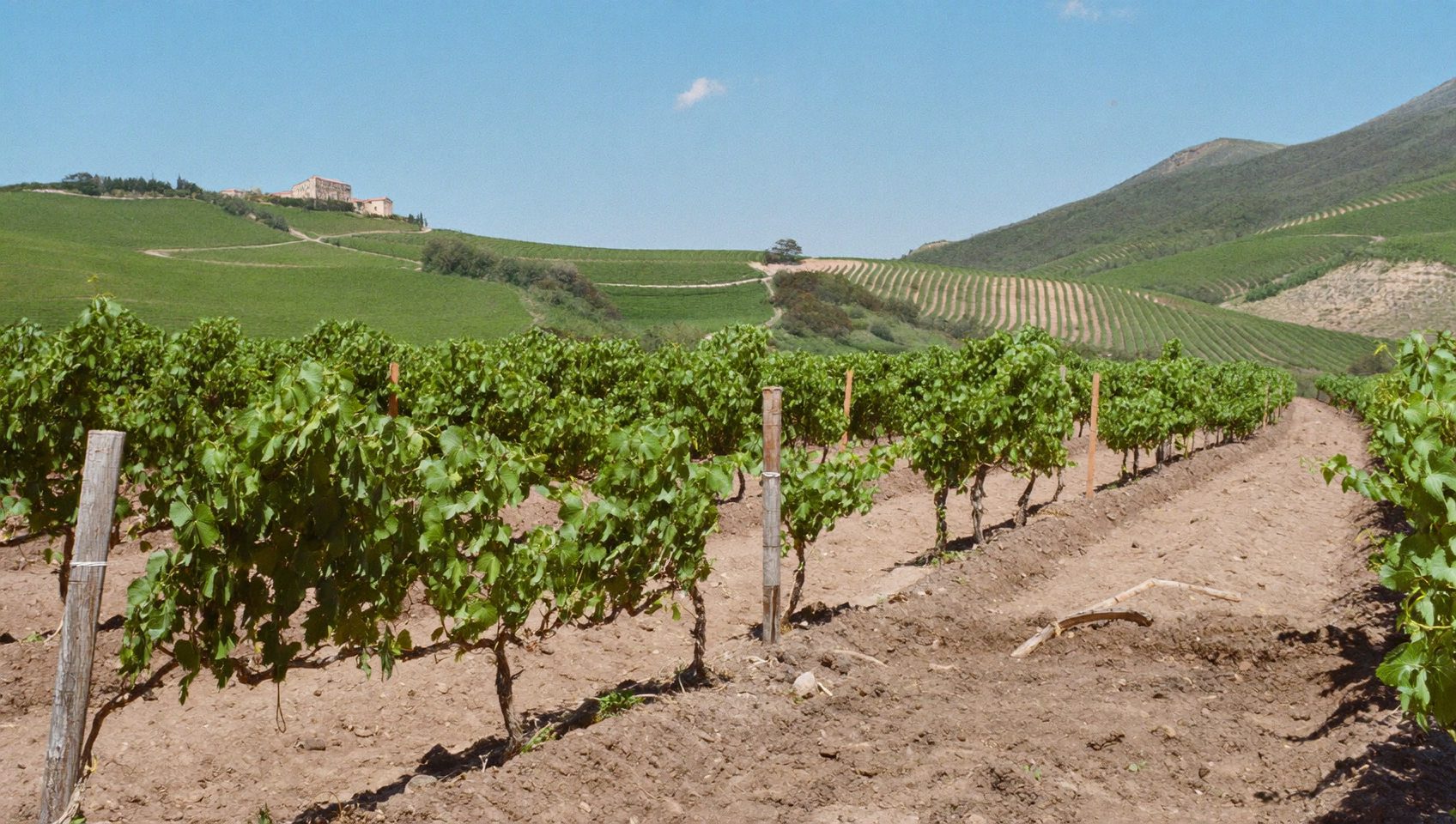
Natural wine importers abroad operate in a commercial network separate from classic wine distribution. They are not looking for industrial volumes or organoleptic standardisation, but for wines obtained from organic or biodynamic farming, fermented with indigenous yeasts and bottled without invasive fining or sterile filtration. For an Italian winery that produces according to these criteria, offering its wines to general distributors often leads nowhere, while approaching specialised buyers makes it possible to enter wine bars, contemporary bistros and independent wine shops in the main world capitals.
What the natural wine circuit is and where it is strong
The international natural wine market has developed around a community of winegrowers, restaurateurs, sommeliers and independent distributors who share an agricultural and artisanal approach to production. Unlike the conventional segment, where positioning often depends on traditional critics' scores or on the promotional power of large consortia, in this circuit reputation is built through production transparency, word of mouth among trade professionals and presence on the wine lists of search-driven venues.
The most receptive foreign markets are concentrated in metropolitan areas where informal but author-driven dining has replaced formal service with dynamic food offerings, often linked to seasonality and craft fermentations:
- Northern and Western Europe: capitals such as Copenhagen, Stockholm, Oslo, London, Paris, Berlin and Amsterdam host a very high density of wine bars dedicated exclusively to artisanal wines, as well as importers who supply directly the fine dining restaurants of Nordic and European gastronomy.
- North America: in the United States the main hubs are New York, Los Angeles, San Francisco, Chicago and Portland; in Canada the reference market is Québec, with Montréal at the top, where state monopolies sit alongside standard purchases with private imports managed by specialised agencies.
- Asia and Oceania: Japan (in particular Tokyo, Kyoto and Osaka) has historically been one of the most mature and loyal markets for European artisanal winegrowers, joined in recent years by South Korea (Seoul), Hong Kong, Singapore and the major Australian cities.
In these contexts Italian wine enjoys a strong competitive advantage thanks to the variety of indigenous grape varieties and the diversity of its soils and climates. Alongside territorial reds and sparkling wines re-fermented in bottle, foreign importers actively look for white wines macerated on the skins: to learn more about positioning this style, you can read the analysis dedicated to how to present orange wines on international markets.
Small and specialised importers: how they work
Those who buy natural wine abroad are rarely distribution multinationals with catalogues of thousands of references. In most cases they are lean companies, founded by former sommeliers, restaurateurs or industry professionals who personally select every single winery. Their portfolio includes a few dozen winegrowers, chosen for stylistic and territorial coherence, so as to avoid internal overlaps while offering their clients a curated selection.
The operational structure of these importers has precise characteristics that you should know before starting any negotiation:
| Feature | Classic wine importer | Natural wine specialised importer |
|---|---|---|
| Catalogue composition | Broad, divided by traditional regions and price bands, oriented to well-known appellations | Selective, based on the winegrower's identity, indigenous grape varieties and winemaking methods |
| Sales channels served | Mass retail, regional wholesalers, traditional restaurants, hotel chains | Independent wine bars, contemporary bistros, gastronomic restaurants, niche wine shops |
| Selection method | Samples at the office, general fairs, purchase tenders and guide scores | Visits to the vineyard, dedicated trade fairs, direct tastings with the producer |
| Logistics and storage | Standard warehouses, high-turnover handling | Temperature-controlled transport and storage to preserve wines with low sulphur |
| Relationship with the winery | Contractual, mediated by buyers or purchasing departments | Direct with the winegrower, based on reciprocal visits and joint events on the market |
Since many of these wines do not undergo sterile filtration and contain minimal or no added sulphur dioxide, specialised importers invest heavily in the cold chain. They ship in refrigerated containers (reefers) for transoceanic routes and use climate-controlled warehouses, preventing temperature swings from compromising the microbiological stability of the bottles before they reach the consumer's table.
Moreover, the boundary between an importer of exclusively certified wines and a distributor of artisanal wines can vary from country to country: if your company focuses mainly on official certifications for structured channels, you can compare these dynamics with those described in the guide on organic wine importers abroad and their purchasing criteria.
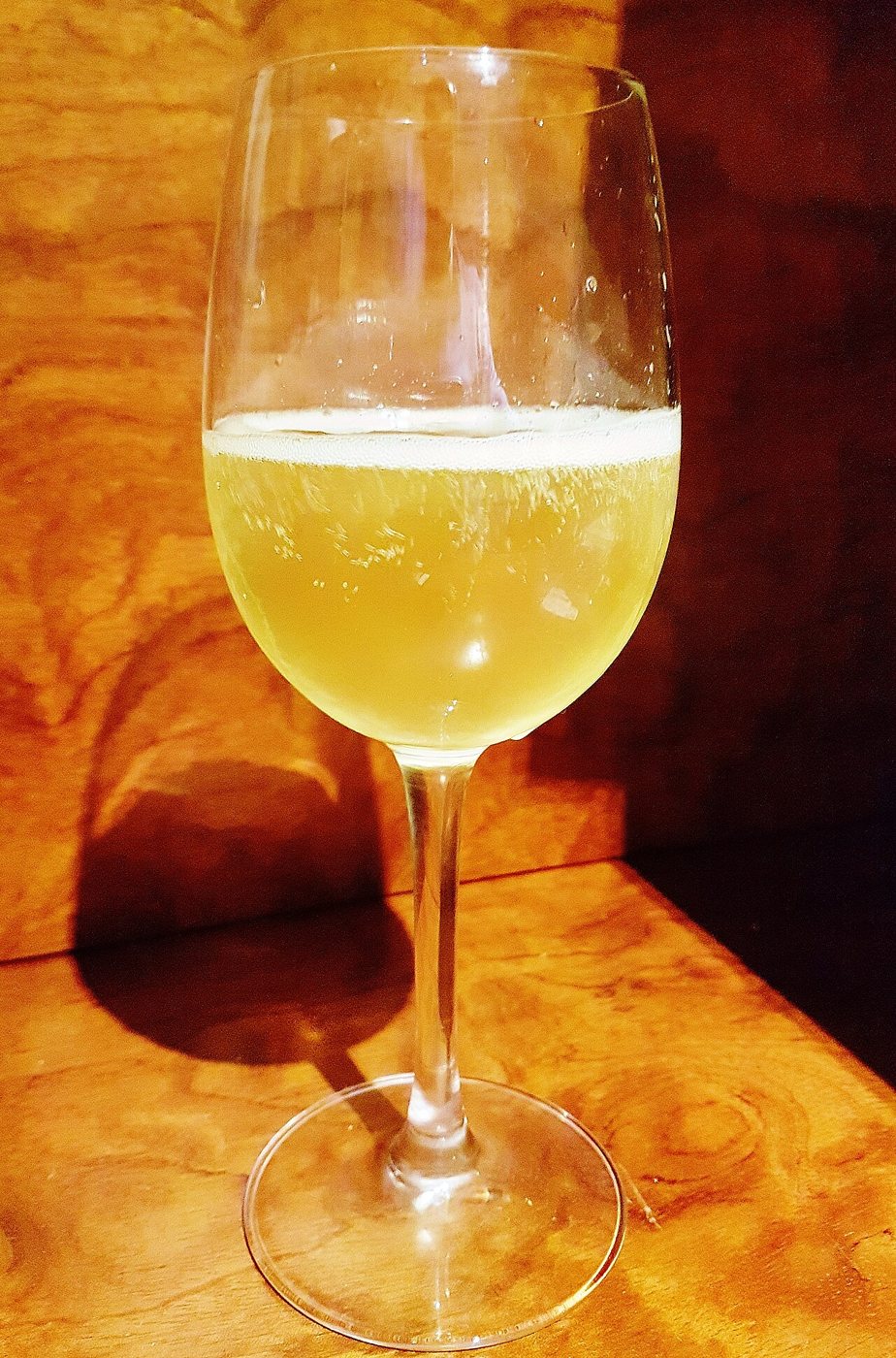
Natural wine trade fairs
Importers in this segment rarely spend their days in the institutional halls of the large general fairs, or they go there only for pre-arranged appointments. The real scouting work takes place in independent salons dedicated to artisanal, natural and biodynamic wine, which often run on the same dates and in the same cities as major international events (creating real "off" circuits) or in places historically linked to the winegrowers' movements.
In Italy, one of the historical reference points is VinNatur, the Associazione Viticoltori Naturali, which brings together 300 producers from 12 different countries (VinNatur). The association's main event, VinNatur Tasting in Gambellara (held from 11 to 13 April 2026 at the Margraf show-room with 180 producers from Italy and Europe), includes a tasting room for press and trade professionals and a networking area dedicated to buyers (VinNatur). Alongside the spring appointment in Veneto, the association's calendar includes city stops designed to encourage meetings with the public and HoReCa operators, such as VinNatur Genova at the Magazzini del Cotone and VinNatur Milano, scheduled at the Tempio del Futuro Perduto on 18 October and 8 November 2026 with 60 winegrowers (VinNatur).
At the international level, the importers' calendar revolves around some key events:
- RAW WINE: a circuit designed to connect producers of natural, organic and biodynamic low-intervention wine with international buyers, with annual stops in strategic cities such as London, New York, Los Angeles, Montréal, Berlin, Tokyo, Copenhagen and Paris.
- Salons in Angers and the Loire (France): in early February, the city of Angers and neighbouring municipalities host a concentration of events (such as La Dive Bouteille and Les Pénitentes) that attract importers from around the world, followed in spring and summer by similar showcases in the south of France and in other European regions.
- Vini di Vignaioli and Italian independent circuits: events such as Vini di Vignaioli, Vinnatur, Sorgente del Vino, Live Wine or the side fairs held in the Verona area during the spring wine days are fixed stops for foreign distributors who come to Italy to select new wineries.
Taking part in these fairs requires compliance with specific admission rules: many organisers ask you to send in advance the chemical analyses of the wines (in particular the total sulphur dioxide value) and a statement on the work carried out in the vineyard and in the cellar.
What they ask about: sulphur, yeasts, certifications
At the European regulatory level there is no single legal definition of "natural wine" valid for all Member States, while the permitted winemaking practices and maximum limits for conventional winemaking are governed by Commission Delegated Regulation (EU) 2019/934. As a result, it is the specifications of individual producer associations, the organisers of the fairs and the terms of the importers themselves that set the technical rules for market access.
When a foreign importer evaluates your wines, it checks four fundamental aspects:
- Vineyard management: the essential basis is farming free of herbicides, pesticides and synthetic chemical fertilisers. Many buyers require official organic or biodynamic certification, while others also accept small uncertified estates (often for reasons of bureaucratic costs on small surfaces), provided the winegrower transparently demonstrates how the land is managed and accepts field visits.
- Spontaneous fermentation: musts must ferment exclusively thanks to the indigenous yeasts present on the grape skins and in the cellar environment, without the addition of selected yeasts, chemical fermentation activators, enzymes or selected bacteria for malolactic fermentation. The technical aspects of maceration and winemaking vessels also matter greatly: those who work with long skin contact or terracotta containers can learn more about the technical details in the entry on orange wine maceration and the use of amphora.
- Cellar interventions and sulphur dioxide (SO2): invasive corrections of the must (such as reverse osmosis, concentration, acidification or chemical deacidification) are not allowed, nor are fining agents of animal or synthetic origin, nor sterile filtrations. The only additive tolerated, in very low doses, is potassium metabisulphite (or pure sulphur dioxide). Buyers request laboratory analysis certificates to verify the level of total SO2 before confirming the order.
- Organoleptic cleanliness and absence of defects: in past years part of the foreign market tolerated marked olfactory deviations (excessive volatile acidity, acetic notes, heavy reductive notes, animal aromas from Brettanomyces or mousy taint), mistaking them for identity traits. Today the market is mature and buyers reject unstable bottles. Angiolino Maule, president of VinNatur, in the press release of 8 April 2026 titled "Il vino naturale dev'essere senza difetti" ("Natural wine must be free of defects"), addressed members directly, reminding them that craftsmanship and terroir are essential, but expressly asking producers not to bring defective wines to the fairs (VinNatur).
If your wines show recurring instability, the commercial risk for the importer becomes unsustainable: a batch that re-ferments abnormally after sea transport or develops deviations in bottle translates into returns from restaurateurs and the loss of the customer.
Typical prices and volumes
If your winery produces between 500,000 and 2 million bottles a year, you may be wondering how to bring your wines into a circuit used to dealing with micro agricultural businesses. Many structured companies choose to dedicate a specific estate, a plot under organic or biodynamic management, or a dedicated line ("parcel project" or "artisanal line") precisely to this channel, while keeping separate traceability in the cellar.
Volume and price dynamics follow different logics compared with mass retail or conventional import:
- Split and mixed orders: the first order from a natural wine importer rarely consists of a full container of a single reference. Usually one or two mixed pallets start the relationship, made up of several labels from the winery (for example a sparkling wine re-fermented in bottle, a skin-macerated white, a rosé and two territorial reds), in order to test rotation at the restaurants and wine bars that are their clients.
- Allocations on limited-release wines: when a single vineyard or an amphora vinification produces only a few thousand bottles, importers agree to work by allocation, buying a few dozen cases together with larger volumes of the winery's entry-level wines.
- Ex Works pricing: those buying for the wine bar and bistro channel look for two distinct price bands. On one side they need "by-the-glass" wines, light, fresh, often in litre formats or with crown caps for sparkling wines, which must have a competitive ex-works price so that the foreign venue can sell them by the glass at the right margin. On the other side there are contemplation wines, older vintages or parcel selections destined for the wine lists of gastronomic restaurants, where the importer accepts higher ex-works price lists in exchange for a documented agricultural history.
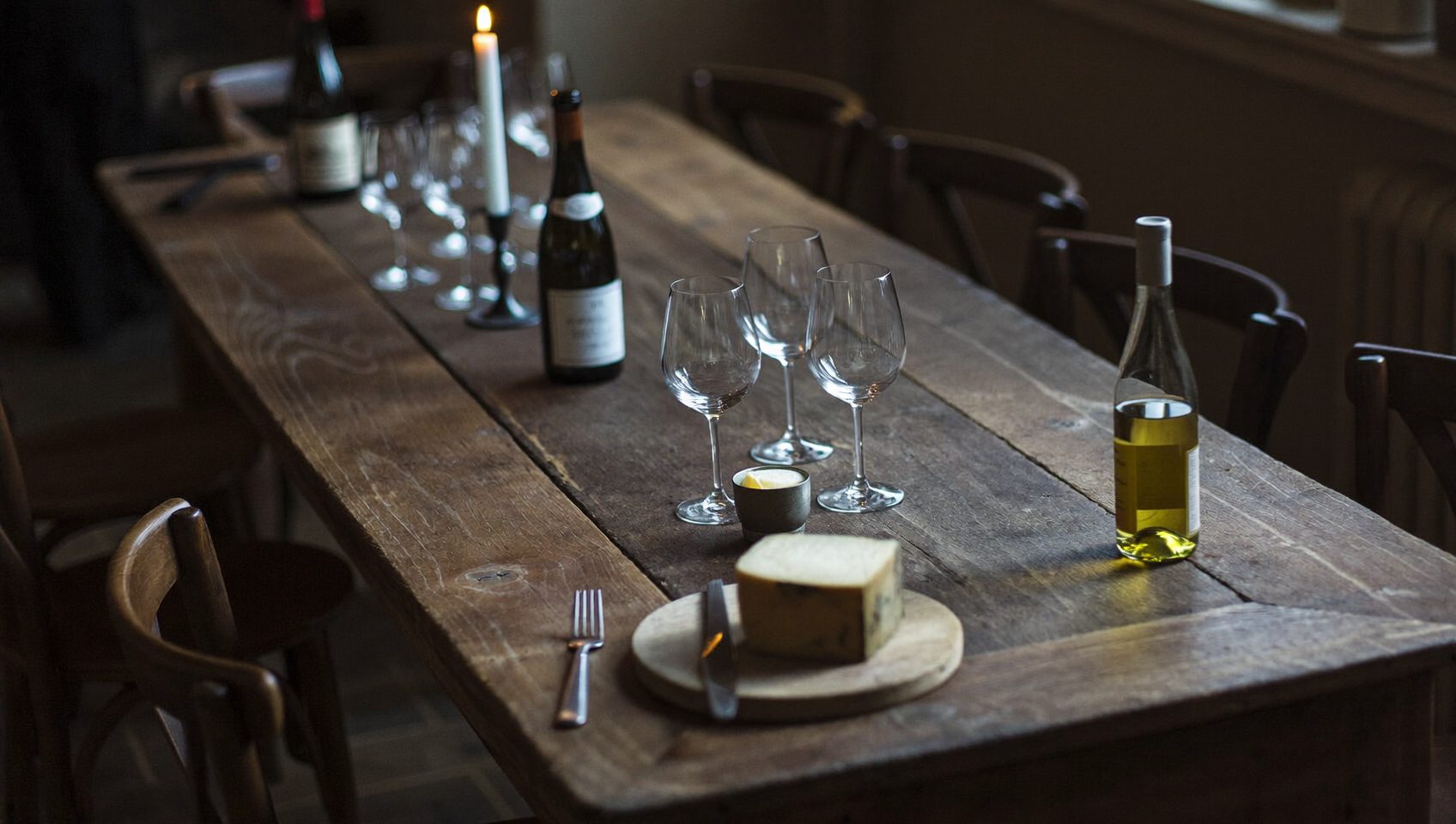
Food pairing also plays an important commercial role in foreign bistros, which often offer cured meat and artisanal cheese boards without preservatives alongside their by-the-glass service: to understand how this commercial synergy works in B2B channels, you can consult the article on the B2B market and the pairing of wines with natural cured meats.
How to approach them
Contacting a natural wine importer with a glossy brochure, talking about market shares, awards won in general competitions or hourly bottling capacity produces the opposite effect to the one you want. These buyers want to talk with someone who knows the vineyard and follows the fermentations.
To set up an effective first contact and obtain a request for samples, follow a direct and transparent approach:
- Check the importer's portfolio before writing: visit the foreign distributor's website and social channels. Check which Italian wineries it already lists: if it already has two producers from your same region or appellation, it is unlikely to add an identical third one, unless you propose a grape variety or winemaking style completely absent from its list.
- Prepare transparent technical sheets: in addition to grape variety, altitude and vineyard exposure, the technical sheet for this circuit must clearly state the age of the vines, the type of farming (certified or not), the harvest date, the length of skin maceration, the type of vessel (concrete, steel, used wood, terracotta), whether malolactic fermentation took place, the absence of filtration and fining, and the exact value of total and free SO2 (expressed in mg/l) from the analyses of the vintage on the market.
- Tell the story of the transition or the agricultural project: if you are a medium-sized winery that has converted its hectares to organic or started a line of spontaneous vinifications without added sulphites, honestly explain the agronomic and winemaking path, indicating who signs the wines and how the grapes are handled in the cellar.
- Ship samples only after checking weather and logistics conditions: if the buyer requests bottles, agree on the shipping timing, avoiding summer heat peaks or winter frosts. A wine with low sulphur that sits for four days in a scorching customs hub arrives at the importer's glass altered, burning your commercial opportunity.
- Plan meetings at trade fairs: if you take part in salons such as VinNatur, RAW WINE or side events in Europe, notify target importers a few weeks in advance, indicating the number of your tasting stand and proposing a precise time to taste the new vintages together.
Frequently asked questions
Is an official certification required to export natural wine?
There is no universal public certification for "natural wine" at international customs level. However, almost all specialised importers and trade fairs (such as RAW WINE or VinNatur) require as a prerequisite that the grapes come from organic or biodynamic farming (often certified according to EU standards so that the term "organic" can be used on labels and to export to countries with equivalence agreements), and they request chemical analysis certificates for the finished wine to verify total sulphur dioxide levels.
What is the maximum sulphur level accepted by natural wine importers?
While Commission Delegated Regulation (EU) 2019/934 sets the general legal limits for all European wines, natural wine circuits apply much lower internal thresholds. Most winegrower associations and independent fairs require a total sulphur dioxide below 30-50 mg/l (depending on the wine type and any residual sugar), while a group of importers deals exclusively with "zero added sulphites" references, where the SO2 present is only that naturally produced by yeasts during fermentation.
Can a winery that also produces conventional wines sell to natural wine importers?
The most uncompromising distributors in the circuit buy only from companies that vinify 100% of their production using natural methods. However, many contemporary importers also evaluate positively dedicated lines or parcel projects from larger wineries, provided that the vineyards supplying the grapes are managed entirely organically or biodynamically and that the cellar protocol for those labels (spontaneous fermentation, no sterile filtration, low sulphites) is documented by laboratory analyses.
How is the stability of natural wine managed during overseas shipments?
To export unfiltered wines with minimal sulphur levels to North America, Japan or Australia, it is essential to use shippers that guarantee the cold chain (reefer containers or groupage at a constant controlled temperature between 12 and 15 degrees). Before bottling, the winery must also make sure that alcoholic fermentation and malolactic fermentation are completely finished and that there are no unwanted residual sugars that could trigger re-fermentation during the journey.
Sources
- VinNatur – Associazione Viticoltori Naturali (events, regulations and official press releases)
- RAW WINE – The world's largest community of low-intervention organic, biodynamic and natural wines
- EUR-Lex – Commission Delegated Regulation (EU) 2019/934 on authorised oenological practices
- ICE Italian Trade Agency – Promotion abroad and internationalisation of Italian companies
- Unione Italiana Vini (UIV) – Confederation of the Italian wine supply chain
- Nordic monopoly tenders: Systembolaget, Vinmonopolet, Alko
- Wine Fairs in Latin America: Meet Importers and Buyers
- Organic wine importers abroad: who buys and what they ask
- Japan Wine Fairs: Foodex Japan and Wine & Gourmet Japan
- Private label wine export: how it works and what buyers ask
- Italian wine importers and distributors: how they work