Selecting Yeast for White and Aromatic Grapes: Strains for Fruit, Flowers and Thiols, Temperature and Nutrition
Wines Export Editorial · Last updated:
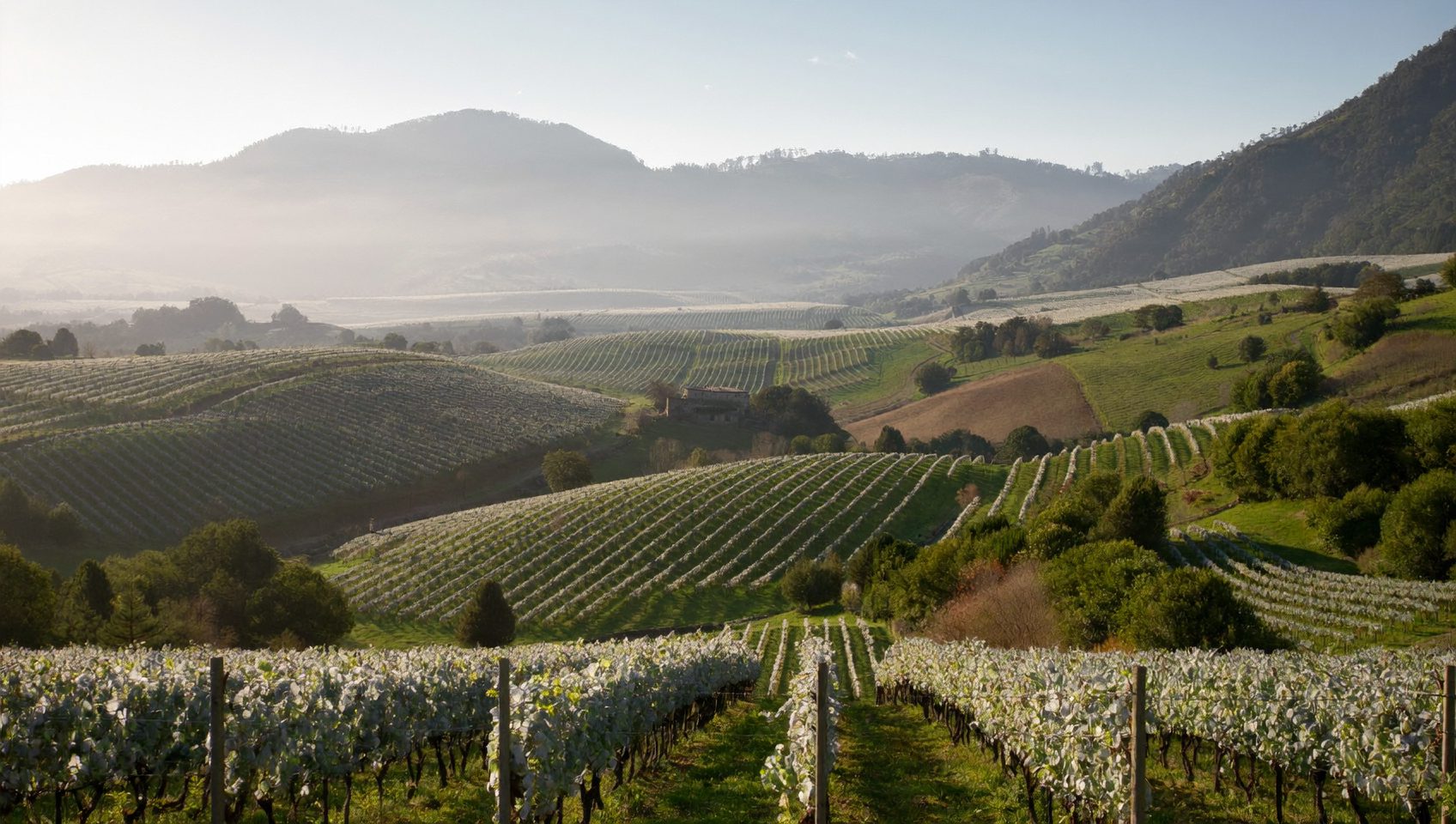
A selected yeast does not create aroma from nothing. It decides how to transform sugars, nitrogen and compounds already present in the must. For white and aromatic grapes the choice matters, because the strain affects fruity esters, floral compounds and, in some cases, the thiols released from grape-bound precursors. Here you will find the strain classes, how to read producers' technical sheets without stopping at the trade name, and what to do when the strain alone is not enough.
What a yeast can and cannot do for aroma
Yeast works during alcoholic fermentation. In that phase it produces volatile compounds from sugars and amino acids, and it modifies others the grape already contained. The varietal profile, meaning the character that originates in the vineyard, remains largely tied to ripening, grape health and extraction. A strain can accentuate some aromas, mute others, or let the variety emerge with little distortion.
The International Code of Oenological Practices of the OIV includes among permitted practices the use of yeasts as fermentation activators, acidification and deacidification with yeasts, and some treatments with yeast products such as cell walls and thiamine. Not all of these serve aroma. But they remind us that yeast is a cellar tool, to be used case by case and recorded.
For white wine the practical point is this: if the grapes arrive with little perfume, the yeast will hardly recover it. If the grapes already have a good profile, the strain can protect it or alter it. Before choosing, assess the raw material.
Strains for fruit, flowers and thiols
Yeast producers' sheets group strains by sensory effect. The classes you will find most often are three, plus a fourth that serves as a reference.
| Class | Expected effect on aroma | What to check |
|---|---|---|
| Fruity (esters) | Notes of fresh fruit, banana, citrus, white-fleshed fruit, depending on the strain | Excess esters that cover the variety; in neutral whites they can seem artificial |
| Floral | Sensations of white flower and citrus, more evident in young wines | Rapid loss with oxygen and racking; storage at low temperature |
| Thiol-releasing | Release of varietal thiols from non-volatile precursors, with sensations of grapefruit, box tree or tropical fruit | The result depends on the variety and the must; the strain does not create the precursors |
| Neutral or low aroma-producing | Leave more room for the variety and the vineyard | The wine can taste flat if the raw material is poor |
Thiol strains need a clarification. Some yeasts have enzymatic activities that break bonds between thiols and molecules of the non-volatile part of the grape, making available aromas that were not previously perceived. This happens above all with varieties that contain these precursors in useful quantities. A thiol yeast on a grape that does not contain them will not produce the effect promised by the sheet.
When you read a sheet, look for three pieces of information: the declared aromatic class, alcohol tolerance, and the recommended temperature range. Be wary of sheets promising a universal result. The trade name of a strain is for ordering, not for understanding the wine.
Comparing with pages already published helps place the choice. For the general picture of wine yeasts and their families, see our overview of wine yeasts. For the compounds that are later perceived on the nose, the page on aromas and volatile compounds explains how they form and how they are recognised.
Temperature and fermentation kinetics
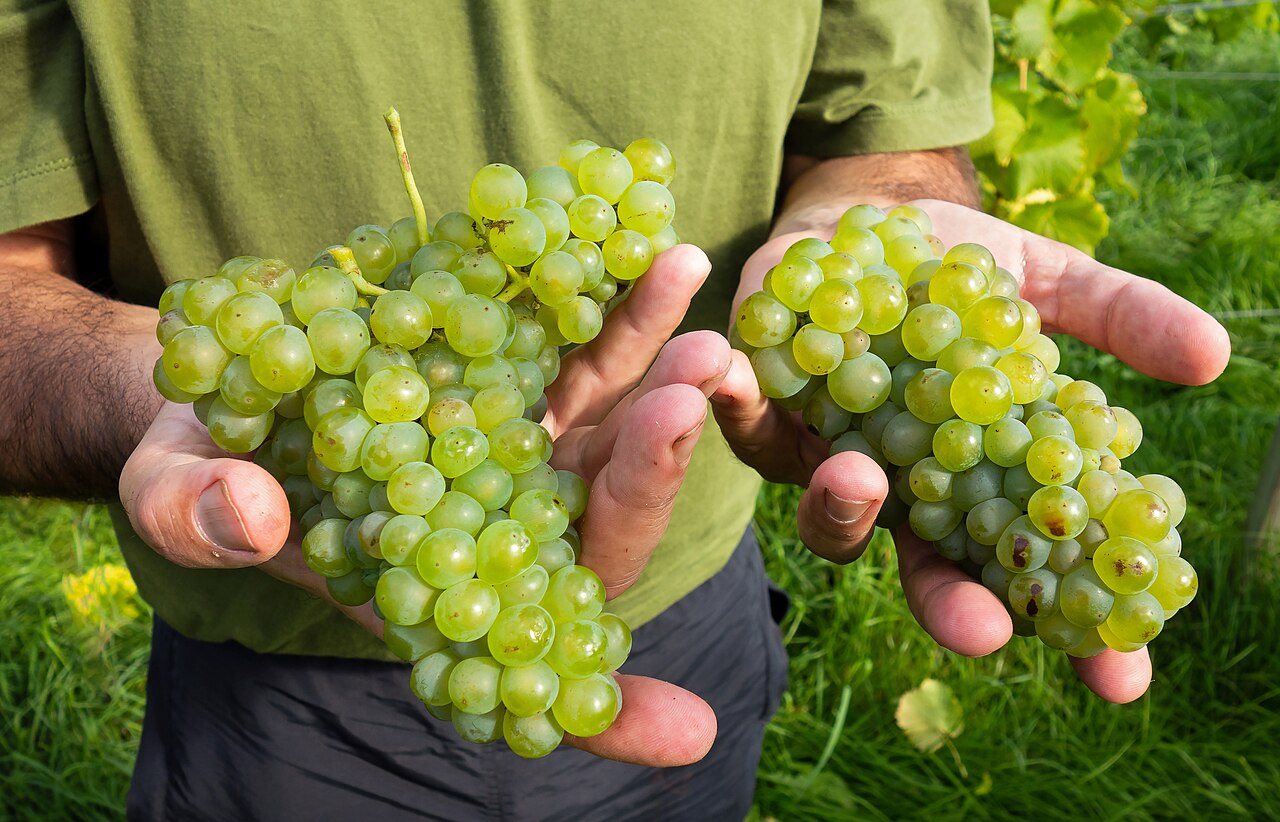
Temperature changes the result more than is often thought. A cooler fermentation retains volatile compounds better, because the carbon dioxide leaving the must carries away less of them. A fermentation that is too cold, however, slows kinetics, lengthens times and increases the risk of fermentations that stop halfway. A fermentation that is too warm speeds up the process, but disperses the most delicate aromas and can let alcoholic and cooked notes prevail.
Each strain has a temperature range within which it expresses its profile. Working outside that range changes the wine more than the choice of strain itself. For this reason the technical sheet should be read together with the thermometer of the tank, not separately.
| Situation in the cellar | Probable effect on the white wine | Practical action |
|---|---|---|
| Cool, slow fermentation | More fruity esters retained, long kinetics | Check density regularly and do not leave the wine unchecked for days |
| Warm, rapid fermentation | Fewer volatiles, more alcoholic notes | Cool the mass before the temperature rises too much |
| Frequent temperature swings | Irregular kinetics, risk of stuck fermentation | Use a thermal control system with thresholds set in advance |
| Late inoculation into a must already fermenting spontaneously | Mixed profile that is hard to predict | Decide beforehand whether to inoculate, and with which strain |
One practical aspect concerns inoculation. If the must still contains free sulphur dioxide, the yeast may be inhibited. Give the sulphur time to bind or decline, according to the protocol you use, before inoculating.
Nitrogen nutrition and aromas
Yeast needs assimilable nitrogen to grow and to complete fermentation. When nitrogen is lacking, fermentation slows and sensory faults can appear, including sulphurous odours. The strain also expresses its profile better when nutrition is adequate: a yeast in difficulty produces compounds different from those described in the sheet.
Supplementation should be decided on the basis of must analysis, not by habit. The OIV Code lists among permitted treatments the use of fermentation activators and thiamine, which support yeast metabolism in situations of deficiency. But excess supplementation does not improve the wine, and in some cases shifts the aromatic profile towards notes the variety does not have.
There are also preparations based on yeast cell walls, used to adsorb substances that inhibit fermentation, such as some fatty acids. They have a different effect from nutrition and should be considered as separate tools.
A practical indication: analyse the must before inoculation, record the nitrogen value, and decide on supplementation before starting. If the must is poor, supplement at several moments and check fermentation every day in the early stages.
Aromatic varieties: the Moscato and Gewürztraminer case
Aromatic varieties are those in which the grape's perfume is already very strong. In Moscato and Gewürztraminer, terpenic compounds and sugar-linked substances make the wine recognisable even before fermentation. Here the yeast must be chosen to support the varietal character, not to cover it.
In Moscato the most frequent risk is adding esters in quantities that overlap the muscat perfume. A strain with moderate ester production, with cool and controlled fermentation, keeps the variety more legible. The wine reaches the bottle fresher, but needs more attention to oxygen and storage, because terpenic compounds are sensitive.
In Gewürztraminer fermentation must cope with an already intense profile and a structure that can feel heavy if fermentation is too warm or too rapid. Strains that let the spiciness of the variety emerge, without adding pronounced fruity notes, are usually the most consistent choice. There is no single strain suited to all grapes of this variety, however: the choice depends on the area, ripening and the type of wine you want to make.
To understand which varieties are aromatic and how they behave, the overview of aromatic grape varieties gathers the starting picture. The comparison between selected strains and indigenous yeasts is covered instead in the page on the debate between selected and indigenous yeasts.
Common mistakes in the cellar
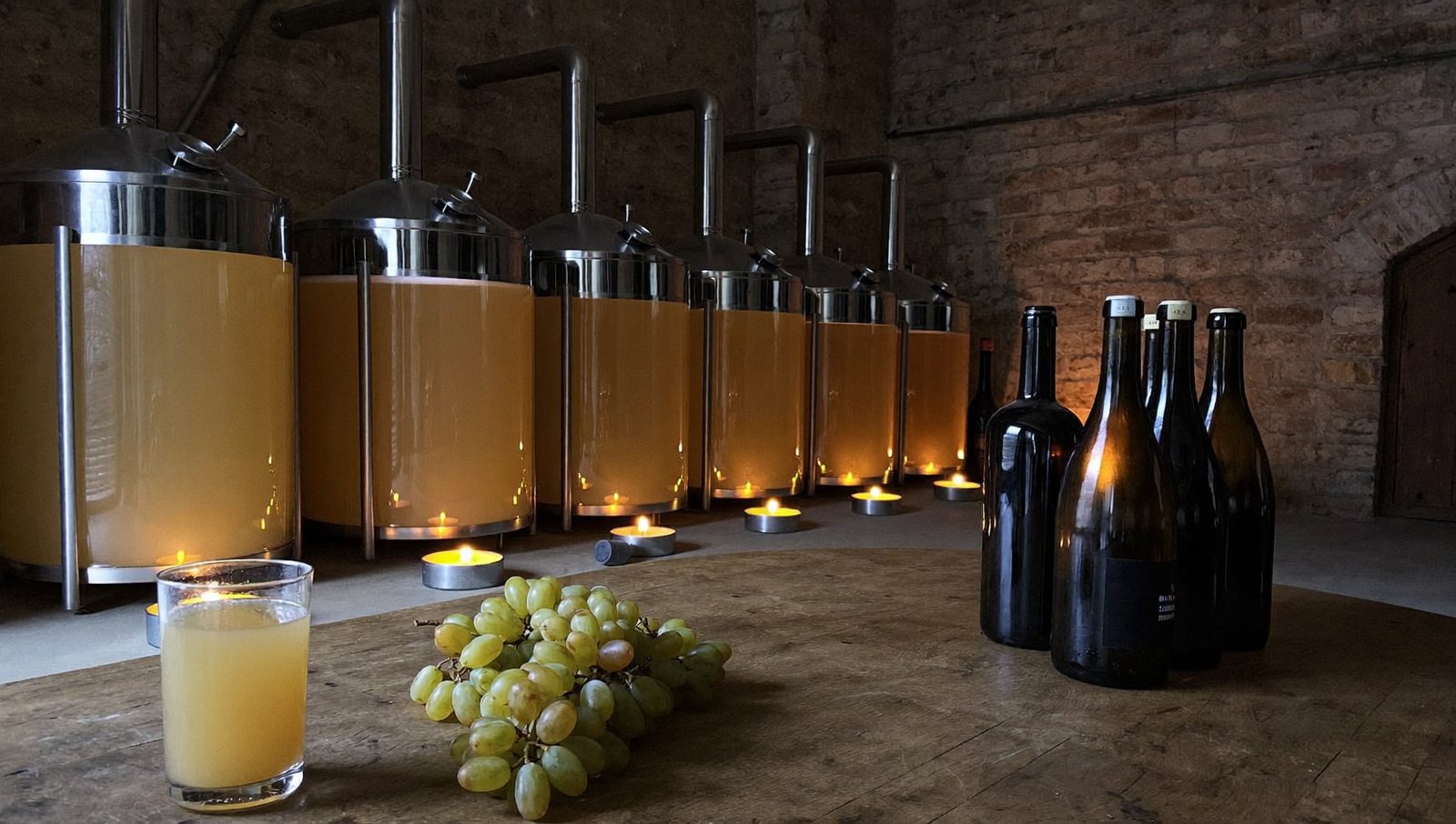
The most frequent mistakes are few, and almost all are avoided with one extra check.
The first is choosing the strain by trade name or price, without reading the aromatic class and temperature range. The second is fermenting at temperatures the sheet does not foresee, often because the tank has no reliable thermal control.
The third is neglecting nitrogen. A must poor in nitrogen with a demanding yeast leads to slow fermentations and faults the strain cannot correct. The fourth is inoculating a must with high free sulphur dioxide still present, or too soon after sulphiting.
The fifth mistake concerns oxygen. Aromatic whites lose perfume with oxygen during racking and storage. A good yeast does not compensate for a wine poorly protected from air. The sixth is attributing to the strain results that depend on the vineyard: a thiol strain does not make a tropical wine from grapes that lack the necessary precursors.
Finally, those who change strain every year without comparing results learn nothing from the wine. Keep a simple record: strain, temperature, nitrogen, timings, and a tasting note after three or six months. After two or three vintages the record is worth more than any sheet.
When the strain is not enough
There are cases where yeast does not solve the problem. Grapes picked too late lose acidity and freshness. Aggressive pressing extracts bitter substances that no strain can mask. A cloudy must, with many suspended particles, can give herbaceous or reductive notes. A cellar that works at high temperatures at every stage of the chain puts even a suitable strain at risk.
When the wine does not respond to the choice of yeast, check in this order: ripening and the sanitary state of the grapes, pressing and clarification of the must, temperature control, oxygen management during racking, and finally the amount of sulphur dioxide. Only after these steps does it make sense to change strain.
For the regulatory framework of the winemaking practices you can use, the reference is the page on authorised oenological practices. Always check the updated version before deciding on a treatment.
Frequently asked questions
Can a selected yeast make a white wine seem more aromatic than the grape really is?
Yes, partly. The strain can accentuate esters and floral compounds, but it does not create the varietal profile. If the grape has little perfume, the yeast produces a wine that is more fruity or more neutral, not one richer in character.
Does a thiol yeast work on all white varieties?
No. The strain releases thiols only from precursors the grape contains. On varieties with few of these precursors the effect is limited or absent. Read the technical sheet and ask your supplier whether the strain has been tested on that variety.
Which temperature suits a fruity white?
It depends on the strain, but generally a cool and stable fermentation retains esters better. The temperature should be chosen within the range indicated on the strain's sheet, with constant control.
Is nitrogen supplementation always needed?
Not always. It should be decided on the basis of must analysis. Automatic supplementation can alter the aromatic profile without improving fermentation.
Sources
- Classic Method vs Charmat Sparkling Wine: Buyer Guide
- Red wine maceration: pumping over, délestage and punch-downs
- Stuck Fermentation in Wine: Causes and How to Restart
- Prosecco DOC or DOCG: DOP, Rive and Cartizze for importers
- SO2 in the winery: dosing by stage, EU limits, alternatives
- Primitivo vs Zinfandel: US Label Rules for Importers