Prosecco DOC, DOCG and DOP: differences, Rive and Cartizze for importers
Wines Export Editorial · Last updated:
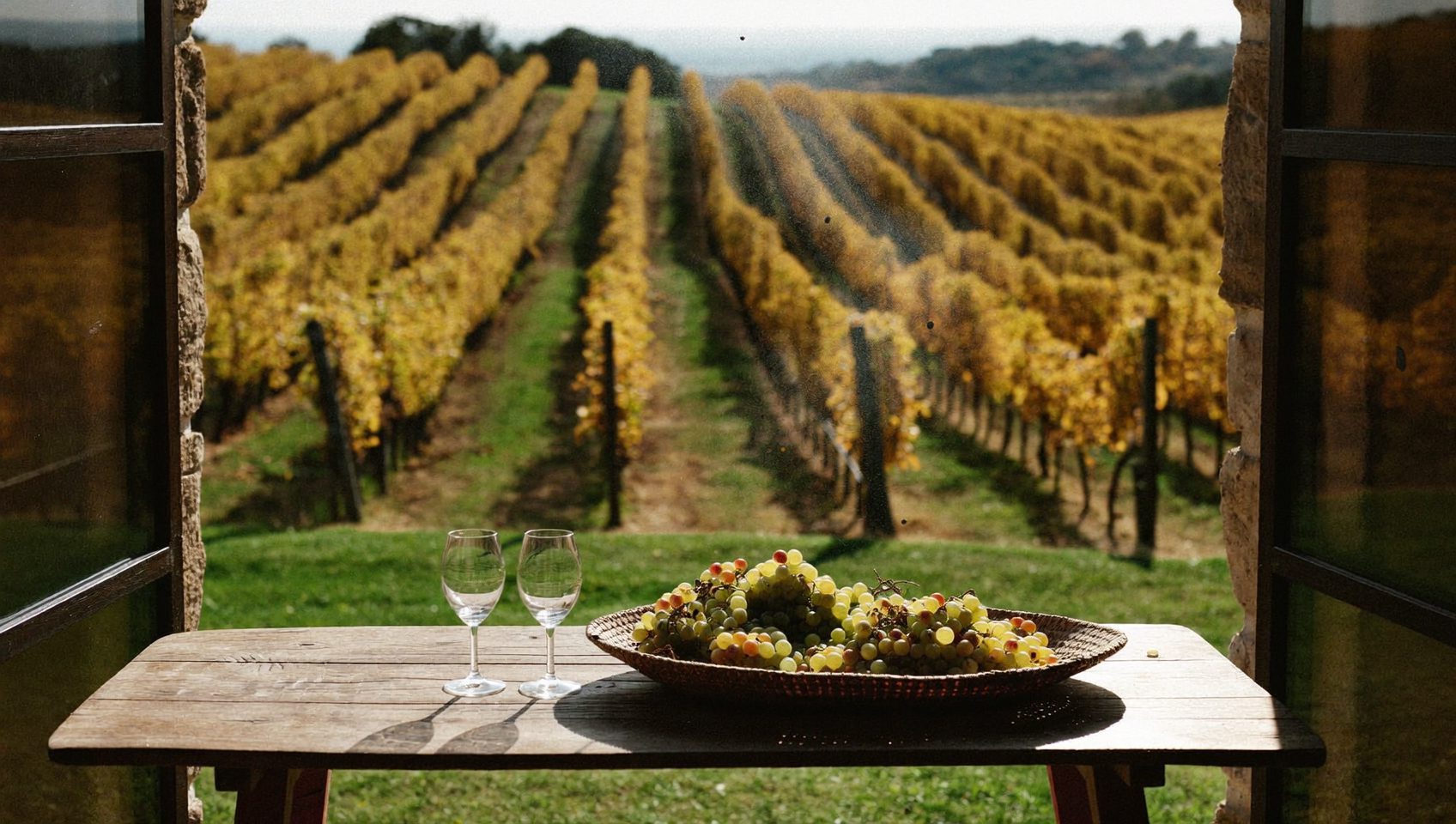
On a Prosecco bottle label you may see the abbreviations DOP, DOC and DOCG, and for an importer they are not synonyms. DOP is the term the European register uses to classify designations, while DOC and DOCG are the levels you see on consortium websites and on the wine itself. The level tells you which area and which production specification the wine must follow, so it is the first detail to check before you sign an order. Here you will find a comparison of Prosecco DOC, Conegliano Valdobbiadene, Asolo, Rive and Cartizze, with the data published on the official pages and the points that still need checking against the production specification. For the general picture, see what a foreign buyer needs to know about the Prosecco designation.
DOP, DOC, DOCG: why the Prosecco label uses different terms
Italy's Ministry of Agriculture publishes an alphabetical list of DOP wines and a collection of production specifications. The page reports Production specifications for DOP wines (411), divided into three alphabetical volumes. The technical reference for each designation is the Single Document, which is held in the EU's e-Ambrosia register, the register of geographical indications of the EU. So the abbreviation DOP refers to a register shared across the whole Union, while DOC and DOCG describe the rank of the designation within Italian legislation.
For the importer, the practical consequence is simple: the name of the designation must be read together with its specification, not the abbreviation alone. A Prosecco DOC and a Conegliano Valdobbiadene DOCG can share the same base grape and a nearby origin, but they belong to different areas and different rules. The table below separates the levels by reference and by the data to check.
| Level | Where you find the reference | What to check before ordering |
|---|---|---|
| DOP (EU register term) | e-Ambrosia register, Single Document | Registered name of the designation and linked technical sheet |
| Prosecco DOC | Website of the Consorzio Tutela Prosecco DOC | Production area and permitted grape varieties |
| Conegliano Valdobbiadene Prosecco Superiore DOCG | Website of the Consorzio Conegliano Valdobbiadene | Designation on the label and State strip seal |
| Asolo Prosecco Superiore DOCG | Website of the Consorzio Vini Asolo Montello | Exact wording: Asolo Prosecco Docg, Montello Docg or Asolo Montello Doc |
Prosecco DOC: area, grapes and maximum yield
The page of the Consorzio Tutela Prosecco DOC lists the Provinces of Treviso, Venezia, Vicenza, Padova, Belluno, Gorizia, Pordenone, Trieste and Udine. This area is much wider than that of the DOCGs, which is why the DOC is the level with the highest volumes. The importer should know that the area alone does not guarantee a style: the base grape is Glera, and the specification allows other grapes, up to an overall limit.
On grape varieties, the consortium page says Glera is the base grape of Prosecco. Other grapes may also be included, and the rule sets a ceiling: up to a combined maximum of 15 percent. This detail is useful when a buyer asks for a wine to be exported with a precise description on the label.
On yield, the same page is explicit: For Prosecco the maximum yield is 180 quintals per hectare (q/ha). This is the yield figure published for the DOC. The official pages listed at the end do not give an equivalent value for the DOCGs, so none is stated here.
The DOC consortium also describes storage, which matters to anyone managing a warehouse: Prosecco is a wine to drink young. For the importer, this means rotating lots and not holding stock for years. The same page recommends drinking it within the year following the harvest.
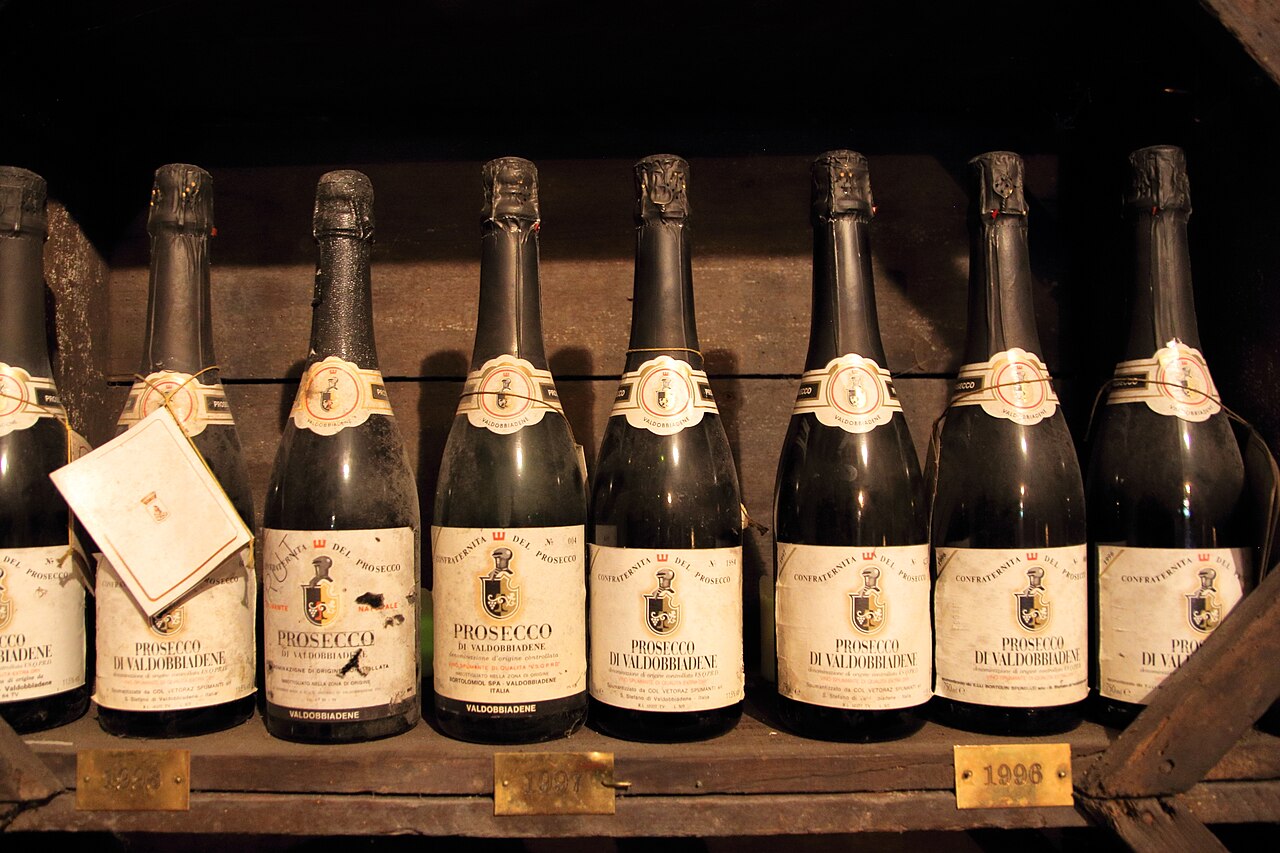
Conegliano Valdobbiadene and Asolo DOCG: what the consortium pages show
The website of the Consorzio Conegliano Valdobbiadene presents itself under the name Conegliano Valdobbiadene Prosecco Superiore DOCG, and the homepage also recalls the history of the brand, with a reference to 1876. That history is tied to the school of oenology: the page of the DOC consortium recalls that Dr. Antonio Carpenè, one of the founders of the Scuola Enologica di Conegliano in 1876, was the first to adopt this method for producing sparkling Prosecco, namely the Martinotti method. For the buyer, the history explains little about price, but it helps identify the sparkling method the wine declares.
The Consorzio Vini Asolo Montello presents a different situation: the same body protects several names. Its pages list Asolo Prosecco Docg, Montello Docg and Asolo Montello Doc. For an importer, this means the name on the bottle may be Montello, Asolo or the single combined designation, and that each name has its own specification. The consortium also notes that it has been active since 1985, with 40 years of protection and promotion of the territory.
To compare the DOCG with the DOC, reading the websites is not enough. The consortium pages describe area, brand and history, but they do not report yield figures for the DOCGs or price lists. Anyone choosing a level should read the specifications in the Single Document, and use yield and price data only once they have them in hand.
Rive and Superiore di Cartizze: what they mean and how to verify them
Cartizze is the name the buyer meets most often alongside Valdobbiadene, and the confusion comes from the word itself. The consortium pages do not define the Rive and Cartizze mentions, nor do they set boundaries, yields or winemaking rules for these mentions. No figures or boundaries are given here: they are set out in the production specification.
The correct method is to start from the technical document. The Ministry's page explains the route: in the e-Ambrosia register you select the Italian language, open the Schedario viticolo, search for the name of the designation and open the file. From the file you reach the reference to the Single Document. Here the buyer reads the conditions of the designation and, if the mention is provided for, the conditions under which it may be used.
For the record of a specific lot, ask the winery to confirm in writing the mention, the declared vineyard area and the version of the specification applied. A mention that does not appear in the Single Document must not be put on the label or on the export price list.
Export prices by level: where the margins sit
The consortium pages do not report price lists, average prices or margins. This article therefore sets no price figures, and readers should not draw conclusions from a threshold that is not stated. The working method is more useful than any number. Compare the DOC and the DOCG of the same chain on the foreign shelf, using the retail shelf price. Then work back along the supply chain: from the consumer price, subtract the country's VAT, the distributor's and retailer's margins, the alcohol tax where it applies, and transport. What remains is the price the producer can receive.
The difference in level matters most for the entry price. A DOC covers more volume and often enters at lower prices; a DOCG has a narrower area story and a positioning on the wine list. This is a market reading, not a numerical fact, and it must be checked against the real price lists of the destination country. For the importer's margin, see where the margin sits on Prosecco price abroad.
Which Prosecco for which foreign channel
In mass retail, Prosecco DOC lends itself well to listing, because the designation is broad and recognised. The retail buyer buys for volume and for continuity of supply, so it is worth offering the DOC with a stable range rather than a single reference. The risk is confusion with the DOCG on the shelf: the label must show the designation clearly.
For HoReCa and specialist venues, the DOCG is the level that most effectively supports an area story. A foreign restaurateur wants to know where the wine comes from and which specification it follows, and the name Conegliano Valdobbiadene or Asolo answers that question. For serving by the glass, the right consumption is fresh: the DOC consortium page indicates that Prosecco should be served cold, at about 6 to 8 degrees Celsius.
In channels where the State or a monopoly regulates sales, the designation on the label is the first filter the buyer applies. Anyone exporting to these markets should prepare a technical sheet with the exact name, the area and the reference to the Single Document, because these are the data the buyer uses for verification. For the documentary framework, see the page on Prosecco DOC in the province of Treviso for export and the sheet on Asolo Prosecco Superiore DOCG for the foreign buyer.
State strip seal and alcohol content: what to check at the start
The strip seal is the first physical check. According to the DOC consortium, the label guarantees full compliance with the production specification, quality certified also through the application of the State Seal (strip). The buyer should ask that the strip be present on every lot and that the lot number matches the documents.
The second check concerns alcohol content. The minimum thresholds depend on the level and type of wine, and they are covered in the sheet on minimum alcohol content for Prosecco DOC and DOCG. The practical advice is to request the analytical sheet for the lot together with the designation certificate, before shipment.
Frequently asked questions
Prosecco DOP or DOC: what changes for an importer?
DOP is the term the European register uses to classify the designation, while DOC and DOCG indicate the Italian level. For the importer, what matters is the specification linked to the name, because it defines area, grape varieties and production rules. Always check the exact name on the strip seal and on the Single Document.
What is the maximum yield for Prosecco DOC?
The Consorzio Tutela Prosecco DOC gives a maximum yield of 180 quintals per hectare. This figure refers to the DOC; for the DOCGs the specification must be read, because the consortium pages do not state it.
What does Cartizze mean on a label?
Cartizze is a mention linked to Valdobbiadene, and the consortium pages do not report its rules. To use it on a label, it must be verified in the Single Document on the e-Ambrosia register, and the winery must confirm it for the lot.
Which provinces produce Prosecco DOC?
The consortium lists Treviso, Venezia, Vicenza, Padova, Belluno, Gorizia, Pordenone, Trieste and Udine. The area should be compared with the origin declared by the winery on the lot sheet.
Sources
- Red wine maceration: pumping over, délestage and punch-downs
- Primitivo vs Zinfandel: US Label Rules for Importers
- Yeast for White Wines: Fruity, Floral, Thiol Strains
- Is Primitivo Sweet or Dry? Dolce Naturale DOCG and Sugar
- Classic Method vs Charmat Sparkling Wine: Buyer Guide
- PIWI resistant grape varieties: what and where allowed