Shipping Wine to the Netherlands: Excise, Customer License and Horeca Documents
Wines Export Editorial · Last updated:
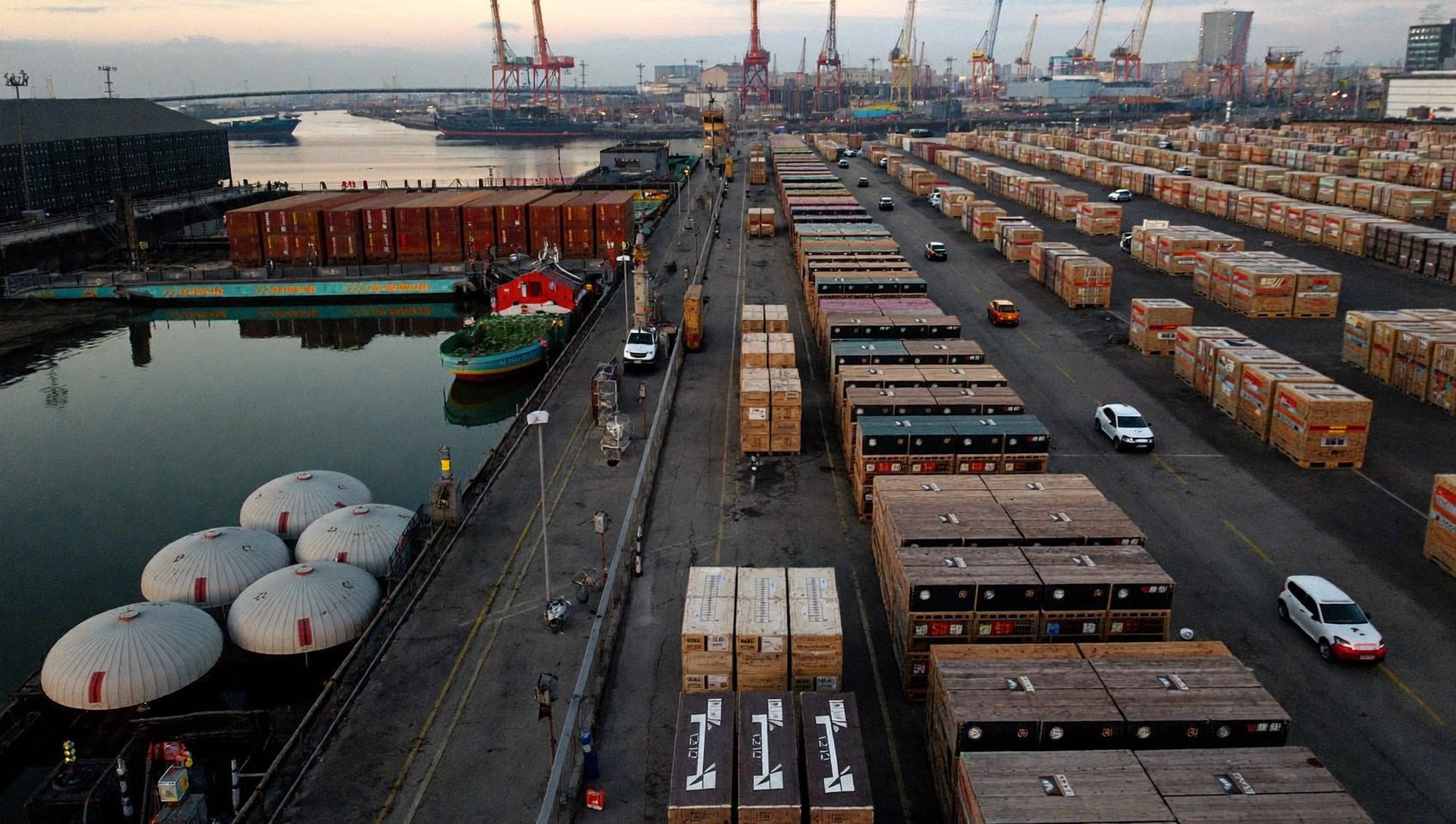
To ship wine to the Netherlands, you need to manage three issues together: excise duty, which the European Union sets only as a minimum and which each country can raise; the authorisation the Dutch customer needs to receive wine under excise suspension; and the documents that travel with the goods until delivery. The channel changes the picture considerably: a shipment to a restaurant or a slijterij (off-licence shop) does not follow the same rules as a shipment to a private buyer. To understand who can act as your counterpart in the Netherlands, start with wine importers in the Netherlands, distribution channels and how to choose them.
What the minimum excise on wine is in the European Union
The common framework is set by two directives. The first, 92/83/EEC, establishes the structure of excise duties on alcoholic beverages and the bases for calculation; 92/84/EEC sets the minimum rates for each category. Directive 2020/1151 amended 92/83/EEC and has applied since 1 January 2022. For wine, the European minimum is as follows:
| Product | Unit of measurement | EU minimum |
|---|---|---|
| Wine, still and sparkling | hectolitre of product | EUR 0 |
| Intermediate products (for example port and sherry) | hectolitre of product | EUR 45 |
| Spirits | hectolitre of pure alcohol | EUR 550 |
Source: European Commission, page on excise duties on alcohol. This figure is a minimum: Member States may apply higher rates according to their own national needs. To find out what is required in each country, the Commission points to the Taxes in Europe Database (TEDB), which you should consult before building your price.
Why the European minimum does not tell you the final cost in the Netherlands
The minimum for wine is zero euros for both still and sparkling wine, so at European level the two categories are not distinguished. If your Dutch price list treats a still wine and a sparkling wine differently, the difference comes from the national rate, not from the Community minimum. Anyone who tries to take the figure from a European table is looking in the wrong place: you need the Dutch source, that is, the website of the tax authority (Belastingdienst) with the rates currently in force.
You should also clarify who pays the excise and at what point. This depends on the regime under which the goods enter the country and on who holds title to the shipment. Before setting a delivered duty paid price, ask the importer in writing which rate they are using and who pays the duty, because a price set without this step can be wrong by an entire item.
License or registration: what the Dutch customer must have
A Dutch customer receiving wine subject to excise must hold a status recognised by the tax authority in order to receive it. In practice there are two situations: a vergunning (licence) issued by the authority, or registration as a geregistreerde geadresseerde (registered consignee). There are no shortcuts: if the customer has neither, the shipment cannot arrive under excise suspension, and the cost falls on whoever sent it.
Verification must take place before the order. Ask the customer for the document or the registration number and check it on the Belastingdienst website, without relying on a generic copy. If the customer is a newly opened restaurant or a slijterij that has changed ownership, the registration must be checked again, because the holder matters as much as the address.
Rotterdam as a redistribution hub: what changes for documents
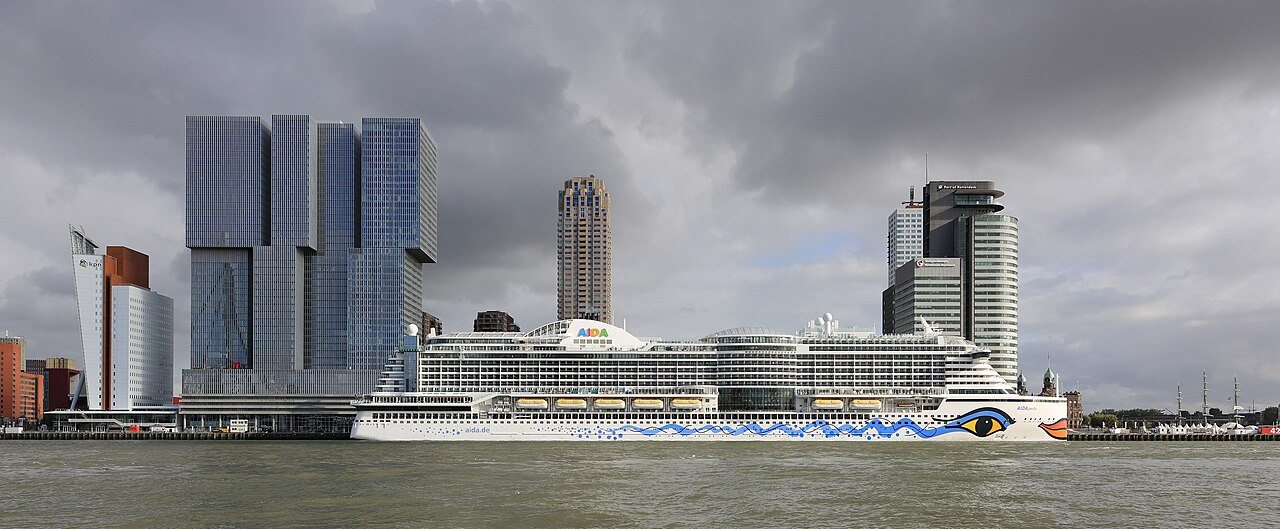
Rotterdam is one of the European ports where wine shipments arrive to be sorted. Many importers receive the load at a single point and redistribute it from there to restaurants, retailers and wholesalers in neighbouring countries. For the winery, this means the consignee of the goods is not always the final customer, and the documentation must show who holds title to the shipment at the time of customs clearance.
The practical advice is simple: do not let the first document name one customer and the second document name another. The name of the company collecting the goods at the port must also match the invoice, otherwise the shipment risks being held up with no one knowing why. If the shipment passes through a warehouse or a transit operator, ask the importer for a written outline of the route, with the named party at each stage. The subject of bonded warehouses, when they are needed and who can use them, is covered in bonded warehouse for wine: when it is needed and who can use it.
Shipping to restaurants and slijterijen
For a professional shipment, the central document is the electronic accompanying document required by the EMCS system, which tracks the goods under excise suspension between your warehouse and the destination. The Dutch customer must confirm receipt and the status that authorises it. Without this confirmation, the goods remain recorded as in transit, and the problem is paid for by whoever shipped them.
At the restaurant or slijterij, traceability of the bottle after delivery also matters. The customer must keep invoices and accompanying documents for inspections, and your administrative office must be able to find them within minutes. One file per customer, containing the vergunning or registration, the date of confirmation and the invoice number, helps reduce problems during inspections.
Shipping to private buyers in the Netherlands
Distance selling to a private buyer follows rules that differ from professional sales. Here the excise is due in the destination country, and transport almost always goes through a courier. Before accepting an order, check two things: that the courier accepts shipments of alcoholic beverages to the Netherlands, and that your operator has the requirements to do so in compliance with the rules. For a comparison with a neighbouring country, and with how couriers handle excise, you can read shipping wine to Belgium: excise and couriers.
A private buyer does not hold a vergunning, so responsibility for the excise falls on the seller or on the intermediary organising delivery. Do not assume the courier will take care of it. Ask in writing who pays the duty and at what price, and include the item in your quotation.
Labelling and language: what Dutch buyers ask for
Dutch importers usually ask that the label be legible and complete, with the mandatory elements in the language required by the market. Not all wording follows the same rule in every channel: a restaurant may accept a technical sheet in English, while a retailer may ask for more orderly materials. Check with the importer before printing labels for the Dutch market.
On the institutional side, ICE maintains a dedicated profile for the Netherlands and a specific desk at its Brussels office, useful for market information and for contact with local institutions. The full commercial picture, including shelf prices and retail chain margins, is in shelf price of wine in the Netherlands and Belgium: excise and margins.
If the customer does not yet have the required status, the most prudent solution is to wait for registration before shipping, or to route the shipment through an operator who already holds it. Every choice should be put in writing with the importer, stating who bears the cost of any delay or of goods sent back. A simple contract with these two points clearly set out reduces the risk of disputes after delivery.
Frequently asked questions
How much is the excise on wine shipped to the Netherlands?
The European minimum for wine, still and sparkling, is zero euros per hectolitre of product. The rate applied in the Netherlands is national and should be read from the Belastingdienst tariffs or the TEDB database. Ask your importer which figure they used in their calculation.
Do I need a vergunning to sell wine to a Dutch restaurant?
A customer receiving wine subject to excise must hold a status recognised by the tax authority, that is, a vergunning or registration as a geregistreerde geadresseerde. Without this status, the shipment cannot travel under excise suspension. Check the customer's document before the order.
Can I ship wine directly to a private buyer in the Netherlands?
Yes, but distance selling to a private buyer follows rules that differ from professional sales. The excise is due in the destination country, and the courier must accept alcoholic beverages to the Netherlands. Ask in writing who pays the duty before accepting the order.
Why do many shipments pass through Rotterdam?
Rotterdam is a sorting point for many importers, who receive the load and redistribute it to neighbouring countries. For the winery, what changes is the named consignee of the shipment in the documents. Ask your importer for a written outline of the route.
Sources
Who buys wine in the Netherlands? A few names
According to the Wines Export Observatory (November 2026), the Italian denomination most carried by wine buyers in the Netherlands is Primitivo: 39% of those whose Italian range we know carry it, followed by Prosecco (33%) and Vermentino (23%).
The Wines Export database covers the whole wine trade in the Netherlands: importers, distributors, wholesalers, wine shops and online stores, city by city, updated continuously (23 November 2026). The Italian denominations most carried by buyers in the Netherlands, in order: Primitivo, Prosecco, Vermentino, Barolo and Pinot Grigio.
Amsterdam
Vindict · Vleck Wijnen · perswijn.nl
Rotterdam
Anfors B.V. · VINVIN Wines · Franco Miscia- Wijnwinkel Rotterdam
's-Gravenhage
André Kerstens · Il Mandorlo · Amar Import en Export
- South Korea wine importers: who buys Italian wine and how
- Shipping wine to the UK: pallets, courier and customs
- Swiss wine importers: channels, cantons and buyers
- Shipping Wine to Germany: Excise, Steuerlager, Documents
- Systembolaget range: permanent, special order and entry
- Shipping Wine to France: Excise, CRD and Documents