Shipping wine to Belgium: Belgian excise, e-AD for trade buyers, registration and guarantee for private sales, couriers that deliver alcohol
Wines Export Editorial · Last updated:

Shipping wine to Belgium is straightforward if the buyer is a trade operator holding an excise licence, and complicated if the buyer is a private individual. In the first case the wine travels under excise suspension with an e-AD issued in the EMCS system, and the Belgian excise is paid by the consignee when the wine is released for consumption. In the second case the European directive places the excise on the seller: you must register with the Belgian customs authorities, provide a guarantee, pay the excise after delivery and charge Belgian VAT at 21%. Belgian rates are among the highest in the euro area: 74.9086 euros per hectolitre on still wine, 256.3223 on sparkling wine, that is 0.56 euros and 1.92 euros per 75 cl bottle. Below you will find the two cases, the documents, the couriers and the mistakes to avoid.
How much is Belgian excise on a bottle of wine?
Belgium applies a specific excise duty on wines, set by the law of 7 January 1998 on the structure and rates of excise duties on alcohol, Article 9, in the version in force from 1 November 2015. The rates were not changed by the amendments of 2016 and 2022, which affected definitions but not amounts.
| Product | Belgian excise per hectolitre | Per 75 cl bottle |
|---|---|---|
| Still wine (vin tranquille) | 74.9086 € | 0.56 € |
| Sparkling wine (vin mousseux) | 256.3223 € | 1.92 € |
| Still or sparkling wine up to 8.5% vol | 23.9119 € | 0.18 € |
Source: Belgian law of 7 January 1998, Article 9 (Moniteur belge, consolidated text on ejustice.just.fgov.be); VAT at 21% according to the European Commission excise tables.
By comparison, Italy applies a zero rate on still and sparkling wine, and Germany taxes only sparkling wine. Belgium taxes everything, and sparkling wine at almost three and a half times the rate of still wine. On the shelf price of a bottle of Prosecco in Belgium, 1.92 euros of excise plus 21% VAT on the total weigh far more than in Germany: this is a figure to know before setting your price list, as explained in Excise and VAT on wine exports: who pays and when.
B2B: how do you ship to a Belgian importer with the e-AD?
When the consignee is an importer, a wholesaler or a licensed restaurant, the wine travels under a suspension regime: no Italian excise applies, and the Belgian excise is paid by the consignee when the wine leaves its warehouse. The procedure is the European one, described by the Commission on its page on paying excise duties: the sender submits an electronic administrative document, the e-AD, in the EMCS system; the authority validates it and issues an administrative reference code, the ARC, which accompanies the consignment, printed on or entered on the CMR; a guarantee valid across the Union is required, which may be provided by the seller, the warehouse keeper, the registered consignor, the carrier or the buyer; at destination, the consignee confirms receipt in EMCS within 5 working days, and only the quantity confirmed in the receipt note is exempt from the duty.
In practice, for you, this means three things. First: you can issue the e-AD only if you are an authorised warehouse or a registered consignor, or if you rely on a third-party warehouse; when it is needed and when it is not, see Tax warehouse for wine: when it is needed and the registered consignor. Second: the Belgian consignee must be an authorised warehouse keeper or a registered consignee, with a valid excise number that you verify before shipping; if it is not, the e-AD cannot be closed and the guarantee remains committed. Third: the small producer below 1,000 hectolitres has the simplified regime with MVV, described in MVV and DAS for the small wine producer, but the Belgian consignee must still have its own excise status.
The step-by-step completion of the e-AD is in e-AD and EMCS for wine: how to fill it in. Who the Belgian importers are, how they work with HoReCa, chains and wine shops, and how to choose them, is covered in Wine importers in Belgium: HoReCa, chains and wine shops and in Wine importers in Belgium: how to choose them.
To private buyers: who pays the excise and how do you register?
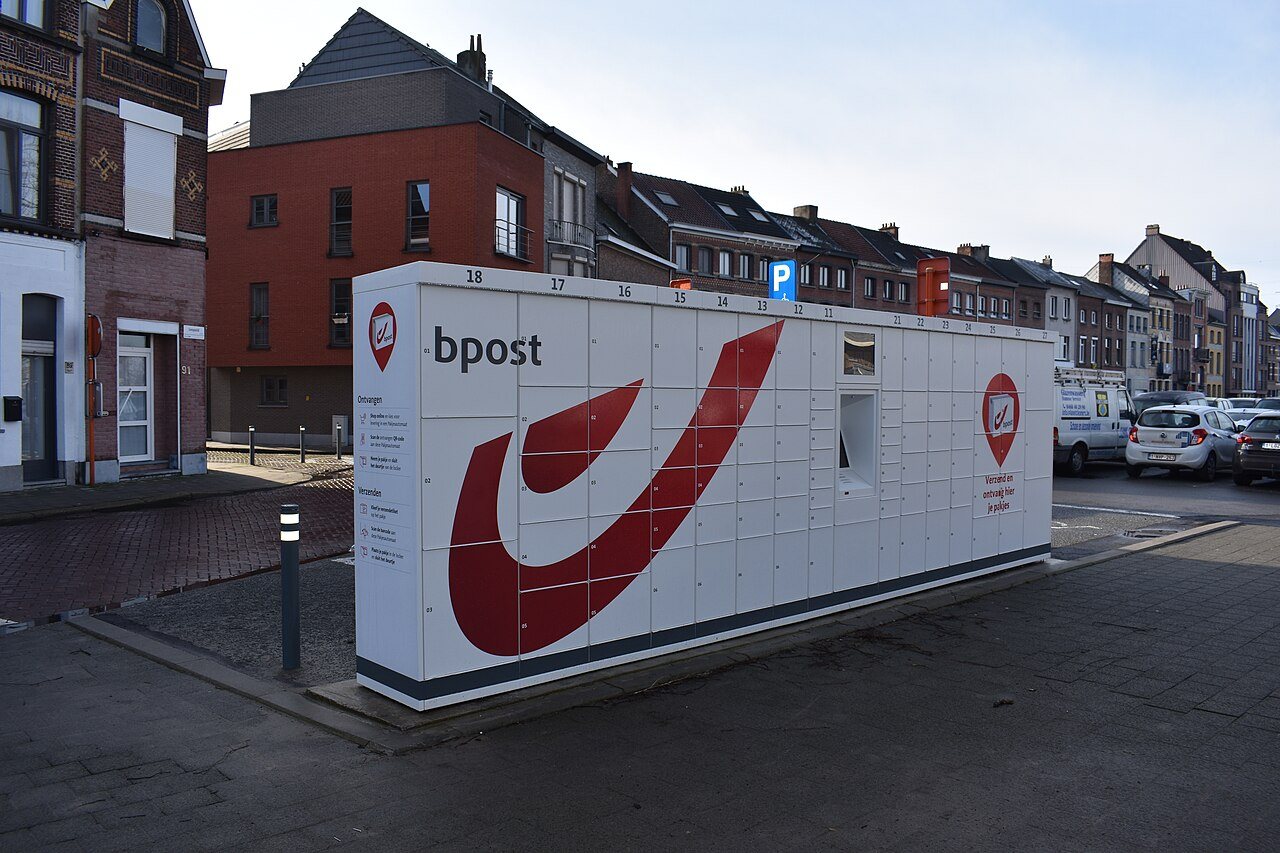
If you ship to a Belgian consumer, an enthusiast who has ordered six bottles from your website, you are engaged in distance selling of excise goods. The rule is in Article 44 of Directive 2020/262: the person liable for paying the excise in the Member State of destination is the seller. The Member State of destination may allow you to appoint a tax representative established in Belgium, approved by the Belgian authorities, but the directive does not oblige you to appoint one: it is an option. Before shipping, you or the representative must register your identity with the office designated by Belgium and guarantee payment of the excise; the excise is paid to that office after delivery; you must keep a record of deliveries; and any excise already paid in Italy is refunded on request, if you have followed the procedure.
For Italian still wine, which carries a zero rate in Italy, there is nothing to reclaim: the Belgian excise of 56 cents per bottle is a net additional cost, and for sparkling wine it is 1.92 euros. On top of this comes Belgian VAT at 21%, which for distance sales to consumers is declared through the OSS one-stop shop: intra-EU distance sales of excise goods fall within the definition and can be declared under the Union scheme, whereas they are excluded from the IOSS import scheme. Below the threshold of 10,000 euros of intra-EU sales to consumers in the current and previous year, the VAT of the seller's country applies; above it, the VAT of the customer's country applies. The full picture, with costs and alternatives, is in Tax representative and excise: selling wine to private buyers in the EU.
The Commission's Your Europe page for businesses adds a caution: before shipping, you must inform the authority of the destination country and guarantee payment. There is no exemption threshold for small quantities: even a single case shipped to a Belgian private buyer follows the same procedure. The only different case is personal transport: a private individual who buys from you at the winery and carries the wine to Belgium in their own car, for personal use, does not trigger any Belgian excise charged to you.
Which couriers deliver wine to Belgium, and how long does it take?
Belgium is a small and well-served country: Brussels, Antwerp, Ghent and Liège are all covered by the express courier networks departing from Northern Italy. The problem is not distance but alcohol: the large couriers accept alcoholic beverages only from senders with a specific contract, with approved packaging and, for deliveries to private individuals, the signature of an adult on delivery. Without that contract the parcel is held at a hub or returned. Ask the courier, in writing, whether it accepts wine to Belgium and under what conditions, before promising delivery to the customer.
For B2B volumes, cases travel with a carrier or freight forwarder familiar with the excise procedure: the document accompanying the goods must show the ARC of the e-AD, and the driver must be able to present it at a check. For samples intended for an importer, separate rules apply, described in Wine samples at customs: how to ship them: a sample remains an excise product, and Belgium taxes it like any other bottle if it does not travel under suspension.
The general framework of documents, from the label to the CMR, is in Documents for exporting wine: customs, excise, labelling; for those starting from scratch, the guide How to export wine abroad: documents, excise, buyers and the summary Exporting wine: a practical guide for wineries.
What not to do when shipping wine to Belgium
The first mistake is shipping to a private individual as if it were a gift or a sample. Belgian excise is due regardless of the stated reason: if the parcel is opened at a check, the recipient ends up paying excise and penalties, and you lose the customer.
The second is issuing an e-AD to a consignee that has no excise status. A Belgian restaurant that buys directly from you, without going through an importer, is in most cases not a registered consignee: the wine cannot travel under suspension to it. The solution is to go through a warehouse or a Belgian importer that receives under suspension and delivers to the restaurant with the excise already paid.
The third is forgetting Belgian VAT. Above 10,000 euros of sales to EU consumers, the VAT is that of the customer's country, 21%, and is paid through OSS; below the threshold it is Italian VAT. In both cases the Belgian excise remains due: OSS covers VAT, not excise duties.
The fourth is setting a price list for Belgium identical to the German one. With 1.92 euros of excise on sparkling wine against 1.02 in Germany, and 56 cents on still wine against zero, at the same ex-cellar price the Belgian shelf price is higher, and the Belgian importer knows it.
Further reading: Shipping Wine to Romania: Excise, e-AD and Couriers.
Frequently asked questions
How much does it cost to ship wine to Belgium in terms of excise?
Belgian excise is 74.9086 euros per hectolitre on still wine and 256.3223 euros per hectolitre on sparkling wine: 0.56 euros and 1.92 euros per 75 cl bottle. Wines up to 8.5 degrees pay 23.9119 euros per hectolitre. Above that, Belgian VAT of 21% applies. The rates have been in force since 1 November 2015.
Can you ship wine to a private buyer in Belgium?
Yes, but the Belgian excise is paid by the sender. Under Article 44 of Directive 2020/262 you must register with the designated Belgian office, provide a guarantee and pay the excise after delivery; you may appoint a tax representative in Belgium, but this is not mandatory. Belgian VAT at 21% is declared through OSS above 10,000 euros of sales to EU consumers.
Do you need an e-AD to ship wine to a Belgian importer?
Yes, if the wine travels under excise suspension: the e-AD is issued in the EMCS system by an authorised warehouse or a registered consignor, with a guarantee, to a Belgian consignee that is an authorised warehouse keeper or a registered consignee. The consignee confirms receipt within 5 working days. A small producer below 1,000 hectolitres uses the simplified regime, but the consignee must have its own excise status.
Do express couriers deliver wine to Belgium?
Only with a specific contract for alcoholic beverages, approved packaging and an adult's signature on delivery for private buyers. Without a contract the parcel is held. For B2B volumes, a carrier familiar with the excise procedure is preferable, travelling with the e-AD's ARC on the transport document.
Sources
- Belgian law of 7 January 1998 on the structure and rates of excise duties on alcohol, consolidated text
- Directive (EU) 2020/262, Article 44, distance selling of excise goods
- European Commission, Your Europe: paying excise duties, e-AD and EMCS
- European Commission, Excise Duty Tables, Part I Alcoholic Beverages (situation at 1 July 2021)
- European Commission, OSS one-stop shop: intra-EU distance sales and excise goods
- European Commission, alcohol excise: Directives 92/83 and 92/84, minimum rates
- Shipping wine to private buyers in the EU: excise rules
- Shipping wine to Austria: excise, B2B and consumers
- Shipping Wine to Romania: Excise, e-AD and Couriers
- Shipping wine to Asia: containers, ports and transit times
- Shipping Wine to Switzerland: Duties and VAT for Buyers
- Shipping Wine to Latin America: Ports, Containers, Transit