Standard Terms of Sale for Wine Exports: Clauses to Have Without a Contract
Wines Export Editorial · Last updated:

Wine exporters often sell without a distribution contract: an order arrives, you ship, you invoice. In that case, the standard terms of sale, printed on the back of the order confirmation or referenced on the website, are often the only written rule between the winery and the buyer. The clauses that matter are few: delivery and Incoterm, payment, retention of title, deadline for complaints, governing law and jurisdiction, and tolerances on quantities. The most overlooked point is how to make them part of the relationship, because a clause the buyer never accepted is worth very little. For the general picture, see how to sell abroad without an importer.
Why they are needed even without a distribution contract
A distribution contract governs duration, territory, targets and termination of the relationship. A sale on order does not: each shipment is a separate sale of goods, and what supports it are the conditions the winery has put in its confirmation, price list or website. For those without an in-house legal department, a neutral model is a good starting point. The International Chamber of Commerce publishes model contracts and clauses drafted by lawyers from different countries, designed to be adapted and used across several jurisdictions, without favouring either sellers or buyers.
The second reference is the 1980 Vienna Convention on Contracts for the International Sale of Goods, in force since 1988. The text applies to contracts between businesses with places of business in different States that have adopted it, but it excludes sales to consumers and service contracts. It can also apply by agreement of the parties. Before drafting your terms, therefore, the winery needs to know whether the buyer's country is one of the contracting States, because this changes the law governing contract formation.
The essential clauses for wine
Not all clauses carry the same weight. For wine, which in some cases is perishable, fragile and subject to customs duties and excise, the items below are the ones not to leave out.
| Clause | What it must establish | Why it matters for wine |
|---|---|---|
| Delivery and Incoterm | Who pays transport and insurance and where risk passes | Decides who is liable for a bottle broken during transit |
| Payment | Method, deadline and consequences of delay | This is where the risk of insolvency is concentrated |
| Retention of title | The goods remain the winery's property until paid | Gives leverage if the buyer does not pay, but must be checked in the buyer's country |
| Complaints | Short written deadline, with evidence required | Temperatures, labels and breakages can only be contested if documented |
| Governing law and jurisdiction | Which law applies and which court decides | Avoids months of argument over where to sue |
| Tolerances | Accepted variance on quantities and damaged bottles | Without a threshold, every difference becomes a dispute |
On the Incoterm, the most frequent mistake is writing only the abbreviation, without the place. A "FOB" delivery without a named port says nothing precise. The choice between the terms and their cost on the price list can be compared with the article on Incoterms for wine and with how to build an export price list.
Payment must be written with the accepted method, the moment it becomes due, and what happens if the transfer arrives late: suspension of shipments, interest, or debt recovery. Retention of title is a useful but not universal clause: its effect depends on the law of the country where the goods are located, and it should be checked with a local professional before you rely on it.
For complaints you need two things: a short deadline, expressed in days and not in "reasonable time", and a list of the evidence the buyer must provide, such as photographs of the cartons, carrier notes and temperature records. The typical case is covered in breakages and damage: who pays.
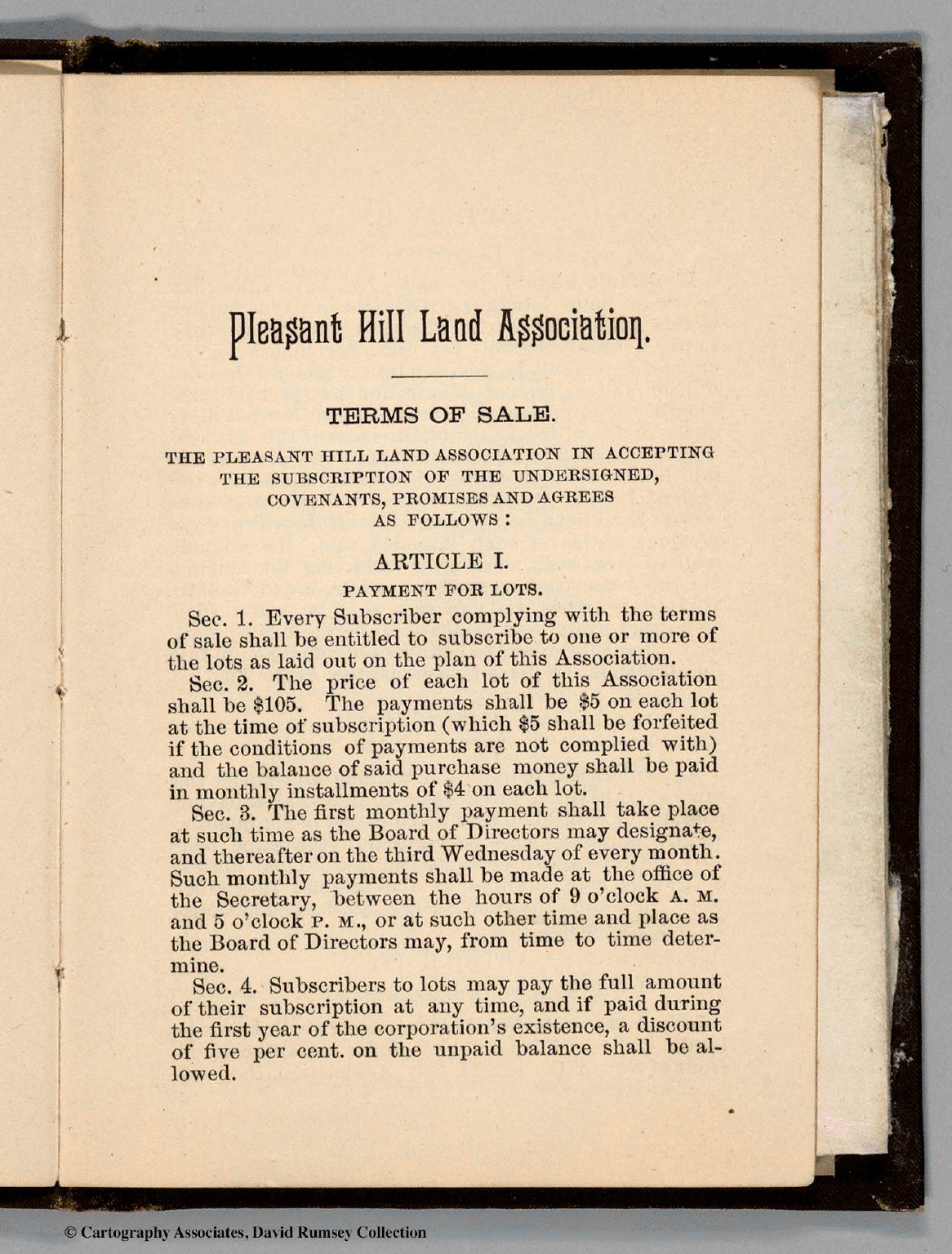
How to make them binding: order confirmation, signature, website
A clause is binding when the other party knows it and accepts it. It is not enough to have printed it on the back of the document. The Vienna Convention links contract formation to the exchange of offer and acceptance, and leaves the form free, unless the State requires writing. In practice, written form is the safest route.
There are four practical methods, to be used together. The first is an explicit reference in the order and confirmation: "this sale is governed by the attached standard terms, also available on the website." The second is the attachment: the full text travels with the confirmation, in a language the buyer reads. The third is signature for acceptance, including digital, on the confirmation. The fourth, for those selling online or through a platform, is acceptance at the time of ordering, with the version number of the terms recorded in the management system.
Archive every version sent, with date and order reference. If a dispute arises long afterwards, the exact copy of the terms in force on that day is the only evidence that matters.
When the buyer sends its own purchase terms
This often happens with large distributors: the buyer issues a purchase order with its own terms, and the winery replies with its confirmation and its own terms. If the two texts do not match, this is known as the "battle of the forms". Each party argues that its own terms should apply, and the outcome depends on the applicable law and on the details of what was exchanged.
To reduce the risk, the confirmation should state explicitly that the order is accepted only on the winery's terms, and ask the buyer for a written reply confirming them. If the buyer imposes a point you cannot accept, such as a different jurisdiction or payment deferred until after delivery, the choice is between renegotiating in writing or declining the order. Leaving the difference unaddressed in silence is the most costly path.
Languages and translation: what prevails
The terms must be readable by the buyer. For an English-speaking importer, the English version is the one that will be read and contested in a dispute, and it should be treated with the same care as the original. A loose translation can change the meaning of words such as "complaint" or "defect", which do not map exactly across the two legal systems.
The practical rule is to state in the clause which version prevails in case of difference. A clear formula is: "in case of conflict between the language versions, the Italian version prevails", or the opposite if the contract is governed by foreign law. Leaving it undetermined makes no sense. Those looking for a first orientation on export matters can start with the chamber of commerce system: Unioncamere coordinates the internationalisation activities of the Chambers of Commerce, and the Worldpass desk offers a first orientation on foreign trade matters.
Commented model, clause by clause
The text that follows is a scheme to adapt, not a form to copy. Each clause is followed by a note on what to check.
First point, scope. "These terms govern every order of wine sent by the winery, unless otherwise agreed in writing." The point is to make clear from the outset that the terms apply to all orders, not only to those signed.
Second point, delivery and risk. "The goods are delivered according to the Incoterm stated in the order confirmation, at the place specified therein, and risk passes to the buyer at the moment provided by that Incoterm." Note: the clause works only if the confirmation states both the abbreviation and the place.
Third point, retention of title. "The goods remain the property of the winery until full payment of the price." Verify under the law of the buyer's country that the clause will be effective before including it.
Fourth point, complaints. "Any non-conformity or damage must be contested in writing within the deadline stated in these terms, attaching the evidence required." The deadline should be written in days, in the same clause.
Fifth point, governing law and jurisdiction. "The contract is governed by the law stated in the confirmation, with jurisdiction in the place the winery designates." The choice should be made once, with a professional, and then kept identical across all orders.
Sixth point, tolerances. "Differences in quantity and damaged bottles are accepted within the percentage threshold stated in the confirmation." Without a numerical threshold, the clause serves no purpose.
Frequently asked questions
Are standard terms of sale mandatory for exporting wine?
They are not a formal requirement for every export, but they are the tool that sets delivery, payment and complaints when there is no distribution contract. Without them, the rules become those of the applicable law, often less suited to wine.
Do the terms on the website apply without the buyer's signature?
They apply only if the buyer knew and accepted them at the time of ordering. Referencing them in the confirmation and archiving the version sent are the two steps that make this evidence stronger.
What language should the standard terms of sale be in?
In the language the buyer actually reads, usually English for foreign markets. It is advisable to state in the clause which version prevails in case of difference between the texts.
Does the Vienna Convention apply to wine sales?
It can apply if seller and buyer are based in States that have acceded to the Convention and the sale is not directed at a consumer. Before drafting your terms, check the accession status of the buyer's country.
Sources
- UK Wine Duty by ABV: What Importers Pay per Bottle
- Shipping Wine to Switzerland: Duties and VAT for Buyers
- Vegan wine certification and fining agents explained
- Shipping Wine to Romania: Excise, e-AD and Couriers
- Which wine marketplaces accept third-party sellers
- Shipping wine to private buyers in the EU: excise rules