Vegan wine: which fining agents rule it out, how it is certified and how to write the claim
Wines Export Editorial · Last updated:
A wine is vegan when no step of the winemaking process, fining agents included, uses substances of animal origin. Grapes are plant-based, so the issue almost always comes from fining aids: casein, egg albumin, isinglass and gelatine are the most widely known. EU law does not provide a definition of "vegan" that can be stated on the label, so the claim has to rest on the winery process and, if you want a recognisable mark, on a third-party certification. Here you will find which treatments to exclude, the plant-based alternatives, the V-Label and Vegan Society schemes and how to document the claim. For doses and uses of mineral and plant-based fining agents, see bentonite, PVPP and plant proteins: doses.
Why a wine may not be vegan
Fining removes substances that would make the wine cloudy or unstable over time, such as certain proteins and excess tannins. For decades many wineries have used animal proteins because they work well and are familiar to every cellar technician. The point that causes most confusion is this: the fining agent is largely removed with the sediment, so it does not appear as an ingredient in the finished wine. For this reason the "vegan" claim does not depend on the finished product but on the process followed for that batch, and it is precisely the process that the buyer or the certification body wants to see documented.
Treatments that seem neutral also need checking. A filter or a decolourising charcoal may have a different origin from what you expect, and a plant-based fining agent may come from a supplier that has not declared its source. The check starts from the technical data sheets, not from the trade name of the product.
Animal fining agents and plant-based alternatives
The OIV International Code of Oenological Practices lists, among treatments of must and wine, casein, potassium caseinate and gelatine, alongside bentonites, silicon dioxide, charcoal and plant-derived proteins. The same list includes chitosan, chitin-glucan and yeast protein extracts, which do not all share the same origin. The table summarises how to treat them from the point of view of a vegan wine.
| Treatment | Typical origin | Compatible with vegan |
|---|---|---|
| Casein or potassium caseinate | Milk | No |
| Egg albumin | Egg | No |
| Isinglass (fish gelatine) | Fish swim bladder | No |
| Gelatine | Animal collagen | No |
| Plant-derived proteins | Pea, potato or other plants | Yes, with supplier declaration |
| Bentonite | Mineral clay | Yes |
| Silicon dioxide | Mineral | Yes |
| PVPP | Synthetic polymer | Yes |
| Yeast protein extracts | Yeast | Yes, with verification of the culture media |
| Chitosan and chitin-glucan | Fungi or crustaceans | Depends on source: ask for confirmation |
| Decolourising charcoal | Plant or bone-based | Depends on source: ask for confirmation |
Animal-derived proteins are also declarable allergens: milk, egg and fish are among the allergens that a buyer in a foreign market expects to see indicated. If the wine contains them as a fining aid, the issue also becomes one of labelling and batch control, as explained in export labelling errors: batch, allergens, organic and sulphites.
The EU regulatory gap and the label claim
The European Union framework on wine labelling does not contain a definition of "vegan" that the producer can refer to on the label. This does not mean the claim is free: a statement that suggests the absence of animal substances, when the process has used them, is a misleading indication. The greater risk is not the rule itself but a challenge from an importer or a control body in the destination country, which may ask for proof.
The more recent EU rules on the list of wine ingredients have made the topic more concrete. Ingredients may also be indicated electronically, via QR code, as described in EU wine labelling: ingredients, QR codes and the label, how to do it. In practice, anyone writing "vegan" must be able to show the same list of fining aids they are declaring.
V-Label, Vegan Society and other marks: what they require
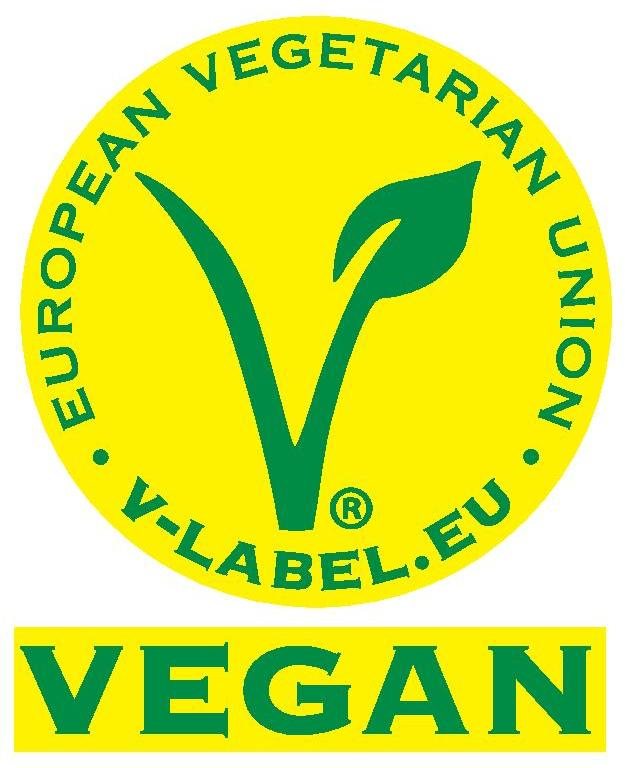
The V-Label mark presents itself as a registered seal for vegan and vegetarian products, born in Switzerland in 1996. On its website it states more than 70,000 products licensed by over 4,800 licensees and partners in more than 50 countries. The criteria page for producers refers to a licensing process, which should be read on the body's website because the technical details are not reported on the criteria page listed in the sources.
The Vegan Society manages its own Vegan Trademark, which the same page describes as the world's most widely used third-party vegan certification scheme. The scheme has certified products and ingredients since 1990, and an in-house team checks every certification application while working with producers and suppliers. Again, that page does not list the requirements for wine, so before submitting an application you need the complete documentation from the website.
| Scheme | Launch | Figure stated on the website | What it certifies |
|---|---|---|---|
| V-Label | 1996, Switzerland | Over 70,000 products, more than 4,800 licensees | Vegan and vegetarian products |
| Vegan Trademark | 1990 | Over 70,000 certified products worldwide | Vegan products and ingredients |
Other private and regional schemes exist. They are not covered by the sources listed at the end: before choosing one, check the requirements on the body's website and ask your importer which mark is recognised in their country.
How to write the claim and what to document
The claim should be made only when the batch is genuinely free of animal treatments. A correct wording is simple: "vegan wine, process without fining agents of animal origin", followed, if applicable, by the name of the certification body and the year of certification. Avoid generic wording such as "100% natural" or "suitable for vegans", which indicates neither the process nor who verifies it.
For each batch, keep the technical data sheet of every fining aid, the supplier declaration stating its origin, the cellar treatment log with dates and doses, and the certificate of the mark if you use one. The log is the document the buyer asks for first, because it links the claim to the batch that arrives. If a fining aid changes supplier, the claim must be re-verified before the next shipment.
Which markets ask for it most
The topic often arises from requests by importers in the United Kingdom, Germany and the Nordic countries. In the United Kingdom the question arises mainly in the restaurant and pub channel, where the buyer must answer customers about wine ingredients, as we describe in on-trade in the United Kingdom: restaurants, pubs and Italian wine. In the Nordic countries the request comes instead through tenders and monopolies, where documentation is asked for before the order: the framework is in Nordic monopolies: tenders, Systembolaget, Vinmonopolet and Alko.
In any case, the specific requirement varies from importer to importer. Before preparing the dossier, ask the buyer which proof they want to receive: a producer declaration, a third-party certificate or the fining aid data sheets.
Frequently asked questions
How can you tell if a wine is vegan?
A wine is vegan when no step of the process uses substances of animal origin. The check is made by reading the technical data sheets of the fining aids and the cellar logs, not the label. A third-party certificate adds an independent verification.
Is wine fined with bentonite vegan?
Bentonite is a mineral clay and does not come from animals, so in itself it does not rule out the claim. You must still verify that the batch has not also used casein, albumin or gelatine in the same process. Checking the fining aids remains mandatory.
Do you need a certification to write "vegan" on the label?
The European Union does not have a definition of "vegan" for wine that requires certification. However, you need to be able to demonstrate the process, and a third-party mark is the easiest proof to present to an importer. The choice should be agreed with the target market.
Is vegan wine free of allergens?
No. A vegan wine may contain allergens other than animal fining aids, and the absence of animal substances says nothing about sulphites or other ingredients. For the label, what counts is the actual list for the batch, verified through the data sheet of each treatment.
Sources
- Which wine marketplaces accept third-party sellers
- UK Wine Duty by ABV: What Importers Pay per Bottle
- Wine consortia explained: erga omnes, neck strips and export
- Export Sales Terms for Wine: Essential Clauses
- Dealcoholised wine: EU rules, techniques and labelling
- Shipping Wine to Switzerland: Duties and VAT for Buyers