The Pinot of Pinots: From Vine to International Market Success
The "Pinot di Pinot" represents an export opportunity for Italian wineries due to its fascinating history and enological peculiarities. Understanding the unique characteristics of this grape family, which includes varieties like Pinot Noir, Chardonnay, and Pinot Grigio, is crucial for effectively positioning oneself in international markets. This article explores the origins, qualities, and market potential of these grape varieties, offering a guide to enhancing their value abroad. Further Reading: MASAF — National Register of Vine Varieties.
What are the Origins and Identity of "Pinot di Pinot"?
The "Pinot di Pinot" designation does not refer to a single grape variety but to a group of related varieties, including Pinot Noir, considered an ancient grape with possible origins in Burgundy. Through centuries of selection and crossing, it has given rise to grape varieties like Chardonnay, Pinot Bianco, Pinot Meunier, and Pinot Grigio. The Pinot family is characterized by significant genetic variability, which manifests in different forms and colors of the clusters and berries.
Pinot Noir, in particular, has an ancient history that some historians trace back to 312 AD in Burgundy. Benedictine monasteries played a key role in its selection and spread. Its evolution has led to the creation of numerous grape varieties cultivated today, demonstrating a complex network of historical and ampelographic relationships.
How Does Genetic Variability Manifest in the Pinot Family?
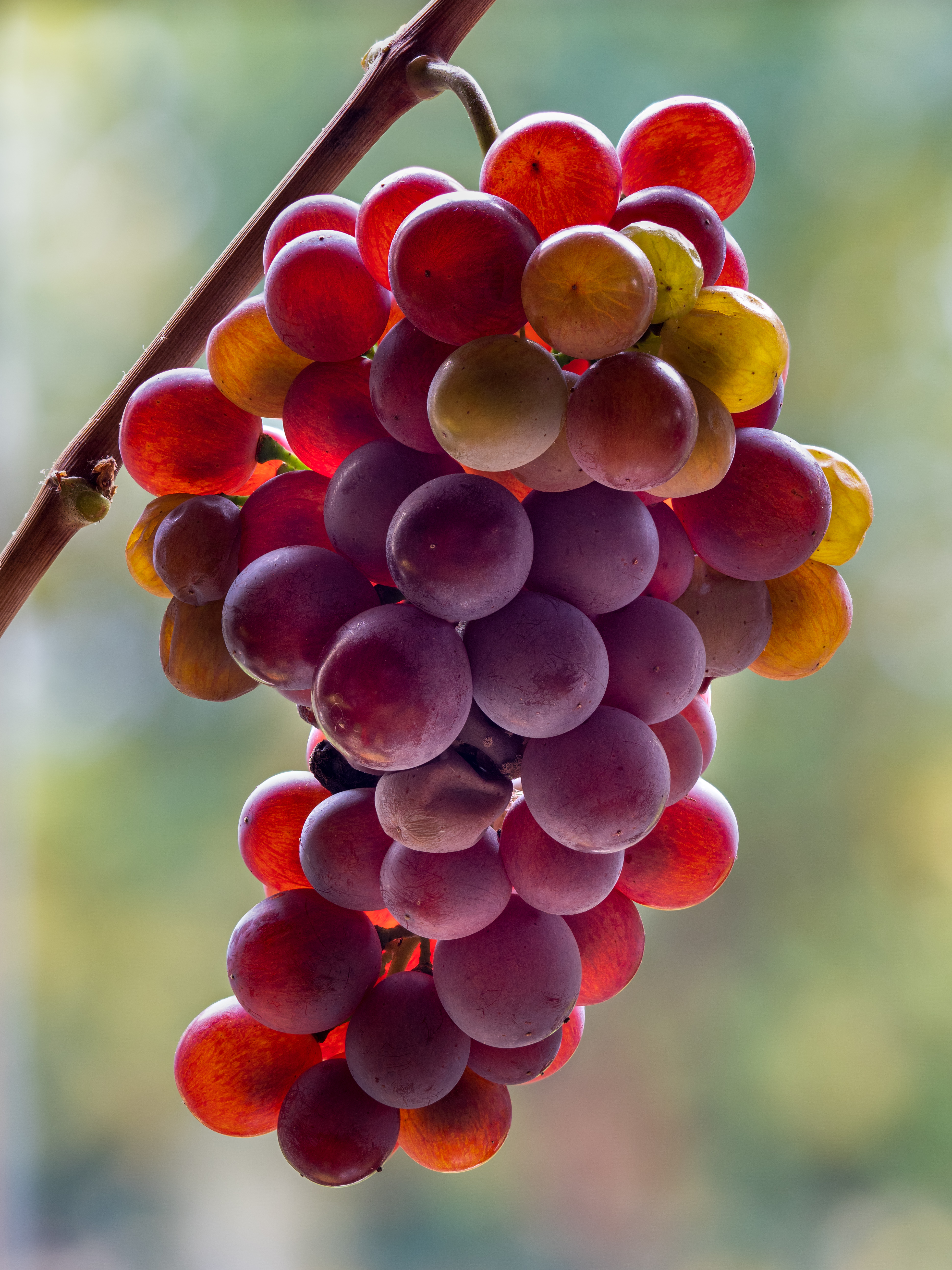
The Pinot family is inherently variable. Pinot Grigio, for example, is known for its plasticity, producing clusters and berries of varying sizes. This genetic mutation can lead to clusters with different colors, from white to ash blue-gray, and even chimeras. The quality of the grape and wine depends on the specific selected variety and the size of the clusters and berries, influencing yields and final quality.
This genetic diversity is a distinguishing characteristic of the Pinot family. The variability is reflected in the morphology of the clusters and berries, which can exhibit different sizes and compactness. This heterogeneity is fundamental to understanding the enological potential of each variety.
Is There a Link Between Picolit and the "Pinot di Pinot" Designation?
Picolit, an ancient Friulian grape variety, is sometimes associated by synonymy with names such as "Pignolo bianco" or "Pignolo del Piemonte," and even "Pinot." There is no direct lineage connection between Picolit and the "Pinot di Pinot" designation. However, the presence of similar names and the sharing of some enological characteristics suggest a complex network of historical and ampelographic relationships within the Italian wine landscape.
Ampelographic research suggests that, while there is no direct lineage, the nominal proximity and some enological similarities between Picolit and Pinot varieties indicate a shared history or mutual influences over centuries.
What are the Enological Characteristics of Picolit?
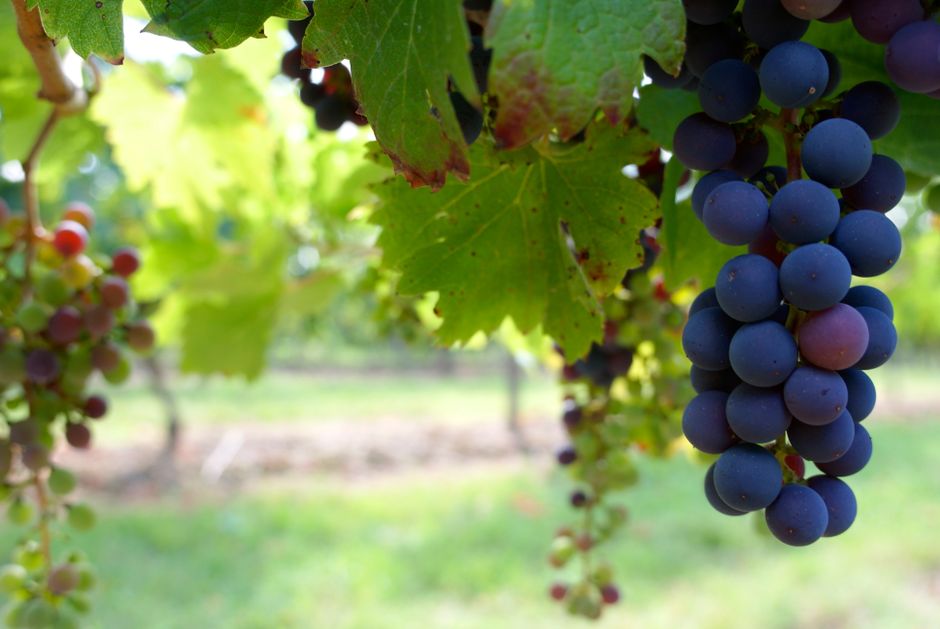
Picolit exhibits sugar values (°Brix) around 20.2, acidity of 6.0 g/l, and a pH of 3.45. The resulting wine is described as a full-bodied, aging dessert wine, with a deep straw-yellow color, alcoholic, delicately fragrant, harmonious, dry or sweet, with an enveloping aroma evoking notes of honey, ripe peach, and floral nuances. It is considered a high-quality dessert wine, particularly appreciated when produced from dried grapes.
These characteristics make it a prized dessert wine, appreciated for its aromatic complexity and longevity. The notes of honey and ripe fruit distinguish it, making it an excellent choice for the high-end sweet wine market.
What are the Characteristics of Pinot Grigio and its Productive Potential?
Pinot Grigio can produce wines with a straw-yellow color, harmonious, velvety, and savory. It is versatile, suitable for table wines, dessert wines, or sparkling wines, and can yield a fortified wine if harvested late. Analytical specifications for "delle Venezie" Pinot Grigio indicate a minimum volumetric alcohol content of 11% and a minimum non-reducing extract of 15 g/l. On the nose, it presents fruity hints of pear and apple, extending to tropical fruits, with possible notes of white flowers. On the palate, it is fresh, balanced, harmonious, ranging from dry to off-dry.
To optimize quality, Pinot Grigio should limit its productive potential to 90-100
Frequently Asked Questions
Question 1
Which grape varieties are included in the "Pinot di Pinot" family, and what are their historical origins? The "Pinot di Pinot" designation includes related varieties such as Pinot Noir, Chardonnay, and Pinot Grigio. Pinot Noir, considered an ancient grape, has possible origins in Burgundy, and its evolution has led to the creation of numerous grape varieties cultivated today.
Question 2
How does the genetic variability of Pinot Grigio affect wine production? The plasticity of Pinot Grigio manifests in clusters and berries of varying sizes, which can exhibit different colors and even chimeras. The quality of the grape and wine depends on the specific selected variety and the size of the clusters and berries, influencing yields and final quality.
Question 3
What are the enological characteristics of Picolit, and why is it sometimes associated with Pinot varieties? Picolit exhibits sugar values around 20.2 °Brix and an acidity of 6.0 g/l, producing a full-bodied, aging dessert wine with notes of honey and ripe peach. Although there is no direct lineage connection, the nominal proximity and some enological similarities suggest a complex network of historical and ampelographic relationships.