Rabosello: Cultivation, Characteristics, and Opportunities for the Wine Market
The world of wine is continuously expanding, and the valorization of indigenous grape varieties like Rabosello can be a fundamental strategic lever for export. This article explores the origins, ampelographic peculiarities, cultivation needs, and international market potential of Rabosello. The objective is to provide Italian wineries with concrete insights to diversify their offerings and conquer new markets, leveraging the uniqueness of this less-known but rich-in-history and distinctive grape variety. Deep Dive: MASAF — National Register of Vine Varieties.
What are the origins of the Rabosello grape variety?
The origins of the Rabosello grape variety are suggested by ampelographic and historical evidence pointing towards the Caucasus region, with a specific provenance from Azerbaijan. From here, it is believed to have spread to neighboring regions like Armenia and Uzbekistan. Associated synonyms include Sveni and Scireni.
Its presence in these geographical areas, with diversified climates and soils, has contributed to shaping its adaptive characteristics. Despite its roots, Rabosello has not achieved widespread global diffusion, remaining confined mainly to its areas of origin or specific cultivation niches. This aspect can represent a competitive advantage for export, attracting the interest of importers and consumers seeking novelty and authenticity.

What are the ampelographic characteristics of Rabosello?
The analysis of Rabosello's ampelographic traits reveals crucial distinctive features for understanding its vineyard behavior and wine qualities. The apex of the shoot and young leaves are woolly and yellow. Adult leaves are typically pentalobed, medium-sized, with U-shaped or lyre-shaped petiolar sinuses, often closed.
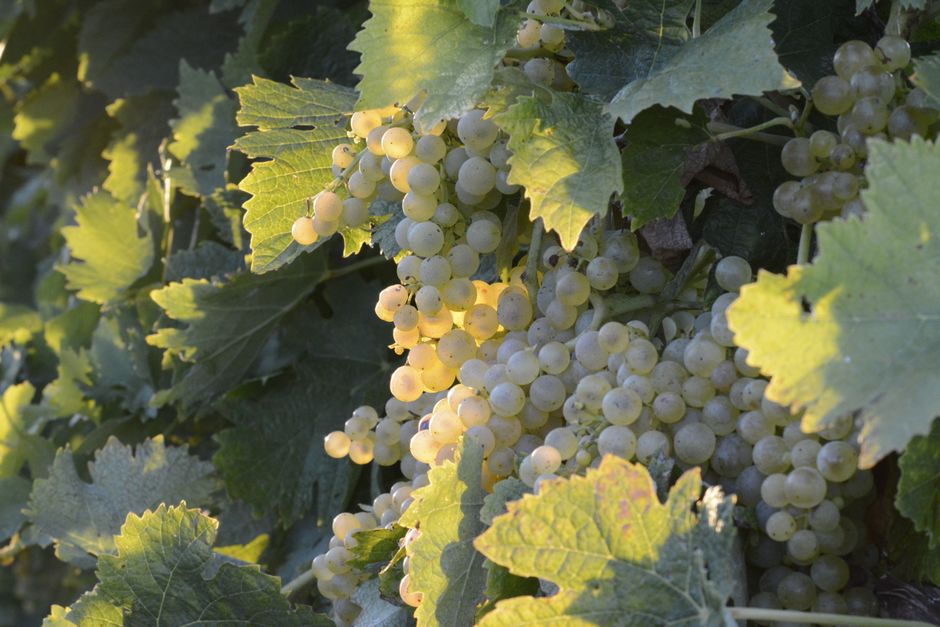
The upper surface of the leaf shows undulations and can be blistered, while the lower surface is characterized by widespread tomentosity. Other studies describe the leaf as small, with five lobes and deep upper sinuses, thick, wrinkled, and rough on top, slightly woolly underneath, with yellowish spots on the periphery. The bunch is medium-sized, with variable compactness, conical or cylindrical in shape, sometimes compound with wings. The berry is medium-sized, round, with a red-black skin, thin peel, and consistent pulp.
What are the environmental and cultivation requirements for Rabosello?
Rabosello prefers cool, fertile, and deep soils with good drainage. It adapts well to humid climates, but also to well-exposed or hilly and sunny terroirs. Its vigor is generally high, requiring long pruning or cordon training systems to optimize fruiting.
However, the grape variety can be sensitive to certain adversities. It is susceptible to late frosts and coulure (shatter). Some sources indicate sensitivity to downy mildew and powdery mildew, although it is generally considered to have low susceptibility to the main fungal diseases. Agronomic management must therefore consider these specificities to ensure healthy and consistent production.
What are the characteristics of the must and wine obtained from Rabosello?
The characteristics of Rabosello must vary depending on cultivation conditions. Acidity values around 6.2‰ or 8.2‰ are recorded, and sugar levels can vary significantly, from 17.5% to 25.5% Brix. Other data indicate sugars between 20°-21° Brix and 22.0%.
The resulting wine is generally described as light to intense ruby red, with a soft, low-tannin, full-bodied, harmonious, velvety, and sapid taste. The high must yield suggests potential for producing wines with diverse characteristics, depending on winemaking techniques. It is interesting to note the possibility of vinifying Rabosello grapes with other varieties, opening up blending strategies to create complex wines. Historically, Rabosello was also used as a table grape.
What is the export potential of the Rabosello grape variety?
The international wine market is increasingly seeking authenticity and less conventional grape varieties. Rabosello, with its Caucasian origins, distinctive ampelographic characteristics, and oenological potential, fits perfectly into this trend.
Strengths for Export:
- Novelty and Originality: Being less widespread, Rabosello can represent a novelty for many foreign markets, attracting the attention of importers and consumers eager to discover new flavors.
- History and Terroir: Its origins in regions historically linked to winemaking offer a fascinating narrative to leverage in marketing strategies.
- Oenological Versatility: The possibility of producing wines with different nuances and its adaptability to blends allow it to meet diverse market demands.
- Niche Market: Rabosello can be positioned in premium or niche market segments, where uniqueness and quality are more appreciated.
Challenges and Considerations for Export:
- Market Knowledge: Work on education and promotion will be necessary to make international buyers aware of the grape variety and its qualities.
- Production Standardization: Ensuring consistent and recognizable quality of Rabosello wine will be fundamental for building a solid reputation in foreign markets.
- Competition: The market for indigenous wines is growing, and Rabosello will need to distinguish itself from other less-known but already present grape varieties.
Frequently Asked Questions
Is Rabosello a grape variety suitable for all climates?
Rabosello prefers cool, fertile, and deep soils with good drainage, and adapts well to humid climates or well-exposed and sunny terroirs. It can be sensitive to late frosts.
What are the main adversities to which Rabosello is susceptible?
The grape variety can be susceptible to late frosts and coulure (shatter). Some sources indicate sensitivity to downy mildew and powdery mildew, although it is generally considered to have low susceptibility to the main fungal diseases.
Can Rabosello wine be blended with other grape varieties?
Yes, an interesting characteristic of Rabosello is the possibility of vinifying its grapes with those of other varieties, which opens up blending strategies to create complex and interesting wines.
The Rabosello grape variety represents an interesting opportunity for Italian wineries wishing to explore new horizons in wine export. Its historical roots, unique ampelographic characteristics, and oenological potential, if properly valued, can enable the conquest of niche markets and attract a consumer base seeking authenticity and innovation. A careful marketing and communication strategy, focused on narrating its history and the quality of the wine, will be the key to unlocking Rabosello's full export potential.