Chardonnay: The Grape Variety's Identity and its Market Opportunities
Pinot Chardonnay, commonly known as Chardonnay, is a world-renowned white grape variety, essential for Italian wine exports. Its adaptability to diverse terroirs and its enological versatility make it a leading choice for high-quality sparkling and still wines. This article explores its characteristics, market potential, and strategies for international success, providing Italian wineries with a clear framework to expand their global presence with this premium grape. Learn more: MASAF — National Register of Vine Varieties.
What are the ampelographic and agronomic characteristics of the Chardonnay grape?
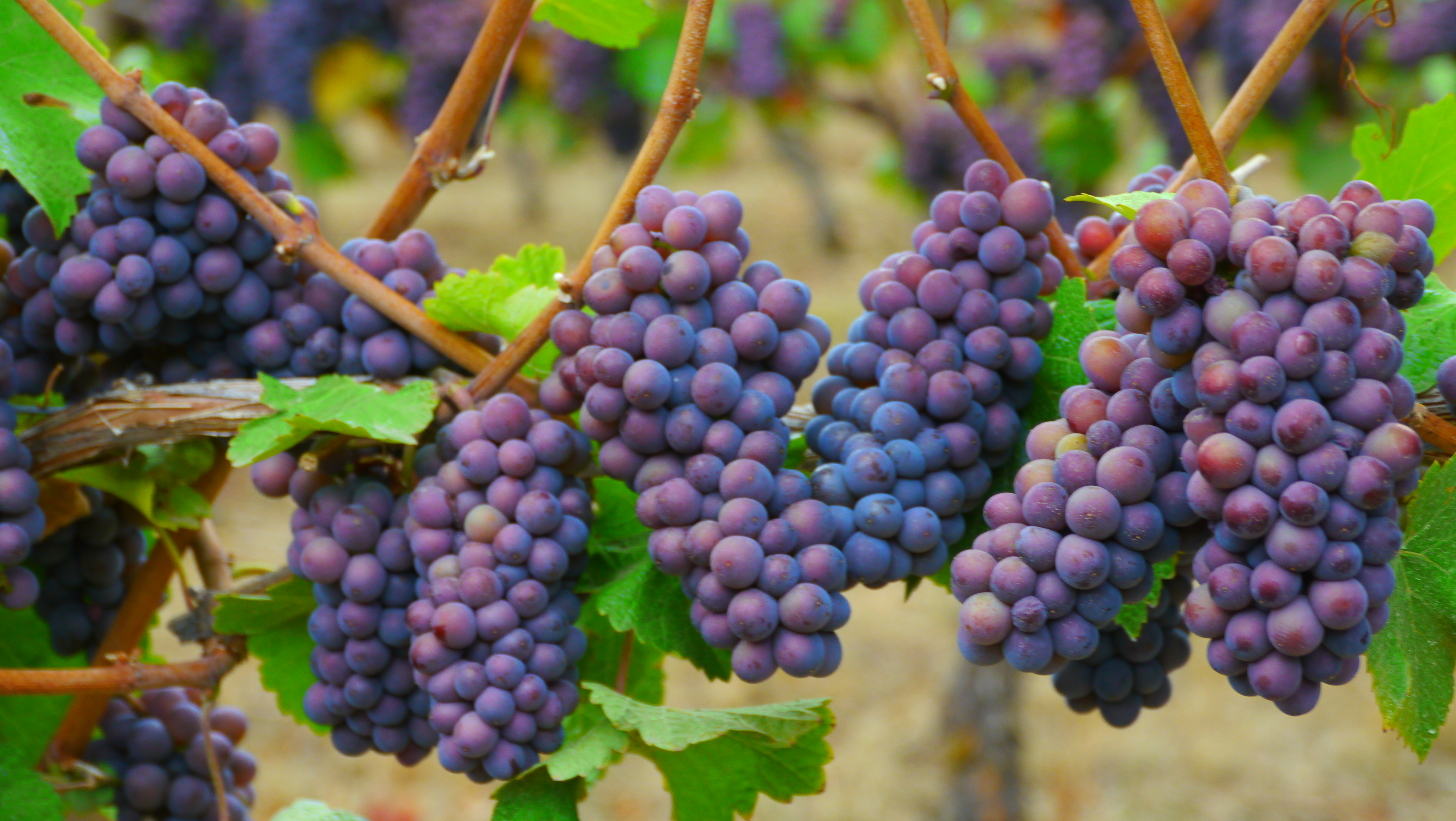
Chardonnay, officially distinct in 1978, features medium to large leaves, orbicular or slightly reniform, with three or five lobes. The petiole sinus is often closed, while the upper lateral sinuses are open. The upper leaf surface is slightly pubescent, the lower surface glabrous. The teeth are large and pronounced, with veins that can show carmine hues. Its autumnal coloration is yellow.
The shoot is intense hazelnut colored, tending towards purplish, with distinct nodes and medium-short internodes (10-12 cm). Budding and yield are generally good, with excellent vigor. The varietal shows good tolerance to fungal diseases and pests but can be sensitive to botrytis and chlorosis.
What soils does Chardonnay prefer, and how do they influence quality?
Chardonnay adapts to various soils, favoring loamy, alluvial, and not excessively chlorotic types. However, the highest quality productions are often achieved in calcareous and infertile soils. Clonal selections are crucial for optimizing its attributes, influencing the acidity, aromatic profile, and aging potential.
What are the enological potentials of Chardonnay, and what wine styles can it produce?
Chardonnay is renowned for producing high-quality wines, both still and sparkling. It exhibits high alcohol content and fixed acidity, contributing fineness, elegance, and structure. Primary aromas recall golden apple and bread crust, evolving with aging towards hints of artemisia.
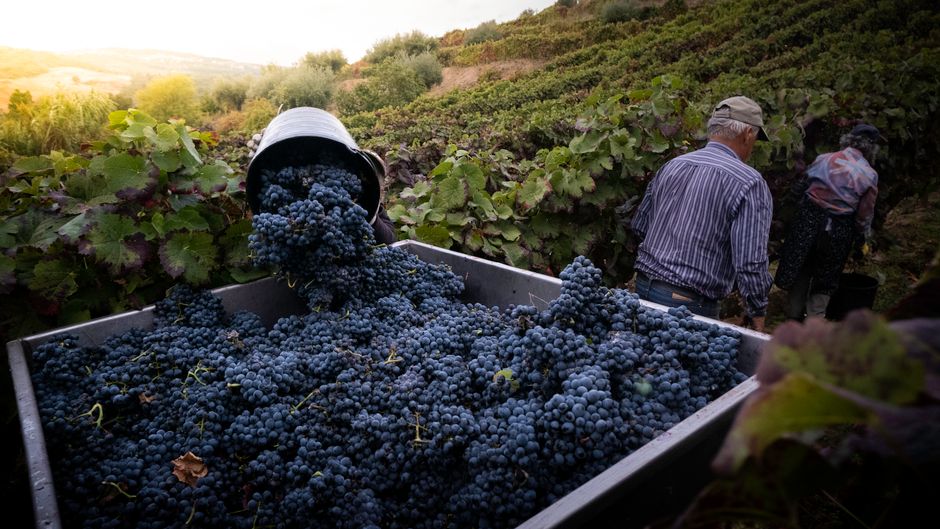
In Italy, Chardonnay is widespread in regions such as Lombardy (Franciacorta), Trentino, Alto Adige, and Friuli-Venezia Giulia, as well as in Puglia. Local characteristics allow for the production of sparkling wine bases or fresh, fruity wines. In areas like Porcia, it demonstrates an aptitude for producing sparkling bases with good sugar levels and high acidity.
How does Italian Chardonnay position itself in foreign markets, and what are the opportunities?
Chardonnay is a global grape variety, appreciated in both mature and emerging markets. Its recognizability and reputation for quality make it a preferred choice for international importers.
Key Markets:
- United States: A large wine consumer with strong demand for Chardonnay across various price points and styles.
- Europe (United Kingdom, Germany, Scandinavia): Markets with long winemaking traditions that appreciate the elegance and complexity of Italian Chardonnay. Sweden and Norway show growing interest.
- Asia (China, Japan): Growing demand for quality Western wines; Chardonnay can be an effective entry point.
- Australia and New Zealand: Room for Italian wines with unique characteristics and distinctive origins.
- South America (Brazil, Ecuador): Emerging markets with growth potential for imported wines.
Export Strategies:
- Territorial Differentiation: Highlighting the Italian origin and specific terroir characteristics (e.g., Franciacorta, Alto Adige) distinguishes Italian Chardonnay.
- Quality and Consistency: Maintaining high-quality standards and consistent production is crucial for building trust.
- Buyer Targeting: Identifying importers and distributors specializing in high-quality or Italian wines optimizes sales efforts.
- Storytelling: Sharing the grape's story, cultivation and winemaking techniques, and its connection to the Italian territory creates perceived added value, even if the primary target is buyers.
How does Wines Export support Italian wineries in promoting Chardonnay?
Wines Export's network includes Italian Chardonnay producers, offering a diverse range of styles, from classic method sparkling wines to structured still whites. This facilitates connections between international buyers and reliable suppliers capable of meeting specific needs for aperitif or aging wines.
Frequently Asked Questions
What characteristics make Chardonnay ideal for sparkling wine production?
Chardonnay possesses good sugar content and high acidity, which are fundamental characteristics for creating elegant and long-lived sparkling wine bases, such as those used for the classic method.
How does Italian Chardonnay differ from Chardonnay of other origins for a foreign buyer?
Italian Chardonnay stands out through the expression of its specific terroir, traditional winemaking techniques, and the unique connection to the land, offering distinctive aromatic and gustatory profiles that can attract international markets.
Which European markets are showing increasing interest in Italian Chardonnay?
Markets such as Sweden and Norway are showing growing interest in quality wines, including those based on Italian Chardonnay, indicating potential for expansion in these areas.
Pinot Chardonnay represents an excellent opportunity for Italian wineries looking to expand their presence in international markets. Its versatility, intrinsic quality, and ability to express the Italian territory make it an ambassador of Italian wine worldwide. Wines Export is the ideal partner to connect Italian producers with global buyers interested in offering the best of Italian Chardonnay.