Pinot Noir: From Vine to International Market for Italian Wineries
Pinot Noir, a grape variety evoking elegance and complexity, represents both a challenge and an opportunity for Italian wineries aiming for international expansion. Its versatility, millennia-old history, and unique organoleptic characteristics make it a key player in the global wine scene, capable of attracting a discerning audience and highlighting Italian terroir. A thorough understanding of this noble grape is the first step to conquering new markets. Learn more: MASAF — National Register of Vine Varieties.
Where Does the History of Pinot Noir Originate?
The history of Pinot Noir is rooted in ancient Europe. Some historians suggest that a vineyard mentioned in a document from 312 AD in the Autun area (modern-day Côte de Nuits in Burgundy) was already dedicated to this grape, indicating a reputation for high quality dating back to ancient times.
During the Middle Ages, Benedictine monasteries were instrumental in the selection and dissemination of Pinot Noir. Their meticulous work not only favored its propagation but also led Pinot Noir to become the progenitor of numerous other grape varieties, including Chardonnay, through natural crosses and selections.
How Many Varieties of Pinot Noir Exist?
Over fifty different types of Pinot exist, many of which have become renowned and are widely used in global wine production. Among these, Pinot Bianco, Pinot Meunier, and Pinot Grigio stand out. While sharing the same name, they possess distinct profiles and unique characteristics.
How Does Terroir Influence Pinot Noir?
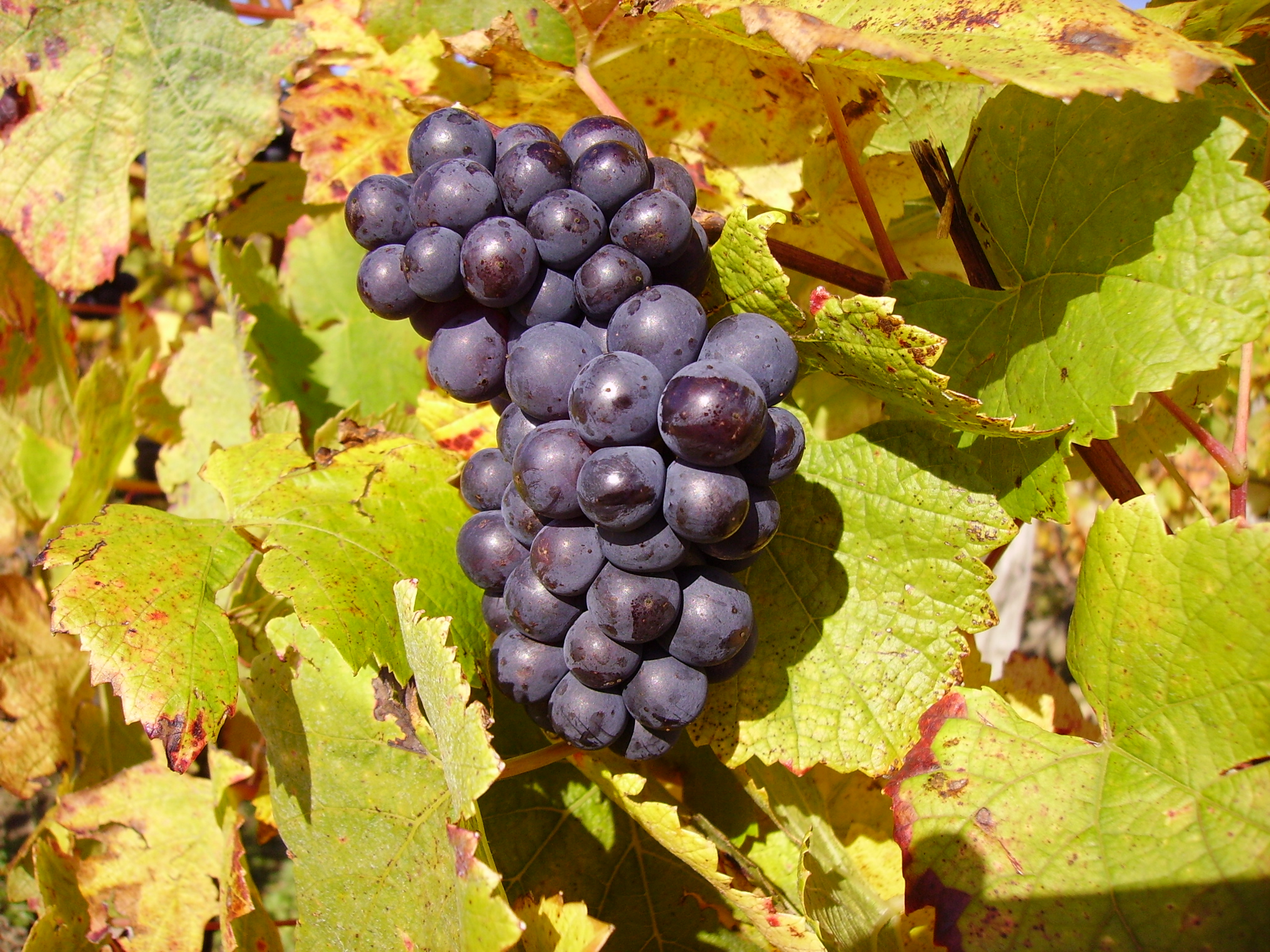
Pinot Noir is renowned for its exceptional ability to express the characteristics of the terroir in which it is cultivated. Its aromatic notes vary significantly, ranging from red fruits like strawberry and raspberry to darker scents such as blueberry.
Loess soils tend to produce lighter and paler wines, with low tannins and pronounced freshness. Other soil types can yield wines with moderate to high tannins and greater structure. Acidity, generally moderate to high, is a constant that contributes to longevity.
What is the Impact of Climate on Pinot Noir's Characteristics?
Cool climates, moderated by large bodies of water like the Pacific Ocean, are ideal for Pinot Noir. They allow for a significant daily temperature fluctuation between warm days and cool nights, preserving the wine's characteristic acidity.
Vineyard slope and altitude further influence ripening conditions, offering a wide range of stylistic nuances. In the United States, the Willamette Valley in Oregon is renowned for its Pinot Noir, characterized by brilliance and vibrant acidity, thanks to nighttime temperatures ranging between 16.5 and 22 °C.
Where is Pinot Noir Cultivated in Italy?
Although Burgundy is its premier territory, Pinot Noir has also found fertile ground in Italy. Northern Italian regions are particularly well-suited, with Oltrepò Pavese standing out as the third-largest area globally in terms of vineyard surface dedicated to this grape.
Following are Trentino, Alto Adige, and Valle d'Aosta, where Pinot Noir is also valued in premium productions, such as the "VdA Pinot Nero Coin Noble 2023" from Cave des Onze Communes. In Italy, two main types exist: one for white vinification (sparkling wines) and one for structured red wines.
What is the Export Potential of Italian Pinot Noir?
Pinot Noir represents an excellent export opportunity for Italian wineries due to its global reputation and the growing demand for quality wines. Its history and connection to Burgundy lend it an aura of prestige that attracts international consumers.
Its versatility, capable of producing different styles (from elegant reds to high-end sparkling wines), makes it suitable for diverse market preferences. High-quality Pinot Noir possesses significant aging potential, highly appreciated by connoisseurs and collectors.
Markets such as the United States, Japan, and Brazil are showing increasing interest in quality Italian wines. The 500,000 bottles produced annually in Valle d'Aosta, for example, already reach international markets, demonstrating distribution potential.
Frequently Asked Questions
What are the main differences between the various types of Pinot?
Different types of Pinot, such as Pinot Bianco, Pinot Meunier, and Pinot Grigio, while sharing the name, have distinct profiles and unique characteristics in terms of aromas, structure, and aging potential.
Which foreign markets show growing interest in Italian Pinot Noir?
Markets such as the United States, Japan, and Brazil are showing growing interest in quality Italian wines, including international varietals like Pinot Noir.
How does soil choice influence the taste of a Pinot Noir?
Loess soils tend to lend the wine a lighter color and a lighter structure, with low tannins and pronounced freshness. Other soil types can lead to wines with moderate to high tannins and greater structure.
Pinot Noir is more than just a grape variety; it is a symbol of elegance, history, and terroir. For Italian wineries, it represents a stimulating challenge that, if approached with the right strategy, can translate into significant growth opportunities in international markets. A deep understanding of its characteristics, highlighting its history, and adapting production to the needs of global markets are the key steps to transforming this noble grape into an export success.