Raboso: Enhancing and Selling Your Wine Abroad
The Raboso grape variety, with its distinct personality and deep roots in Italian territory, represents an oenological gem with significant export potential. Characterized by wines of great structure, vibrant acidity, and a distinctive tannic profile, this indigenous grape is gaining attention in international markets. For Italian wineries looking beyond national borders, understanding the peculiarities of Raboso and its potential applications in modern winemaking is crucial for seizing new business opportunities and offering the world an authentic expression of Italian terroir. In-depth study: MASAF — National Register of Vine Varieties.
Where Does the Raboso Grape Variety Originate?
The history of the Raboso grape variety is shrouded in mystery and debate among scholars. Some hypotheses link it to the ancient "Pucino" mentioned by Pliny, although this theory is subject to discussion. The first documented records date back to the Annals of Friuli by Manzano, where the grape appears in contexts of hospitality and donations in 15th-century Friuli. This long history attests to its deeply rooted presence in Italian viticulture, particularly in the northeastern regions of Italy.
What are the Synonyms and Variants of Raboso?
The Italian ampelographic landscape is rich in nuances, and Raboso is no exception. Among the synonyms and variants historically associated or confused with Raboso, we find Terrano del Carso, often considered a variant or synonym, which shares some characteristics but presents distinct peculiarities linked to the Karst terroir. Other historical names referring to local variants or synonyms of Raboso or related grape varieties include Magnacan, Cagnina, Crodarina, and Crnina (black wine). It is essential for wineries intending to export Raboso to have a clear understanding of these distinctions to ensure correct product labeling and communication.
What are the Environmental and Cultivation Needs of Raboso?
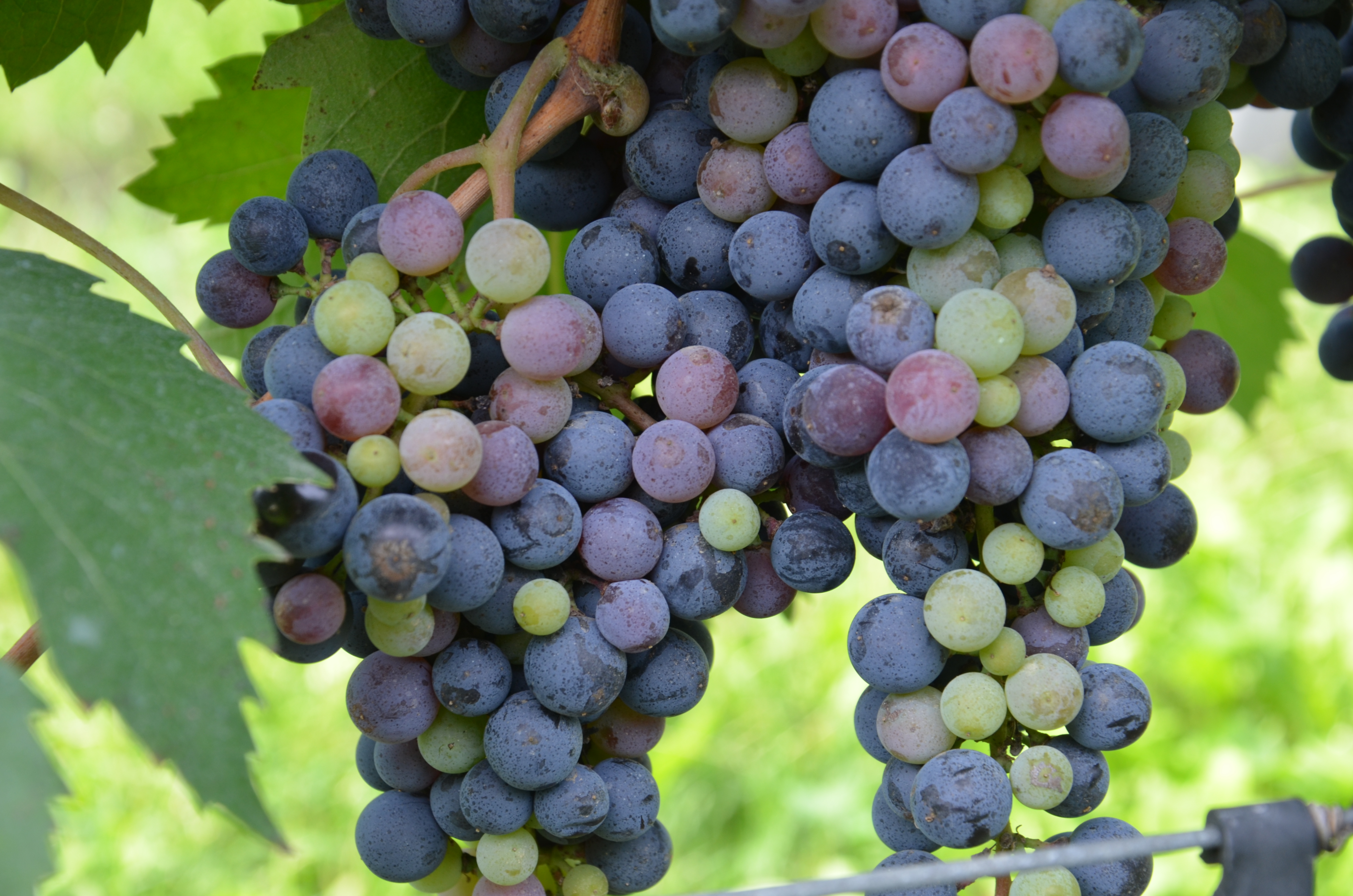
The Raboso grape variety is known for its high vigor and consistent fertility. It prefers cool soils, particularly those in plains, but also adapts to dry clay soils or alluvial soils, provided there is sufficient water availability during the summer period. Agronomic management requires attention: its vigor necessitates appropriate pruning to control growth and promote balanced production. Training systems with low trunks and short but abundant pruning are often recommended to optimize sun exposure and vineyard management.
What is Raboso's Sensitivity to Diseases and Adversities?
Raboso shows good resistance to downy mildew and powdery mildew, although it can be moderately sensitive to downy mildew. It demonstrates fair resistance to noble rot and acidic spoilage. Its tolerance to winter frosts is good, contributing to its cultivation reliability in colder climates, making it an interesting candidate for various wine regions.
What are the Characteristics of Raboso Must?
The average values found for Raboso must vary but tend to indicate good sugar potential and marked acidity. Sugars are recorded around 19.0 °Brix or 20.45 °Brix, with acidity that can range from 6.9 g/l to 12.7 g/l or 9.5 g/l. The pH generally settles around 3.21. These parameters suggest the production of wines with good potential alcohol content and inherent freshness, key elements for export.
What are the Characteristics of Raboso Wine?
Wine made from Raboso is typically intense ruby red in color, sometimes with hues ranging from light red to ruby. On the nose, pronounced vinous notes can be perceived, with hints of blackberry and sour cherry, and an intense aroma of spices. On the palate, Raboso stands out for its tart flavor and high tannin content. Long maceration further accentuates the color and tannic structure, giving the wine a decisive character and remarkable aging potential.
How is Raboso Used in Winemaking and What is Its Potential?
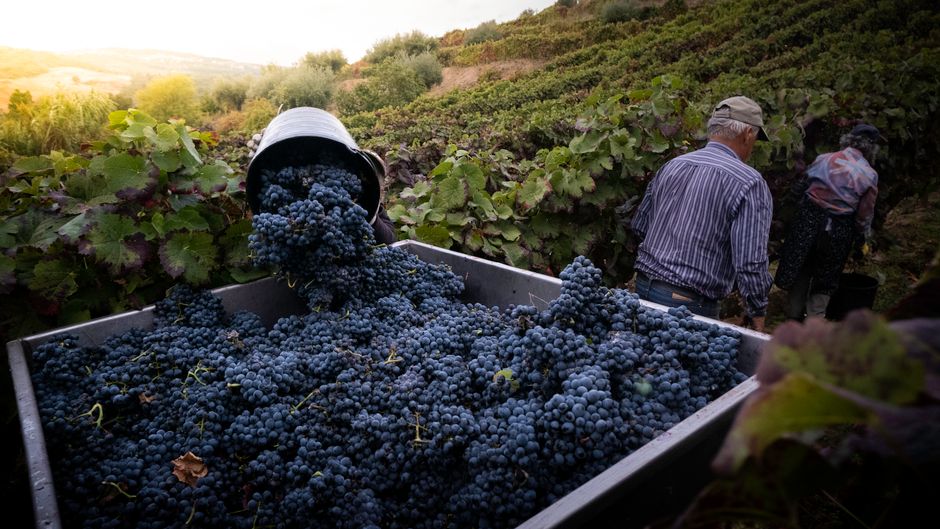
Traditionally, Raboso has been used both as a varietal and in blends with other grape varieties, such as Refosco dal peduncolo rosso, to which it imparts greater aromatic and spicy complexity. Its tannic structure and acidity make it an excellent candidate for blending wines, capable of adding body and longevity to cuvées. However, its potential is not limited to this: with long macerations, Raboso can yield wines of the highest quality, with very high tannin content, suitable for aging. This aspect is particularly relevant for foreign markets that appreciate structured wines capable of evolving over time.
Why Does Raboso Have Export Potential?
The growing global interest in Italian indigenous grape varieties, combined with the search for wines with character and distinctive identity, opens up interesting prospects for Raboso in international markets. Its uniqueness and authenticity, the structure and longevity of its wines, its oenological versatility, and its food pairing potential are attractive factors for foreign buyers seeking distinctive products capable of offering a complete sensory experience.
What are the Attractive Factors of Raboso for Foreign Buyers?
- Uniqueness and Authenticity: Raboso, being an indigenous grape variety with a well-defined history, offers an element of uniqueness that foreign consumers increasingly seek. Its Italian origin and peculiarities distinguish it from more common international grape varieties.
- Structure and Longevity: Structured, tannic red wines with good aging potential are highly appreciated in markets such as the United States, Canada, the United Kingdom, and Nordic countries. Raboso perfectly meets these demands, offering wines that can evolve positively in the bottle.
- Oenological Versatility: Raboso's ability to produce intense and tannic wines, as well as fresher and fruitier ones depending on winemaking techniques, makes it versatile. It can be offered both as a premium aging wine and as a more immediate and fruity wine, adapting to different market segments and consumer preferences.
- Food Pairing Potential: The acidity and tannins of Raboso make it an excellent companion for robust Italian and international dishes, such as red meats, game, and aged cheeses. This characteristic is a strong selling point for buyers seeking wines that can enhance the culinary experience.
What are the Challenges and Opportunities for Wineries Exporting Raboso?
Wineries deciding to focus on Raboso for export must face some challenges, but also seize significant opportunities. Market education, as it is a less known grape variety compared to other indigenous ones, will be necessary through communication and targeted tastings. Defining a clear positioning, highlighting the unique characteristics and the MASAF — National Register of Vine Varieties origin, will be crucial.
Frequently Asked Questions
What are the historical synonyms of the Raboso grape variety and why is it important to know them for export?
Raboso has several historical synonyms and variants, including Terrano del Carso, Magnacan, Cagnina, Crodarina, and Crnina (black wine). It is crucial for wineries intending to export Raboso to have a clear understanding of these distinctions to ensure correct product labeling and communication to foreign markets.
What are the characteristics of Raboso must that make it interesting for producing export wines?
Raboso must exhibits good sugar potential (around 19.0-20.45 °Brix) and marked acidity (from 6.9 to 12.7 g/l), with a pH generally around 3.21. These parameters suggest the production of wines with good potential alcohol content and inherent freshness, key elements for appreciation in international markets.
How do the tannic structure and acidity of Raboso contribute to its aging potential and appeal in foreign markets?
Raboso wine stands out for its high tannin content and tart flavor, which are further accentuated by long macerations. This firm structure gives the wine a remarkable aging capacity, making it particularly appreciated by foreign markets seeking structured wines capable of evolving over time.