Riesling: A Grape Variety of Excellence for Italian Wineries Worldwide
Riesling, a world-renowned white grape variety, represents an oenological gem with a rich history and significant export potential for Italian wineries. Originally from the Rhine regions, this grape has spread globally, adapting to various terroirs and producing wines of extraordinary complexity, longevity, and versatility. Understanding its ampelographic peculiarities, the characteristics of the resulting wine, and its historical origins is fundamental for evaluating the opportunities Riesling can offer to the international market. Read more: MASAF — National Register of Vine Varieties.
Where Does Riesling Originate, and Where Has It Spread?
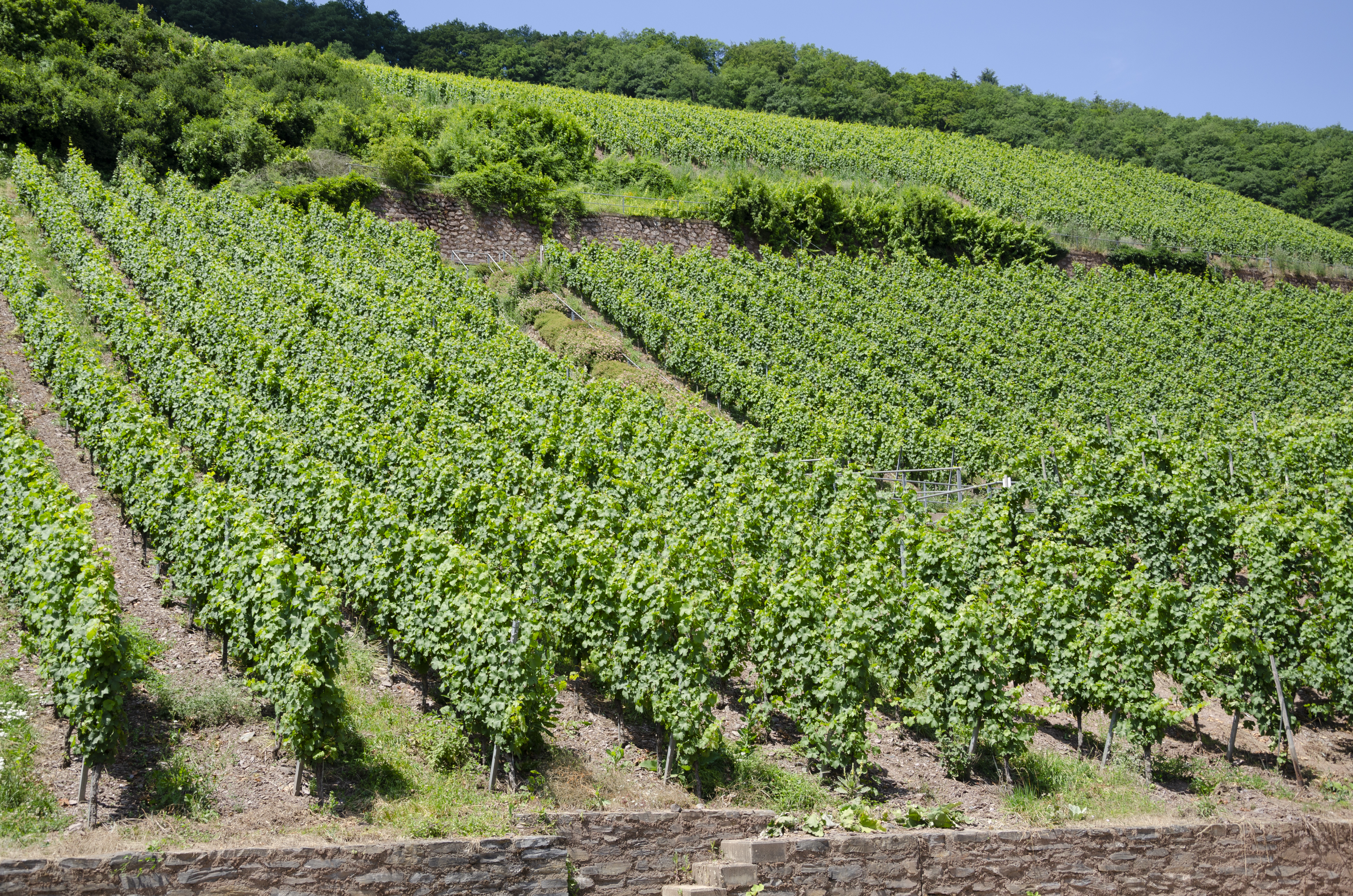
The roots of Riesling are deeply embedded in the valleys of the Rhine and Moselle in Germany, where it is also known as Rheinriesling or Gewürztraube. The first ampelographic descriptions date back to the 19th century, but its presence in these regions is considered immemorial, perhaps even dating back to Roman times. From these primeval lands, Riesling embarked on a journey that led it to colonize vineyards in Austria, France, Switzerland, Hungary, Chile, and California.
In Italy, the grape finds fertile ground in various regions, with significant cultivation in Trentino-Alto Adige, Piedmont, Veneto, Lombardy, and Friuli-Venezia Giulia, although it is present in other areas to a lesser extent. Its ability to adapt to different climates and soils is one of the keys to its global success.
There also exists an eponymous grape variety, the "Riesling" of Banat (Serbia), also known as Banatski riesling. While sharing part of the name, it has distinct origins and characteristics, being considered a Balkan variety. It is important not to confuse these two entities, although both can contribute to the production of quality white wines.
What are the Ampelographic and Agronomic Characteristics of Riesling?
Riesling is a grape variety of medium vigor, with generally low but consistent yields. The shoot presents a brown-hazelnut color with wine-colored streaks, medium-short internodes, and inconspicuous nodes. The buds are conical, and fruit set can be difficult, requiring particular attention in the vineyard.
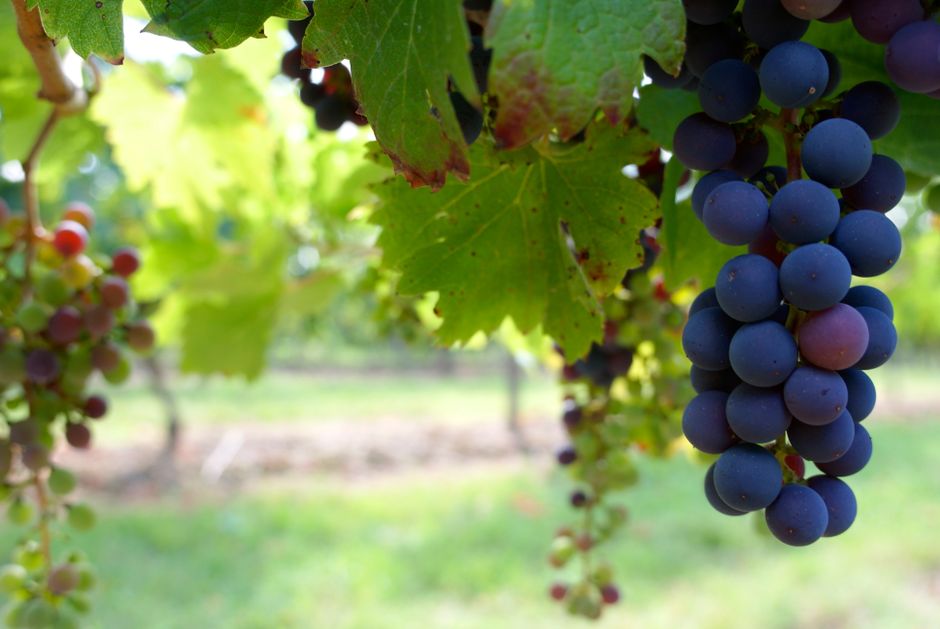
Adult leaves are typically pentalobed, orbicular or slightly reniform in shape, with closed U-shaped petiolar sinuses and open lateral sinuses. In autumn, the foliage turns a color ranging from dark green to intense yellow.
From an agronomic standpoint, Riesling shows reasonable resistance to diseases, although it can be susceptible to downy mildew, powdery mildew, and, in rainy autumns, noble rot. During winter dormancy, the shoot can suffer damage at temperatures below -16°/-18°C. Close planting distances and short pruning are recommended to optimize yield and quality. The grape variety shows affinity with rootstocks such as Kober 5 BB, Teleki 8 B, Teleki 5 C, and SO-4.
What are the Characteristics of Riesling Must and Wine?
Riesling must exhibits medium sugar levels ranging from 18% to 20%, with a titratable acidity of 6.0-7.0 g/l. The must is colorless and not particularly aromatic. The must yield is generally between 65% and 70%.
Wines produced from Riesling are renowned for their exceptional quality, versatility, delicacy, complexity, and longevity. They typically have an alcohol content between 10% and 11%, with a titratable acidity ranging from 5.0 to 6.0 g/l. The color ranges from pale yellow with greenish reflections to straw-yellow and golden, and can even present reddish hues depending on the variety and vintage.
The aromatic characteristics of Riesling are powerful and distinctive, often offering notes of minerality, lime, flowers, and honey. Depending on the terroir, climate, and winemaking techniques, these profiles can vary considerably. Wines from northern regions, cultivated on favorable exposures and slate soils, tend to develop a more intense and distinct bouquet. Reductive winemaking can impart aromas of flint and truffle, while oxidative winemaking can lead to notes of oxidized apples and nuts.
Riesling is capable of producing dry wines, as well as elegant sweet wines, including botrytized ones, made from grapes affected by noble rot. The minerality, often characterized by hints of flint and smoky notes, is a distinctive signature, especially in wines from soils like "Muschelkalk" (shell limestone). Acidity, which can vary from elegant to vibrant, plays a crucial role in the wine's balance, providing freshness and aging potential.
What is the Oenological Use and Export Potential of Riesling?
Varietal Riesling wines are intended for both local consumption and export. Their versatility makes them suitable for various wine types: table, dessert, or sparkling. Late harvest can lead to the production of fortified wines.
Riesling is a grape variety that lends itself magnificently to the expression of terroir, allowing wines to reflect the unique characteristics of the soil and climate. This capacity for "morphing" with the territory, similar to that of Cabernet Sauvignon, makes it an ideal candidate for differentiation in the global market.
The intrinsic characteristics of Riesling – quality, transformational capacity, delicacy, diversity, versatility, complexity, and longevity – make it a grape of great interest for export. Its distinctive aromatic notes and its ability to produce high-quality wines, capable of aging magnificently, attract both established and emerging markets.
Some studies suggest that Riesling needs to be actively "promoted" to fully exploit its potential. However, its "consumer-friendly" nature and its ability to be sold even in aromatic blends make it a strategic option for wineries looking to stand out.
Wines Export and the Territory: Italian wineries that cultivate and vinify Riesling can find in our network of international buyers a privileged channel for export. Although not indigenous to Italy, the grape has found an ideal habitat in some regions of the country, and the resulting wines are appreciated for their quality and uniqueness. Our contact network is capable of evaluating and promoting Italian Riesling wines that distinguish themselves through character, terroir, and market potential.
Frequently Asked Questions
How is Italian Riesling distinguished from other homonymous varieties?
It is important not to confuse Riesling of Rhenish origin with the "Riesling" of Banat (Serbia), also known as Banatski riesling, which has distinct origins and characteristics, being considered a Balkan variety.
What are the main characteristics that make Riesling interesting for export?
The intrinsic characteristics of Riesling – quality, transformational capacity, delicacy, diversity, versatility, complexity, and longevity – make it a grape of significant interest for export, attractive to both established and emerging markets.
Does Italian Riesling adapt well to different terroirs?
Yes, Riesling is a grape variety that lends itself magnificently to the expression of terroir, allowing wines to reflect the unique characteristics of the soil and climate, finding fertile ground in various Italian regions.
Riesling, with its fascinating history, well-defined ampelographic characteristics, and extraordinary oenological versatility, represents a concrete opportunity for Italian wineries wishing to expand their presence in international markets. Its ability to express terroir, combined with a distinctive aromatic and gustatory profile, makes it an ideal ambassador for quality Italian wine abroad. Harnessing the potential of this grape, supported by a targeted export strategy, can open new avenues of success in the competitive global wine landscape.
To explore how the Riesling grape and wines derived from it can fit into your export strategy, request a personalized consultation.