Collio Goriziano or Collio DOC explained: rules, zone, Collio Bianco and Rosso, grape varieties, Riserva and export
Wines Export Editorial · Last updated:
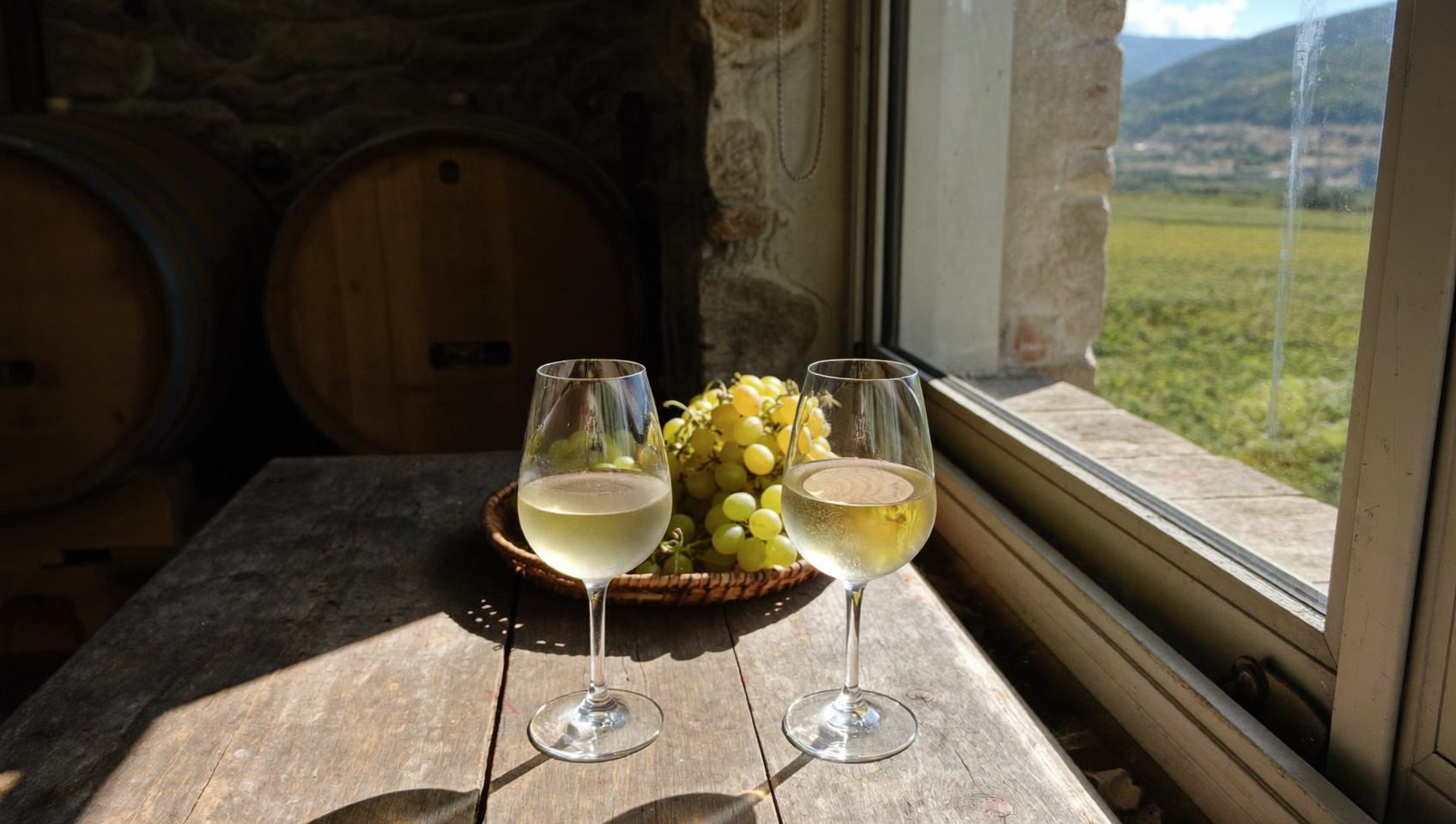
Collio Goriziano or Collio DOC is the denomination for wines from the northern hills of the province of Gorizia, between the Isonzo river to the east, the Judrio stream to the west and the Slovenian border to the north (Collio Goriziano o Collio DOC disciplinare, art. 3 and 9). It covers 19 wine types, thirteen white and six red: Collio Bianco and Collio Rosso, made from several grapes, and seventeen wines that name a grape variety on the label, which must make up at least 85 percent of the estate vineyards the wine comes from, or the name Cabernet (disciplinare, art. 1, 2 and 9). Every type can become a Riserva: 20 months of ageing for whites, 30 for reds, at least six of them in wooden casks (disciplinare, art. 7). The maximum yield is 11 tonnes of grapes per hectare, 4 for Picolit, and the vintage must appear on the label (disciplinare, art. 4 and 8). The DOC was recognised by presidential decree on 24 May 1968; the text published by the Italian Ministry of Agriculture lists the decree of 7 March 2014 as its latest amendment. In 2023 the denomination had 1,300 claimed hectares and put more than 7.3 million bottles on the market (WineNews, 11 December 2024).
This page is the full guide to the denomination, including what a buyer abroad should check. The wineries of its two best-known villages are in Collio wineries in Cormons and San Floriano; the individual villages in Cormons, San Floriano del Collio and Dolegna del Collio, the province in exporting wine from Gorizia.
What Collio DOC is and where it comes from
Collio is a denomination of hills and white wines: the disciplinare says that in the collective imagination the word Collio means excellent white wine, and that in the early 1900s about 90 percent of the area's wine was white (disciplinare, art. 9). The name has two equivalent forms, "Collio Goriziano" or "Collio" (art. 1).
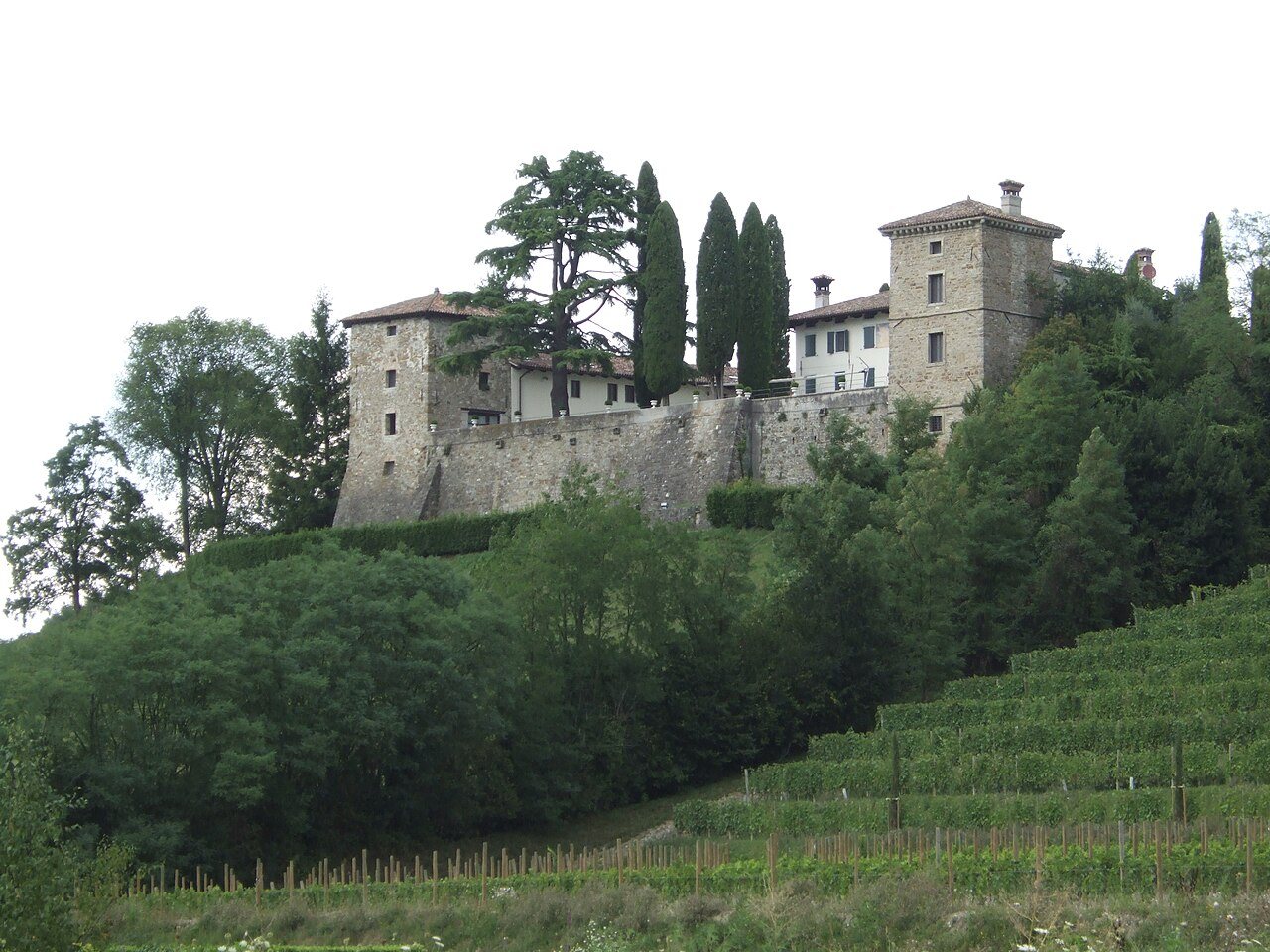
The history told in the disciplinare goes back a long way. The Greek historian Herodian recorded that in 238 AD the wine vessels of this area were lashed together to build a bridge over the Isonzo for the emperor Maximinus Thrax. Wine names, Ribolla among them, appear in the 1600s; from the mid-1700s the Società Agraria Teresiana, through Giacomo Fabricio, spread the terraces called "roncs", with one or two rows of vines per terrace. In the second half of the 1800s Count Theodor Latour brought in French and German varieties to replace local ones, and from 16 to 20 September 1891 Gorizia hosted the fourth Austrian Oenological Congress, which decided to rebuild the vineyards destroyed by phylloxera by grafting European varieties onto American rootstock (art. 9).
After the Second World War the border between Italy and Yugoslavia split the area into an Italian Collio and Brda, the part that is now in Slovenia, separating the land and buildings of many estates (art. 9). The Consorzio di tutela was founded in 1964 (Consorzio Collio, Consorzio page) and the DOC in 1968. Inspections are carried out by the control body Valoritalia (disciplinare, art. 10); in the EU register eAmbrosia the denomination is PDO-IT-A0908, protected since 18 September 1973.
The zone: eight municipalities between Isonzo and Judrio
The disciplinare draws the zone with a boundary line, not a list of municipalities. It has two parts: the first and largest runs from the Gorizia-Udine railway and the Isonzo to the state border and the Judrio, and down to Cormons and the Versa stream; the second is a small area around Villanova di Farra, Borgo dei Conventi and Farra d'Isonzo (disciplinare, art. 3). The municipalities that contain the zone are eight, all in the province of Gorizia: Gorizia, Mossa, San Lorenzo Isontino, Farra d'Isonzo, Capriva del Friuli, Cormons, Dolegna del Collio and San Floriano del Collio. The list is written in the rules of the neighbouring Friuli Colli Orientali DOC, which allows winemaking there too (Friuli Colli Orientali DOC disciplinare, art. 5), and matches the one in the Collio DOC press kit.
| Feature | What the disciplinare says | Source |
|---|---|---|
| Area | about 1,500 hectares of specialised vineyard | art. 9 |
| Altitude | on average between 60 and 270 metres | art. 9 |
| Slope | on average between 15 and 30 percent | art. 9 |
| Aspect | mainly south-facing | art. 9 |
| Soils | Eocene flysch of marl and sandstone, with marine fossils | art. 9 |
| Climate | Julian Pre-Alps to the north as a shield, Adriatic about 20 km away; summer average 21.5-22.5 °C, winter about 4 °C | art. 9 |
| Rainfall | 1,350-1,400 mm a year, more than half between April and September | art. 9 |
The typical soil of Eocene marl and sandstone is locally called "ponca" (Collio DOC press kit). The 1,500 hectares in the disciplinare describe the vineyard of the zone; the 1,300 reported by WineNews for 2023 are the hectares actually claimed as DOC, and Consorzio president Luca Raccaro gave the same figure of 1,300 hectares under DOC vines in April 2025 (QN, 18 April 2025).
Vineyard rules:
| Rule | What the disciplinare requires | Source |
|---|---|---|
| Site | hills only; valley floors and plains excluded, except land levelled by hillside terracing and, in the first zone, foothill land above 85 metres | art. 4, para. 1 and 2 |
| Density | at least 4,000 vines per hectare for vineyards planted after the rules came into force | art. 4, para. 3 |
| Maximum grape yield | 11 tonnes per hectare; 4 for Picolit | art. 4, para. 4 |
| Minimum natural alcohol of the grapes | 10.50 percent; 13.00 for Picolit | art. 5, para. 4 |
| Irrigation | any forcing banned; emergency irrigation allowed up to veraison | art. 4, para. 7 |
Grape varieties: 85 percent varietals, Collio Bianco and Collio Rosso
There are two kinds of wine. Varietal wines come from estate vineyards with at least 85 percent of that variety; the remaining 15 percent may come from other permitted grapes of the same colour (disciplinare, art. 2, para. 1). Collio Bianco and Collio Rosso come from one or more varieties of the corresponding colour; in the Bianco the aromatic Müller Thurgau and Traminer aromatico may not exceed 15 percent together (art. 2, para. 3).
| Wine | Grape | Minimum alcohol on release | Source |
|---|---|---|---|
| Collio Bianco | one or more permitted white varieties, aromatic ones at most 15 percent | 11.50 percent | art. 2 and 6 |
| Friulano | Friulano (from Tocai friulano), at least 85 percent | 11.5 percent | art. 2 and 6 |
| Ribolla or Ribolla Gialla | Ribolla gialla, at least 85 percent | 11 percent | art. 2 and 6 |
| Malvasia | Malvasia istriana, at least 85 percent | 11.5 percent | art. 2 and 6 |
| Pinot Grigio, Pinot Bianco, Chardonnay, Sauvignon | the named variety, at least 85 percent | 11.5 percent | art. 2 and 6 |
| Riesling (from Riesling renano), Riesling Italico, Müller Thurgau, Traminer Aromatico | the named variety, at least 85 percent | 11.5 percent | art. 2 and 6 |
| Picolit | Picolit, at least 85 percent; medium-sweet or sweet | 14 percent | art. 2 and 6 |
| Collio Rosso | one or more permitted red varieties | 11.5 percent | art. 2 and 6 |
| Merlot, Cabernet Franc, Cabernet Sauvignon, Pinot Nero | the named variety, at least 85 percent | 11.5 percent | art. 2 and 6 |
| Cabernet | Cabernet franc and/or Cabernet sauvignon and/or Carmenère | 11.5 percent | art. 2, para. 2, and art. 6 |
Every wine except Picolit is dry: the disciplinare places them in the "dry" category, with residual sugar normally no higher than 4 g/l (art. 9). Minimum dry extract is 15 g/l for whites, 18 for Picolit and 19 for reds; minimum total acidity is 4.0 g/l for all (art. 6).
The rules describe Friulano as "dry, warm, full, slightly bitter", Ribolla as "dry, fresh", Malvasia as "dry, round", Merlot as "slightly bitter, savoury" and Collio Bianco as "dry, lively, fresh and harmonious", from straw yellow to golden yellow, sometimes with copper glints (art. 6). The section on the link with the territory adds that Collio whites have clean fruit aromas and sometimes a light hint of almond; they are normally made by soft pressing and fermentation without the skins, while wines meant for long maturation are made with some skin contact (art. 9).
The grapes are profiled in our guides to Friulano, Malvasia and Chardonnay; Picolit, which has a DOCG of its own in the neighbouring Colli Orientali del Friuli, is covered in Friuli passito: Ramandolo, Picolit and Verduzzo.
Production requirements in one table
| Requirement | Whites and reds | Picolit | Riserva | Source |
|---|---|---|---|---|
| Maximum grape yield | 11 t/ha | 4 t/ha | as the base wine | art. 4, para. 4 |
| Grape-to-wine yield | 70 percent | 60 percent | as the base wine | art. 4, para. 6 |
| Minimum natural alcohol of the grapes | 10.50 percent | 13.00 percent | 12.00 percent; Picolit excluded | art. 5, para. 4, and art. 7 |
| Minimum alcohol on release | 11.5 percent; Ribolla 11 percent | 14 percent | as the base wine | art. 6 |
| Minimum dry extract | whites 15 g/l, reds 19 g/l | 18 g/l | whites 18 g/l, reds 22 g/l | art. 6 and 7 |
| Ageing | none set | none set | whites 20 months, reds 30 months with at least 6 in wooden casks, from 1 November of the harvest year | art. 5, para. 6, and art. 7 |
| Enrichment | not banned by the disciplinare | not banned by the disciplinare | banned | art. 7 |
If the wine yield goes above 70 percent but stays within 75, the excess loses the DOC; above 75 the whole batch loses it. For Picolit the thresholds are 60 and 65 percent (art. 4, para. 6). In good years the grape crop may exceed the limit by up to 20 percent, but the excess does not go into the DOC (art. 4, para. 5). How these limits are calculated is explained in grape-to-wine yield and DOC limits.
In practice a white Riserva from the 2024 harvest could not be ready before 1 July 2026, and a red Riserva from the same harvest not before 1 May 2027. Quantities intended for Riserva must be recorded separately in the cellar registers by 1 November of the harvest year (art. 7).
Labelling and where the wine is made
| Rule | What the disciplinare requires | Source |
|---|---|---|
| Vintage | mandatory | art. 8, para. 3 |
| Variety or type | directly below the words "denominazione di origine controllata", in characters no larger than two thirds of the DOC name | art. 8, para. 2 |
| Bianco and Rosso | "Rosso" is mandatory; "Bianco" is optional | art. 8, para. 2 |
| Riserva | characters no larger than those of the variety | art. 8, para. 4 |
| Other terms | any additional term not provided for in the disciplinare is banned | art. 8, para. 1 |
| Winemaking | inside the zone or anywhere in the municipalities partly included; the Ministry can authorise neighbouring municipalities and plants in the region for producers with registered vineyards | art. 5, para. 1-3 |
| Topping up | up to 5 percent with other Collio wines of the same colour | art. 5, para. 5 |
A label that says only "Collio" with a vintage and no grape is therefore a Collio Bianco. The text sets no rule on where the wine is bottled or on the type of bottle.
Changes under discussion: macerated-grape wine and a white from native grapes
In December 2024 the Consorzio voted for two changes that are not yet in the text in force. The assembly approved, with more than 72 percent of the votes, adding the term "vino da uve macerate" (wine from macerated grapes) for whites fermented on the skins for at least seven days, a category estimated at 5 percent of the area's production; with 97 percent it set up a technical table for a new white from Friulano, Ribolla Gialla and Malvasia Istriana only. WineNews wrote that the procedure would take a couple of years (WineNews, 11 December 2024). In April 2025 president Luca Raccaro called the new wine from traditional grapes a historic step for Collio (QN, 18 April 2025).
As of 12 November 2026 the text published by the Ministry still lists the 2014 decree as its latest amendment, and the sources listed below include no decree in the Gazzetta Ufficiale approving these changes. A buyer looking for a macerated Collio white today will find it labelled as Collio Bianco or with a grape name, without a term of its own. The orange-wine market is covered in exporting orange wine.
Collio, Friuli Colli Orientali and Friuli Isonzo compared
Three neighbouring DOCs with many grapes in common, but different zones and rules.
| Collio DOC | Friuli Colli Orientali DOC | Friuli Isonzo DOC | |
|---|---|---|---|
| Zone | hills of the province of Gorizia between Isonzo and Judrio | 19 municipalities in the central-eastern strip of the province of Udine | suitable land in the province of Gorizia, largely on the Isonzo plain, including parts of Cormons, Capriva, Mossa, San Lorenzo Isontino, Farra and Gorizia |
| Site | hills only | hills and plains | excessively damp land and alluvial plain excluded |
| Maximum grape yield | 11 t/ha; Picolit 4 | 11 t/ha | 13 t/ha for Friulano, Malvasia, Verduzzo and Merlot; 12 for the others |
| Density of new plantings | 4,000 vines/ha | 3,500 vines/ha | 3,300 vines/ha |
| Riserva | whites 20 months, reds 30 months | two years; Pignolo four years | not provided |
Sources: Collio Goriziano o Collio DOC (art. 2-9), Friuli Colli Orientali DOC (art. 4, 7 and 9) and Friuli Isonzo DOC (art. 3, 4 and 9) disciplinari, texts of the Ministry of Agriculture.
The Colli Orientali rules also allow winemaking in the eight Collio municipalities (Friuli Colli Orientali DOC, art. 5). Some municipalities around Gorizia lie partly in Collio and partly in Isonzo: the name on the label depends on where the vineyard is. The regional picture is in exporting wine from Friuli Venezia Giulia and the province of Udine in exporting wine from Udine; the lowland Pinot Grigio that many importers know is a different denomination, explained in Pinot Grigio delle Venezie DOC.
Selling Collio abroad: volumes and markets
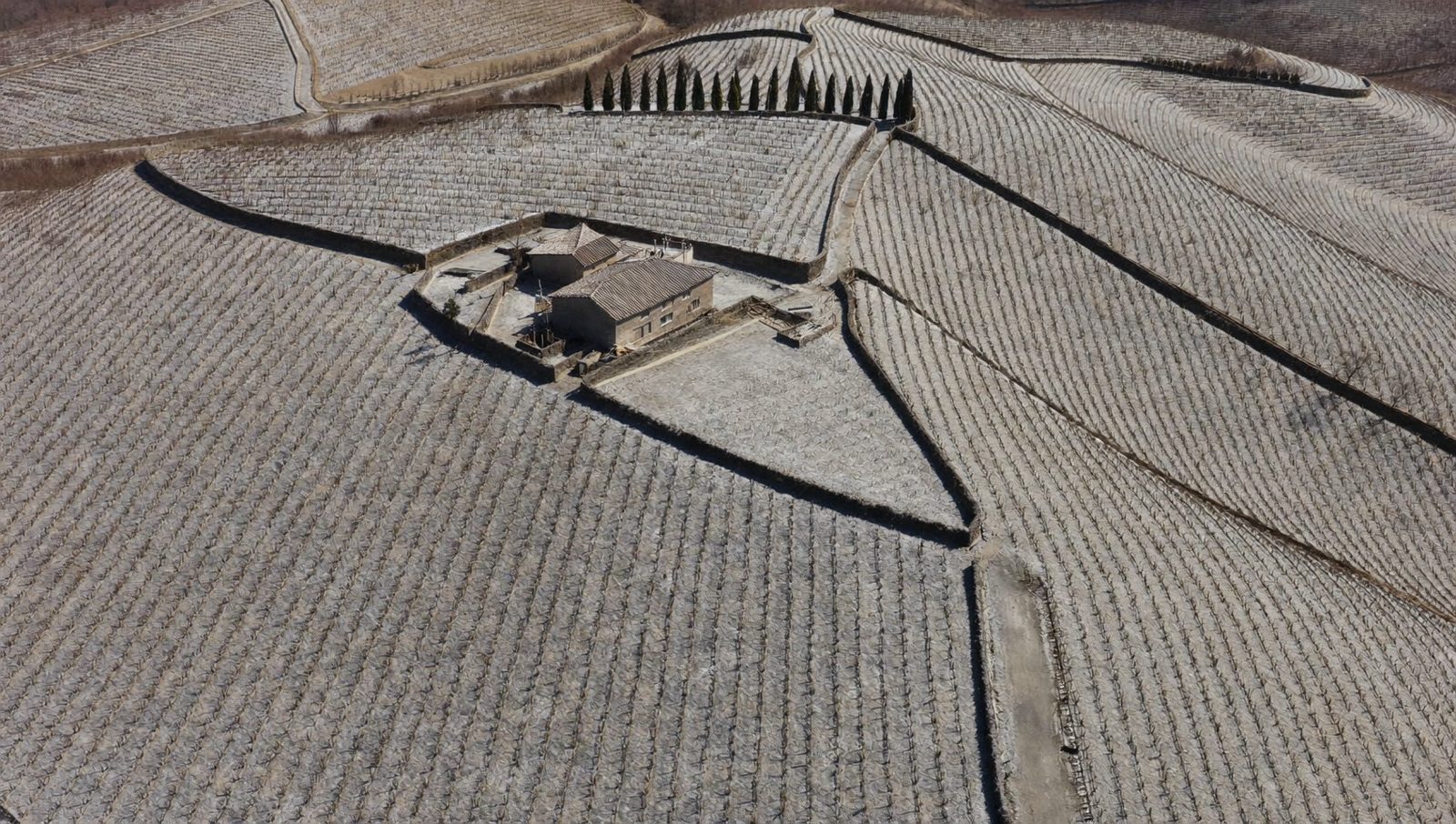
Collio is a small denomination. In 2023 it put more than 7.3 million bottles on the market from 1,300 claimed hectares (WineNews, 11 December 2024). In February 2023 QN counted fewer than 300 wineries, half of them under 100,000 bottles a year and the largest no more than 500,000, and wrote that half the bottles are sold in Italy (QN, 14 February 2023); in April 2025 the Consorzio had about 270 members, growers and bottlers (QN, 18 April 2025). The sources listed below include no country breakdown of Collio exports published by the Consorzio.
For an importer this means small estates, limited lots and a range built on many grape varieties. Channels to start from: wine importers in the United States, in Germany, in the United Kingdom, exporting wine to Japan and the list of wine importers by country. What the DOC label is worth in B2B negotiations is in exporting DOC wines.
Before listing a Collio wine, check five points, all written in the disciplinare:
- Vintage. Mandatory on every bottle (art. 8).
- Variety. A varietal wine contains at least 85 percent of the named grape; ask for the exact blend of a Collio Bianco, which the rules leave open among the permitted varieties (art. 2).
- Riserva. Whites at least 20 months, reds at least 30 with 6 in wood, counted from 1 November of the harvest, with no enrichment (art. 7).
- Picolit. The only sweet or medium-sweet wine of the DOC, with a yield of 4 t/ha and at least 14 percent alcohol (art. 4 and 6).
- Macerated wines. Until the amendment is approved there is no "da uve macerate" term on the label; a label that carries it should be checked with the producer.
Frequently asked questions
Where is Collio DOC made?
On the northern hills of the province of Gorizia, between the Isonzo river, the Judrio stream and the Slovenian border (disciplinare, art. 9). There are eight municipalities: Capriva del Friuli, Cormons, Dolegna del Collio, Farra d'Isonzo, Gorizia, Mossa, San Floriano del Collio and San Lorenzo Isontino.
Which grape varieties are allowed in Collio?
White: Friulano, Ribolla Gialla, Malvasia istriana, Pinot Grigio, Pinot Bianco, Chardonnay, Sauvignon, Riesling renano, Riesling italico, Müller Thurgau, Traminer aromatico and Picolit. Red: Merlot, Cabernet Franc, Cabernet Sauvignon and Pinot Nero, plus Carmenère for Cabernet (disciplinare, art. 2).
What is Collio Bianco?
The denomination's white made from one or more permitted white varieties, with the aromatic Müller Thurgau and Traminer at most 15 percent. On the label the word "Bianco" is optional (disciplinare, art. 2 and 8).
How long must a Collio Riserva age?
Whites at least 20 months, reds at least 30 months with six in wooden casks, from 1 November of the harvest year. The grapes must reach at least 12 percent natural alcohol and the wine must not be enriched (disciplinare, art. 7).
What is the difference between Collio and Brda?
They are the same hill country, split by the border after the Second World War: Collio is the Italian part, Brda the part now in Slovenia (disciplinare, art. 9). A Brda wine cannot carry the Collio DOC, which applies only to grapes from the zone mapped in Italy.
Does Collio make macerated or orange wines?
Yes, but the DOC has no specific term for them yet: in December 2024 the Consorzio voted for the term "vino da uve macerate", with at least seven days on the skins, and the amendment does not yet appear in the Ministry's text (WineNews, 11 December 2024).
Sources
- Collio Goriziano o Collio DOC disciplinare, Ministry of Agriculture text (latest amendment DM 7 March 2014), copy hosted by AIS
- Masaf, list of PDO and PGI wine disciplinari
- Friuli Colli Orientali DOC and Friuli Isonzo DOC disciplinari, Ministry of Agriculture texts, in the same list
- eAmbrosia, EU register of geographical indications, Collio Goriziano / Collio PDO-IT-A0908
- Consorzio Collio, the Consorzio
- Collio DOC press kit, 2019 (copy hosted by Barcolana)
- WineNews, 11 December 2024, "wine from macerated grapes" enters the Collio DOC rules
- QN, 18 April 2025, rules and identity: Collio turns to Luca Raccaro
- QN, 14 February 2023, Collio, cradle of great whites facing modernity
- Valpolicella grape varieties: Corvina, Corvinone, Rondinella
- Chianti Classico DOCG: Zone, Sangiovese, Gran Selezione, UGA
- Wine bottle dimensions: height, diameter, EU shapes
- Charmat-Martinotti method: autoclave, yeasts and timing
- Exporting Italian Semi-Sweet Wines to the USA: A B2B Guide
- Cannonau di Mamoiada wineries: sales and export markets