The Cava DO explained for Italian wine businesses: pliego de condiciones, zones and Paraje Calificado, months on the lees and a comparison with Franciacorta, Trento, Alta Langa, Oltrepò and Prosecco
Wines Export Editorial · Last updated:
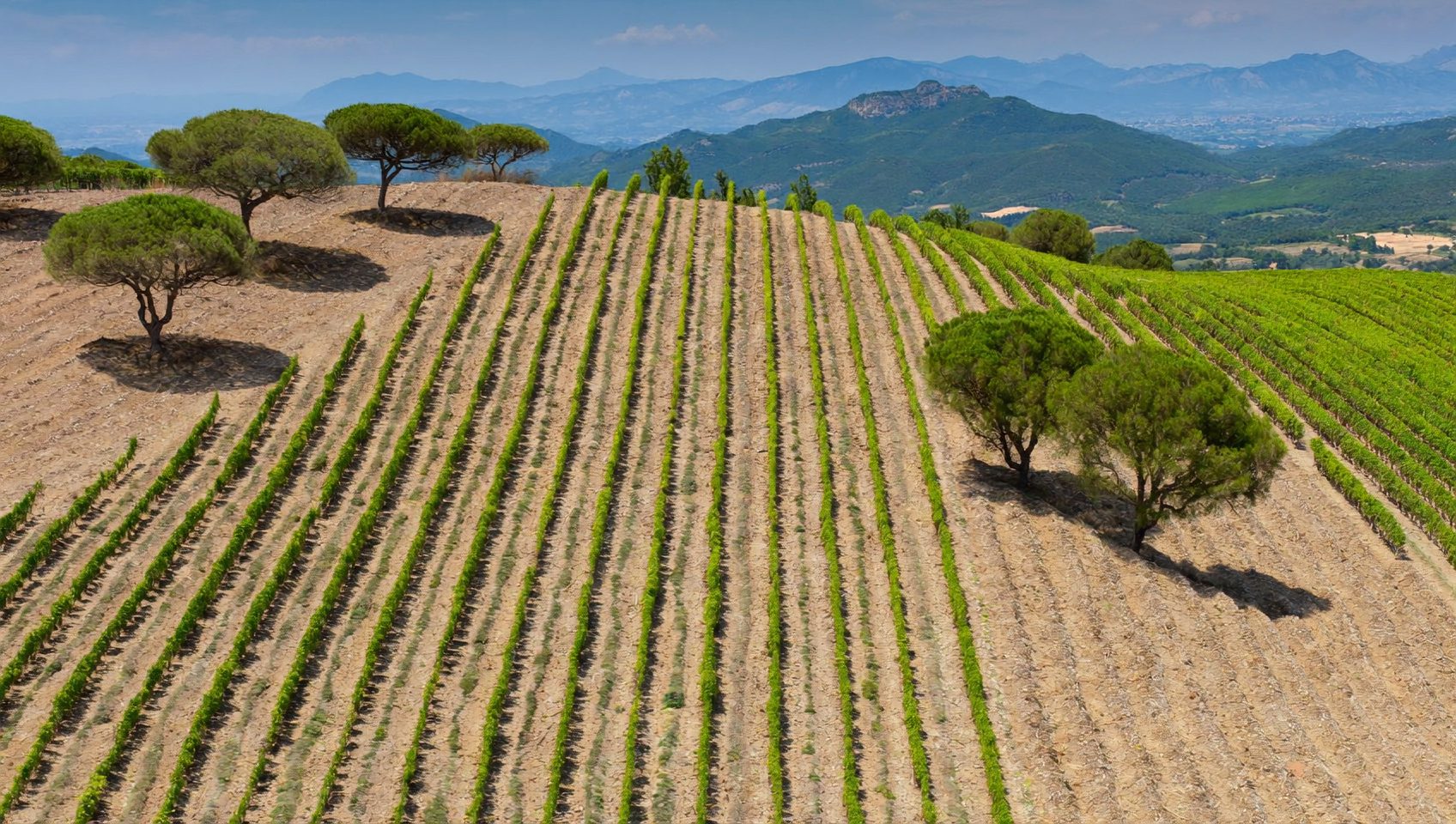
Cava is a Spanish protected designation of origin reserved for a single type of wine: white or rosé sparkling wine made by a second fermentation in the bottle, that is by the traditional method, which stays at least nine months on the lees in the same bottle in which it refermented (pliego de condiciones DOP Cava, point 2). It is not the name of a place: the area covers municipalities in ten provinces, from Catalonia to La Rioja, Extremadura and Valencia, divided since 2021 into four Zones and seven Subzones (pliego, point 4; BOE of 15 June 2021). There are four ageing categories: Cava de Guarda (at least 9 months), Reserva (18), Gran Reserva (30) and Cava de Paraje Calificado (36); the last three form the Guarda Superior tier, which since the 2025 harvest requires certified organic grapes, vines at least ten years old and the vintage on the label (pliego, points 3, 5 and 8). The text in force is the one amended by the resolution of 9 January 2026, published in the BOE of 20 January 2026. In 2025 Cava sold 190.01 million bottles, 12.88 percent fewer than in 2024, and about six bottles in ten went abroad (Consejo Regulador DO Cava, Datos económicos 2025).
This page explains the denomination to anyone who produces or sells Italian sparkling wine and compares it, rule by rule, with our classic-method wines and with Prosecco. For the Italian denominations the full guides are Franciacorta DOCG, Trento DOC, Alta Langa DOCG, Oltrepò Pavese and Prosecco DOC; the difference between the two sparkling methods is in classic method vs Charmat.
What is Cava and who writes its rules?
Cava is a Spanish PDO that covers only traditional-method sparkling wines, and its rules are set out in the pliego de condiciones filed with the Spanish Ministry of Agriculture (MAPA). Control and management belong to the Consejo Regulador of the DO Cava, based in Vilafranca del Penedès, which issues the numbered back labels that every bottle must carry (pliego, point 8.b.ix).
On the label the traditional term «Denominación de Origen» may replace «Protected designation of origin», and use of the name Cava is compulsory for the wines entitled to it (pliego, points 8.b.vii and viii). Every label must carry a registered trade mark, which may not contain words or images that could mislead about origin, grape variety, vintage or quality (pliego, point 8.b.viii). The national legal basis cited by the pliego is the ministerial Order of 14 November 1991 that approved the regulation of the denomination and of its Consejo Regulador (pliego, point 8.a).
A structural difference from Italy: in Italy each classic-method wine has a denomination tied to a precise territory (Franciacorta, Trento, Alta Langa, Oltrepò Pavese). Cava instead is a denomination tied to a method and a type of wine, spread across seven autonomous communities (BOE of 15 June 2021), which introduced internal zones to indicate a more precise origin only in 2021.
Where is Cava produced?
The Cava area is a list of municipalities in ten Spanish provinces, with its historic centre in the Penedès, in the province of Barcelona. The provinces are Barcelona, Girona, Lleida and Tarragona in Catalonia, Álava, La Rioja, Navarra and Zaragoza along the Ebro, Badajoz (only the municipality of Almendralejo) and Valencia (only the municipality of Requena) (pliego, point 4).
| Zone | Provinces | Subzones | Source |
|---|---|---|---|
| Comtats de Barcelona | Barcelona, Girona, Lleida, Tarragona | Valls d'Anoia-Foix, Serra de Mar, Conca del Gaià, Serra de Prades, Pla de Ponent | pliego, point 4 |
| Valle del Ebro | Álava, La Rioja, Navarra, Zaragoza | Alto Ebro, Valle del Cierzo | pliego, point 4 |
| Viñedos de Almendralejo | Badajoz (Almendralejo) | none | pliego, point 4 |
| Requena | Valencia (Requena) | none | pliego, point 4 |
The pliego also allows a few wineries outside the area that were making Cava before the Order of 27 February 1986; they are listed by name in point 8.a (for example in Calatayud and Aranda de Duero).
What did the 2020-2021 zoning and segmentation change?
They split Cava into two tiers, Guarda and Guarda Superior, and created zones and subzones that can be written on the label. The plenary of the Consejo Regulador approved the project on 15 July 2020 (information circular 3/2020); the Ministry published its favourable resolution of 10 June 2021 in the BOE of 15 June 2021, after an objection by the Requena producers about the name of their zone.
The measures, as summarised in circular 3/2020:
- Guarda for Cavas that are not Reserva, Gran Reserva or Paraje Calificado; Guarda Superior for Reserva, Gran Reserva and Paraje Calificado.
- For Guarda Superior: vines entered in a dedicated register, at least ten years old, organic and with a maximum yield of 10,000 kg per hectare; separate production; tirage from January; at least 18 months for Reserva; vintage on the label.
- Zones and subzones, optional, to indicate a more precise origin.
- The voluntary Elaborador Integral mark for wineries that press and vinify all of their own product.
The name of a Zone may be used only if all the grapes come from that Zone and the wine is made by wineries located in the same Zone; the name of a Subzone is reserved for Reserva, Gran Reserva and Cava de Paraje, with all the grapes from the Subzone (pliego, point 8.b.vii). The tirage stopper carries a code for each Zone and Subzone (for example CB for Comtats de Barcelona, AF for Valls d'Anoia-Foix), GS for Guarda Superior and PC for Paraje Calificado (pliego, point 8.b.iii).
Which grapes are used in Cava?
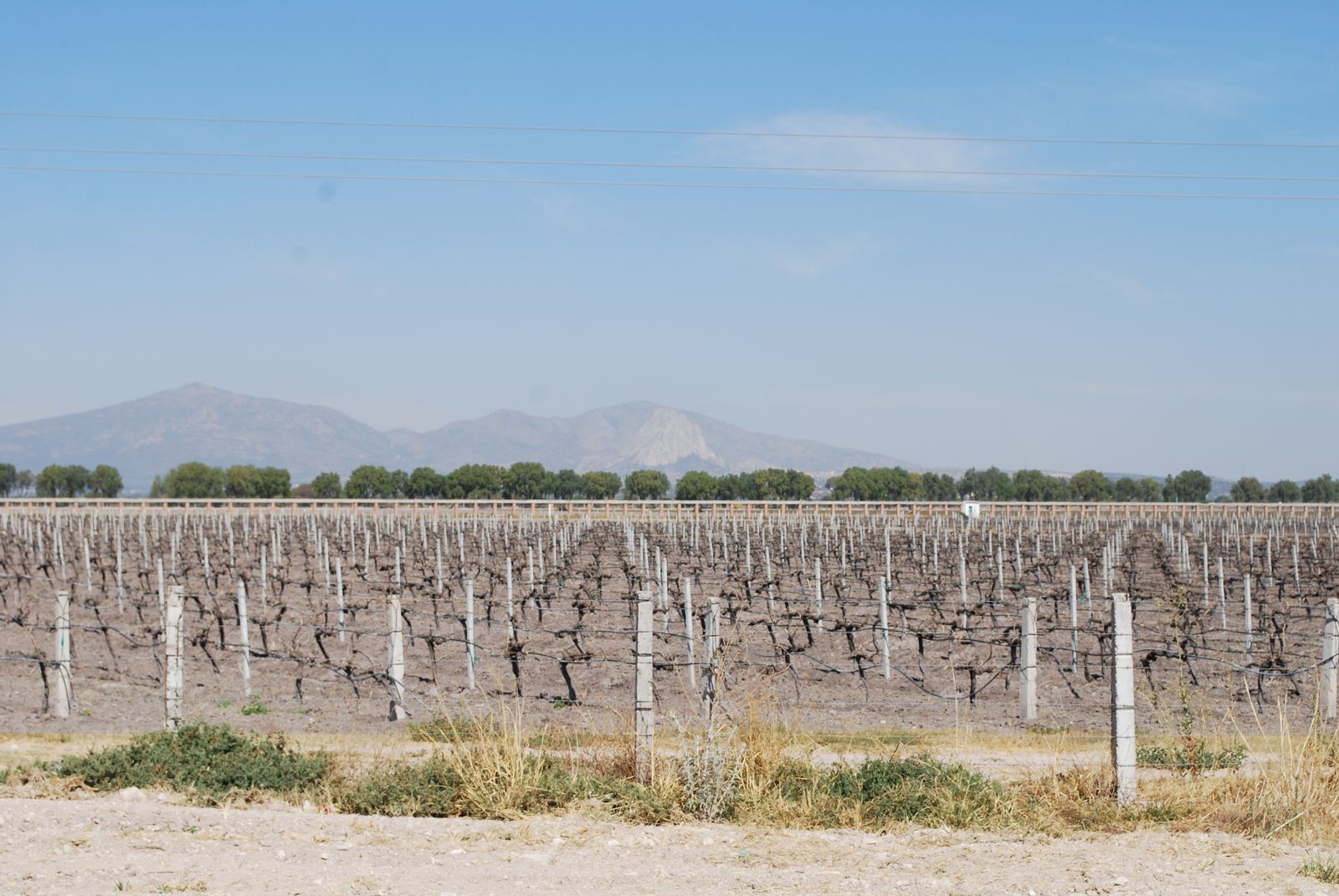
Nine varieties are allowed: five white and four red (pliego, point 6).
| Variety | Colour | Share of registered vineyard in 2025 | Source |
|---|---|---|---|
| Macabeo (Viura) | white | 36.5% | pliego point 6; Datos económicos 2025 |
| Xarel·lo | white | 26% | same |
| Parellada | white | 19.2% | same |
| Chardonnay | white | 6.7% | same |
| Garnacha tinta | red | 5.2% | same |
| Trepat | red | 3.1% | same |
| Pinot Noir | red | 2.3% | same |
| Malvasía (Subirat Parent) | white | 0.7% | same |
| Monastrell | red | 0.2% | same |
The Consejo Regulador counts 37,299 registered hectares in 2025, 82 percent of them planted with Macabeo, Xarel·lo and Parellada (Datos económicos 2025). Rosé Cava must contain at least 25 percent red grapes in the base wine (pliego, point 3.b.1).
The contrast with Italy is clear: Franciacorta, Trento, Alta Langa and Oltrepò Pavese metodo classico are built on Chardonnay and Pinot Noir (with Pinot Blanc, Meunier or Erbamat depending on the disciplinare), while in Cava the two French varieties together account for 9 percent of the registered vineyard.
How is Cava made under the pliego?
The whole process, from tirage to disgorgement, takes place in the same bottle (pliego, point 3.b.2). The main rules:
| Stage | What the pliego requires | Source |
|---|---|---|
| Vineyard yield | 12,000 kg/ha (80 hl); 10,000 kg/ha for Reserva and Gran Reserva; 8,000 kg/ha for Paraje Calificado | point 5 |
| Pressing | only the first fractions, at most 1 hl of must per 150 kg of grapes; 0.6 hl per 100 kg for Paraje Calificado | point 3.b.1 |
| Base wine | 9.5 to 11.5% vol alcohol; sound grapes with at least 8.5% vol natural alcohol | point 3.b.1 |
| Liqueur de tirage | may not raise the alcohol of the base wine by more than 1.5% vol | point 3.b.2 |
| Liqueur d'expédition | may not raise the alcohol by more than 0.5% vol | point 3.b.2 |
| Finished wine | 10.8 to 12.8% vol alcohol; minimum overpressure 3.5 bar at 20 °C | point 2.c |
| Transfer | allowed only for 18.75/20 cl, 37.5 cl and formats above 3 litres, without filtration; banned for Gran Reserva and Paraje Calificado | point 3.b.2 |
Wineries may buy bottles still on the lees («en rima» or «en punta») from other producers, up to 25 percent of their own production and only after at least nine months from tirage; Gran Reserva and Paraje Calificado lose the term if the bottles have changed hands between operators (pliego, point 8.b.xi). Premises where Cava is made must be separated, with access only from the public road, from those where other sparkling or semi-sparkling wines in similar bottles are made (pliego, point 8.b.iii).
How many months on the lees: Guarda, Reserva, Gran Reserva and Paraje Calificado
The minimum is nine months for all Cava, and it rises with the category. The time runs from tirage to disgorgement (pliego, points 2 and 3.b.3).
| Category | Tier | Minimum months on the lees | Other conditions | Source |
|---|---|---|---|---|
| Cava de Guarda | Guarda | 9 | vintage not compulsory | pliego, points 2 and 8.b.viii |
| Reserva | Guarda Superior | 18 | organic grapes, vines at least 10 years old, 10,000 kg/ha, tirage after 1 January following the harvest, vintage compulsory | points 3, 5, 8.b.iv |
| Gran Reserva | Guarda Superior | 30 | as Reserva, plus same winery and no transfer; only brut nature, extra brut and brut | points 3.b.2, 3.b.3, 8.b.viii |
| Cava de Paraje Calificado | Guarda Superior | 36 | single delimited vineyard, hand harvest, 8,000 kg/ha, no enrichment or acidification, only brut nature, extra brut and brut | points 3, 4, 5, 8.b.viii |
In 2025 sales split as follows: Cava de Guarda 167.30 million bottles (88.05 percent), Reserva 18.46 million (9.72), Gran Reserva 4.22 million (2.22), Paraje Calificado 31,000 bottles (0.02 percent) (Datos económicos 2025). Parajes Calificados are single vineyards recognised by the Ministry, with an official list published by MAPA: among the first are Vallcirera in Tiana and La Pleta in Lleida (MAPA, list of Parajes Calificados). Each paraje must have soil, climate and growing conditions of its own, and the winery must directly manage all of its vines (pliego, points 4 and 8.b.iii).
What do brut nature, extra brut and brut mean on a Cava label?
They are the same EU sugar-content terms used by Italian sparkling wines, with the same thresholds. The Cava pliego repeats them (point 2.b) and they match Annex III, Part A, of Delegated Regulation (EU) 2019/33:
| Term | Residual sugar | Source |
|---|---|---|
| Brut nature (pas dosé, dosage zéro) | less than 3 g/l, with no sugar added after the secondary fermentation | Reg. (EU) 2019/33, Annex III A; pliego 2.b |
| Extra brut | 0 to 6 g/l | same |
| Brut | less than 12 g/l | same |
| Extra dry (extra seco) | 12 to 17 g/l | same |
| Dry (seco) | 17 to 32 g/l | same |
| Demi-sec (semi-seco) | 32 to 50 g/l | same |
| Sweet (dulce) | more than 50 g/l | same |
The actual sugar content may not differ by more than 3 g/l from what appears on the label (Reg. (EU) 2019/33, art. 47). One important difference: Gran Reserva and Paraje Calificado may only be brut nature, extra brut or brut (pliego, point 8.b.viii); Trento Riserva is also limited to brut nature to brut, while Franciacorta allows dosaggio zero to demi-sec, except Satèn, which may only be brut (Trento DOC disciplinare, art. 6; Franciacorta DOCG disciplinare, art. 6). For the rules on zero dosage see pas dosé, dosaggio zero and brut nature.
Cava and Italian classic method: the comparison rule by rule
Cava has the lowest minimum time on the lees, but it is the only one that requires organic farming in its top tiers. The data come from the disciplinari in force (Italian Ministry of Agriculture texts) and from the Cava pliego.
| Rule | Cava | Franciacorta DOCG | Trento DOC | Alta Langa DOCG | Oltrepò Pavese metodo classico DOCG |
|---|---|---|---|---|---|
| Grapes | Macabeo, Xarel·lo, Parellada and six others | Chardonnay and/or Pinot Noir; Pinot Blanc up to 50%, Erbamat up to 10% | Chardonnay, Pinot Blanc, Pinot Noir, Meunier | Pinot Noir and/or Chardonnay 90-100% | Pinot Noir at least 70% (85% for the Pinot Nero type) |
| Minimum months on the lees | 9 | 18 (24 for Satèn and Rosé) | 15 | 30 | 15 |
| With vintage | 18 (Reserva, vintage compulsory) | 30 (millesimato) | 24 | always vintage-dated | 24 (millesimato) |
| Riserva | 30 Gran Reserva; 36 Paraje Calificado | 60 | 36 | 36 | no Riserva term |
| Earliest tirage | 1 January after the harvest, Guarda Superior only | 1 February after the harvest of the youngest base wine | months counted from no earlier than 1 January after the harvest | not set by the disciplinare | months counted from no earlier than 1 January after the harvest |
| Organic compulsory | yes, for Guarda Superior | no | no | no | no |
| Source | DOP Cava pliego | disciplinare art. 2 and 5.6 | disciplinare art. 2, 5 and 7 | disciplinare art. 2 and 7 | disciplinare art. 2 and 5.6 |
What this comparison honestly shows:
- On minimum time, entry-level Cava (9 months) sits below every Italian DOCG and DOC considered here; Cava Reserva (18 months) matches non-vintage Franciacorta.
- In the top tiers, Cava imposes rules that the Italian disciplinari do not have: organic certification, vines at least ten years old, a dedicated vineyard register, and a ban on trading bottles on the lees for Gran Reserva and Paraje.
- On Riserva, Franciacorta remains the longest (60 months); Paraje Calificado (36) is in line with Trento and Alta Langa.
- On volume, Cava plays a different game: 190 million bottles in 2025 for a single denomination, with 88 percent of sales in the entry tier (Datos económicos 2025).
Cava and Prosecco: why the comparison is between two different methods
Cava referments in the bottle, Prosecco DOC spumante in a pressurised tank: they are two different categories, even when they end up on the same shelf. The Prosecco DOC disciplinare requires natural fermentation exclusively in autoclave (tank) for spumante, with a minimum production period of 60 days for the Rosé, and at least 85 percent Glera grapes (Prosecco DOC disciplinare, art. 2 and 5).
| Rule | Cava | Prosecco DOC spumante |
|---|---|---|
| Method | second fermentation in the bottle (traditional method) | fermentation in tank (Charmat-Martinotti method) |
| Minimum time | 9 months on the lees | 60 days of production for the Rosé; for the white the disciplinare sets no minimum |
| Main grapes | Macabeo, Xarel·lo, Parellada | Glera at least 85% |
| Sugar terms allowed | brut nature to sweet (Gran Reserva and Paraje only up to brut) | brut nature to demi-sec (Rosé up to extra dry) |
| Source | DOP Cava pliego | Prosecco DOC disciplinare, art. 2 and 5 |
Anyone selling Prosecco abroad often meets Cava as a competitor in the same consumption occasion, but a knowledgeable buyer assesses it as a traditional-method wine: it is worth saying so with the rules in hand, without belittling either. The process differences are explained in classic method vs Charmat.
Where is Cava sold and what does it mean for exporters of Italian sparkling wine?
In 2025, 40.1 percent of bottles stayed in Spain, 32.9 percent went to other EU countries and 27 percent to non-EU countries (Datos económicos 2025). The leading export markets, in thousands of bottles:
| Country | Bottles 2025 (thousands) | Change 2024-2025 | Source |
|---|---|---|---|
| Belgium | 17,549 | -13.54% | Datos económicos 2025 |
| United States | 14,483 | -18.42% | same |
| United Kingdom | 13,816 | -11.99% | same |
| Sweden | 10,852 | n/a | same |
| Netherlands | 8,747 | +1.17% | same |
| France | 7,383 | n/a | same |
| Germany | 6,741 | n/a | same |
| Japan | 6,200 | n/a | same |
Italy is not among Cava's top twenty markets in 2025. In 2025 only the top tiers grew: Gran Reserva +6.09 percent and Paraje Calificado +82.35 percent in bottles, while Cava de Guarda fell 14.52 percent (Datos económicos 2025). As early as December 2024 the Consejo Regulador explained the decline by the lack of product after years of drought in the Penedès (press release of 11 December 2024). A ministerial resolution of 27 December 2024 had already authorised a temporary amendment to the pliego to release reserve base wine, citing the shortage of grapes after severe droughts (BOE of 30 December 2024).
For an Italian business this means three practical things:
- The same markets. Belgium, the United States, the United Kingdom, Sweden and Germany are markets where Italian sparkling wine is already present: there Cava is a direct competitor of Italian classic-method wine.
- The technical sheet. A buyer who knows Cava will ask for months on the lees, disgorgement date and dosage: it pays to put them on the sheet the way the pliego does, with a reference to the Italian disciplinare.
- Brands outside the DO. Not every Penedès sparkling wine is Cava: some wineries have left the DO and sell under the collective brand Corpinnat, which is not a denomination; Juvé & Camps joined it in April 2026 (Diari de Tarragona, 2 April 2026). On a foreign wine list a Spanish traditional-method wine may therefore appear without the word Cava.
For buyers in Spain see wine importers in Spain.
Frequently asked questions
Is Cava a place?
No. Cava is the name of a protected designation of origin reserved for traditional-method sparkling wines, made in municipalities of ten Spanish provinces, with its historic centre in the Penedès, in Catalonia (pliego DOP Cava, point 4).
How long does Cava stay on the lees?
At least 9 months for Cava de Guarda, 18 for Reserva, 30 for Gran Reserva and 36 for Cava de Paraje Calificado, counted from tirage to disgorgement (pliego, points 2 and 3.b.3).
What do Cava de Guarda and Guarda Superior mean?
They are the two tiers introduced by the amendment approved in 2021. Guarda is Cava with at least 9 months on the lees; Guarda Superior groups Reserva, Gran Reserva and Paraje Calificado, with organic grapes, vines at least ten years old and the vintage on the label (pliego, points 3 and 8; BOE of 15 June 2021).
What is a Cava de Paraje Calificado?
It is a Cava from a single delimited vineyard recognised by the Ministry, with hand harvesting, a maximum yield of 8,000 kg per hectare, at least 36 months on the lees and only brut nature, extra brut or brut dosage (pliego, points 3, 4, 5 and 8).
Is Cava like Franciacorta?
It uses the same method, refermentation in the bottle, but with different rules: Spanish grapes against Chardonnay and Pinot Noir, a minimum of 9 months on the lees against 18, Gran Reserva at 30 months against Franciacorta Riserva at 60 (pliego DOP Cava; Franciacorta DOCG disciplinare, art. 5.6).
Is Cava like Prosecco?
No. Cava referments in the bottle, Prosecco DOC spumante ferments in a tank; the grapes are different and Cava stays at least nine months on the lees (pliego DOP Cava, point 2; Prosecco DOC disciplinare, art. 5).
How many bottles of Cava are sold, and where?
In 2025, 190.01 million bottles, 12.88 percent fewer than in 2024; about 60 percent went abroad, with Belgium, the United States and the United Kingdom as the leading markets (Consejo Regulador DO Cava, Datos económicos 2025).
Sources
- Pliego de condiciones of the DOP Cava, last amended by the resolution of 9 January 2026 (BOE of 20 January 2026), Spanish Ministry of Agriculture
- MAPA, list of the Parajes Calificados of the DOP Cava
- BOE of 15 June 2021, resolution of 10 June 2021 on the amendment of the DOP Cava pliego (zoning and segmentation)
- BOE of 12 January 2021, publication of the application to amend the DOP Cava pliego
- BOE of 30 December 2024, temporary amendment of the DOP Cava pliego for the 2024 harvest
- Consejo Regulador DO Cava, information circular 3/2020 on segmentation and zoning
- Consejo Regulador DO Cava, Datos económicos 2025
- Consejo Regulador DO Cava, press release of 11 December 2024, «Cava limita sus ventas por la sequía»
- Delegated Regulation (EU) 2019/33, Annex III (sugar-content terms) and Article 47, text as adopted by the EU; official text on EUR-Lex
- Disciplinari of Franciacorta DOCG (DM 7 May 2024), Trento DOC, Alta Langa DOCG, Oltrepò Pavese metodo classico DOCG and Prosecco DOC (DM 19 June 2023), Italian Ministry of Agriculture, PDO and PGI wines
- Diari de Tarragona, 2 April 2026, Juvé & Camps leaves the DO Cava for Corpinnat
Answer four questions about your winery: we will write back.
- Register Your Winery Trademark Abroad Before Export
- Yunnan wine: Deqin, Shangri-La, altitude and grapes
- Registered consignee excise: EU buyer, no bonded warehouse
- Red wine maceration: pumping over, délestage and punch-downs
- Restaurant wine markups abroad: coefficients by country
- Rectified concentrated must enrichment: EU limits by zone