Shipping wine to Spain: zero excise on wine, but accompanying documents and Spanish VAT for private buyers and importers for professionals
Wines Export Editorial · Last updated:
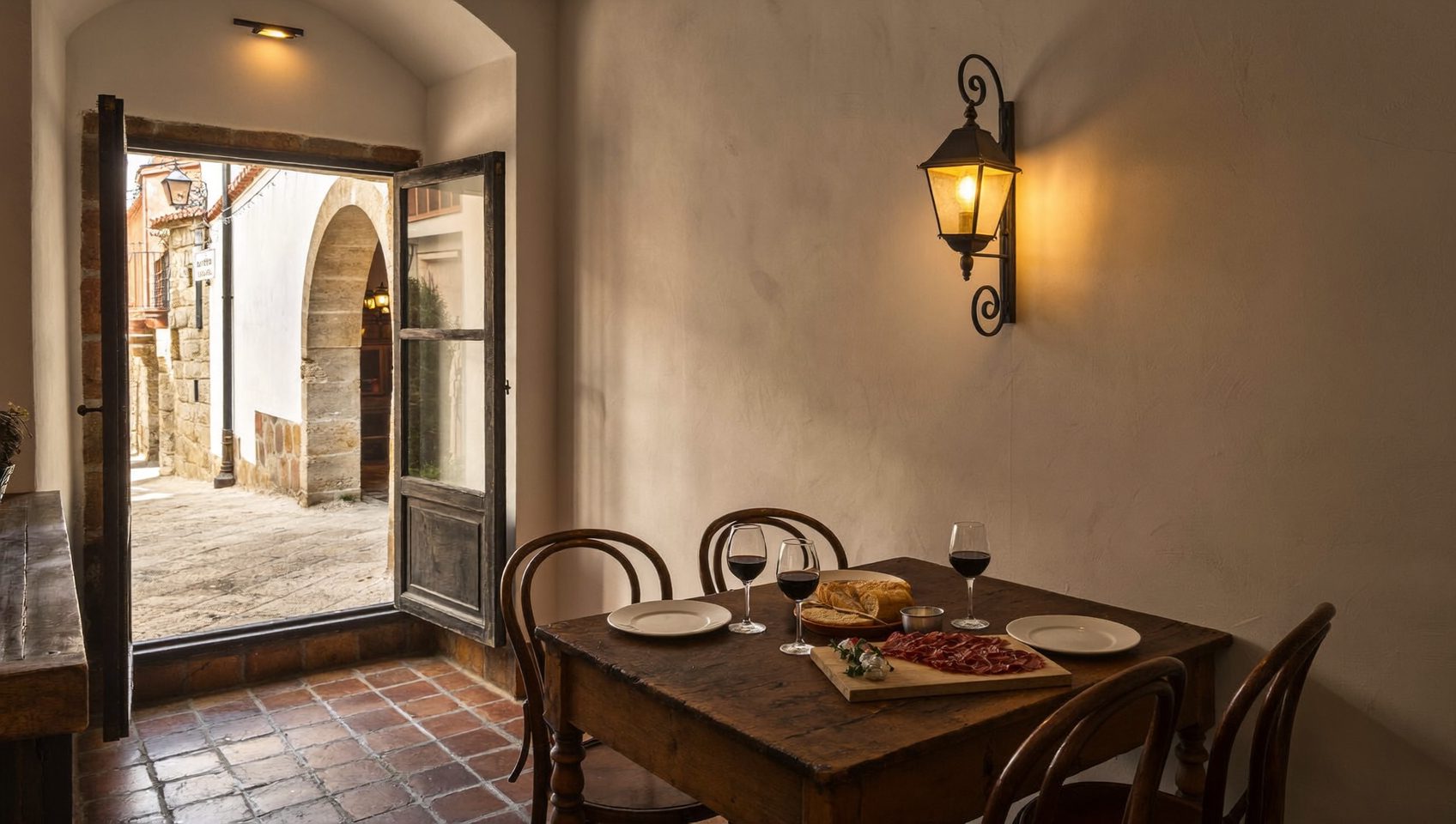
Shipping wine to Spain from Italy benefits from a favorable tax condition: as in Italy, the excise duty rate on still wine and sparkling wine is set at zero in the Iberian Peninsula too. This does not, however, release you from the traceability obligations set out in European legislation on alcoholic products subject to excise duty, governed by Directive (EU) 2020/262. If you sell to a Spanish importer, distributor or restaurant (B2B channel), the goods must travel with the electronic document EMCS (e-AD or e-DAS) or, for small producers, with the wine document MVV-E, and the consignee must hold an active excise code with the Agencia Tributaria. If instead you ship directly to a private consumer (B2C channel) via e-commerce or direct sales at the winery, you must correctly manage intra-EU VAT through the OSS (One Stop Shop) scheme and rely on a carrier authorized to transport alcoholic beverages.
The short answer: what you need to ship to Spain
When preparing a wine shipment to Spanish territory, the first operational distinction concerns the legal nature of the recipient and the geographic destination. Spain is part of the EU customs and tax territory for mainland Spain and the Balearic Islands, while the Canary Islands, Ceuta and Melilla have special regimes and, for VAT and excise purposes, are treated as third territories outside the EU.
For shipments to mainland Spain and the Balearics there are no customs duties and no DAU export declarations, but the rules on intra-EU movement of excise-liable products and the payment of value added tax apply. If you are setting up the commercial strategy for your winery, you can review the preliminary steps in our guide on how to export wine abroad.
| Sales channel | Recipient in Spain | Wine excise | Movement document | VAT management |
|---|---|---|---|---|
| B2B (Suspension) | Importer or distributor with a tax warehouse | Zero rate (under suspension regime) | e-AD (if tax warehouse) or MVV-E (if small producer) | Not taxable (reverse charge / VIES) |
| B2B (Duty paid) | Restaurant, wine shop or buyer without a tax warehouse | Zero rate (duty paid in Italy) | Union e-DAS (between certified consignors and consignees) | Not taxable (reverse charge / VIES) |
| B2C (Distance selling) | Private consumer (e-commerce or winery) | Zero rate (managed with an authorized carrier) | Traceability via carrier / tax representative | Italian VAT below the EU threshold, or Spanish VAT via OSS |
| B2B samples | Professional buyer for tasting | Zero rate | Accompanying document under the sender's regime | Outside the scope of VAT for free transfers of samples |
Zero excise: what does not change for accompanying documents
A common mistake among Italian wineries is confusing zero excise with the absence of excise constraints. In the European Union, wine falls among harmonized energy and alcohol products. The fact that both Italy and Spain apply a zero rate on still and sparkling wines means there is no per-litre tax to pay to the treasury, but the product remains subject to tax supervision during transport between Member States.
If a consignment of bottles travels on the motorway between Italy and Barcelona or Madrid accompanied only by a commercial invoice and a CMR consignment note, without the tax document required for alcoholic products, then in the event of a check by the Italian Customs and Monopolies Agency (ADM) or the Spanish Agencia Tributaria the goods are found to be in irregular circulation. To avoid blockages and administrative penalties, every pallet must be accompanied by the appropriate electronic document based on your winery's status. You can consult the general framework on the page dedicated to wine export documents.
Also pay attention to the product classification of your price list: the zero rate in Spain applies to still wine and sparkling wine. Different products such as fortified wines, flavored wines (for example vermouth) or spirits (such as grappa) are subject in Spain to the Impuestos Especiales on alcoholic beverages and intermediate products, with the tax actually paid by the Spanish recipient.
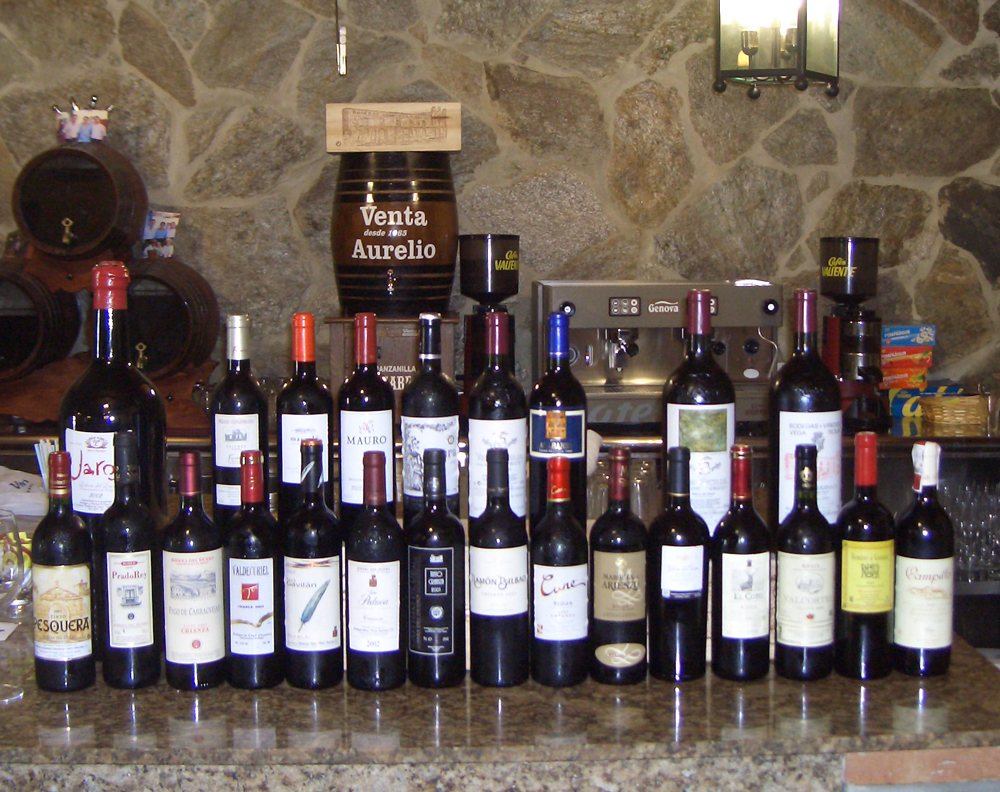
Selling to importers and restaurants (B2B): e-AD, e-DAS or MVV-E
In B2B sales to Spanish professional operators, whether a national distributor, a chain of wine shops or a single Italian restaurant in Madrid or Valencia, the procedure depends on your winery's excise status in Italy and on the qualification of the Spanish customer.
Shipping from a small wine producer
If your winery operates in Italy with the status of "small wine producer" (under national and European rules for producers below the established volumes who do not hold a tax warehouse for bottling other producers' products), you can ship to Spain using the electronic wine document MVV-E issued through the SIAN portal, provided the Spanish recipient is authorized to receive wine under the intra-EU regime. For operational details on this distinction, see the page on MVV, DAS and the small wine producer for EU documents.
Shipping from a tax warehouse under suspension (e-AD)
If your company holds an excise code as a tax warehouse and sells to a Spanish importer who is also a holder of a tax warehouse (depósito fiscal) or is registered as a destinatario registrado with the Agencia Tributaria, the shipment takes place under the suspension regime through the computerized EMCS system. Before the truck leaves the winery, you issue the e-AD (electronic administrative document), which generates the unique ARC code. Once the wine arrives in Spain, the importer closes the movement in the EMCS system by issuing the receipt note, which releases your tax responsibility.
Shipping duty paid to restaurants and wine shops (Union e-DAS)
Many Spanish restaurants, wine bars and small wine shops do not hold a permanent tax warehouse, but want to buy directly from Italian wineries without going through a local wholesaler. Under Directive (EU) 2020/262, when wine has already paid excise in Italy (even at a zero rate) and is shipped for commercial purposes to another Member State, the procedure between a certified consignor (you, in Italy) and a certified consignee (the restaurant or wine shop in Spain) is used.
The Spanish restaurant may apply to the Agencia Tributaria for authorization as a certified consignee, including on an occasional basis for a single supply by indicating quantity, supplier and period, obtaining an identification code in the SEED register. You, registered with the ADM as a certified consignor, issue the Union e-DAS (electronic simplified administrative document) before dispatch. From an accounting standpoint, both operators must be registered in the VIES archive in order to issue an invoice without applying Italian VAT under the reverse charge mechanism.
Shipping to private consumers (B2C): Spanish VAT and the OSS scheme
Distance sales to private consumers in Spain, generated by your e-commerce site or by purchases from Spanish tourists who visit your tasting room and request home delivery, follow different rules from B2B, since the final recipient has neither a VAT number nor an excise code.
VAT management and the OSS portal
For intra-EU distance sales to private individuals, the single annual threshold set by European legislation for all B2C sales to all EU Member States applies:
- If the total volume of your shipments to private individuals across the European Union remains below the threshold set by the VAT directive on distance sales, you may continue to apply Italian VAT on the invoice or receipt.
- If you exceed the EU threshold (or if you choose to opt into the scheme from the outset), you must apply the VAT rate of the country of destination, that is, the ordinary Spanish VAT rate (in Spain wine does not benefit from a reduced rate and bears the standard VAT rate).
To avoid having to open a direct tax position in Spain to pay the tax, you can register on the OSS (One Stop Shop) portal provided by the Italian Revenue Agency: through a single quarterly return, you declare and pay the Spanish VAT collected on B2C sales, which is then transferred to the Madrid treasury.
Excise on distance sales and the role of the carrier
Even though the excise on wine is zero in Spain, Directive (EU) 2020/262 establishes that in distance sales of excise-liable products the seller (or the party organizing transport on its behalf) is responsible for tax compliance in the Member State of arrival through a tax representative. For this reason, you cannot send bottles with an ordinary postal shipment lacking a declaration of contents: you must use the dedicated wine service of an express carrier, which handles tax representation and the traceability of parcels destined for Spanish consumers.
Carriers, logistics and the particularities of the Canary Islands
Logistics between Italy and Spain are served both by groupage road haulage (for pallet shipments destined for distributors and the food service sector) and by express carriers equipped with packaging approved for transporting bottles (for samples and B2C orders). For those approaching export for the first time, the criteria for choosing a freight forwarder and Incoterms are summarized in the general section on exporting wine.
When planning shipments to Spain, pay particular attention to three logistical and territorial aspects:
- Temperature during summer transport: road routes crossing southern France and the Iberian Peninsula in the warm months are exposed to high temperatures. For mid- and high-range wines destined for the Ho.Re.Ca. channel, agree with the importer on collections using temperature-controlled trucks, or schedule stock before the summer.
- Canary Islands, Ceuta and Melilla: if you receive an order from a hotel or distributor in Tenerife, Gran Canaria or Lanzarote, this is not an intra-EU supply but a true customs export. The Canary Islands are outside the EU VAT territory (they apply a local tax called IGIC) and require the issuance of a customs export declaration with an EORI code, the clearance of the exit through an MRN, and, for wine, the issuance of an e-AD with destination the export customs office.
- Packaging and environmental responsibility: as in other EU countries, those placing packaging intended for final consumption on the Spanish market must take into account the environmental labelling obligations for separate waste collection and the extended producer responsibility schemes (managed locally by consortia such as Ecoembes or Ecovidrio).
The Spanish market for Italian wine in brief
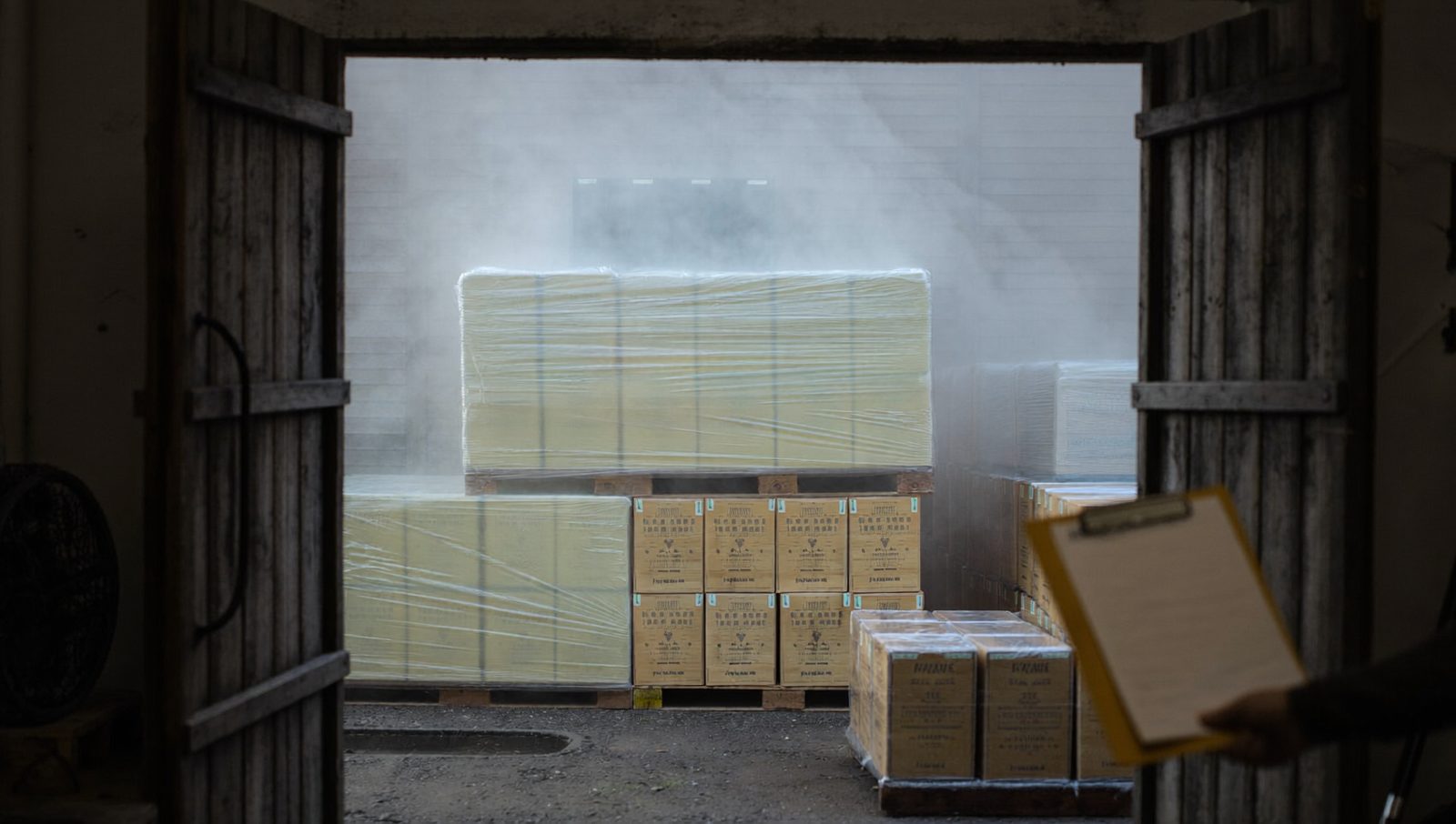
Spain is one of the leading wine producers and exporters in the world, with its own long-standing winemaking tradition and very competitive average prices in mass retail and everyday consumption. However, the Spanish market shows steady and qualified demand for Italian wine in clearly defined segments, driven both by the high flow of international tourism (in the large cities, along the Mediterranean coast and on the islands) and by the widespread presence of authentic Italian restaurants and contemporary local eateries.
To understand how your range compares with local supply, you can consult the analysis on the comparison between Italian and Spanish wine and the in-depth article on wine production in Spain and its regions. In commercial terms, Spanish importers look in Italy for references that do not directly overlap with the classic Iberian aged reds (such as Rioja or Ribera del Duero), but that complement the wine list:
- Italian sparkling wines (Prosecco, Asti, Franciacorta, Trento DOC): chosen for their aromatic freshness and versatility in the aperitif and in mixology, as an alternative or complement to local Cava.
- Fresh and mineral indigenous whites: Pinot Grigio, Vermentino, Lugana, Gavi, Soave and whites from Southern Italy (Fiano, Greco, Grillo, Etna Bianco), in high demand in coastal restaurants and urban wine bars.
- Identity reds for the Ho.Re.Ca. channel: Chianti Classico, Brunello di Montalcino, Barolo, Primitivo, Montepulciano d'Abruzzo and Nero d'Avola, essential for the wine lists of Italian restaurants in Spain.
- Lightly sparkling and low-alcohol wines (Lambrusco, Moscato): historically established in Spanish consumption, both in modern retail and in informal restaurant chains.
Further reading: Shipping Wine to Switzerland: Duties and VAT for Buyers.
Further reading: Shipping Wine to Ireland: Excise Duty and VAT Rules.
Frequently asked questions
How much is excise duty when shipping wine to Spain?
In Spain, as in Italy, the excise rate on still wine and sparkling wine is zero. There is therefore no excise amount to pay to the Spanish state per litre or per bottle of wine, without prejudice to the obligation to issue the accompanying documents required by European legislation (e-AD, e-DAS or MVV-E).
Can a restaurant in Madrid or Barcelona buy wine directly from our winery?
Yes, a Spanish restaurant can buy directly from Italy without going through a traditional importer, provided it is registered in VIES for intra-EU invoicing and registers with the Spanish Agencia Tributaria as a "certified consignee" (including for a single occasional shipment), allowing your winery to issue the electronic Union e-DAS document.
What documents are needed to ship wine to the Canary Islands?
Although they politically belong to Spain, the Canary Islands are excluded from the European Union's tax territory for VAT and excise purposes. To ship wine to Tenerife or Gran Canaria, you do not use the intra-EU procedure, but must carry out a formal customs export to a third country, issuing a non-taxable invoice for export, a customs export declaration (DAE) and an e-AD bound to the exit from the EU territory.
Can I ship wine to a private customer in Spain with a standard courier?
No, standard couriers do not accept alcoholic beverages in their basic services, because products subject to excise (even at a zero rate) require specific tax traceability procedures for cross-border B2C transport. You must use the express services dedicated to shipping wine to private individuals in the EU and manage VAT through the OSS scheme if you exceed the annual threshold for distance sales.
Sources
- Agencia Tributaria (Spain) — Impuestos Especiales and VAT in intra-EU transactions
- Agenzia delle Dogane e dei Monopoli (ADM) — Movement of excise-liable products and EMCS
- EUR-Lex — Directive (EU) 2020/262 laying down the general excise regime
- European Commission — Taxation and Customs Union: Excise duties on alcohol and VAT OSS
- ICE Agenzia — Information on foreign markets and trade with Spain
- Shipping Wine to the USA: B2B, Samples, Not Private Buyers
- Shipping Wine to Ireland: Excise Duty and VAT Rules
- Shipping Wine to Latin America: Ports, Containers, Transit
- Selling wine in the EU: excise, VAT and documents
- Shipping wine to Asia: containers, ports and transit times
- Selling wine to German retailers without an importer