Shipping wine to East Asia: containers, ports, transit times and cost items
Wines Export Editorial · Last updated:
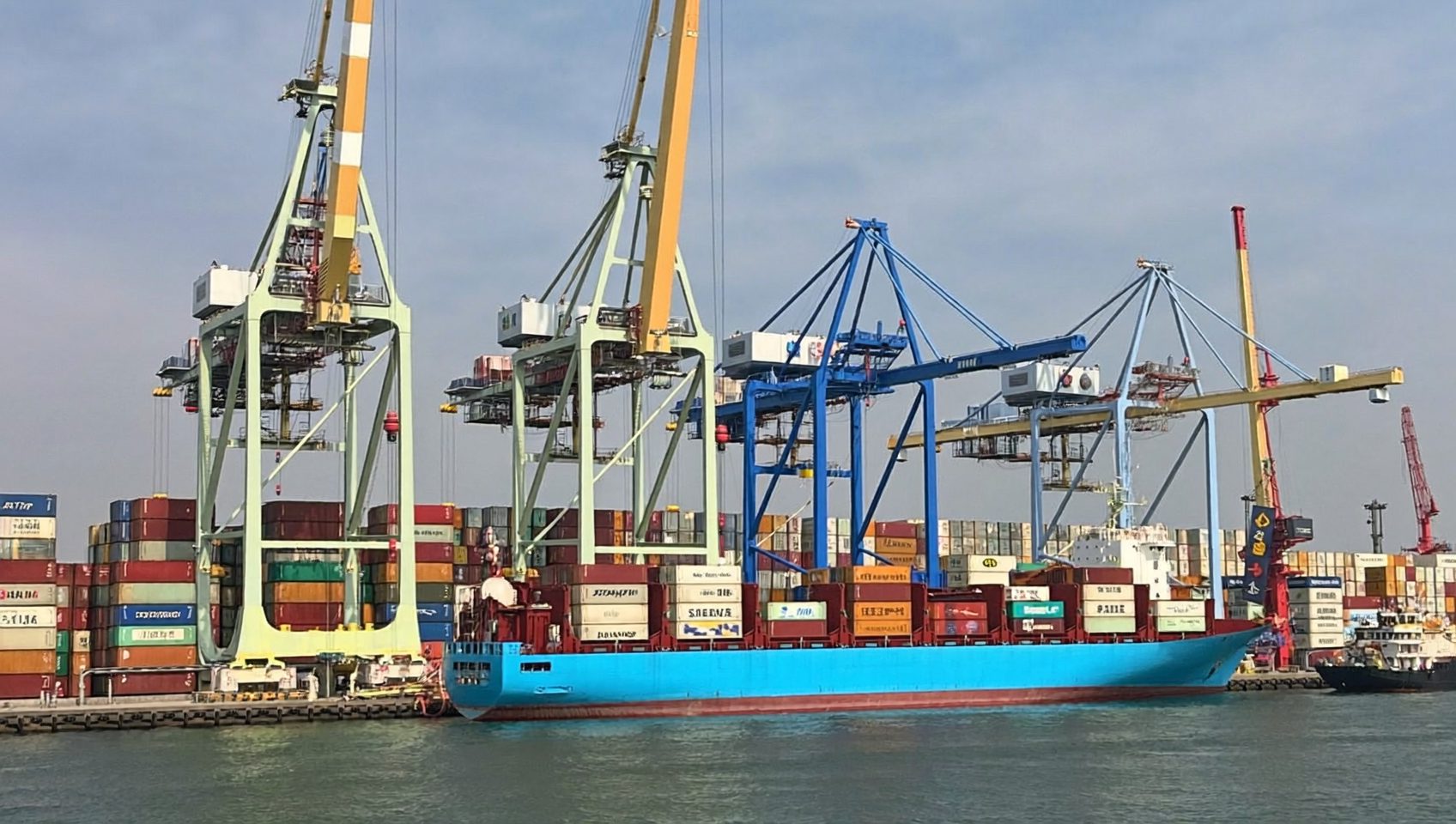
When you ship wine to East Asia, the choice that matters most is the type of container, followed closely by the arrival port and the documents that Italian customs requires at departure. The wine leaves Italy from a container port and arrives at one of the major hubs in China, South Korea, Japan, Taiwan or Hong Kong, with transit times that vary from one shipping line to another. This guide sets out ports, transit times, dry and reefer containers, heat risk along the route and cost items, with the sources the data comes from. For the role of the freight forwarder, see freight forwarders for wine: export logistics, and for calculating cases and pallets, see how many bottles in a case, pallet and container.
Which ports Italian wine leaves from for Asia
Wine usually departs from a container port on the Tyrrhenian or Adriatic coast, chosen according to where the wineries are located and which lines serve East Asia with useful frequency. The departure port mainly affects road transport to the terminal, while the arrival port determines the sea route and the carrier's operations in the destination country. Ask your freight forwarder which lines call at the port you have chosen and how often, because the number of useful sailings varies considerably from one route to another.
The economic context helps in reading costs. The Italian federation of international freight forwarding companies (Fedespedi) reports that in the first half of 2026 Italian exports grew by 4.5% and imports by 4.3%. In the same observatory, the headline notes that tensions in the Middle East are pushing up energy costs and logistics pressures, so the freight rate should be checked at every booking. Fedespedi has represented this sector in Italy since 1946 and also publishes country profiles, including one on Japan.
Transit times to Shanghai, Busan, Yokohama, Kaohsiung and Hong Kong
Sailing days depend on the line, intermediate calls, transhipment and the time of year, and shipping companies update their schedules frequently. The practical approach is to ask your freight forwarder for two or three options for each port: direct, with one call, and with transhipment, with the expected time for each. To check sailings, you can also consult the travel schedules published directly by the shipping lines.
For each arrival port, it is also useful to know Italy's institutional presence in the country, since the relevant ICE office is often the first contact for market information and local customs context. The table below reports only what the ICE website lists in its list of markets and offices.
| Arrival port | Country | ICE office cited in the list |
|---|---|---|
| Shanghai | PR China | Shanghai |
| Hong Kong | PR China (includes Hong Kong and Macao) | Hong Kong |
| Busan | South Korea | Seoul (Busan does not appear in the list) |
| Yokohama | Japan | Tokyo (Yokohama does not appear in the list) |
| Kaohsiung | Taiwan | Taipei (Kaohsiung does not appear in the list) |
The table shows only the institutional picture. For transit in days, rely on the offers from the lines, not on a general average.
Full container, groupage or reefer: when each is needed
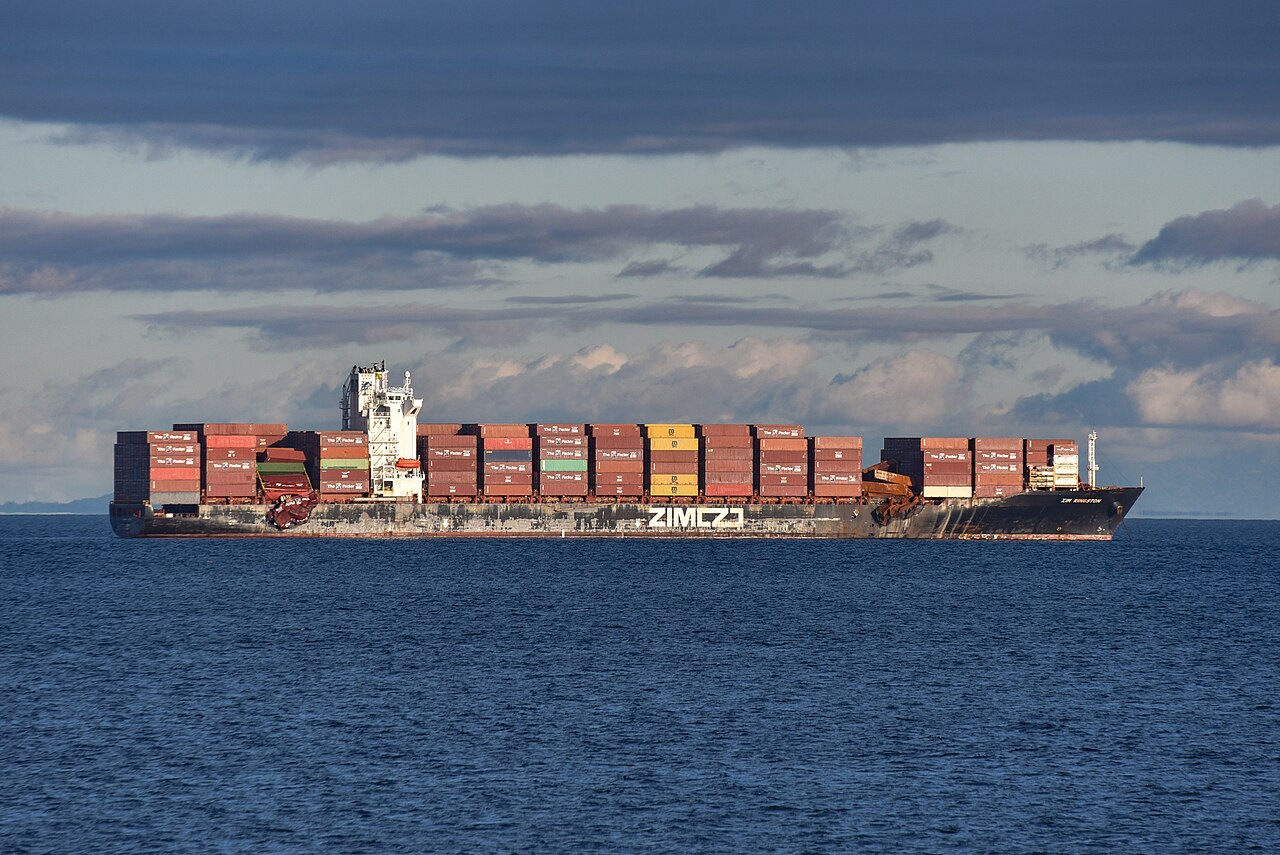
A full container, known as FCL, is the most straightforward choice when the cargo is enough for a single importer. The wine travels in cartons placed on pallets, and the winery pays for the whole container even if it does not fill it completely, so the choice depends on the actual volume and the delivery schedule. Groupage, known as LCL, shares the container with other shipments: it suits small lots, but it adds loading and unloading operations, and therefore longer times and more points of risk for the wine.
Within full containers, there are two types to distinguish. A dry container is a closed container without refrigeration, and for wine it works well when the route does not expose the goods to extreme temperatures or long stops in the sun. An insulated dry container has insulated walls that reduce heat exchange with the outside, and can be an intermediate solution for hot routes. A reefer is a refrigerated container powered electrically during the voyage: it costs more, depends on the availability of power points on board and at terminals, and makes sense mainly for wines that need continuous temperature control. For choosing between reefer and dry, see our dedicated page: temperature-controlled wine transport: when a reefer is needed.
Whatever container you choose, packaging does part of the work. Sturdy cartons, stable pallets and cargo securing reduce internal movement during the voyage. The page on pallets and packaging for export explains the practical choices: wine export packaging and pallets: cartons and containers.
Heat in the Red Sea and at the equator: how to protect the wine
The route from Europe to East Asia passes through the Red Sea or, when lines avoid Suez because of Middle East tensions, goes around Africa. In both cases it crosses tropical and equatorial zones where outside temperatures are high, and goods on a ship's deck or in an uncovered terminal can far exceed ambient temperature. A dry container left in the sun for hours builds up heat inside, and the risk grows with stops at transit ports and with waiting times for loading. For wine, the duration of heat matters more than a brief peak, so stops count as much as temperature.
There are three practical protections. The first is to choose the container according to the risk on the route, with a reefer or insulated container when transit heat is a concrete problem. The second is to reduce outdoor stops: ask the carrier and the freight forwarder at which terminals the container remains exposed and for how long. The third is to record temperature with a data logger placed in the load, so that you have evidence of the values reached during the voyage. The technical reference for winemaking practices is the OIV International Code of Oenological Practices, which lists the treatments and practices permitted on wine and must. Travel conditions, however, are defined with the freight forwarder and the insurer before the cargo departs.
Cost items for a container of wine to Asia
The cost of a container is not just the sea freight. The price the winery must calculate includes transport from the winery to the port, terminal charges, the export declaration, surcharges the carrier applies in certain periods, insurance and any warehouse storage. Freight changes from week to week, so amounts should be checked at every booking. The formula to use is this.
Cost at arrival port (ex-works to destination port) = sea freight + carrier surcharges + road transport to the port + terminal charges + export declaration charges + insurance + any warehouse costs.
The table summarises the items, with who usually bears them in practice, but roles change according to the delivery terms agreed in the contract.
| Cost item | What it depends on | Who usually bears it |
|---|---|---|
| Sea freight | Route, line, period and container type | Depends on delivery terms |
| Carrier surcharges | Congestion, fuel and route conditions | Depends on delivery terms |
| Road transport to the port | Distance, type of vehicle and loading times | Usually the winery |
| Terminal charges | Operations at the departure and arrival ports | Depends on delivery terms |
| Export declaration | Customs procedure in Italy | Usually the freight forwarder, with a charge |
| Cargo insurance | Value of the goods and chosen coverage | Depends on the contract |
| Warehouse and stops | Collection delays, waiting times, storage | Whoever causes the delay |
For the export declaration, the Italian Customs and Monopolies Agency provides a movement tracking service using the MRN number, which lets you follow the procedure once it is registered. Ask your freight forwarder for the number before departure, because it is the reference you use, through the Agency's tracking service, to verify that the goods' exit from the European Union has been recorded.
Who pays what: the Incoterms most used with Asian importers
Incoterms establish up to which point each party pays and bears the risk of the goods. In negotiations with Asian importers, FOB often appears, with the goods delivered on board at the Italian port, or FCA, with delivery to the first carrier. With CIF or CFR the winery pays the freight up to the arrival port, while with DAP or DDP the cost extends to the importer's premises. The chosen term must be written in the contract and the invoice, together with the name of the port, because a term without a place does not say where the risk ends.
The seller should know that the term affects the price: a CIF price includes freight and insurance, an FOB price does not. The page on delivery terms helps you choose according to the market and type of importer: Incoterms 2020 for wine: which to choose.
Further reading: Shipping Wine to Latin America: Ports, Containers, Transit.
Frequently asked questions
How long does it take to ship wine to China by sea?
The time depends on the line, the arrival port and the intermediate calls, so there is no single answer. Ask your freight forwarder for two or three options with the expected time for each, and compare sailings with the schedules published by the lines. Also take into account collection and customs clearance times in the destination country.
Is groupage worthwhile for shipping wine to Japan?
Groupage suits small lots, because you share the container with other shipments and pay only for the space you occupy. The drawback is that there are more loading and unloading operations, and therefore more handling of the cases. For a load that fills a container, a full container remains simpler to control.
Do I need a reefer to ship wine to Asia?
Not always. A dry container, even an insulated one, may be enough for many routes if outdoor stops are limited. A reefer becomes more sensible when the wine needs continuous temperature control or when the route exposes the cargo to prolonged heat. The choice is made with the freight forwarder, assessing the route and the terminals.
Who pays for shipping wine to Asia?
It depends on the delivery term agreed in the contract. With FOB or FCA the winery delivers at the Italian port or to the first carrier, and the importer pays the subsequent transport. With CIF, CFR, DAP or DDP the winery bears a wider share of the costs, up to the arrival port or the importer's premises.
Sources
- Shipping wine to Austria: excise, B2B and consumers
- Shipping Wine to Latin America: Ports, Containers, Transit
- Shipping wine to Belgium: excise, e-AD and couriers
- Shipping Wine to the USA: B2B, Samples, Not Private Buyers
- Shipping wine to private buyers in the EU: excise rules
- Shipping Wine to Spain: Zero Excise, Documents and VAT