Albeisa: The Piedmontese Grape Variety for the Global Market
In the Italian wine landscape, Piedmont stands out for its wealth of indigenous grape varieties that give life to world-renowned wines. While not a grape variety in the classic sense, the Albeisa bottle holds fundamental historical and cultural importance, linked to the production of prestigious red wines. Introduced in the early eighteenth century, this bottle takes its name from Alba, in the heart of the Langhe, becoming a symbol of quality and territoriality. Its distinctive shape and dark brown color, often with the inscription "Albeisa" embossed, make it immediately recognizable. The Albeisa Association, founded in 1973, protects and promotes the use of this historic container. Learn more: MASAF — National Register of Vine Varieties.
What is the Albeisa bottle and why is it important for Piedmontese wines?
The Albeisa bottle is a historic container, not a grape variety. Introduced in the early eighteenth century, it takes its name from the town of Alba, in the heart of the Langhe. It was conceived to distinguish wines produced by Albese winemakers, becoming a symbol of quality and territoriality for Piedmontese red wines.
Its shape is distinctive: a pronounced base, cylindrical body up to mid-height, a marked and prominent shoulder, a short neck, and a cylindrical punt. The predominant color is dark brown, which historically offered protection from light. The glass thickness is considerable, ensuring robustness. The height is approximately 30 cm for a capacity of 750 ml.
Its adoption is historically linked to the red Piedmontese wines of the Langhe, particularly those derived from Nebbiolo, Barbera, and Dolcetto. These grape varieties, known for their structure and complexity, find in the Albeisa bottle a container that reflects their nobility and tradition. The Albeisa Association, founded in 1973, works to keep this tradition alive, promoting the use of the bottle as a symbol of authenticity and connection to the territory.
Which grape varieties are associated with the use of the Albeisa bottle?
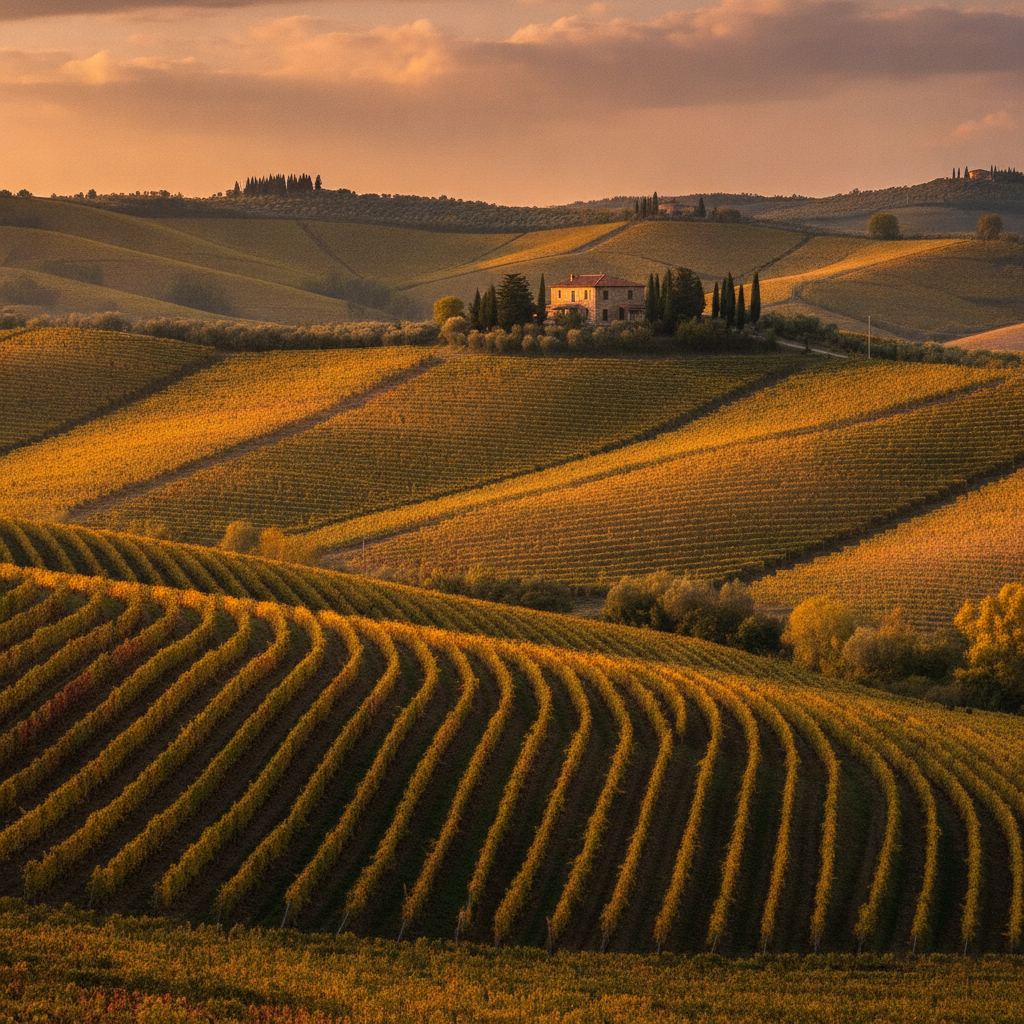
The use of the Albeisa bottle is historically linked to indigenous Piedmontese grape varieties, particularly those that give life to the great red wines of the Langhe. Among these are Nebbiolo, the basis for famous wines like Barolo and Barbaresco, Barbera, and Dolcetto. These grape varieties are renowned for their structure, complexity, and aging potential, characteristics that find an ideal container in the Albeisa bottle.
What is the export potential for Piedmontese wines bottled as Albeisa?
The export potential for Piedmontese wines in Albeisa bottles lies in their strong territorial identity and internationally recognized quality. Grape varieties such as Nebbiolo, Barbera, and Dolcetto are already well-known in foreign markets. The use of the Albeisa bottle, with its history and connection to Alba, can add a further element of charm and authenticity for international consumers seeking wines with a strong narrative.
Markets that appreciate wines with a consolidated history and tradition, such as those in Northern Europe (Germany, Scandinavia), North America (United States), and Asia (China, India), could be particularly receptive. The Albeisa bottle, with its distinctive design, can serve as a differentiating element on the shelves, immediately communicating the wine's Piedmontese origin.
To fully leverage this potential, wineries should focus on communicating the history of the Albeisa bottle and its connection to indigenous grape varieties. The intrinsic quality of the wine, combined with packaging that evokes tradition and territory, can create a winning offering for export.
Are there any grape varieties with particular characteristics that could be exported in Albeisa bottles?
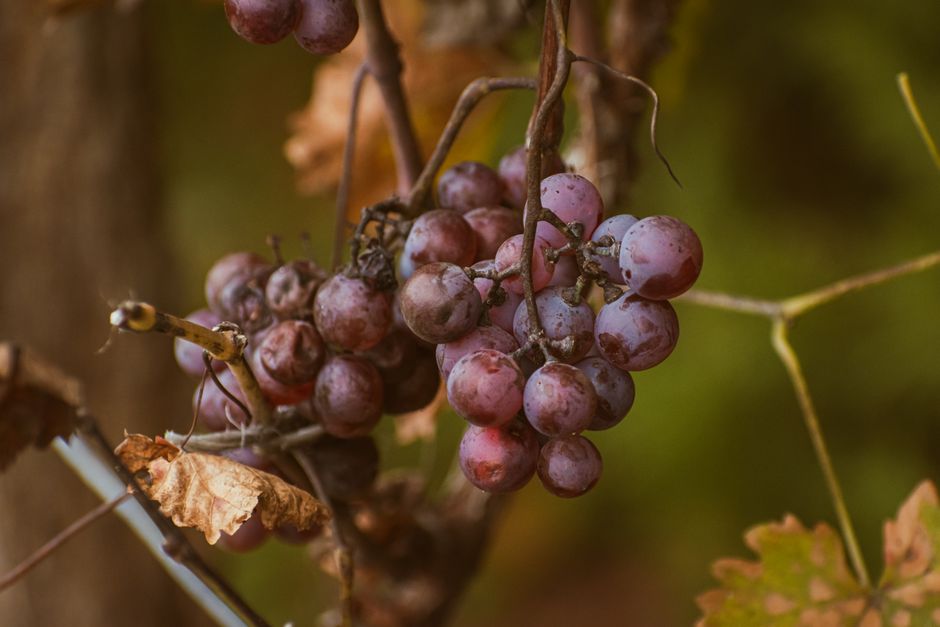
The original text mentions several grape varieties with specific characteristics and export potential, although not all are directly linked to the use of the Albeisa bottle but represent the broader winemaking context.
A grape variety with "exuberant vegetative development" prefers less fertile and humid soils, producing a straw-yellow wine that is full-bodied and dry, with a varietal aroma. The grapes are used in blends for dessert or fortified wines. This grape variety, with synonyms like Dolgi and Belji dolgi, had ancient origins in Crimea and Ukraine and was intended for export.
Another grape variety prefers fresh, fertile, and deep soils, adapting to humid climates. It has high vegetative development and good fruiting, and is not very susceptible to fungal diseases. The resulting wine is a pale ruby red, soft, and low in tannins. The grapes, with a high must yield, are vinified with other grape varieties or were once used as table grapes. This grape variety, originating from Azerbaijan, is also found in Armenia and Uzbekistan.
A grape variety from southern Russia, widespread in the Rostov Na Donu region, produces a straw-yellow wine that is harmonious, velvety, and sapid. It can be used for various types of wine, including table wines, dessert wines, or sparkling wines; if harvested late, it produces a fortified wine.
A grape variety exhibits very late budburst, flowering, veraison, and ripening. It is susceptible to powdery mildew but moderately resistant to grey mold. The grapes are mainly used as late table grapes in the Naoussa area.
A grape variety originating from Central Asia is widespread in Uzbekistan and Tajikistan. It produces a wine of poor quality from high yields, low in alcohol and not harmonious; quality improves in hillside vineyards. It is used for common table wine, sparkling wine production, and distillation.
A vine variety of medium vigor and quite resistant, with leaves similar to those of Cabernet Sauvignon. The bunches are large and the berries are large, with a thick but tender skin. This variety has proven to be a good and prolific producer, not very susceptible to diseases. The grapes have been successfully used for table consumption due to their lateness and good storage qualities.
Other grape varieties exhibit detailed ampelographic characteristics, described as vigorous and robust, with good quality grapes that can be blended to prepare good meal wines. Some of these grape varieties originate from Italian regions like Piedmont (Casale, Asti, Alessandria), while others come from broader geographical contexts.
Frequently Asked Questions
How can an Albeisa bottle be distinguished from other wine bottles?
The Albeisa bottle is distinguished by its specific shape: a pronounced base, cylindrical body up to mid-height, a marked and prominent shoulder, a short neck, and a cylindrical punt. The predominant color is dark brown, and it often features the "Albeisa" inscription embossed on the shoulder.
What are the main Piedmontese grape varieties that historically use the Albeisa bottle?
The main Piedmontese grape varieties historically associated with the use of the Albeisa bottle are Nebbiolo, Barbera, and Dolcetto, known for producing quality red wines from the Langhe.
Which international markets might be more receptive to Piedmontese wines in Albeisa bottles?
International markets that appreciate wines with a strong territorial identity and tradition, such as Northern Europe (Germany, Scandinavia), North America (United States), and Asia (China, India), could be particularly receptive to Piedmontese wines bottled as Albeisa.
The Albeisa, in its dual capacity as a historic bottle and a symbol of the great wines of the Langhe, represents a valuable asset for Piedmontese wineries looking to international markets. Its distinctive shape and centuries-old history convey a sense of authenticity and quality that foreign consumers increasingly seek. For wineries interested in exploring export opportunities for Piedmontese wines or wishing to better understand the dynamics of the international market, Wines Export offers personalized consulting services.