Vineyard soil management: cover crops, green manure and tillage for climate and slope
Wines Export Editorial · Last updated:
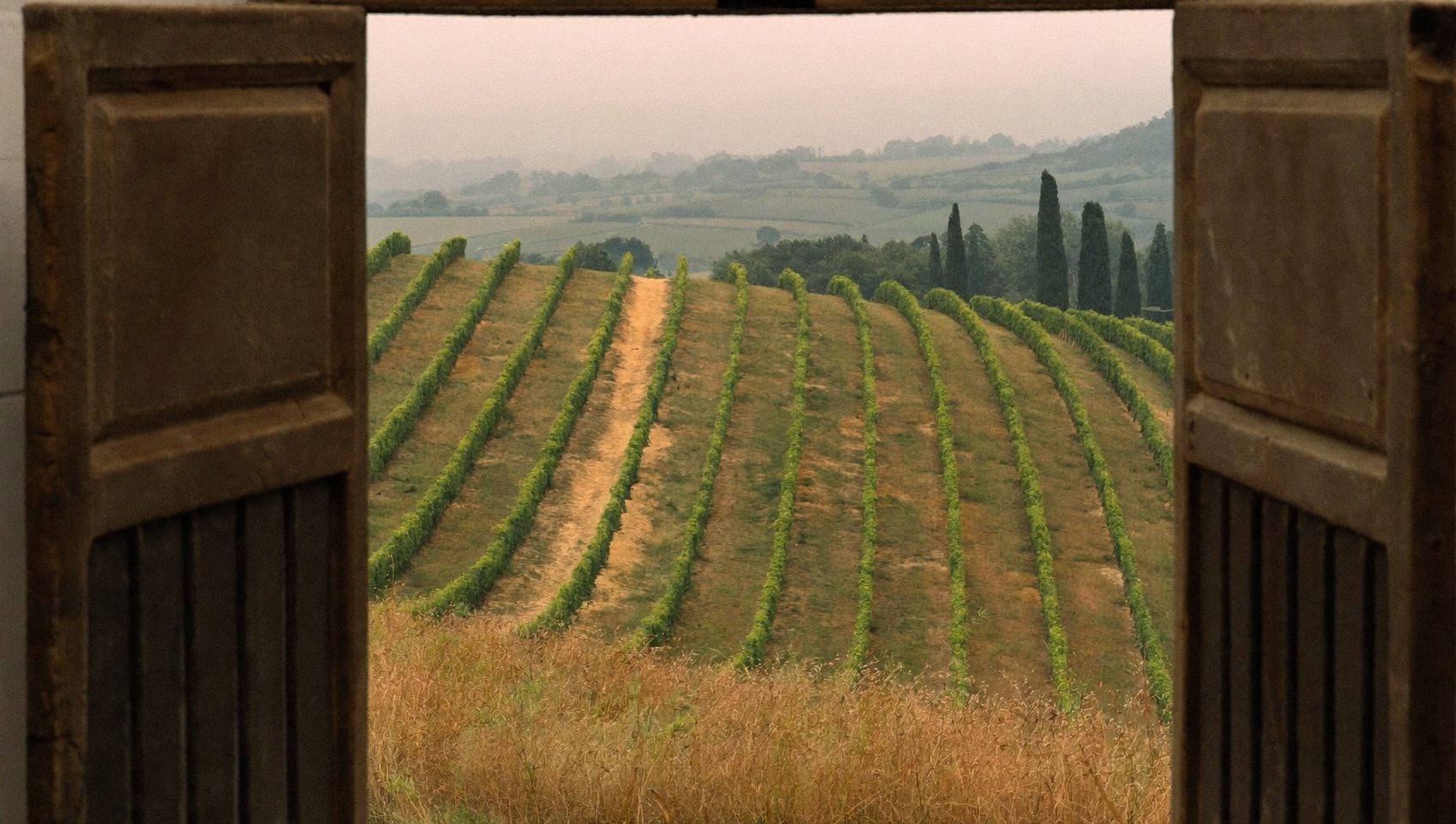
Vineyard soil management comes down to three main options: permanent cover crops, temporary cover crops with green manure, or cultivated soil kept clean. The choice affects erosion, vine vigour, water availability and soil organic matter, and it varies considerably with climate, slope and the certification you have chosen. Before deciding, it is worth reviewing the vineyard work calendar, month by month, which sets the timing of operations, and the overview on vine water stress and climate change.
Why soil is a first-order issue for sustainability certifications
Wine sustainability standards look at soil because it is where agricultural practice produces visible effects over time. The Equalitas standard, for example, builds its sustainability on three pillars: social, environmental and economic. Soil falls mainly under the environmental pillar, and this is where the winery must be able to demonstrate what it does in the field.
For the winery, the practical point is this: each certification has its own specification, with different requirements and documents. Before changing your soil management, check in the specification of the standard you have chosen which practices are required, which are prohibited and which records you must keep in the field, because a practice acceptable under one label may not be acceptable under another.
Permanent or temporary cover crops: effects on vigour and water
A cover crop means letting a grass or herbaceous cover grow between the rows or in the inter-row. A permanent cover stays for all or most of the year; a temporary one is sown in autumn, managed by mowing or mulching, and then left as ground cover over winter. The biggest practical difference concerns competition for water: a cover that stays green all summer takes up moisture the vine will not have available in dry periods, whereas a cover that dries out early in spring weighs less on the water balance.
The advantage of cover crops lies in soil structure and erosion control. Roots hold the soil together, the cover protects against heavy rain and improves the trafficability of machinery in wet periods. The cost is vigour: on fertile soils or where water is scarce, a permanent cover can reduce shoot growth and berry weight, so growers in hot areas need to choose species and mowing timing carefully.
A recent climate signal helps illustrate the problem. The IFV note on 2026 reports record heat in June and July, with drought and water stress varying widely from one region to another, and a vintage marked by very rapid ripening and smaller berries and bunches. In a year like this, a cover that consumes water can weigh more than expected, and it is worth scheduling mowing before the soil dries out completely.
Green manure: which species and when to incorporate
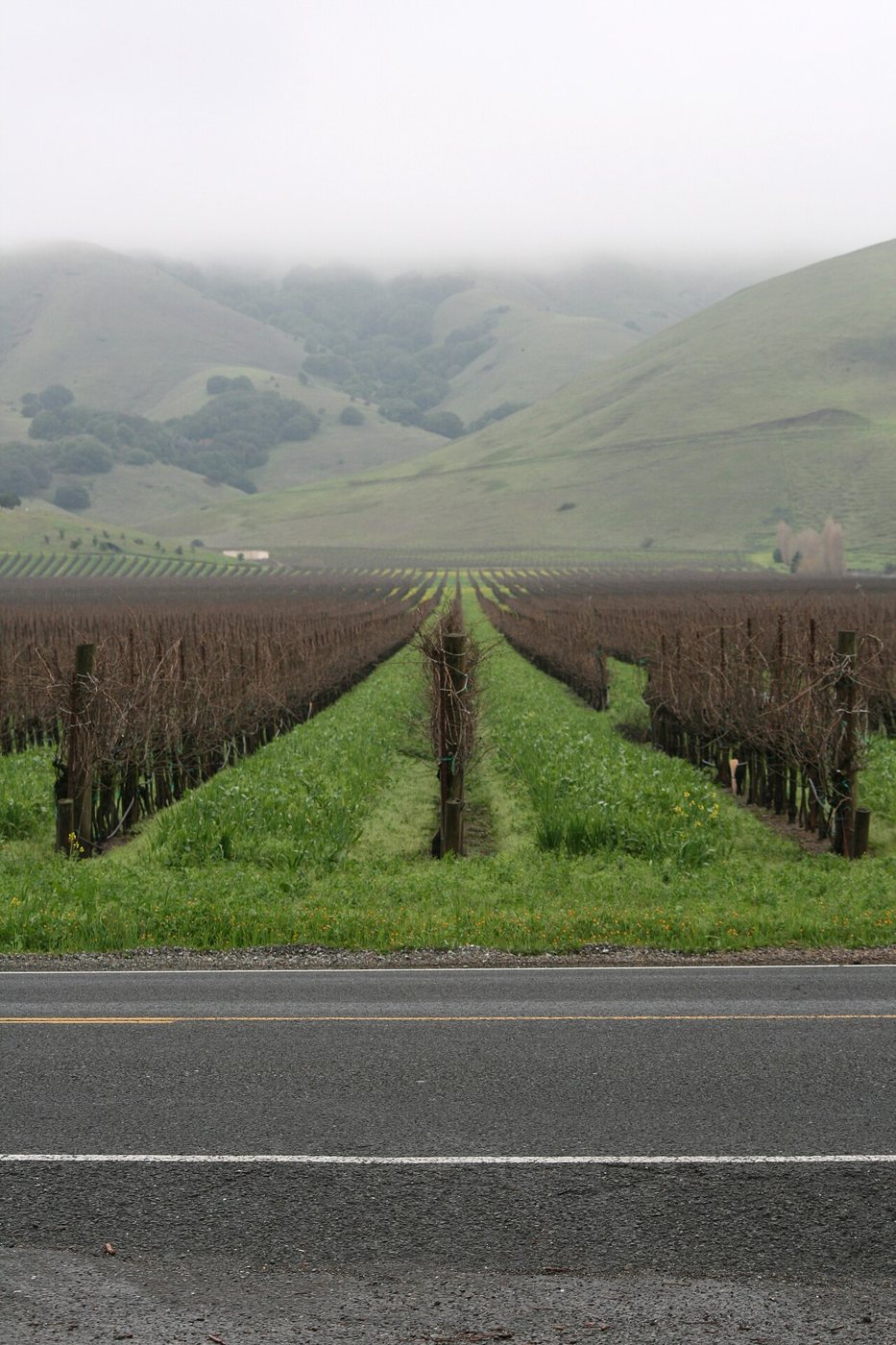
Green manure is a crop sown in the vineyard and then ploughed in as a green fertiliser. In practice, legumes are often used, as they fix nitrogen from the air through their root bacteria, or grasses and brassicas, which produce a lot of biomass and help structure the soil. Multi-species mixtures are widely used because they combine functions: the legume supplies nitrogen, the grass provides biomass and deep roots.
The timing of incorporation matters as much as the choice of species. As a rule, the crop is incorporated at full vegetative development, before the plant flowers and produces seed, because at that stage the material is still soft and decomposes quickly. Incorporating too late leaves woody residues that slow mineralisation and can take nitrogen away from the vine in the early stages of growth. Growers with low-vigour vineyards should avoid overly competitive species, whereas where vines grow too vigorously, green manure can help moderate them.
For the year's work plan, green manure fits between autumn sowing and the first spring treatments. Write the sowing and incorporation dates in the field record, because these are exactly the records that a certification inspection asks to see.
The table below summarises the main effects of the three most common management approaches. These are qualitative indications: the real result depends on species, soil and vintage.
| Management | Effect on erosion | Effect on water competition | Effect on vigour | When it suits |
|---|---|---|---|---|
| Permanent cover crop | Reduces | High, in the dry months | Can contain it | Steep slopes, fertile soils |
| Temporary cover crop | Reduces in the rainy months | Low in summer | Modest | Drought-prone areas, flat or gently sloping land |
| Incorporated green manure | Reduces through winter cover | Low after incorporation | Can moderate it with legumes | Vineyards with excessive vigour |
Tillage and weed control: what remains permitted
Mechanical tillage serves to control weeds, aerate the soil and incorporate residues. The downside is that each pass disturbs the structure, speeds up the loss of organic matter and leaves bare soil exposed to rain. For this reason, many estates have reduced tillage and concentrated it on the row, leaving the inter-row under cover.
Chemical weed control is strictly regulated. What remains permitted depends on the production system you have chosen, conventional, integrated or organic, and then on the certification specification. In organic production, the use of synthetic substances is tightly restricted, and soil management becomes the main alternative. The topic is a concern across Europe: the IFV presents the PARSADA Vigne project, which aims to prepare for the European withdrawal of active substances and to develop sustainable alternatives. Well-planned soil management can help reduce dependence on these substances.
Slope, erosion and steep-terrain vineyards
Slope is the factor that changes the choice most. On steeply sloping land, permanent cover becomes almost essential, because the risk of fine soil and nutrients being washed away is high, and tillage running straight down the slope can wash away in a few rains what took years to build up. In terraced or steep-terrain vineyards, where work is manual or done with reduced machinery, vegetation between the walls is often the only way to hold the soil in place.
On flat or gently rolling land, the choice is more open. Here temporary cover or green manure are often sufficient, and tillage on the row remains useful. In any case, erosion should be assessed in the field: after the first heavy rains, check for rills, soil build-up at the foot of the rows or exposed roots, and adjust management accordingly.
What Nordic and German importers ask about soil
Importers who buy wine from Italian producers generally do not ask for one single practice, but they want to see that soil management is described and documented. A careful importer may ask for the sustainability certification, the vineyard management sheet and evidence of the declared practices. There is no single list of requirements valid for every market: check with the buyer which documents are needed in their country and prepare the file before negotiations.
Communication matters as much as the facts. A written description of the cover system, the mowing dates and the tillage criteria, backed by field records, is more convincing than a generic statement on sustainability. Use concrete language: which cover, in which period, on which plots.
2026: heat, drought and what changes in soil management
Recent vintages are changing priorities. For 2026, the IFV reports record heat in June and July and uneven water stress across French regions, with accelerated ripening. For soil management, this means two things: cover must be managed so that it does not take water in critical months, and the most exposed plots need closer monitoring.
Another thread concerns the choice of plant material. The IFV reports that the eleven new varieties resistant to downy and powdery mildew, registered in the official French catalogue, reduce fungicide use by 80-90%. This does not concern soil directly, but it shows that field decisions are interconnected. For soil cover too, it is worth reasoning as a whole, taking all practices together.
The picture also changes with the selection of propagation material and clones. For a discussion of choosing material according to resilience, see our page on mass selection in resilient vineyards. For the documentary side, the reference is the page on wine sustainability certifications and what Equalitas, VIVA and SQNPI require.
If your winery exports to markets where organic and sustainable wine holds a growing share, soil management also becomes a commercial argument. You will find an overview of these channels on the page on the B2B market for organic and sustainable wine export.
Frequently asked questions
Is a permanent or a temporary cover crop better?
It depends on climate and slope. A permanent cover protects better against erosion, but in hot years it competes with the vine for water. A temporary cover, mown and incorporated in spring, is a compromise that is easier to manage in drought-prone areas.
When should green manure be incorporated?
As a rule, it is incorporated at full vegetative development, before the cover flowers, so that the material decomposes quickly. Incorporating late leaves woody residues that slow mineralisation. Note the dates in the field record.
Is herbicide still permitted in certified vineyards?
It depends on the standard and the production system. Organic production strictly limits synthetic substances, while other specifications have their own rules. Check the specification of the standard you have chosen before intervening.
What does an importer ask about soil management?
Usually a written description of the practices and proof of certification. The exact requirement varies from country to country, so it is worth discussing it with the buyer before preparing the file.
Sources
- Albeisa Bottle: What It Is and Which Wines Use It
- Vineyard management calendar: work by season
- White grape pressing: pneumatic press and must fractions
- Vermentino: Gallura DOCG, Sardinia, Liguria and Tuscany
- Wine Acidification and Deacidification: The Practical Guide
- Valpolicella production and sales: the Amarone pyramid