Vineyard management month by month: pruning, spraying, irrigation and harvest
Wines Export Editorial · Last updated:
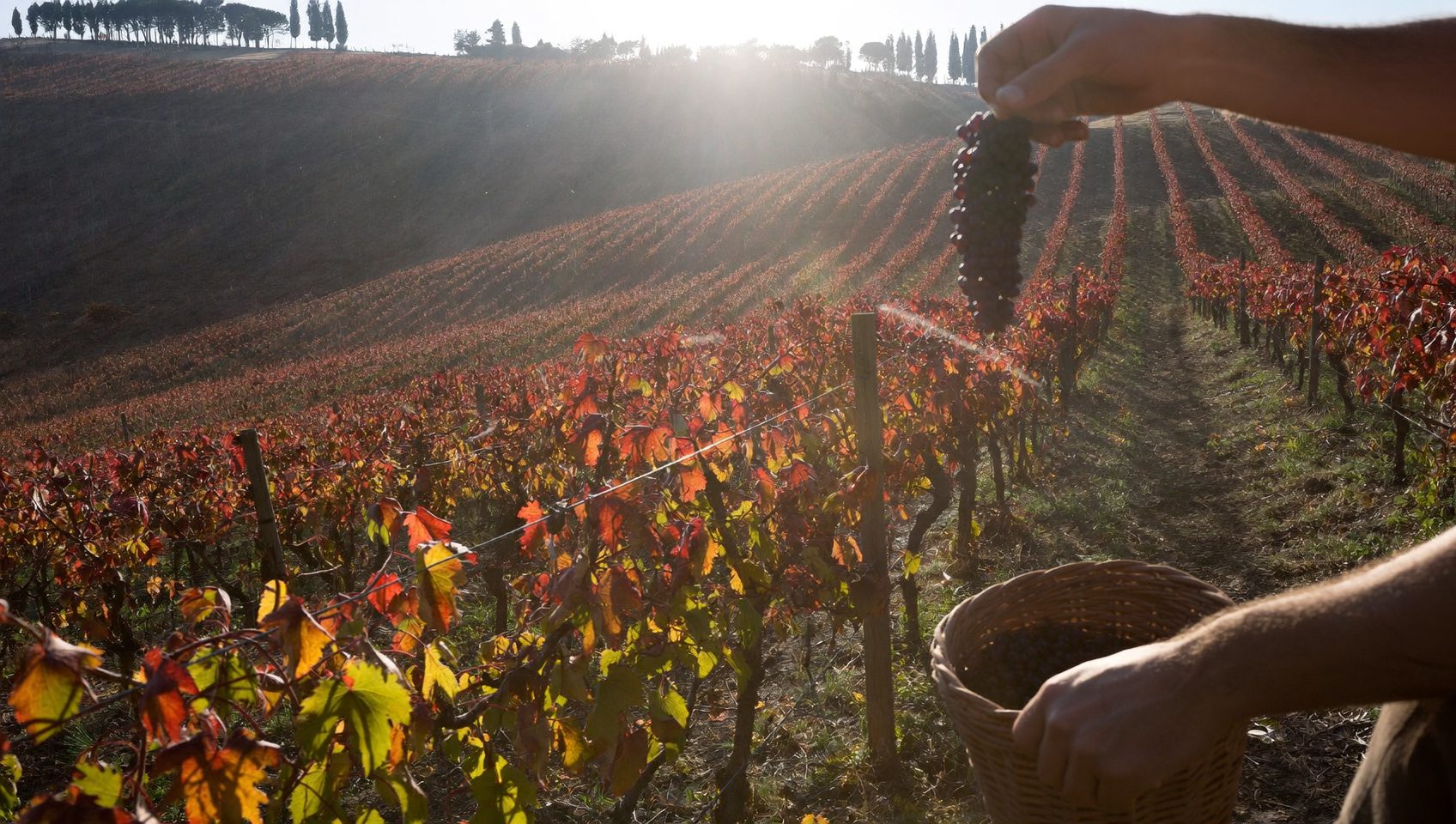
Vineyard management is a sequence of tasks that returns every year, but never falls in the same weeks. The rhythm depends on the season's climate, the grape variety and the stage the vine has reached. This page lists the work by stage, from pruning to harvest and the period after picking, and points out the mistake most often made in each stage. The calendar should be read as an order of operations and a list of checks to carry out, not as a set of fixed dates.
Winter: pruning and tying
Winter pruning is carried out while the vine is dormant, before sap starts to rise. The cane to keep and those to remove are chosen according to the training system and the number of buds the vine can ripen without losing quality. Pruning too long produces many small, shaded bunches. Pruning too short leaves little wood to renew the following year. For the criteria for choosing fruiting canes and training forms, consult training systems and pruning.
Immediately after pruning, the canes are tied to the support wire. Tying late, when shoots are already long, breaks the buds and costs the first phase of growth. Use ties that do not constrict the cane: a tight tie becomes a point of breakage in spring.
Pruning material should be removed or shredded according to the sanitary rules of your area. Leaving it on the row encourages the survival of some wood pathogens.
Spring: budburst and first protection
At budburst, young shoots are sensitive to late frosts. In the weeks of awakening, check the weather forecasts. If the risk is high, assess the protection systems you already have on the estate, before the damage occurs.
Shoot removal, meaning the elimination of suckers on the trunk and the head, should be done early, while the shoots are still herbaceous. Removing suckers late costs more effort and leaves the vine under stress from double work.
After budburst, protection against fungal diseases begins. Downy mildew and powdery mildew are the two to keep under control in almost all Italian wine regions. The practical rule is to act on the basis of monitoring and leaf-wetness conditions, not after symptoms appear. Choose products according to the label and the limits that apply in your country and for the destination market of the wine.
Summer: canopy, irrigation, protection
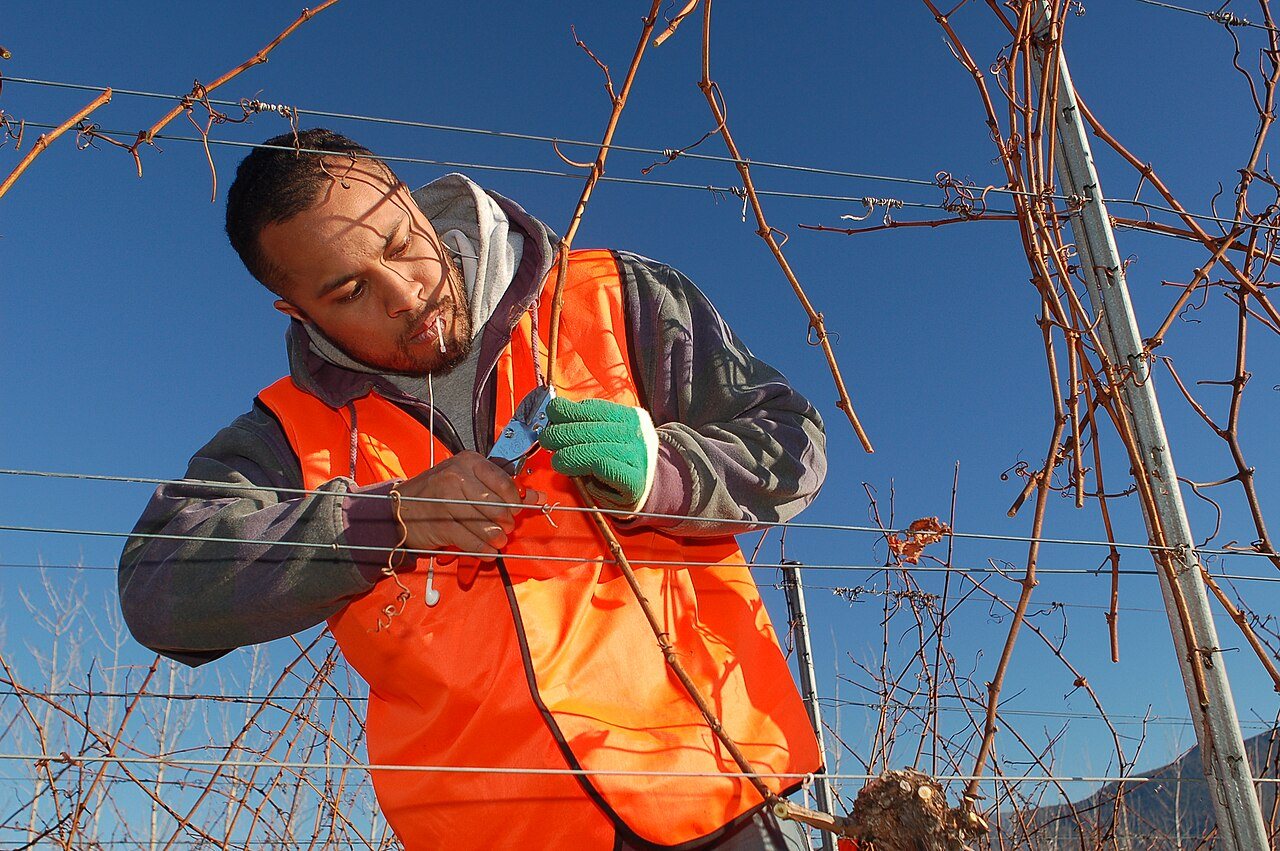
Canopy management is the core of summer. Leaf removal in the fruiting zone improves aeration and exposure of the skin. Removing leaves too early or too hard, however, exposes bunches to sunburn on hot days. Cluster thinning, when needed, should be done before veraison, so that the vine concentrates resources on the fruit that remains.
Where irrigation is permitted, the criterion is the vine's water balance, not the calendar. Excess water during ripening lengthens the cycle and dilutes aromas. Prolonged deficit halts growth and can stop ripening. For the water picture and management choices, read soil, climate and water management and vine water stress and climate change.
Protection continues with monitoring. In humid summers fungal diseases return. In dry summers the pests to watch change, such as mites. Record every treatment in a field logbook: date, product, dose and reason. It is the document you need when someone asks how the vineyard was managed.
Late summer: ripening and sampling
From veraison onwards, follow sugars, acidity and pH of the grapes. The sample must be representative. Collect berries from several points in the vineyard, from several bunches per point, and from the upper, middle and lower part of each bunch. A sample always taken from the same row, on the roadside, gives a figure that does not describe the vineyard.
The harvest date is not decided by sugar level alone. Technological maturity and phenolic maturity, that is of skins and seeds, can arrive at different times. Very sugary grapes with still green seeds produce harsh wine. Grapes with ripe aromas but low sugars may call for a different decision depending on the wine you want to make.
Harvest
Harvest is the point where vineyard work passes into the winery. Pick during the coolest hours, carry the grapes in crates and minimise the wait between picking and pressing. Each hour of waiting in the sun increases oxidation and the growth of microorganisms you do not want in the must.
The practices permitted on must and wine are listed in the OIV International Code of Oenological Practices. The code describes treatments and practices, from maceration to fining. For details and the limits to respect, consult authorised oenological practices.
The vineyard has a decisive influence on the final wine. A healthy bunch, picked at the right moment and brought to the winery undamaged, leaves the winery more room for choice.
Autumn: after harvest
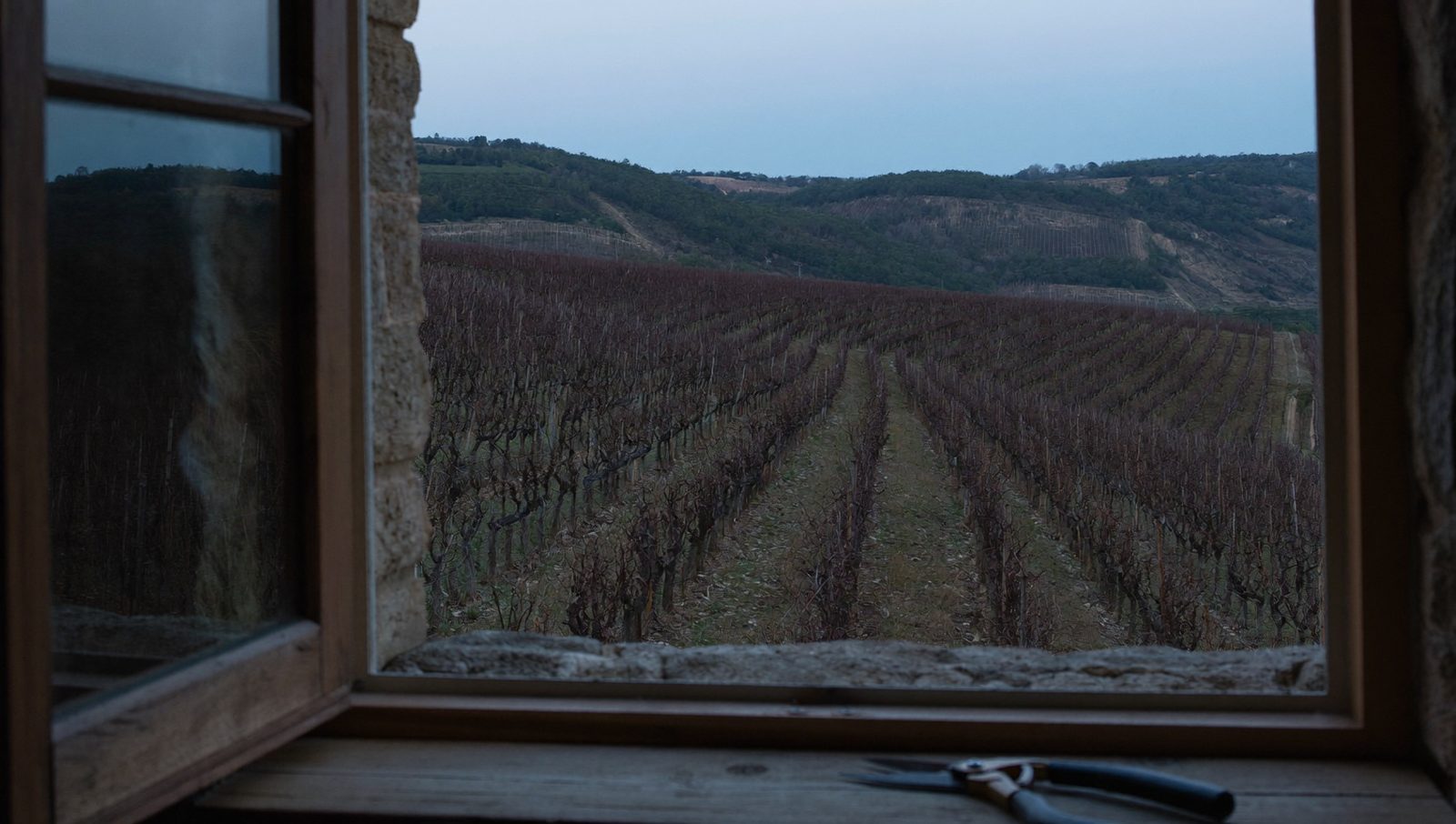
After harvest the vine keeps working. Green leaves accumulate reserves in the roots and wood, and those reserves determine the restart the following year. Let the leaves fall naturally. Cutting the canopy too early removes the reserves the vine needs for spring.
This is the time to plan the base fertilisation and, where foreseen, green manure. Also make a check round the vineyard: gaps, waterlogged spots, areas with excessive or insufficient vigour. Note in the vineyard notebook what worked and what needs to change. To plan the following year, start from annual vineyard management.
| Stage | Main work | Most common mistake | Further reading |
|---|---|---|---|
| Winter | Pruning and tying | Pruning too long or too short, late tying | Training systems and pruning |
| Spring | Shoot removal, protection, frost protection | Treating once symptoms have already appeared | Annual vineyard management |
| Summer | Leaf removal, irrigation, protection | Leaf removal too hard, irrigation by calendar | Soil, climate and water management |
| Late summer | Sampling and choice of date | Non-representative sample | Water stress and climate change |
| Harvest | Picking and transport to the winery | Grapes left in the sun in crates | Authorised oenological practices |
| Autumn | Reserves, fertilisation, logbook | Cutting the canopy before leaves fall | Annual vineyard management |
Frequently asked questions
When is it better to prune, before or after frost?
Prune while the vine is dormant, before vegetative awakening. If the area is exposed to late frosts, later pruning delays budburst and reduces the risk to newly emerged shoots. The choice depends on the variety and the season's climate.
Do you need a fixed calendar for treatments?
No. A fixed calendar replaces monitoring. Treat based on risk and leaf-wetness conditions, and record every intervention in the field logbook.
Can the same calendar be used for all vineyards?
No. Variety, exposure, soil and vintage change the order of work. The calendar is a sequence of checks to repeat on every plot.
Why isn't harvest decided by sugars alone?
Because skin and seed maturity can arrive at different times from sugar maturity. Sample and decide using both data, depending on the wine you want to make.
Sources
- Vineyard soil management: cover crops, green manure, tillage
- Vermentino: Gallura DOCG, Sardinia, Liguria and Tuscany
- Albeisa Bottle: What It Is and Which Wines Use It
- Valpolicella production and sales: the Amarone pyramid
- White grape pressing: pneumatic press and must fractions
- Triveneto: what it includes and what it produces for export