Bovale: An Indigenous Italian Grape Variety for the Global Market
The Bovale grape variety, with its deep roots and potential for growth in the global market, represents an oenological gem for Italian wineries aiming for export. Its unique characteristics and versatility make it an interesting candidate for offering wines with character and distinction. This article explores the origins, ampelographic peculiarities, cultivation needs, and market potential of Bovale, providing a comprehensive overview for importers interested in diversifying their offerings with authentic, quality wines. Further information: MASAF — National Register of Vine Varieties.
What are the Origins and Synonyms of the Bovale Grape Variety?
Bovale is a black grape variety with historical ties to Sardinia and potentially the Iberian Peninsula. Its identity is linked to two main variants, with a rich list of synonyms such as Bovale Grande (Bovale di Spagna, Bovale Mannu, Tintilia) and Bovale Sardo (Bovale Piccolo, Bovaleddo, Muristeddo). Some sources suggest a kinship with the Spanish variety Bobal.
Deep Dive into Origins and Synonyms
The multiplicity of names reflects the ancient spread and adaptation of the grape variety to different pedoclimatic contexts. The diversity of historical attributions, which also include possible origins in Crimea, southern Ukraine, or Azerbaijan for similar variants, underscores the complexity and long history of this grape.
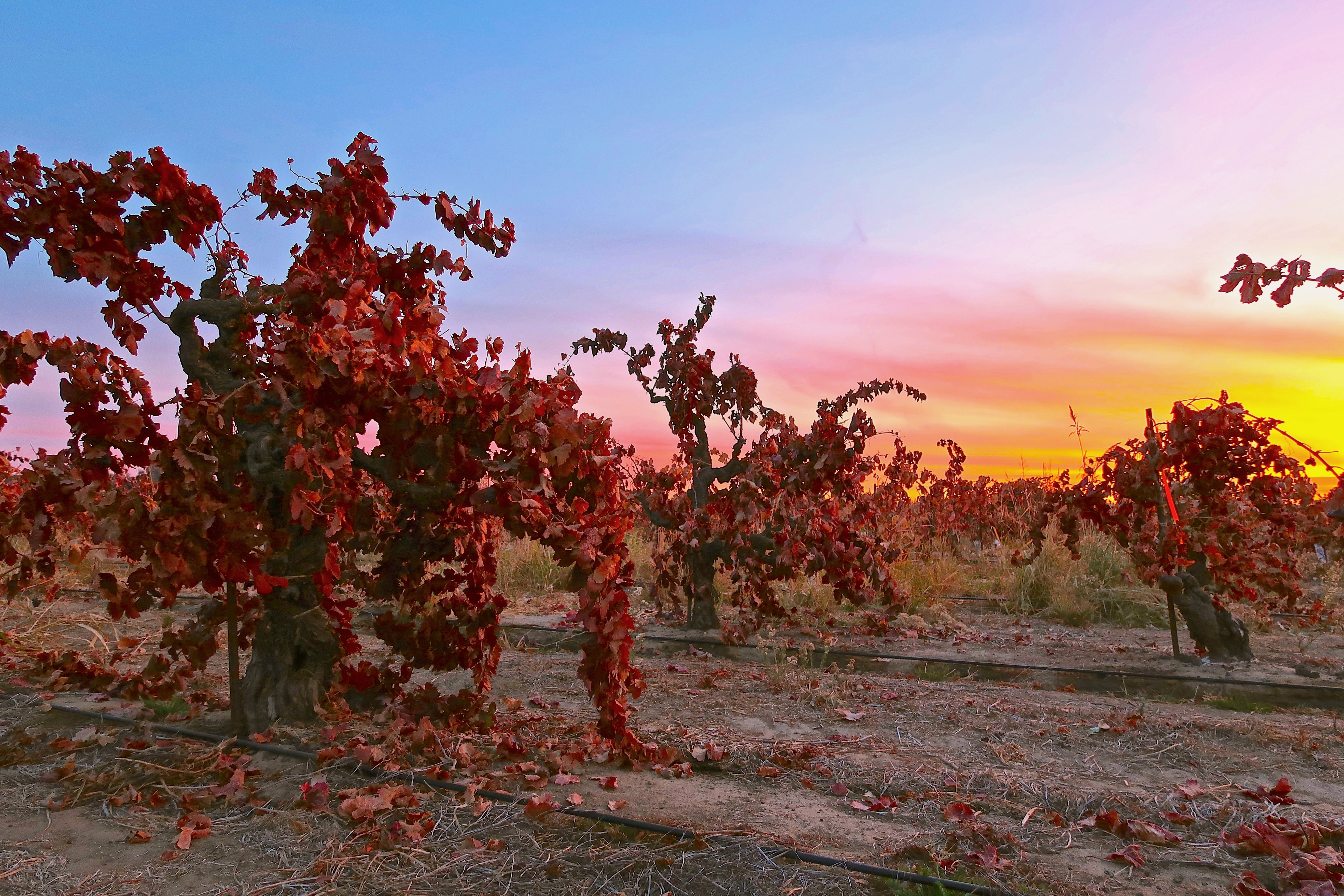
What are the Ampelographic and Agronomic Characteristics of the Bovale Grape Variety?
Bovale is distinguished by ampelographic traits that influence cultivation and winemaking. Its environmental and cultivation needs vary slightly between variants, but it presents common characteristics that define its potential.
What are the Environmental and Cultivation Needs of Bovale?
The grape variety adapts to dry clayey or alluvial soils with summer water availability, but it also prefers cool, fertile, and deep soils. It adapts well to humid climates and extensive training systems with long pruning. Irrigation can increase production, but at the expense of quality. It shows high vigor and an upright growth habit.
What is Bovale's Sensitivity to Diseases and Adversities?
Bovale's sensitivity to diseases is variable. It is moderately susceptible to downy mildew, but shows good resistance to botrytis and acetic sour rot. Other sources indicate it is susceptible to downy mildew, powdery mildew, and phylloxera, while others still describe it as having low susceptibility to major fungal diseases. It appears to show good resistance to winter frosts.
What are the Characteristics of Bovale Bunches and Must?
The average bunch weight can vary. Sugar levels in the must generally range between 17.0% and 20.0%, potentially reaching 22.0% or 23%. Acidity varies between 6.2%o and 7.0-10.0%o, with specific values such as 9.5 g/l or 8.8%o. A pH value of 3.16 has been recorded.
What Kind of Wine Does Bovale Produce, and What is Its Export Potential?
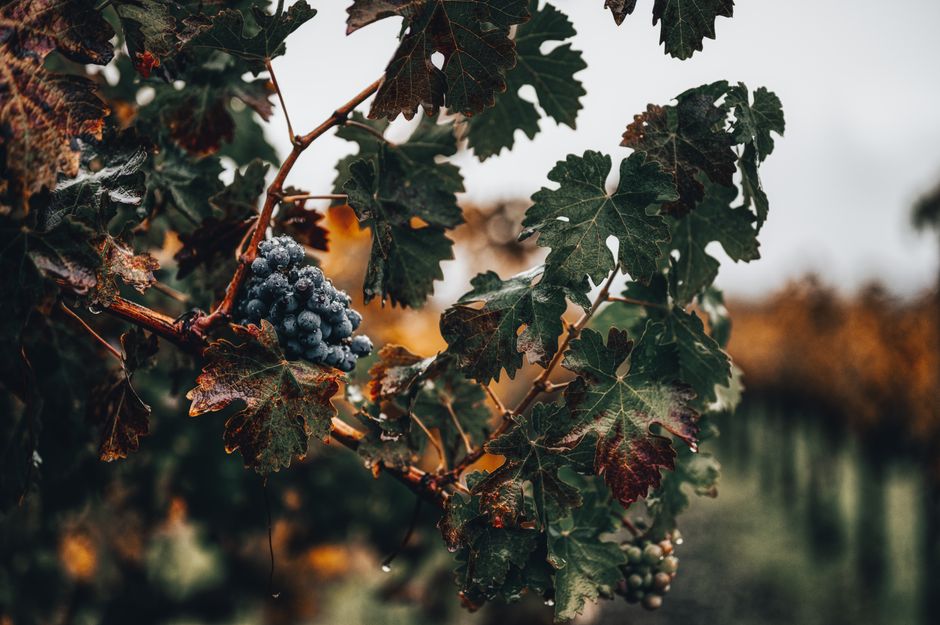
Wines obtained from Bovale are typically intense ruby red in color, with notes of blackberry and marasca cherry and an intense aroma of spices. On the palate, they are medium-bodied, full-bodied, harmonious, sometimes slightly acidic, or with low acidity. The tannic component can vary, making the wine quite tannic or soft.
How is Bovale Used, and What are Its Export Prospects?
Traditionally, Bovale is used on its own or in blends, contributing greater aromatic complexity thanks to its spicy notes. It can be vinified as a table wine, as a base for sparkling wines, or destined for dessert wines. Its export potential lies in its ability to produce wines with a strong territorial identity and a distinctive organoleptic profile.
Which Italian and Spanish Denominations Use Bovale?
Variants like Bovale Grande are used to produce Denominazione di Origine Controllata (DOC) wines such as Tintilia del Molise. Bovale Sardo is the basis for wines like Mandrolisai (DOC) and Campidano di Terralba (DOC). In Spain, the Boval variety is recommended in DO Utiel-Requena and authorized in DO Alacant.
Why is Bovale an Opportunity for Italian Wineries in Export?
The growing consumer attention towards indigenous and lesser-known grape varieties can be leveraged to position Bovale-based wines as unique expressions of the Italian terroir. Its history, synonyms, and regional variations provide valuable narrative material for marketing, allowing wineries to stand out by offering authentic wines with character.
Frequently Asked Questions
Is the Bovale Grape Variety Widespread in Many Italian Regions?
The Bovale grape variety has historical ties to Sardinia and potentially other areas, with variants like Bovale