Bonarda: An Italian Grape Variety with Great Enological and Commercial Potential
The Bonarda grape variety, with its deep roots in Italian territory and its diverse ampelographic expressions, represents an interesting opportunity for Italian wineries looking towards foreign markets. Although the name "Bonarda" can refer to different varieties, an analysis of its characteristics and enological potential reveals a rustic, fertile grape capable of producing wines with good structure, which can gain favor with international buyers. This article explores the peculiarities of the Bonarda grape, its origins, its ampelographic characteristics, and, above all, its export potential, offering valuable insights to Italian wine companies. In-depth look: MASAF — National Register of Vine Varieties.
What are the origins and different identities of the Bonarda grape?
The Bonarda grape presents a complex ampelographic history, with various varieties sharing the same name but having significant differences. Count Rovasenda mentioned two main varieties in Piedmont: one for table grapes (Balsamea) and the "true Bonarda" for winemaking, widespread in the hills of Turin, Monferrato, and Asti. Other varieties include Bonarda di Gattinara and Bonarda di Cavaglià, the latter often being a synonym for Balsamea. Studies have identified distinct varieties as true Bonarda, Bonarda di Gattinara, and Pruine, emphasizing the need for precision for export.
What are the ampelographic characteristics of Bonarda?
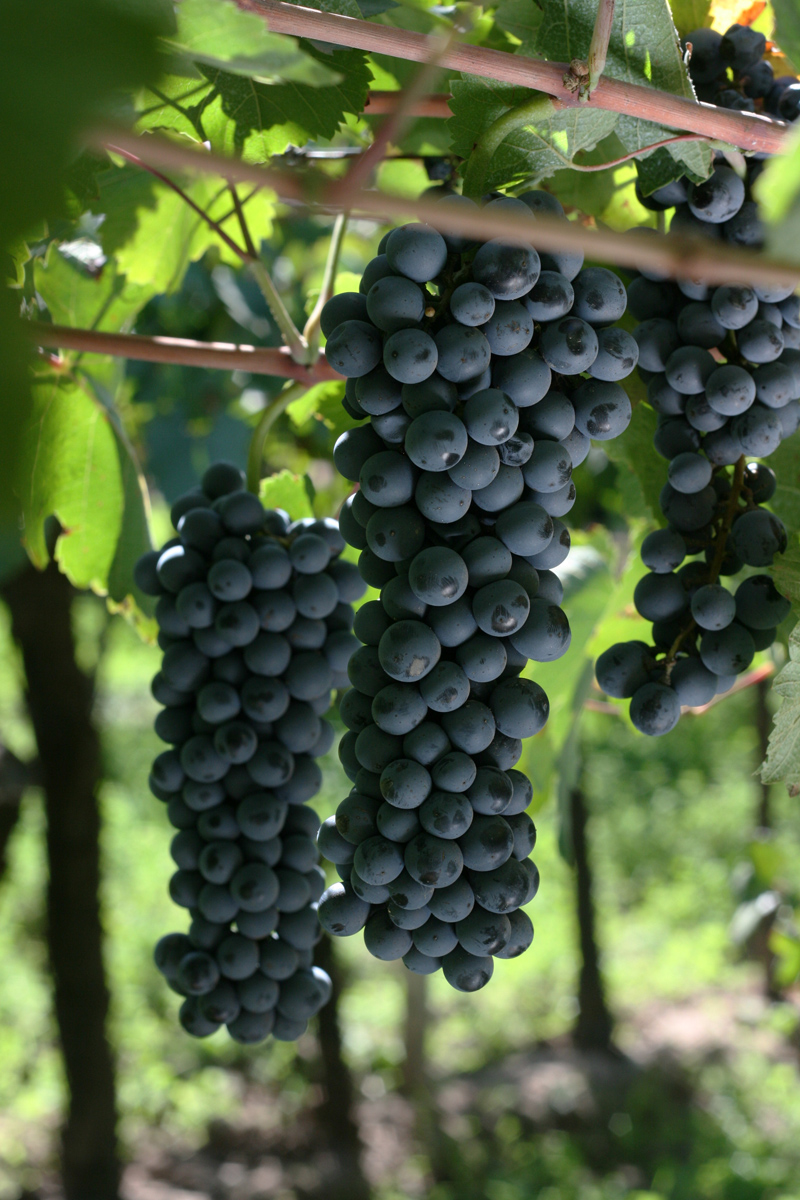
The Bonarda plant is generally vigorous and fertile. Adult leaves are medium or medium-large in size, orbicular, with five lobes and a moderately woolly or tomentose underside. The shoot is yellow-green. Bunches are conical or cylindrical-conical, winged, medium-large in size, with round or spherical berries, small to medium (12-16 mm). The skin is thin but resistant, opaque, very pruinose, with a blue-black or shiny black color. The pulp is dense, juicy, and rich in coloring matter. Ripening occurs in the intermediate or late season, with good resistance to winter cold.
What is the enological potential of Bonarda for international markets?
Bonarda, especially the winemaking variety, offers an abundant must, with intense color and good coloring matter. The resulting wine is generally colored, dry, full-bodied, and age-worthy, with a distinctive structure. "Pinerolese Bonarda" is ruby red, vinous, and soft, with a minimum alcohol content of 11.50% and a minimum dry extract of 19.00 g/l. Often used in blends with Barbera, Fresia, and Grignolino, on its own it can produce dry, full-bodied wines that improve with age in the bottle. Directives indicate a minimum total acidity of 4.5 g/l and a minimum non-sugar extract of 24.00 g/l for the "Superiore" designation. Its export potential lies in its intense color, good structure, and fruity aromas, which are attractive to international consumers.
What are the export opportunities for wineries producing Bonarda?
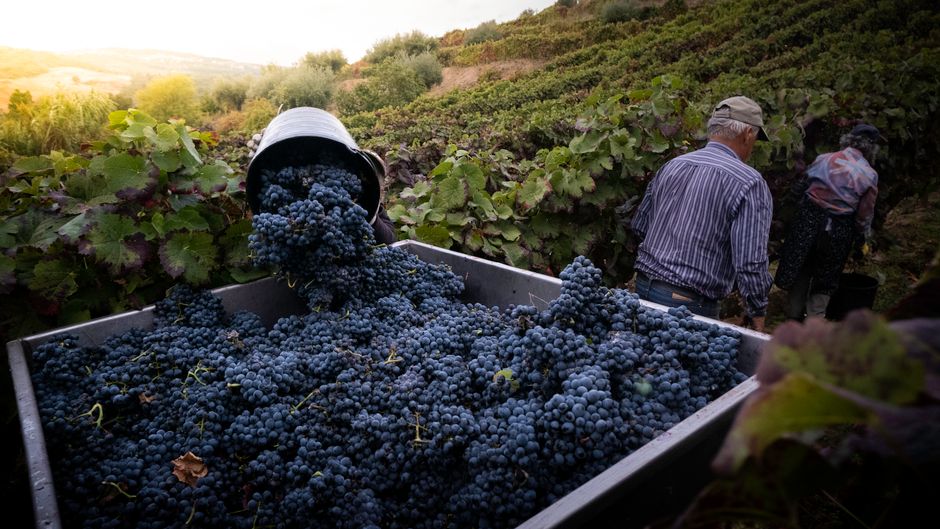
The Bonarda grape can enter the international market by offering a distinctive product. Wineries can diversify their offerings with a lesser-known indigenous grape of potential. It can attract consumers and importers interested in discovering less common grape varieties and Italian biodiversity. Its suitability for blending with varietals like Barbera and Nebbiolo opens the door to complex cuvées. It is crucial to focus on quality by limiting yields per hectare to produce wines that best express the potential of the grape and the terroir. The complexity of the name "Bonarda" can be transformed into a narrative strength for marketing.
Frequently Asked Questions
Does the name "Bonarda" refer to a single grape variety?
No, the name "Bonarda" can refer to several grape varieties with distinct ampelographic characteristics and enological potential, making clear identification important for export.
What are the main characteristics of Bonarda wines?
Bonarda wines are generally described as colored, dry, full-bodied, and age-worthy, with good structure and fruity aromas, capable of improving in the bottle.
Is Bonarda suitable for blending with other grape varieties?
Yes, Bonarda is often used in blends with Piedmontese varietals such as Barbera and Nebbiolo to impart color and structure to wines.
The Bonarda grape variety possesses intrinsic qualities that make it a promising candidate for export. Its rusticity, fertility, and ability to produce colorful and structured wines are factors that can gain favor in international markets. For Italian wineries, highlighting the diverse expressions of Bonarda and telling its story can unlock significant global business opportunities.