Barbera: Discover the Potential of the Italian Grape Variety for the International Market
The Barbera grape variety, originating from Piedmont, is a cornerstone of Italian viticulture, appreciated for its versatility, intense color, and pronounced acidity. With ever-growing export potential, it attracts international markets seeking authentic, high-quality wines. This article explores its distinctive characteristics, enological potential, and strategies to maximize its global presence, offering a concrete opportunity for Italian wineries looking to expand their offerings abroad. In-depth look: Consorzio Barbera d'Asti e Vini del Monferrato.
What are the distinctive characteristics of the Barbera grape variety?
Barbera is an Italian red grape, historically the third most cultivated in the country. It is distinguished by its intense and vibrant color, low tannin levels, and high acidity. Young wines offer aromas of blackberry and cherry, while more mature versions can develop notes of vanilla and evolved scents, also thanks to wood aging.
Centuries-old Barbera vines contribute to the production of robust, fruity red wines with significant aging potential, key elements for conquering demanding markets.
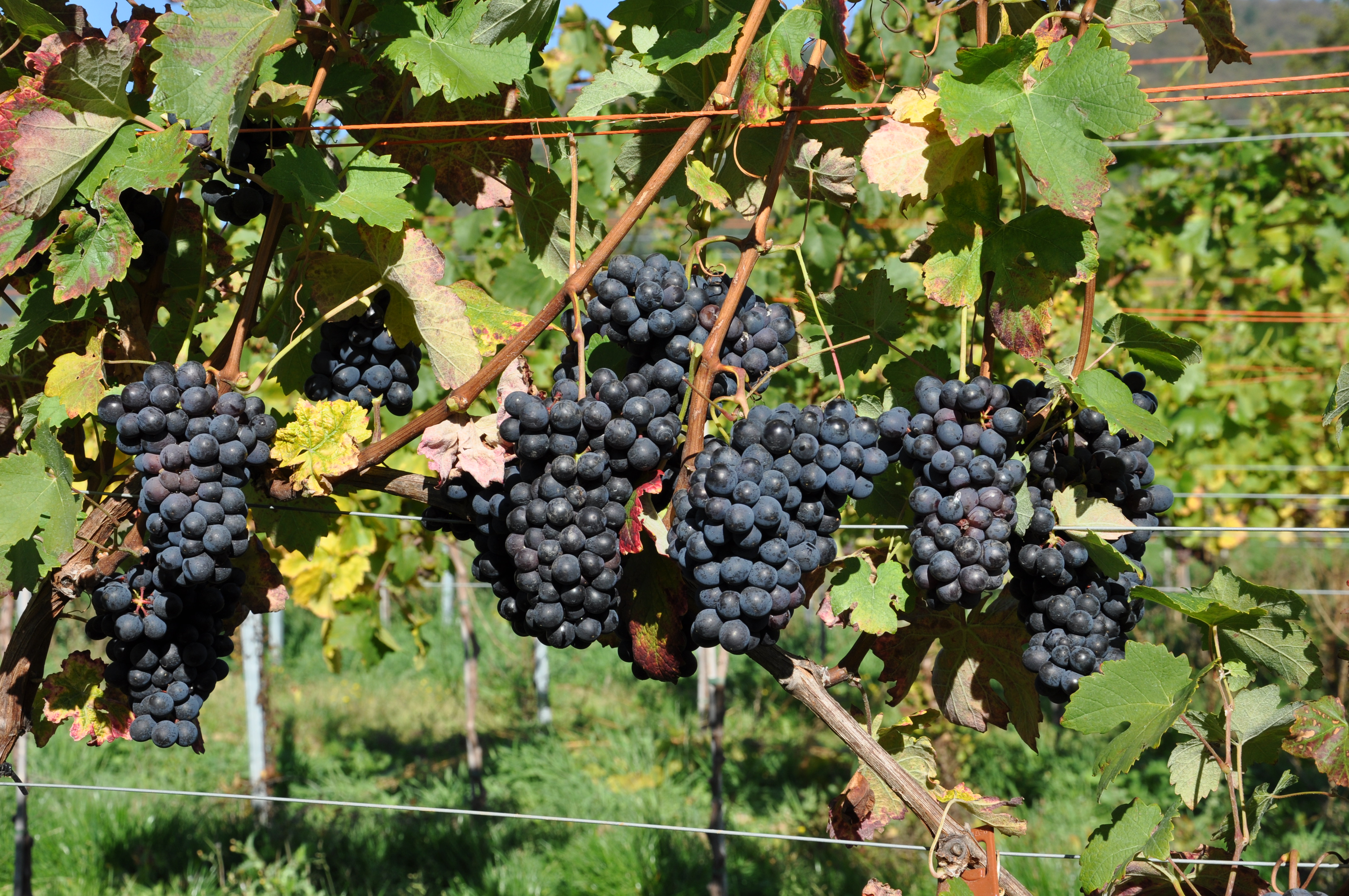
How does Barbera present itself in the glass, and what are its enological interpretations?
Barbera's versatility allows for very diverse interpretations. Young wines, predominantly vinified in steel, enhance fruity tones and acidity, ideal for daily consumption. More structured versions, aged in oak barrels, gain greater complexity, aging potential, and aromatic notes of vanilla, making them more suitable for cellaring and markets seeking more substantial wines.
These different expressions make Barbera a wine adaptable to multiple palates and consumption occasions, a crucial factor for export.
What is Barbera's export potential, and which markets are most promising?
The international wine market is increasingly seeking authenticity and variety, and Barbera perfectly meets this need. Growing wine knowledge and expanding purchasing power in overseas markets stimulate the exploration of new opportunities. Barbera offers a distinctive alternative to international grape varieties, with a strong territorial identity.
Key markets include the United States, Canada, Northern European countries (Sweden, Norway, Finland), and emerging markets with a growing interest in quality wines. Its ability to pair with diverse cuisines makes it globally attractive.
What export strategies are effective for Barbera?
To maximize export potential, producers should highlight territorial specificities, such as the Barbera d'Asti DOCG and Barbera d'Alba DOC appellations, and communicate the unique characteristics of the grape variety. Wood aging, when well-managed, increases complexity and suitability for aging, an appeal for market segments willing to invest in quality.
Participation in international trade fairs, creation of targeted promotional material, and collaboration with specialized importers are fundamental steps to build a solid presence in foreign markets.
Why are the Barbera d'Asti and Barbera d'Alba appellations important for export?
The Barbera d'Asti and Barbera d'Alba appellations are among the most representative of the grape variety and offer an excellent foundation for international promotion. Barbera d'Asti, in particular, with its DOCG recognition and extensive territory, including the Nizza sub-zone renowned for high quality, is already recognized for its typicity.
Communication should emphasize the history, terroir, and diverse expressions these wines can offer, reinforcing their attractiveness in global markets.
Frequently Asked Questions
What are the main differences between Barbera d'Asti and Barbera d'Alba?
The Barbera d'Asti and Barbera d'Alba appellations represent the most well-known expressions of the grape variety. Barbera d'Asti, in particular, covers a larger territory and includes the Nizza sub-zone, renowned for its very high-quality wines. Both appellations are recognized for their typicity and quality.
Is Barbera a wine suitable for aging?
Yes, Barbera, especially that produced from old vines or with wood aging, has good aging potential. Its pronounced acidity contributes to the longevity of the wines, allowing them to develop complexity over time.
What are the most receptive international markets for Barbera?
The most receptive international markets for Barbera include the United States, Canada, and Northern European countries. These markets show a growing interest in authentic, quality wines, appreciating Barbera's territorial identity and distinctive taste profile.
The Barbera grape variety has all the credentials to further establish itself in international markets. Its combination of intense color, vibrant acidity, enological versatility, and deep connection to the Piedmontese territory makes it an ideal ambassador for Italian wine worldwide. Investing in the promotion and communication of its peculiarities, focusing on quality and authenticity, will open new and significant export opportunities for Italian wineries.