Gewürztraminer: Cultivation and International Market for Italian Wineries
Gewürztraminer offers Italian wineries a concrete opportunity to stand out in international markets thanks to its intense aromatic profile and well-defined origins. Understanding its agronomic, sensory, and territorial specificities is crucial to fully leverage its export potential. This grape variety, with its ability to evoke exotic and spicy sensations, perfectly meets the growing demand for unique and memorable wines from foreign buyers. Further reading: MASAF — National Register of Vine Varieties.
What is the Origin of the Gewürztraminer Grape Variety?
The name "Gewürztraminer" derives from the German word "Gewürz" (spice) and "Traminer," linked to Tramin (Termeno) in Alto Adige, considered its cradle of origin. Although there are hypotheses of derivation from the French Savagnin grape variety, its identity is strongly associated with Alto Adige. There are two main varieties: Traminer and aromatic Traminer, the latter better known as Gewürztraminer.
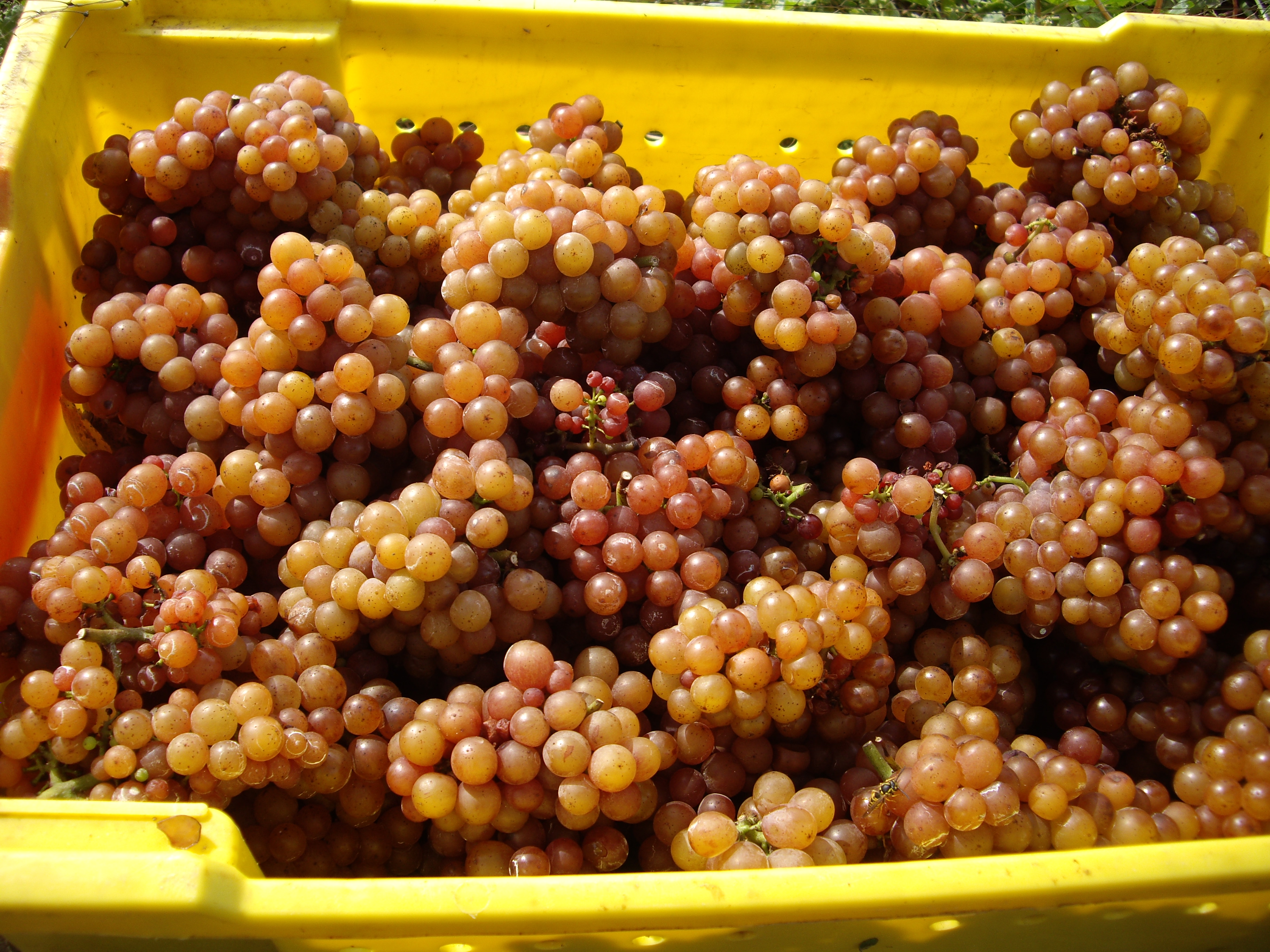
Gewürztraminer is an intrinsically aromatic grape variety. Its grapes are genetically rich in aromatic molecules, particularly terpenes present on the skins. These compounds impart distinctive aromas even before fermentation, making the wine immediately recognizable in the glass.
What are the Agronomic Characteristics of Gewürztraminer?
This grape variety prefers climates with significant diurnal temperature variation, ideal for developing aromatic complexity and aging potential. Optimal results are obtained from old vineyards located at high altitudes.
From an agronomic perspective, the vine's growth habit is semi-erect or slightly upright, with variable vigor from high to medium. The yield per vine ranges between 1.5 and 3.5 kg, with bunches weighing on average between 140 and 300 grams. Bud fertility is usually between 1 and 2.
Gewürztraminer adapts to deep and fertile soils, as well as clayey or sandy terrains, provided they are well-exposed and sunny. It is often trained using the cordon or pergola system, with long and generous prunings.
In terms of disease susceptibility, it is prone to powdery mildew, while it is moderately resistant to grey mold. It can be sensitive to drought and, in very compact bunches, to botrytis.
Phenological stages such as budburst, flowering, veraison, and ripening are generally late. Ripening occurs between late September and mid-October, with a sugar content between 20° and 23° Brix and a titratable acidity between 3.5 and 4.0 g/l.
What are the Aromatic and Gustatory Notes of Gewürztraminer Wine?
Gewürztraminer is renowned for its intense and complex olfactory bouquet. In full maturity, it develops aromas of ripe fruit such as fig and jam, and a range of spices, including cinnamon, cloves, and ginger. Floral notes are also present, particularly of dried rose.
On the palate, Gewürztraminers can express an exuberant character, with notes of candied citrus and rosehip found in the mouth, supported by fullness and a sapidity that imparts harmony and length.
The mention "vendanges tardives" (late harvest), especially in contexts like Alsace, indicates wines with particularly exotic aromas of candied fruit, a fresh finish, notable concentration, and great aromatic persistence, often with an intense color tending towards amber. Similarly, wines with the "sélection de grains nobles" mention are even more concentrated and powerful, with aromas of fruit paste and intense amber color.
In New Zealand, Gewürztraminer is described as voluptuous, with a soft texture and subtle acidity. It is extremely fragrant, with notes of rose petals, lychee, cinnamon, and ginger, accompanied by ripe stone fruit, sweet citrus, and quince. Although it can vary from dry to late-harvest sweet, it is typically produced in a dry or off-dry style.
What is the Export Potential of Gewürztraminer for Italian Wineries?
Gewürztraminer, with its distinct identity and unique aromatic profile, possesses significant export potential. Its cultivation in Italy is concentrated mainly in Alto Adige, with smaller presence in Trentino, Veneto, and Friuli-Venezia Giulia. This regional specificity can be a strong point for positioning in the international market.
Foreign buyers are always looking for wines that offer a unique sensory experience and tell a story. Gewürztraminer, with its well-defined origins and unmistakable aromatic character, perfectly meets this need.
Markets of Interest:
- European Countries: Markets like Germany, Austria, Switzerland, and the Scandinavian countries, where aromatic wines are appreciated, represent natural destinations. Alsace, while a historic production area, can be a competitive market but also a benchmark for quality.
- North America: The United States and Canada show a growing interest in aromatic grape varieties and wines with strong personalities. Gewürztraminer can attract consumers seeking alternatives to classic Chardonnay or Sauvignon Blanc.
- Asia: Markets such as Japan and South Korea, with a gastronomic culture that values complex and spicy flavors, could be particularly receptive.
- Oceania: New Zealand itself produces Gewürztraminer, but Italy can offer a different perspective and historical roots that appeal to the Australian and New Zealand markets.
Positioning Strategies:
- Emphasis on Italian Origin: Highlight the provenance from acclaimed Italian regions, such as Alto Adige, with its tradition and unique terroir.
- Communication of Aromatic Profile: Use vivid and captivating descriptions to convey the notes of rose, lychee, ginger, and spices, making the wine instantly desirable.
- Food Pairings: Emphasize Gewürztraminer's versatility in pairings, suggesting spicy Asian dishes, blue cheeses, or traditional Alto Adige cuisine.
- Variety of Styles: Offer different interpretations of the grape, from dry and mineral to off-dry with notes of candied fruit, to cater to a wide range of preferences.
- Focus on "Vendanges Tardives" or "Sélection de Grains Nobles": If the winery produces these styles, they can represent premium wines with high profit potential and strong appeal for niche markets.
Wines Export and the Territory: Italian wineries that cultivate or vinify Gewürztraminer, especially in Alto Adige, may already have a customer base interested in this grape variety. Wines Export has a network of importers interested in Italian aromatic wines, an effective channel to introduce Italian Gewürztraminer to new markets, leveraging its uniqueness and ability to stand out from the competition.
In conclusion, Gewürztraminer is not just a wine with a distinctive character, but a true promise for export. Italian wineries that know how to highlight its origins, aromatic peculiarities, and pairing potential will have a powerful tool at their disposal to expand their presence in international markets.
Frequently Asked Questions
How does Gewürztraminer differ from other aromatic grape varieties?
Gewürztraminer stands out for its particularly intense and specific aromatic profile, characterized by notes of rose, lychee, and exotic spices, making it immediately recognizable compared to other aromatic grape varieties.
What are the most promising foreign markets for Italian Gewürztraminer?
The most promising foreign markets include European countries like Germany and Austria, North America (United States and Canada), and Asian markets such as Japan and South Korea, where aromatic wines with strong personalities are appreciated.
What are the characteristics that make Gewürztraminer ideal for export?
Its distinctive character, unique aromatic notes, well-defined origins, and versatility in food pairings make Gewürztraminer a wine with strong appeal for foreign buyers seeking unique products.