Grechetto: The Complete Guide to Enhancing and Promoting Italian Wine Abroad
Grechetto, an indigenous Italian grape variety, represents a growth opportunity for wineries aiming for export. Its ancient history and distinctive aromatic profile make it an ideal candidate for conquering new markets, offering an authentic and high-quality alternative. This article explores its origins, unique characteristics, and market potential, providing strategic insights for winemakers focused on internationalization. In-depth information: MASAF — National Register of Vine Varieties.
What are the Historical Origins of Grechetto?
The origins of Grechetto are linked to Magna Graecia, with a possible introduction to Italy through ancient Greek colonies. The name "Greco" or "Grechetto" has historically been applied to various grape varieties, making its genealogy complex. A dual origin is hypothesized: an ancient one, from Greece, and a medieval one, linked to the resistance of the grape clusters to drying. It's important to distinguish it from "Greco di Bianco."
What are the Ampelographic Characteristics of Grechetto?
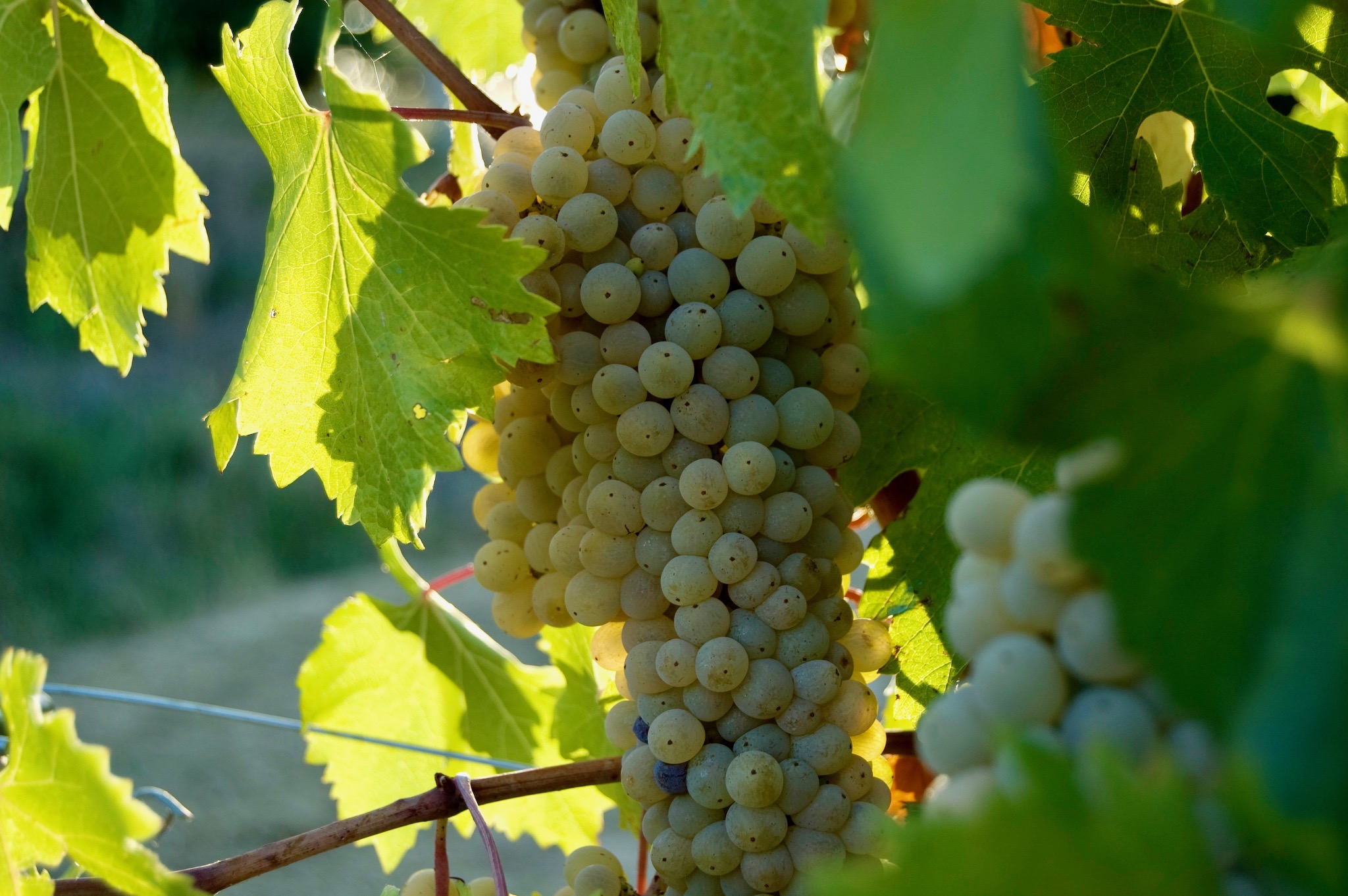
Grechetto is distinguished by a medium-expanded, almost glabrous bud of a light yellow-green color. The adult leaf is large, pentagonal, with more developed upper lobes and deep sinuses. The toothing is irregular, with red-violet veins on the lower surface, which is tomentose. The cluster is medium-large, compact or medium, conical or elongated, sometimes winged.
What are the Characteristics of Wine Produced from Grechetto?
Wines made purely from Grechetto exhibit a straw-yellow color, which can develop a "yellow nail" hue with aging. On the palate, they are alcoholic, fresh, full-bodied, and vinosic, with a potential slight presence of tannins that favors aging. Total acidity ranges between 5.0 and 10.0 g/l, with a pH between 3.2 and 3.4, ensuring balance.
How is Grechetto Used in Oenology?
Grechetto is a versatile grape variety. It can be vinified in purity to highlight its intrinsic characteristics, producing structured and long-lived wines. It is also used in blends with other white grape varieties (such as Greco bianco, Mantonico bianco) or red grape varieties (such as Magliocco canino, Greco nero) to create complex wines suitable for aging.
In Which Italian Denominations of Origin Controlled (D.O.C.) is Grechetto Found?
Grechetto is present in several Italian D.O.C.s, including "Bivongi," "Cirò," "Donnici," "Lamezia," "Melissa," "Pollino," "Savuto," "S. Anna di Isola Capo Rizzuto," "Scavigna," and "Verbicaro." Its inclusion in these denominations underscores its historical roots and importance in the regional wine landscape.
What is the Export Potential of Grechetto for Italian Wineries?
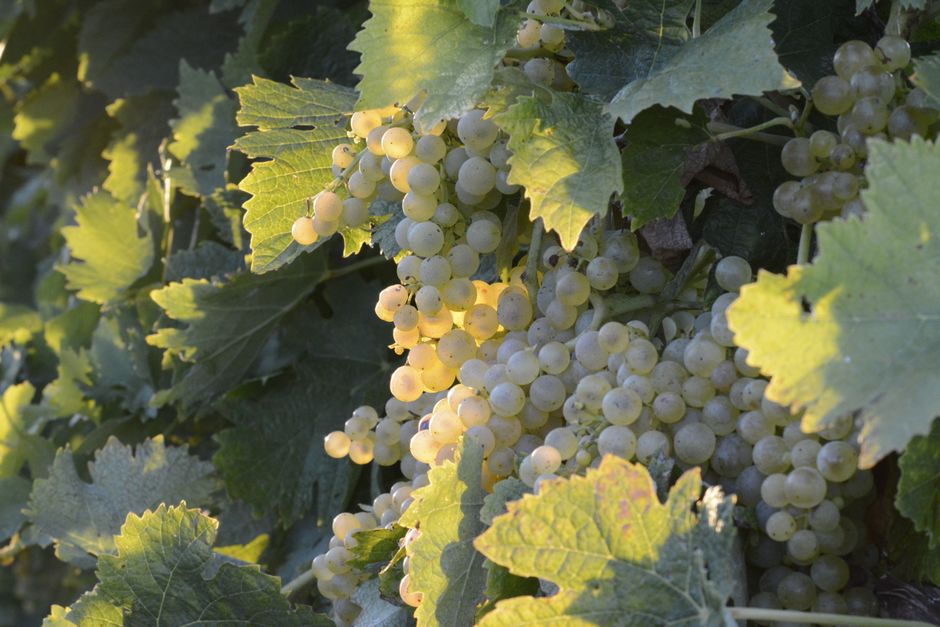
Grechetto offers strong export potential due to its authenticity and connection to Italian territory, elements highly valued by foreign consumers. Its oenological versatility allows it to satisfy diverse taste preferences, while its uniqueness positions it as a high-quality niche opportunity. Its pairing with Mediterranean cuisine and more structured dishes broadens its potential for success.
Which Markets and Strategies are Most Suitable for Exporting Grechetto?
Established markets like Germany, the United States, and Canada are natural targets for Grechetto. Emerging markets in Asia and Australia show a growing interest in Italian wines. Effective strategies include communicating the grape variety's unique history and characteristics, targeted tastings, and participation in industry fairs to present it as an authentic expression of Italy's wine heritage.
Frequently Asked Questions
Is Grechetto a grape variety suitable for aging?
Yes, Grechetto-based wines, thanks to their structure and potential presence of tannins, can improve with age.
What are the main destination markets for Grechetto?
Established markets like Germany, the United States, and Canada are considered natural targets, with growing interest also in emerging markets.
Can Grechetto be blended with other grape varieties?
Absolutely yes, Grechetto is versatile and can be blended with white or black grapes to create more complex wines suitable for aging.
Grechetto is an indigenous grape variety with significant growth potential in international markets. Its unique characteristics and history make it an excellent choice for wineries looking to diversify their offerings and attract new consumers.