Gamba di Pernice: The Prized Italian Grape Variety for the Global Market
The Gamba di Pernice grape variety, with its historical origins and ampelographic peculiarities, represents an interesting opportunity for Italian wineries targeting export markets. A thorough understanding of its agronomic characteristics and oenological potential is crucial for effective positioning in international markets. This article analyzes the key aspects of Gamba di Pernice, offering strategic insights for winemaking companies wishing to leverage this indigenous grape and diversify their export offerings. Deep Dive: MASAF — National Register of Vine Varieties.
What are the origins of the Gamba di Pernice grape variety?
Gamba di Pernice has historical roots connecting it to Crimea and southern Ukraine. In Italy, it has been identified as a synonym for the French "pied de perdrix" and sometimes called "gamba rossa" (red leg). Its cultivation in Italy is found in areas such as the districts of Casale, Acqui, and Alessandria, albeit in smaller proportions compared to other grape varieties.
Deep Dive into Origins and Identification
Despite being considered a valuable grape variety by some, Gamba di Pernice is often superseded by others that are more fertile or more economically viable to cultivate. It is important to distinguish it from grape varieties with similar names, such as scruz or scruss, with which it is sometimes confused but which possess distinct characteristics.
What are the characteristics of Gamba di Pernice shoots and buds?
The shoots of Gamba di Pernice are light or dark cinnamon in color, vigorous and robust, with short to medium internodes. The tendrils are numerous and partly woody, while the new shoots are slightly downy, with colors ranging from pale reddish to greyish-green or whitish.
Details on Shoots and Budding
The bud is prominent and conical. The budding period is described as intermediate or very late depending on the source, indicating some variability in its early climatic needs.
What are the characteristics of Gamba di Pernice flowering and leaves?
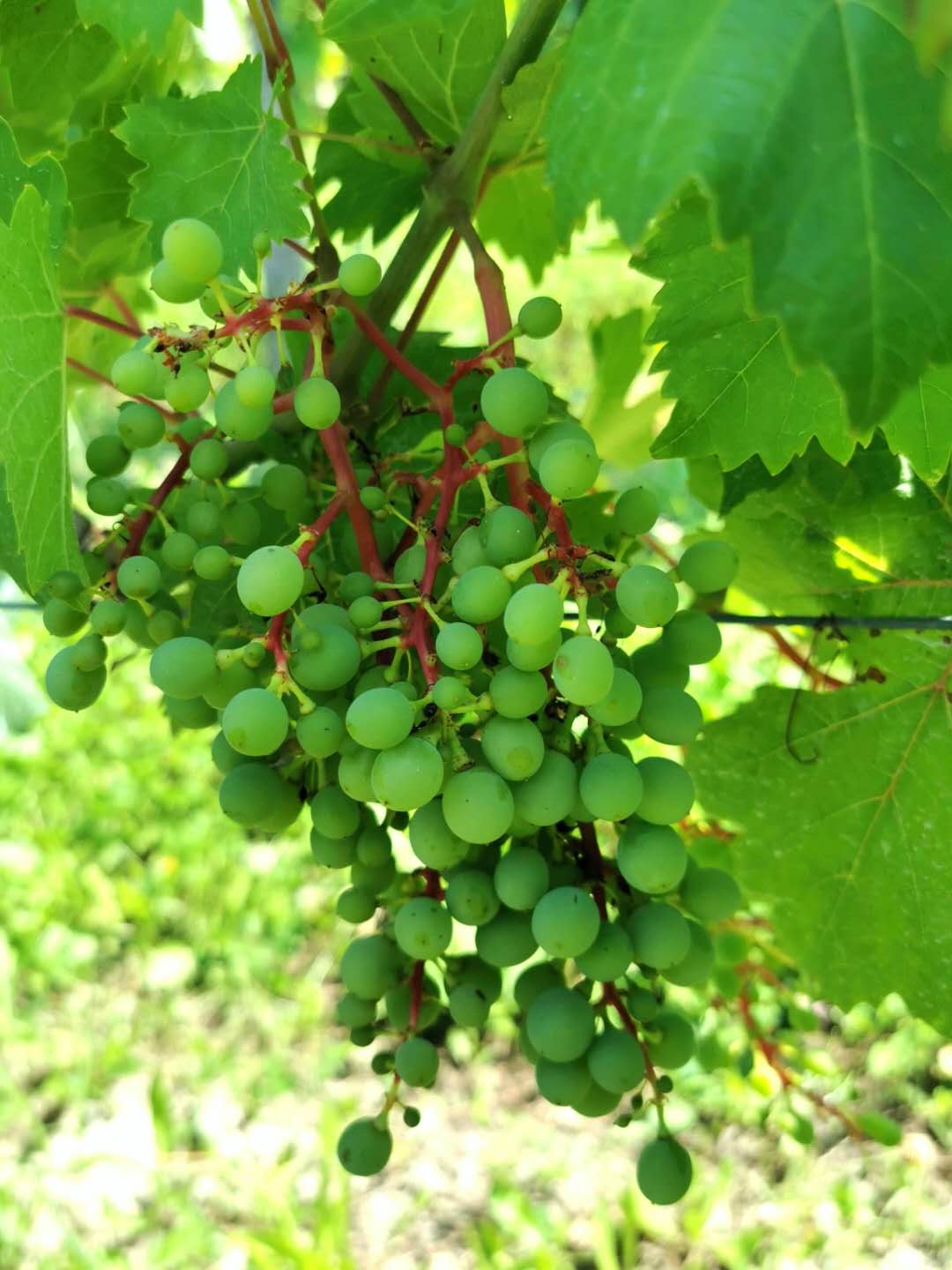
The flowering of Gamba di Pernice is considered early or intermediate. The flower is described as fragrant and resistant to spring fogs, rains, and winds, although other sources indicate a more delicate nature. The leaves are medium to small in size, pentagonal, with a smooth and shiny upper surface, sometimes mottled with vermilion.
Analysis of Flowering and Leaves
The lower surface of the leaves can be slightly downy, and the color varies from shiny dark green to green with yellowish spots. The petiole is of medium length, sometimes tinged red.
What are the characteristics of the Gamba di Pernice bunch and berry?
The bunch of Gamba di Pernice is medium to large, conical or pyramidal in shape, elongated and sometimes voluminous. The berries are dense, round, with a variable diameter (14-18 mm). The skin is thin, rough, transparent, waxy, greyish with a deep blue undertone, or pale green with a red tint.
Description of the Fruit and Ripening
The pulp is fleshy and not very juicy. Other descriptions indicate medium-sized, oval berries, greenish-yellow or pale green in hue, with crunchy pulp and thick, resistant skin. Fruit ripening can be early or late.
What are the agronomic requirements of Gamba di Pernice?
Gamba di Pernice adapts to various soil types, preferring cool, fertile, and deep soils, but it also thrives in light, mixed clay, or tuffaceous soils. It favors sunny exposures, preferably facing south.
Details on Soil, Exposure, and Pruning
The vegetation's habit is tending towards prostrate or erect, with high vigor. The vine benefits from long pruning and expansive training systems, such as high trunk, Cordon Royat or bilateral cordon, or pergola, with mixed pruning or pruning to 2-3 buds. Irrigation can increase yield at the expense of quality.
What are the susceptibilities of Gamba di Pernice to diseases and adverse conditions?
The grape variety shows variable sensitivity to diseases, being susceptible to downy mildew, powdery mildew, and phylloxera. Other sources indicate it is not very prone to diseases but is sensitive to grey mold and sometimes to coulure. It tolerates winter frosts well.
Information on Diseases and Adverse Conditions
The flower, however, can suffer from spring fogs, rains, and winds, requiring attention during the flowering stage.
What kind of wine is obtained from Gamba di Pernice and what are the must data?
Wines obtained from Gamba di Pernice are described as medium-alcohol, full-bodied, harmonious, slightly acidic, with a fresh and neutral flavor. Other sources indicate wines with a slight characteristic aroma or perfume of the grape, or discreet table wines. The grapes can also be used as a base for sparkling wines.
Must Data and Usage
Must data indicates acidity ranging from 7.0-10.0%o to 5.0-6.0 g/l, and a sugar content between 17.0-20.0% or 20-25° Brix. In some regions, it yields a late-harvest table grape.
What is the export potential of the Gamba di Pernice grape variety?
Gamba di Pernice, while not among the most widespread internationally, possesses unique and authentic characteristics that can appeal to market niches seeking diversity. Its versatility and relative agronomic resilience are strengths for export.
Strengths and Challenges for Export
Low international awareness necessitates intensive marketing efforts to educate buyers and consumers. It is crucial to position it as a niche, high-quality product, linked to a specific territory, ensuring consistent quality and a well-defined organoleptic profile.
How does Wines Export support wineries with the Gamba di Pernice grape variety?
Italian wineries cultivating and vinifying Gamba di Pernice can find in Wines Export a partner for identifying buyers interested in indigenous niche wines and for creating commercial synergies in foreign markets.
Conclusion
The Gamba di Pernice grape variety offers significant potential for Italian wine exports, thanks to its history, unique characteristics, and agronomic adaptability. A targeted marketing strategy and a quality-focused positioning can transform it into an ambassador of unique territories and enological traditions, opening new opportunities for success in international markets.
To explore how Wines Export can support your winery in exporting wines from indigenous grape varieties like Gamba di Pernice, learn more about our service.
Frequently Asked Questions
Is the Gamba di Pernice grape variety suitable for all soil types?
Gamba di Pernice adapts to various soil types, preferring cool, fertile, and deep soils, but it also thrives in light, mixed clay, or tuffaceous soils.
What are the main destination markets for Italian indigenous grape variety wines?
The original text does not specify destination markets but indicates that the grape variety can appeal to market niches seeking authenticity and diversity.
What are the typical organoleptic characteristics of Gamba di Pernice wines?
The wines are described as medium-alcohol, full-bodied, harmonious, slightly acidic, with a fresh and neutral flavor, or with a slight characteristic aroma or perfume of the grape.