Friularo: Cultivation, Characteristics, and Market for Italian Wine
Friularo, an indigenous grape variety from the Veneto region, presents a unique opportunity for Italian wineries aiming for export. With deep historical roots in the Bagnoli area (Padova province), this grape, also known by synonyms like Rabosa nera, possesses distinctive characteristics that make it appealing to foreign markets. Exploring its potential means valuing Italian enological authenticity and tradition, responding to the growing demand for niche and terroir-driven wines. Wines Export is the ideal partner to guide wineries on this internationalization journey, leveraging our network of producers and global market knowledge. Learn more: MASAF — National Register of Vine Varieties.
What are the Historical Origins of Friularo?
The origins of Friularo are ancient, dating back to the 16th century in the Bagnoli area, province of Padova. Early records connect it to a wine called "sgarboso," described by the Paduan writer Ruzzante, indicating its established cultivation at that time. Its longevity has made it an ambassador of Venetian winemaking tradition.
Friularo is a local biotype of Raboso Piave, also known by synonyms such as Friulara, Cruajo, Rabosa Friulara, Raboso nostrano, and Rabosa nera. This variety of names reflects its historical diffusion and local dialectal nuances but does not alter its distinct identity.
What are Friularo's Environmental and Cultivation Needs?
Friularo adapts to various conditions but favors clay soils, both dry and alluvial, which ensure an adequate summer water reserve. The ideal climate is temperate, with good sun exposure to promote ripening.
Cultivation practices influence quality. Fruit set is good and fruiting is abundant. Irrigation can increase production but must be managed to preserve concentration. Expansive training systems and long pruning are often used to optimize the sun exposure of the clusters.
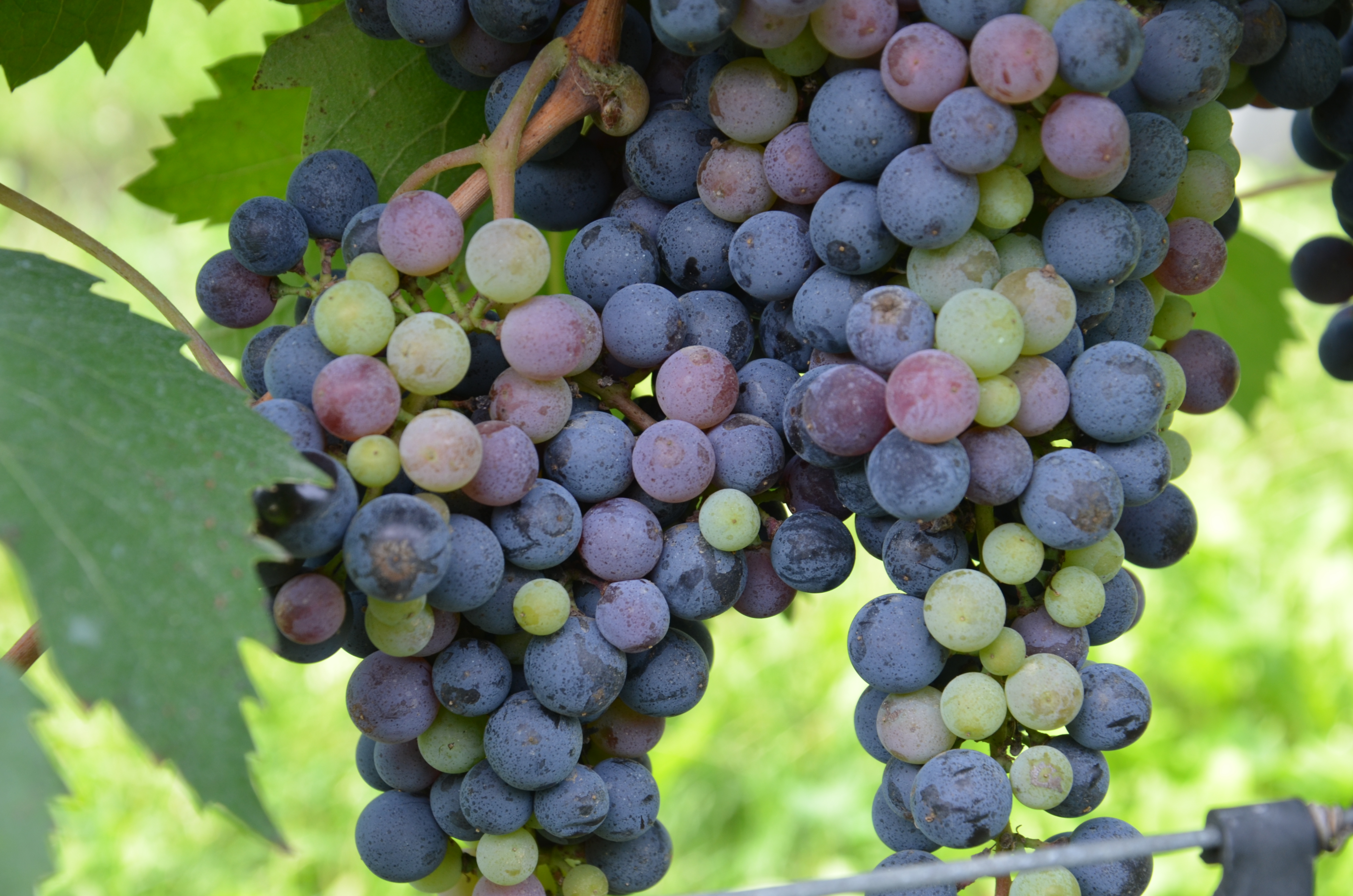
What is Friularo's Sensitivity to Diseases?
Friularo exhibits moderate sensitivity to downy mildew, a common fungal disease in conditions of high humidity.
On the other hand, the grape variety shows good resistance to botrytis (gray mold) and sour rot, issues that can affect clusters at the end of maturation. Careful phytosanitary management is essential for the health of the grapes.
What are the Characteristics of Friularo Must?
Analyses of Friularo musts (average 1998-2001) show interesting parameters for winemaking, with an average sugar content of 20.45° Brix.
Total acidity stands at 9.5 g/l, contributing freshness, while the average pH of 3.16 indicates an acidic environment favorable for wine preservation and longevity.
What are the Organoleptic Characteristics of Friularo Wines?
Friularo wines are distinguished by an intense ruby red color and a complex bouquet. On the nose, hints of blackberry and sour cherry emerge, accompanied by a pronounced spicy aroma, one of its most appreciated notes.
On the palate, the wine is medium-bodied and quite tannic. The tannic structure, if well-managed, provides good aging potential and a pleasant mouthfeel.
How Can Friularo Be Used, and What is Its Export Potential?
Friularo can be vinified as a single varietal or used in blends, especially with Refosco dal peduncolo rosso, to enhance its aromatic complexity and spicy notes.
European markets (Germany, Austria, Switzerland, Scandinavia), North America (USA, Canada), and emerging markets in Asia and Oceania (China, Japan, South Korea, Australia, New Zealand) are interested in the authenticity and niche stories that Friularo can offer.
What Do International Buyers Look for in Italian Wines?
International buyers seek authenticity, a connection to the territory, and consistent quality. Friularo meets these demands with its indigenous Venetian identity.
They appreciate versatile wines for gastronomic pairing and with aging potential. Friularo's characteristics, with its spicy notes and tannic structure, make it an ideal candidate to satisfy these requests.
How Does Wines Export Support Friularo Export?
Wines Export supports Italian wineries in exploring international markets. Our network of producers includes companies that cultivate and vinify Friularo, with growing coverage in the prime growing areas of Veneto.
We offer international buyers a selection of high-quality Friularo wines, backed by in-depth knowledge of the grape variety and its market potential, facilitating access to global markets.
Frequently Asked Questions
What are the most common synonyms for Friularo?
Friularo is also known by names such as Friulara, Cruajo, Rabosa Friulara, Raboso nostrano, and Rabosa nera.
What are the main characteristics of Friularo wine?
Friularo wines present an intense ruby red color, aromas of blackberry, sour cherry, and spices, and a medium-bodied, tannic taste.
Which foreign markets are most interested in Friularo?
European markets, North America, and emerging markets in Asia and Oceania show interest in authentic, terroir-driven wines like Friularo.
Friularo is an indigenous Italian grape variety with significant export potential, thanks to its authenticity, distinctive organoleptic characteristics, and history. Wineries wishing to enhance this excellence can find in Wines Export the strategic partner to conquer international markets, offering a unique, high-quality product.