Gaglioppo: From Vineyard to International Market
The Gaglioppo grape, with its millennia-old roots in Calabrian viticulture, represents an authentic Italian oenological gem. For wineries looking to international markets, this native varietal offers a unique opportunity to stand out by proposing a wine that blends history, authenticity, and a quality potential appreciated by foreign buyers. Exploring its distinctive characteristics and historical journey is the first step to unlocking its export value, responding to the growing global demand for typicality and enogastronomic excellence. Deep dive: MASAF — National Register of Vine Varieties.
What are the Historical Origins of the Gaglioppo Grape Variety?
The origins of Gaglioppo are ancient, with hypotheses suggesting Greek lineage, given the historical presence of Magna Graecia in Calabria. The first written evidence dates back to the 17th century, with Marafioti mentioning it in 1601. Its spread in Tyrrhenian Calabria developed in the 19th century, parallel to the growth of regional viticulture.
Deeper Insight into Origins and Diffusion
Historically, Gaglioppo has been cultivated primarily in the provinces of Cosenza and Catanzaro, with a concentration in the Cirò area, overlooking the Ionian Sea. Although in the past it was found almost exclusively in very old vineyards, in recent years there has been a renewed interest and replanting, especially in the Ionian areas. The grape belongs to the Magliocchi family, typical of Calabrian viticulture, but distinguishes itself through specific ampelographic traits.
Among the historical synonyms for Gaglioppo are Magliocca, Maglioccolo, Galloppo, Gaglioppa, Gaglioppa nera, Galloffa, Uva Navarra, Galloppolo, Gaglioppo di Cirò, Gaioppo, Gaglioppo nero, Magliocco tondo, Maghioccu nero, Lacrima nera, Lacrima di Cosenza, Mantonico nero, Aglianico di Cassano. It is important to note the presence of homonyms, including Aglianico, Gaglioppo, Magliocco tondo, Magliocco nero, Magliocco di Rogliano, Magliocco dolce, and Aglianico, Lacrima, Magliocco canino or ovale, which require attention to avoid confusion.
What are the Distinctive Ampelographic Characteristics of Gaglioppo?
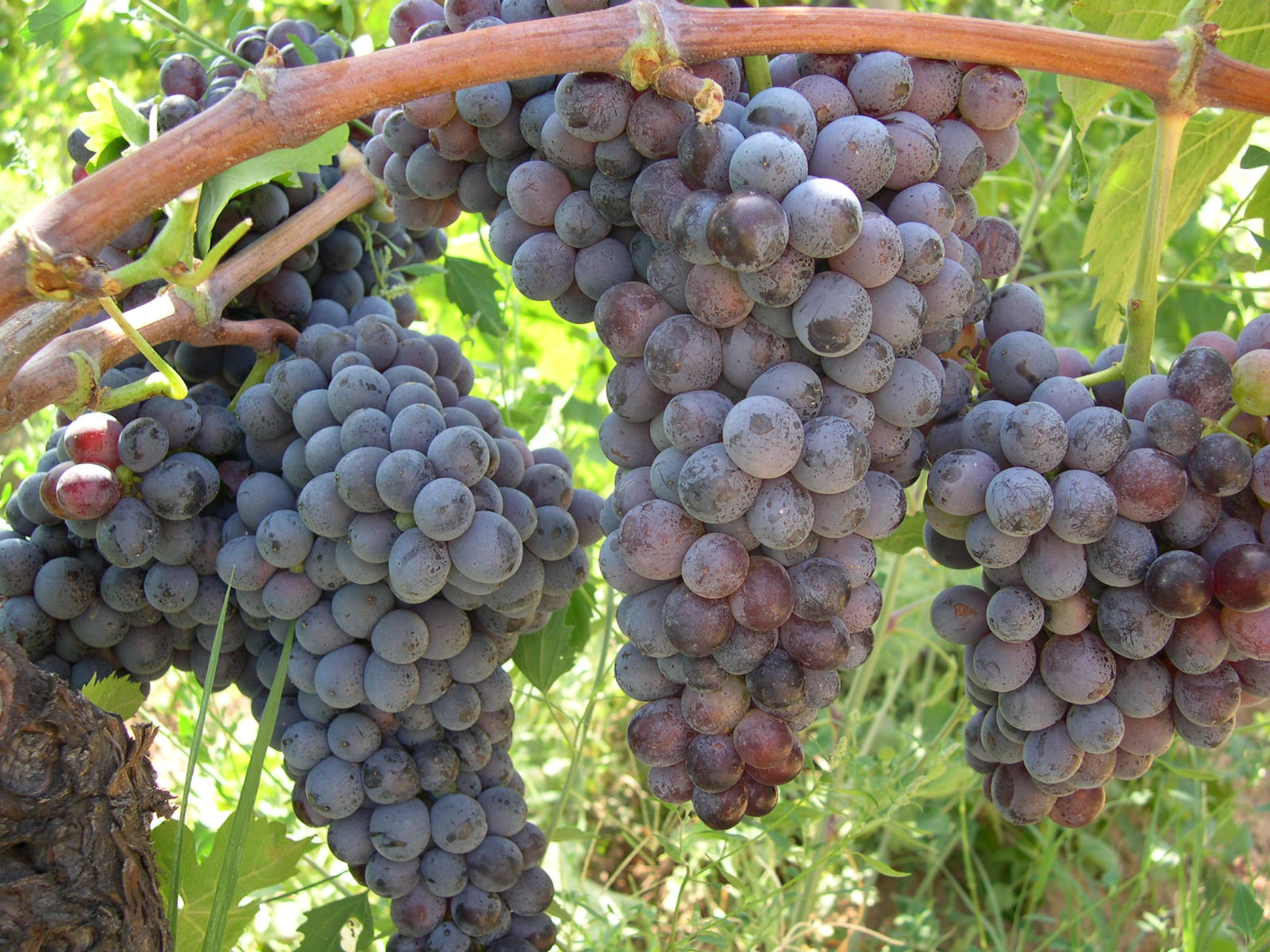
Gaglioppo exhibits distinct traits such as an expanded shoot tip, slightly arachnoid or glabrous, with a white-green color. The leaf is medium to large, orbicular, pentalobed, sometimes trilobed, with an upper surface that is wavy or blistered and a lower surface that is almost glabrous. The bunch is medium-sized, conical or pyramidal in shape, often winged, and from moderately compact to loose.
Details on Grape Variety Morphology
The berry is medium-sized, sometimes variable, elliptical-truncated-conical or spherical in shape. The skin is pruinose, medium to thick, firm, with a red-violet to blue-black color. In some descriptions, the skin is thin and easy to detach, while in others it is thick and resistant. Vigor is generally medium, with a growth habit ranging from upright to semi-upright or drooping.
What are the Environmental and Cultivation Requirements for Gaglioppo?
Gaglioppo adapts well to various soils, preferring well-exposed, hilly, and sunny locations. It shows good tolerance to climatic adversities and main diseases, but is sensitive to late frosts and can suffer from spring fogs, rains, and winds during flowering.
Cultivation Practices and Ideal Microclimate
Regarding cultivation practices, the grape variety prefers short or not overly rich pruning and adapts well to deep and fertile soils. Cultivation is often limited to the province of Crotone, but replanting is also being observed in the Ionian areas. The microclimate of the Cirò region, influenced by the Ionian Sea and the Sila highlands, with significant temperature fluctuations, seems to favor the grape.
What are the Enological Characteristics and Those of Gaglioppo Wine?
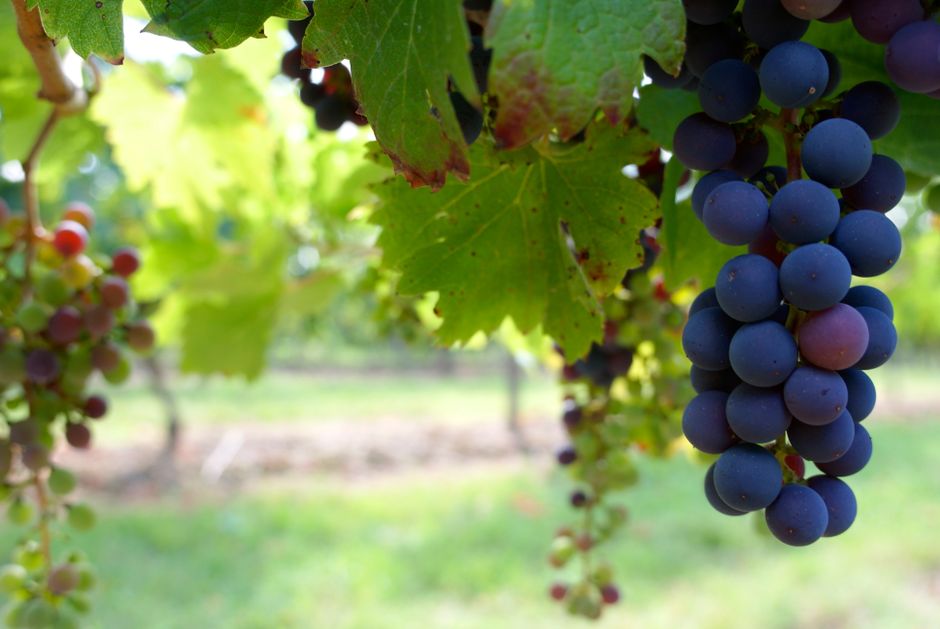
Gaglioppo is exclusively used for winemaking, usually in blends with other varieties. The must exhibits a sugar content between 21° and 23° Brix, with a titratable acidity of 5.5 - 6.5 g/l and a pH between 3.4 and 3.7. The resulting wine presents a ruby red color, often deep, with an intense aroma and nutty notes of toasted hazelnut. On the palate, it is full-bodied and may have a slight tannic note.
What is the Export Potential of Gaglioppo and Which Markets are Most Interesting?
Gaglioppo offers an interesting export opportunity thanks to its authenticity, native origin, and unique characteristics, attracting international markets seeking typicity. Its history and strong connection to Calabria are elements of fascination for foreign consumers.
Key Factors and Target Markets for Export
Key factors for export include the wine's authenticity, quality, and versatility, as well as its positioning in a market niche. Potential markets include the United States, Canada, Germany, the United Kingdom, Nordic countries, but also emerging markets like China and India, and countries with a strong gastronomic tradition such as Australia and Brazil. To fully leverage this potential, the narrative of the grape variety, participation in international fairs, and a targeted marketing strategy are crucial.
Frequently Asked Questions about Gaglioppo Export
What are the main synonyms of Gaglioppo that a foreign buyer should know?
The main historical synonyms for Gaglioppo include Magliocca, Maglioccolo, Galloppo, Gaglioppa, Gaglioppa nera, Galloffa, Uva Navarra, Galloppolo, Gaglioppo di Cirò, Gaioppo, Gaglioppo nero, Magliocco tondo, Maghioccu nero, Lacrima nera, Lacrima di Cosenza, Mantonico nero, and Aglianico di Cassano. It is important to distinguish these synonyms from homonymous grape varieties to avoid confusion.
What are the characteristics of Gaglioppo wine that make it attractive for export?
Gaglioppo wine stands out for its deep ruby red color, intense aroma with notes of toasted hazelnut, and a full-bodied palate, sometimes with a slight tannic hint. These characteristics, combined with its native origin and millennia-old history, make it an attractive niche product for foreign consumers seeking authenticity and quality.
What are the main challenges in exporting Gaglioppo-based wines?
Challenges in exporting Gaglioppo-based wines can include the need to educate international markets about a less-known grape variety compared to major international names, managing homonymies to avoid confusion, and the necessity of a strong narrative of the territory and the grape's history to create perceived value.
Gaglioppo embodies the richness of Italian wine heritage, offering wineries a concrete opportunity to distinguish themselves in export. Valuing and promoting this native grape variety means preserving a tradition and seizing the opportunities of a global market seeking authenticity and quality.