Nebbiolo delle Langhe: Enhancing and Promoting Italian Wine Abroad
Nebbiolo Langhe is a black grape varietal of great nobility and history, a cornerstone of prestigious red wines such as Barolo and Barbaresco, but with a potential that extends to the Langhe Nebbiolo designation and beyond. For Italian wineries aiming for international expansion, understanding its characteristics, historical evolution, and market positioning is crucial. This article explores how to enhance this varietal to conquer new foreign markets, highlighting the key factors that attract international buyers and the role of the terroir. Deep dive: MASAF — National Register of Vine Varieties.
Where does the name "Nebbiolo" come from and what are its territorial origins?
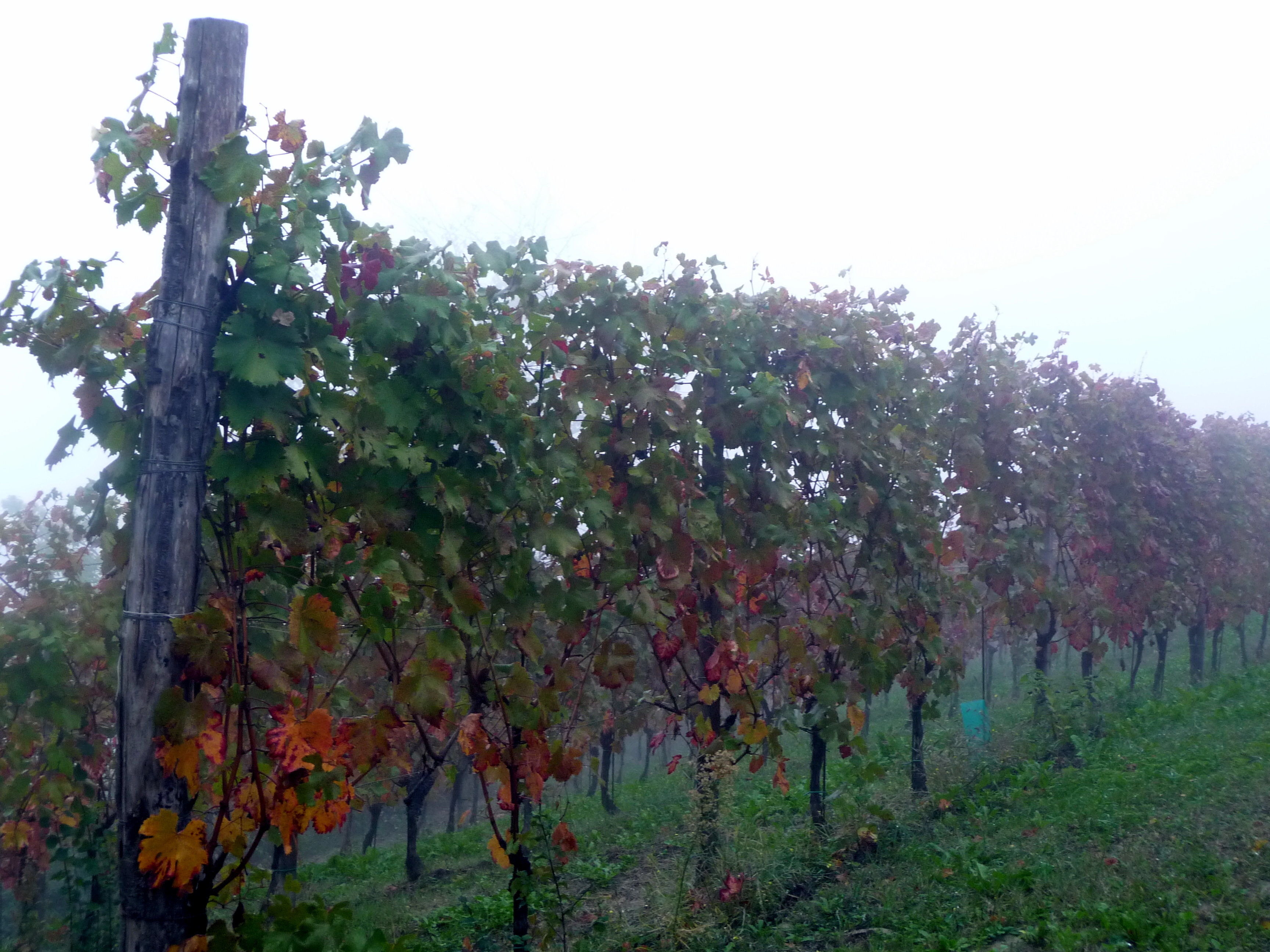
The name "Nebbiolo" is believed to derive from the word "nebbia" (fog), referring to the silvery bloom on ripe berries. This varietal is deeply linked to the Piedmontese territory, thriving in tuffaceous and calcareous soils, with a preference for sunny exposures. Its cultivation extends beyond the Langhe, but it requires specific conditions to express its full potential.
Nebbiolo is an ambassador of the Piedmontese terroir. It thrives in tuffaceous and calcareous soils, with a preference for sunny exposures. Its cultivation, though not limited to the Langhe, requires specific climatic and pedological conditions to fully express its potential.
What is the importance of the Langhe Nebbiolo designation for its enhancement?
The Langhe Nebbiolo designation, which includes areas like Barolo, Barbaresco, Alba, and Roero, is strategic for enhancing the varietal outside of the more renowned appellations. It offers producers flexibility and the opportunity to create high-quality wines that reflect the identity of the territory, distinctly setting them apart from other grape varietals like Pinot Noir.
This designation has been a strategic move to enhance Nebbiolo outside of the more prestigious appellations. It offers producers greater flexibility and an opportunity to create high-quality wines that reflect the territory's identity, distinguishing them clearly from other varietals.
What are the ampelographic and organoleptic characteristics of Nebbiolo?
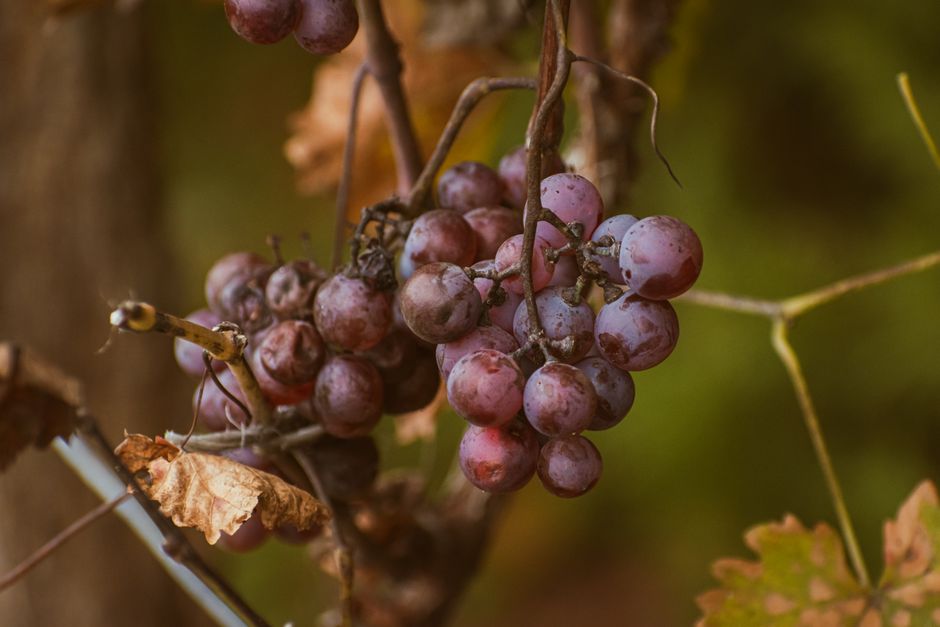
Nebbiolo is a vigorous yet delicate grape varietal, with shoots of a light cinnamon color. Its berries are medium-small, with a thick skin, rich in bloom, and of a black-violet color tending towards rosy. The pulp is dense and juicy, with a simple, tart, and savory flavor, and a special aroma. The resulting wine has a light ruby color, dry, fragrant, and spirited, with significant aging potential.
The berries are medium-small in size, with a thick skin, rich in bloom, and of a black-violet color tending towards rosy. The pulp is dense, juicy, and typically contains two or three seeds. The resulting wine is light ruby in color, dry, subtle, fragrant, and spirited, with significant aging potential.
How do different varieties of Nebbiolo differ?
There are various Nebbiolo varieties, including Nebbiolo Rosato, which is distinguished by its purplish berries tending towards rosy. Other mentioned varieties include Nebbiolo Pendino, known for finer fruit but also greater delicacy and susceptibility to adverse weather.
Nebbiolo Rosato is primarily distinguished by its fruit, with berries of a purplish hue tending towards rosy. Other varieties, such as Nebbiolo Pendino, are known for finer fruit but also for greater delicacy.
What is the role of the Langhe territory in the export of Nebbiolo?
Studies indicate that belonging to a territorial cluster like the Langhe district is the most significant factor connected to export activity. Companies located in this region are more likely to export and to export a larger share of their production, thanks to strong institutional support and the reputation for high-quality wines associated with the area.
Companies located in the Langhe are more likely to export and to export a larger share of their production. This is likely due to the strong institutional support and the reputation for high-quality wines associated with the area.
How does the production protocol influence the quality of Langhe Nebbiolo for export?
The production protocol, which mandates, for example, 24 months on the lees for sparkling Langhe Nebbiolo, discourages the production of commercial bubbles. This instead guides towards quality and significant investments, contributing to the creation of wines that can compete in international markets through careful winemaking practices.
The protocol discourages the production of "frivolous" and commercial bubbles, instead guiding towards quality and significant investments. This approach, combined with careful winemaking practices, contributes to creating wines that can compete in international markets.
What accolades demonstrate the high-quality potential of Nebbiolo Langhe?
A Langhe Nebbiolo from the Giovanni Rosso estate was awarded Three Glasses in the Gambero Rosso 2026 Guide to Italian Wines. This recognition demonstrates that this wine, when born from a great vineyard and a coherent vision, can articulate Nebbiolo with its own voice and at the highest level in international markets.
A Langhe Nebbiolo from the Giovanni Rosso estate was awarded Three Glasses in the Gambero Rosso 2026 Guide to Italian Wines. This demonstrates that this wine can articulate Nebbiolo with its own voice and at the highest level.
What do foreign buyers look for in Nebbiolo Langhe?
International buyers seek wines with history, authenticity, quality, and aging potential. Nebbiolo Langhe meets these needs thanks to its ancient origins, its connection to the Piedmontese territory, its reputation for high quality, its ability to evolve over time, and its authentic narrative of the terroir.
Buyers seek wines that offer a combination of history, authenticity, quality, and aging potential. Nebbiolo Langhe perfectly meets these needs thanks to its ancient origins and its inextricable link to the territory.
How does Wines Export support wineries in promoting Nebbiolo Langhe?
Wines Export includes producers who cultivate and vinify Nebbiolo in the Langhe within its pool of partner wineries. This allows offering a selection that benefits from the strong territorial connection and the region's reputation for excellence, facilitating international market access for export-oriented companies.
Our pool of partner wineries includes producers who cultivate and vinify the Nebbiolo varietal in the Langhe. This allows us to offer a selection of Langhe Nebbiolo that benefits from the strong territorial connection and the region's reputation for excellence.
Frequently Asked Questions
What are the most prestigious wines produced with the Nebbiolo grape varietal?
The most prestigious wines produced with the Nebbiolo grape varietal are Barolo and Barbaresco, but its potential also extends to the Langhe Nebbiolo designation and other territorial expressions.
Is Langhe Nebbiolo suitable for aging?
Yes, wine made from Nebbiolo is known for its significant aging potential, developing superb qualities over time.
What characteristics of Langhe Nebbiolo attract foreign buyers?
Foreign buyers are attracted by the history and tradition of Langhe Nebbiolo, its quality and prestige, its aging potential, and the authenticity of its terroir.
Nebbiolo Langhe represents an excellence of Italian wine heritage with considerable export potential. Its history, unique characteristics, and connection to a world-renowned territory make it ideal for conquering new markets. Wineries that invest in quality, respect tradition, and effectively communicate the value of their Nebbiolo Langhe will find fertile ground for international growth.