Export Nebbiolo: How Italian Wineries Conquer the World
Nebbiolo stands as one of Italy's most ancient and prestigious black grape varietals, originating from Piedmont. Wines produced from Nebbiolo grapes are universally recognized for their excellence, provided the grapes reach perfect maturity. Many of the finest Piedmontese wines owe their reputation to Nebbiolo, and when well-vinified, they rival the great wines of Bordeaux. This article explores the distinctive characteristics of the grape, its history, and its significant potential in the wine export market, offering an essential guide for Italian wineries looking to expand their international presence. In-depth look: MASAF — National Register of Grape Varieties.
Where Does Nebbiolo Come From and What is Its History?
Nebbiolo boasts a millennia-old history, making it one of the oldest cultivated vines in Piedmont and Northern Italy. The earliest ampelographic descriptions date back centuries, testifying to its established presence in the Italian wine landscape. Its origin is closely tied to the lands of Piedmont, where it found ideal conditions to thrive and produce wines of extraordinary complexity and longevity.
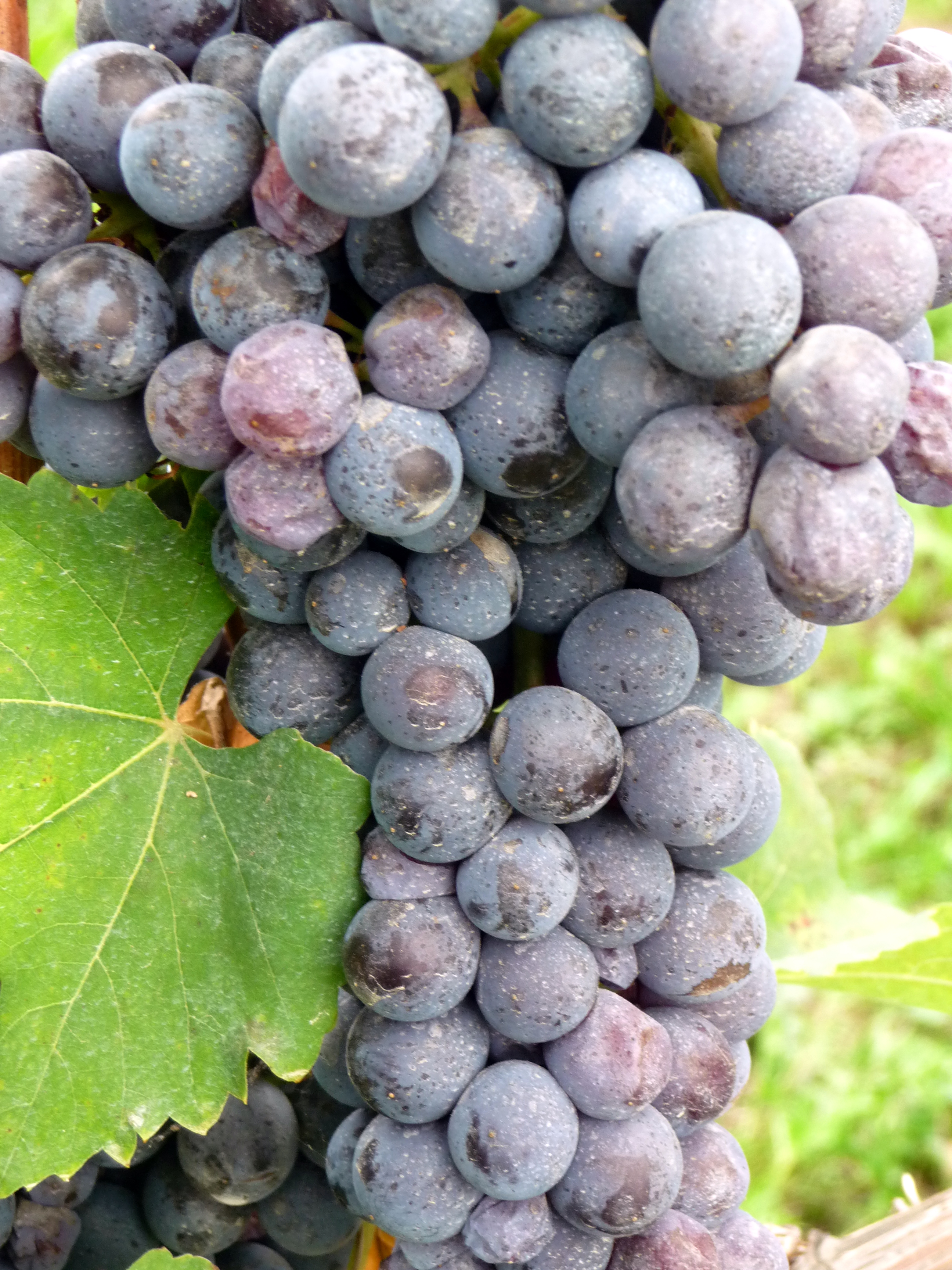
Some sources suggest the name "Nebbiolo" derives from pruina, a form of "mist" or "haze" that covers the berries at maturity, giving them a distinctive appearance. Other Nebbiolo varieties have been identified over time, such as "Nebbiolo rosato," which differs in fruit and cluster characteristics. Its cultivation extends far beyond the Langhe, encompassing various subalpine provinces, where it contributes to the production of some of Italy's most prized red wines.
What are the Ampelographic and Agronomic Characteristics of Nebbiolo?
Nebbiolo is a vigorous yet delicate variety, requiring specific cultivation attention, such as long cane training, as the first buds are generally infertile. The leaves exhibit a particular bluish hue and a rough surface, typical of many ancient Italian varieties.
The berries are dense, juicy, and typically contain two or three seeds. The grape has a simple, tart, and salty flavor with a special aroma. The cluster is cylindrical, with berries that are compact and slightly compressed. In the case of Nebbiolo rosato, the color is purplish tending towards pink.
The varietal prefers dry clay or alluvial soils, provided there is sufficient summer water availability. Fruit set is good, and fruiting is abundant. Nebbiolo is moderately susceptible to downy mildew but shows decent resistance to botrytis and acetic rot. It suffers from winter cold and is susceptible to fungal diseases.
What Type of Wine Does Nebbiolo Produce?
Wines obtained from Nebbiolo are renowned for their organoleptic finesse. They present an intense ruby-red color, with hues that can range from violet to garnet with aging. On the nose, complex aromas emerge, spanning floral notes (rose, violet) to hints of ripe red fruit (cherry, plum), spices (licorice, pepper), leather, and tobacco, which evolve with refinement.
On the palate, the wines are characterized by remarkable structure, elegant yet present tannins, and vibrant acidity that imbues freshness and longevity. The taste is harmonious, subtle, fragrant, and spirited. Aging develops exceptional qualities, making Nebbiolo a wine capable of enduring any journey and competing with great international wines. The production regulations for some Nebbiolo-based wines, such as Barolo and Barbaresco, mandate a minimum aging period.
What are the Main Designations for Nebbiolo?
In addition to the celebrated Barolo and Barbaresco, Nebbiolo also gives rise to Nebbiolo d'Alba. This wine, obtained from the same grapes but cultivated outside the delimited zones for the grand crus, possesses delicate aromatic qualities and a harmonious taste, though it doesn't reach the robustness and qualitative heights of its "older siblings." Other designations featuring Nebbiolo as the protagonist include Roero, Gattinara, Ghemme, Sizzano, Fara, Boca, Bramaterra, Lessona, and Carema.
What is the Export Potential of Nebbiolo for Italian Wineries?
Nebbiolo represents an excellence of "Made in Italy" in the world of wine, with considerable export potential. Its international reputation, linked to the production of wines of the highest quality and longevity, makes it a sought-after product by the most demanding foreign markets.
What are the Key Factors for Nebbiolo's Success in Foreign Markets?
- Quality and Prestige: Nebbiolo wines, particularly Barolo and Barbaresco, are synonymous with Italian excellence and are appreciated by consumers seeking complex, structured, and age-worthy wines.
- History and Terroir: The deep connection to the Piedmontese territory and its millennia-old history add a narrative value that resonates with international markets, increasingly interested in authenticity and tradition.
- Versatility: Although often associated with wines for long aging, Nebbiolo can yield fresher, more immediate interpretations suitable for various market segments. Nebbiolo d'Alba, for example, offers an excellent introduction to the varietal at a more accessible price point.
- E-E-A-T: The strong identity linked to a specific region (Piedmont), its documented history, and recognized quality contribute to reinforcing the pillars of Experience, Expertise, Authoritativeness, and Trustworthiness, which are fundamental for global market success.
What are the Target Markets and Export Strategies for Nebbiolo?
Traditional markets for Nebbiolo wines include the United States, Canada, Germany, Switzerland, and Nordic countries, where wine culture is established and there is strong demand for high-end wines. However, growth potential is also significant in emerging markets such as Asia (China, Japan, South Korea) and Australia, where interest in quality Italian wines is steadily increasing.
For Italian wineries looking to export Nebbiolo-based wines, it is crucial to communicate the uniqueness of the grape, enhance its connection to the territory, offer different price tiers, and invest in targeted marketing and distribution.
Frequently Asked Questions About Nebbiolo Exports
How can I communicate the uniqueness of the Nebbiolo grape to foreign buyers?
You can emphasize its Piedmontese origin, its millennia-old history, its distinctive ampelographic characteristics, and its ability to produce wines of great complexity and longevity, comparable to the world's finest wines.
What are the most promising markets for exporting Nebbiolo wines?
Traditional markets include the United States, Canada, Germany, Switzerland, and Nordic countries. Emerging markets with growth potential are Asia (China, Japan, South Korea) and Australia, where interest in quality Italian wines is on the rise.
How can I highlight Nebbiolo's connection to the Piedmontese territory for export?
Tell the story of the Langhe, Monferrato, and other production areas, highlighting how the unique terroir influences the wine's characteristics and its expression.
Nebbiolo, with its intrinsic nobility and growing international appreciation, confirms itself as an ambassador of Italian wine excellence, ready to conquer new markets and strengthen its position in the global oenological landscape.