Negramaro: A Puglian Grape Variety Between Tradition and International Markets
The Negramaro grape, deeply rooted in Salento, Puglia, represents an Italian winemaking excellence with growing export potential. Its name evokes an intense color and a decisive flavor, encapsulating a centuries-old history and unique characteristics that make it increasingly interesting for international markets. This article explores the origins, ampelographic and enological peculiarities of Negramaro, analyzing its organoleptic qualities and nutraceutical value, to fully understand the opportunities this grape variety offers to Italian wineries in the global wine export landscape. In-depth: MASAF — National Registry of Vine Varieties.
What are the origins of the Negramaro grape variety?
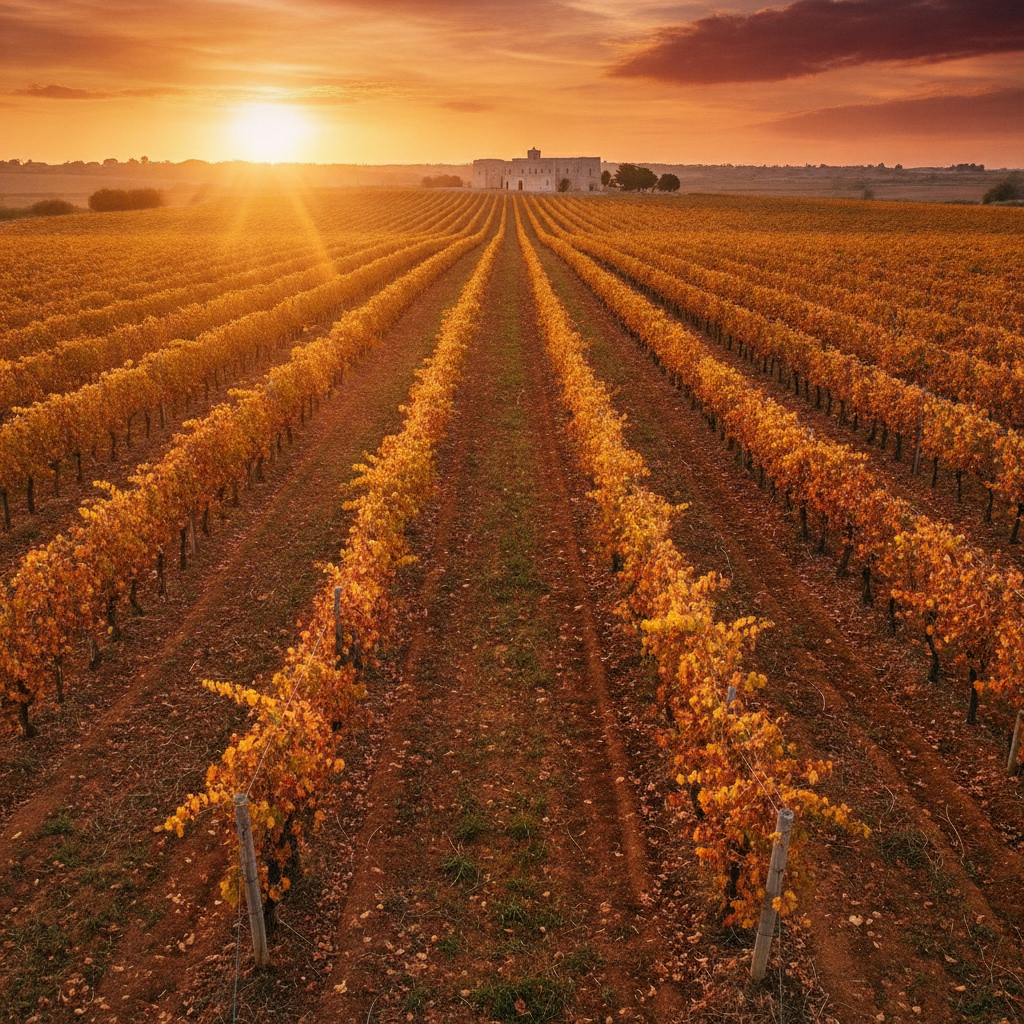
Negramaro is an indigenous grape variety of Southern Italy, with over 70% of its cultivation concentrated in Salento, particularly in the provinces of Taranto, Brindisi, Lecce, and Bari. Although its exact origins are debated, some research suggests a possible origin from Central Asia, later spread to Italy through ancient trade routes.
What is the ideal habitat for Negramaro?
It is in Puglia that Negramaro has found its ideal habitat, thanks to a unique microclimate and clay-calcareous soils that promote its optimal maturation. The proximity to the sea, with its breezes and temperature variations, along with prolonged exposure to sun and heat, contributes to sugar accumulation and bunch ripening, counteracting the grape's inherent acidity and tannicity.
What are the ampelographic and agronomic characteristics of Negramaro?
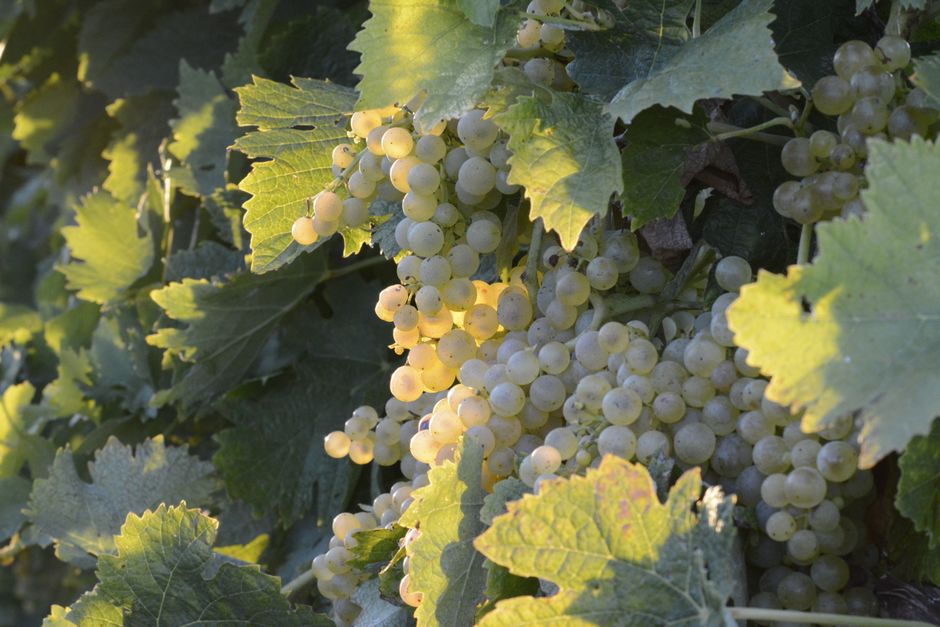
Negramaro is distinguished by specific traits: the shoot has a woolly apex with yellow-bronze hues, adult leaves are medium-sized and slightly wrinkled. The mature bunch is conical and sometimes elongated. The vine adapts to various soils, favoring fresh and fertile ones, and sprawling training systems with long pruning are generally preferred.
What are the environmental requirements and disease sensitivity of Negramaro?
Negramaro adapts to different soil types, favoring those that are fresh, fertile, and deep. Sprawling training systems with long pruning are generally preferred. Irrigation can increase production but at the expense of wine quality. The vine shows susceptibility to diseases such as downy mildew and powdery mildew, requiring careful agronomic practices for phytosanitary management.
What is the sensory profile of Negramaro wine?
Wine obtained from Negramaro is renowned for its chromatic richness and structure. It presents as an intense ruby red wine, dry yet fruity, velvety, and harmonious, with a characteristic slightly bitter aftertaste. Aromatic notes often include hints of ripe red fruit, spices, and sometimes earthy nuances.
What is the phenolic composition and nutraceutical value of Negramaro?
The phenolic fraction of Negramaro wine is important for its sensory qualities and biological properties. Studies have highlighted the presence of compounds such as gallic acid, catechin, quercetin, hydroxytyrosol, syringic acid, and trans-resveratrol. These compounds confer antioxidant, anti-inflammatory, cardio-protective, and potentially anti-cancer properties to the wine.
What are the export opportunities for Negramaro wine?
Negramaro presents significant export potential due to its distinctive characteristics and the growing global interest in quality Italian wines. Wineries focusing on this grape variety can attract foreign importers and consumers seeking authenticity, history, and quality.
How can Negramaro be leveraged in the international market?
Its Puglian origin and strong connection to Salento are highly attractive elements. Narrating the history of the grape, its traditions, and its terroir can create significant added value for the product. The wine's organoleptic qualities, combined with its health benefits, respond to a market demand increasingly oriented towards natural and healthy products.
Frequently Asked Questions
What are the main markets of interest for Negramaro wine?
The original text does not specify precise markets of interest but indicates a "growing export potential" and interest from "foreign importers and consumers."
Is Negramaro suitable for different winemaking styles?
Yes, Negramaro lends itself to the production of various types of wine, from still red wines to rosé, and even more structured versions suitable for aging.
What are the health benefits associated with Negramaro wine consumption?
Studies have highlighted antioxidant, anti-inflammatory, cardio-protective, and potentially anti-cancer properties due to the presence of specific phenolic compounds.
The pool of Wines Export's various wineries includes Puglian producers who cultivate and vinify the Negramaro grape, offering qualified coverage for this variety in the international market.
If your winery is interested in exploring new export opportunities for indigenous wines like Negramaro, discover how Wines Export can support you. Request a personalized demo to understand the most effective strategies for reaching foreign markets.