Müller Thurgau and Durella: Grape Potential and Cultivation for the Global Market
The Italian wine landscape offers a vast array of grape varietals, each with unique characteristics that define its enological potential and export suitability. For wineries aiming to diversify their offerings in foreign markets, analyzing less common grape varietals with specific peculiarities becomes strategic. This article focuses on Müller Thurgau and Durella, exploring their ampelographic characteristics, cultivation needs, and market potential, with particular attention to export opportunities. In-depth Information: MASAF — National Register of Vine Varieties.
Müller Thurgau: An International Grape with Potential in Italy
What are the origins and characteristics of Müller Thurgau?
Müller Thurgau, also known as Rivaner, is a grape varietal of German origin, born from the crossbreeding of Riesling and Madeleine Royale. Although not indigenous to Italy, it has found fertile ground for cultivation in some Italian regions, appreciated for its earliness and versatility.
The vine presents a woolly yellow bud and adult leaves that are pentalobed and medium-sized. It prefers cool, fertile, and deep soils, adapting well to humid climates. Its bud fertility is good, and vegetative development is high, requiring long pruning and espalier training systems. A significant advantage is its low susceptibility to major fungal diseases of the vine.
What is the export potential of Müller Thurgau?
Müller Thurgau, if correctly identified and vinified, offers interesting export potential. Its ability to adapt to different climates and its resistance to diseases make it a valid choice for regions with specific viticultural challenges. Wines from Müller Thurgau are often fresh, with delicate aromatic notes and a light body, attractive to consumers looking for easy-drinking wines that are versatile in food pairings. Its familiarity in markets such as Germany and Central Europe can facilitate its introduction into new markets.
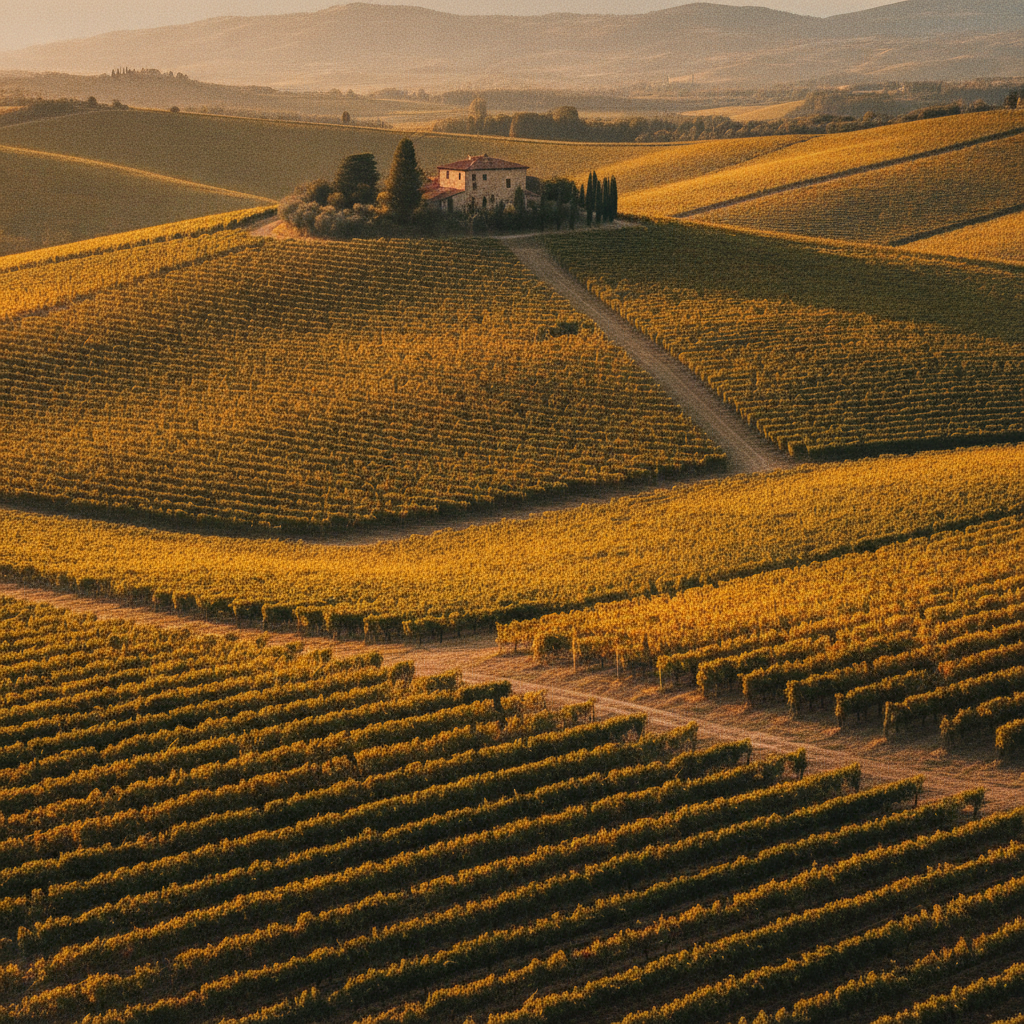
Durella: An indigenous Veneto Grape with Sparkling Potential
What are the ampelographic and cultivation characteristics of Durella?
Durella is an indigenous grape varietal from the Veneto region, found in the provinces of Verona and Vicenza, known for its pronounced acidity and its ability to produce high-quality sparkling wines.
The vine shows medium-high vigor and an upright or drooping vegetative habit. Production per vine is 1.5 kg, with a mean bunch weight of 105 g and bud fertility of 1.3. It prefers hilly terrain, well-exposed and sunny, preferably not excessively cool and humid. It adapts to slightly expanded training systems with medium or long pruning. Its relevant characteristic is its sensitivity to the main fungal diseases of the vine.
Must characteristics include high acidity (10.0%o) and a sugar content of 18.5%. The resulting wine is yellow in color, harmonious, slightly acidic, and age-worthy.
What is the export potential of Durella?
Thanks to its pronounced acidity, Durella is a prime grape varietal for the production of Traditional Method sparkling wines. This characteristic makes it particularly interesting for international markets that appreciate quality bubbles, freshness, and longevity. Its indigenous Italian origin adds an element of uniqueness and territoriality, a strong selling point. Wineries focusing on Durella can position themselves in premium market niches, targeting importers and consumers seeking distinctive, high-end products.
The Müller Thurgau and Durella Combination: An Export Opportunity
How can these grape varietals contribute to an Italian winery's export offering?
It is possible to envision a potential combination of these two grape varietals, or the use of one of them to diversify the export offering of an Italian winery.
Müller Thurgau, with its adaptability and ease of cultivation, could serve as a base for fresh, aromatic still wines, suitable for immediate consumption and a wide range of pairings. Its international nature could facilitate acceptance in markets less accustomed to indigenous Italian grape varietals.
Durella, on the other hand, offers an opportunity for positioning in the quality sparkling wine segment, a market with constant global growth. Its inherent acidity is an added value for the production of elegant and persistent bubbles.
Exporting wines based on these grape varietals requires a targeted strategy that highlights the peculiarities of each and, if applicable, their synergy in innovative blends. Communication must focus on origin, unique characteristics, and enological potential, supported by concrete performance data.
Frequently Asked Questions
What are the distinctive characteristics of Müller Thurgau for export?
Müller Thurgau, originating from Germany, is appreciated for its earliness, versatility, and resistance to fungal diseases. Wines from this varietal are generally fresh, aromatic, and light, making them attractive to consumers seeking easy-drinking wines versatile in food pairings. Its familiarity in European markets can facilitate introduction into new geographical areas.
In which markets could Durella have export success potential?
Durella, an indigenous Veneto grape varietal, is ideal for producing Traditional Method sparkling wines due to its pronounced acidity. This makes it interesting for international markets that value freshness, quality, and longevity in sparkling wines. Its Italian origin adds an element of uniqueness and territoriality, positioning it in premium market niches.
How can an Italian winery use Müller Thurgau and Durella to diversify its export offering?
An Italian winery can diversify its export offering by using Müller Thurgau to produce fresh, aromatic still wines suitable for immediate consumption and a wide range of pairings, facilitating acceptance in markets less familiar with indigenous grape varietals. Durella, conversely, offers the opportunity to position itself in the quality sparkling wine segment, thanks to its inherent acidity that promotes the production of elegant and persistent bubbles.