Pecorino: Bringing Your Italian Wine to International Markets
The Pecorino grape variety, with its roots in central Italy, presents a growing export opportunity for Italian wineries. This indigenous varietal, distinct from the famous cheese, possesses a history and enological characteristics that increasingly capture the attention of the international market. Understanding its origins, ampelographic peculiarities, and the resulting wine profile is fundamental to leveraging its market potential. The objective is to provide clear and precise information to international buyers to best showcase this grape. In-depth look: MASAF — National Register of Vine Varieties.
What are the Origins of the Pecorino Grape Variety?
The origins of the Pecorino grape variety are subject to scholarly debate. It is also found in the Savuto region (Cosenza and Catanzaro), where it is known as Pecorino, but it has no direct links to the namesake grape cultivated in Abruzzo, Marche, and Umbria. Similar or related grape varieties also exist in Armenia and Central Asia, but it is important to distinguish the specificities of the Italian Pecorino.
The history of Pecorino is tied to its adaptability and its presence in historical winemaking areas. Its cultivation, though not always widespread, has allowed for the preservation of this genetic heritage, which is now experiencing a renewed vigor thanks to the interest in indigenous grape varieties.
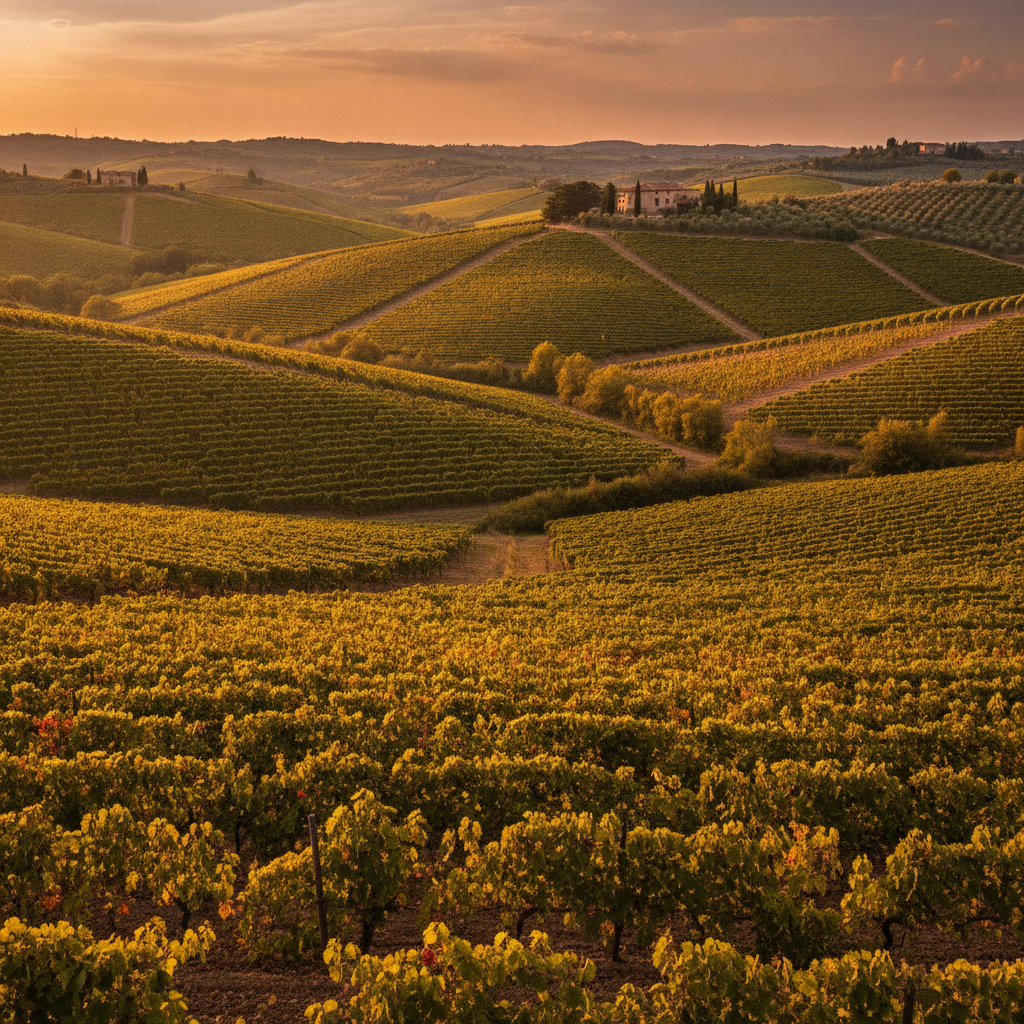
What are the Ampelographic Characteristics of the Pecorino Grape Variety?
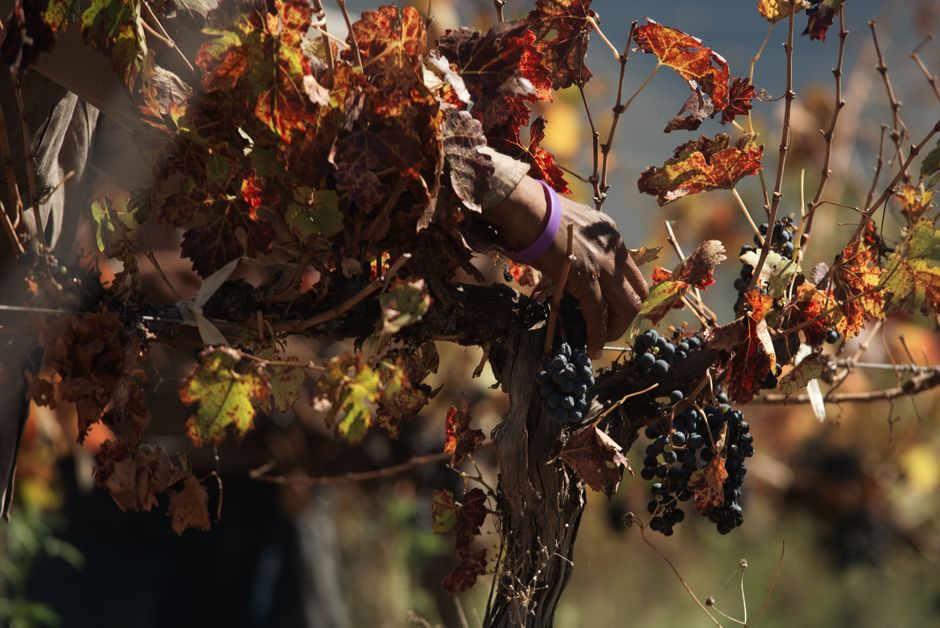
The Pecorino grape variety exhibits distinctive traits: the bud has a tomentose apex, with young leaves being yellow and internodes red, or yellowish-bronze with pink margins. The adult leaf is medium or medium-large, pentalobate or trilobate, with closed or open petiolar sinuses. The bunch is medium-sized, conical, and compact, sometimes with a wing. The berry is small, roundish, of a pinkish-green or deep yellow color, with a thin yet resistant skin and crisp pulp.
These ampelographic characteristics indicate a robust grape variety, capable of adapting to various conditions, but one that requires attention to optimize yield and quality.
What Type of Wine Does the Pecorino Grape Variety Produce, and What are its Enological Potentials?
Pecorino yields wines with interesting sensory profiles. White wines are typically straw yellow, harmonious, velvety, and savory, or medium-alcohol with a subtly pronounced varietal aroma. They can also be straw yellow, alcoholic, with low acidity and a pleasant taste. Red wines also exist, full-bodied and fragrant, which can improve with age. The versatility of Pecorino is evident in the possibility of producing table wines, dessert wines, sparkling wines, or fortified wines.
The chemical characteristics of the must, with variable sugar levels (e.g., 20.5%, 16.0-21.4%, 17.0-20.0%, 22.0%, 25.5%) and varying acidity (5.5-8.5 g/l, 7.0-10.0%o, 8.2%o), indicate a good base for producing wines with different alcohol content and acidity profiles.
Why Does the Pecorino Grape Variety Have Export Potential?
The growing global interest in Italian indigenous grape varieties represents a significant opportunity for Pecorino. International buyers seek unique, authentic wines that tell a story – qualities that Pecorino possesses thanks to its history and regional specificities. Consistent quality, versatility, and food-pairing potential are other factors that increase its appeal. The presence of Italian wineries cultivating and vinifying Pecorino is a key indicator of its export potential.
What Strategies Should Wineries Adopt to Export Pecorino?
To maximize export potential, wineries should emphasize Pecorino's territorial identity, effectively communicating its history and unique characteristics. It is crucial to focus on quality, investing in viticultural practices that enhance its best traits. Identifying the right international markets, where there is interest in indigenous grape varieties, and participating in international trade fairs and targeted tastings are key steps.
Frequently Asked Questions
Is the Pecorino grape variety the same across all Italian regions?
No, the Pecorino grape variety presents different regional expressions. Although it is found in areas like Abruzzo, Marche, and Umbria, there is also a variety known as Pecorino in the Savuto region (Cosenza and Catanzaro) that has no direct links to the others. It is important to distinguish territorial specificities.
What are the main characteristics of white wines produced from the Pecorino grape variety?
White wines derived from Pecorino are generally straw yellow in color. They are harmonious, velvety, and savory, or medium-alcohol with a subtly pronounced varietal aroma. They can also have a good alcohol content, low acidity, and a pleasant taste.
Can the Pecorino grape variety also produce red wines?
Yes, grape varieties with names similar or related to Pecorino can yield red wines. These wines are typically deep ruby red in color, full-bodied, harmonious, and fragrant, and can improve their bouquet with aging.
The Pecorino grape variety represents an excellent opportunity for Italian wineries looking to expand their presence in international markets. Its uniqueness, potential quality, and versatility make it an attractive product for international buyers.