Teroldego: Your Winery's Path to the Global Market
The Teroldego grape variety, an authentic jewel of Trentino, offers Italian wineries an opportunity for differentiation in the international market. This indigenous black grape, deeply tied to its land of origin, possesses unique characteristics and untapped export potential. Understanding its history, peculiarities, and the demands of foreign buyers is crucial to fully leverage its capabilities. This article explores how Teroldego can become a protagonist in exports, enhancing the biodiversity and excellence of Italian wine. Learn more: MASAF — National Register of Vine Varieties.
What are the origins and history of Teroldego?
Teroldego is Trentino's most important indigenous black grape, finding its cradle in the Rotaliana Plain. Its origins are ancient, with possible links to the "tiroler gold" mentioned at the Viennese court. Its history is interwoven with the region's viticulture since Etruscan and Roman times, evolving from a prolific plant to a variety capable of producing highly prized red wines.
How has the management of Teroldego evolved over time?
Historically, Teroldego was known for its productive generosity. With the shift towards quality-oriented viticulture, the management of the variety has changed. Today, a well-managed Teroldego can give rise to highly prized red wines, fragrant and juicy when vinified in steel, or deep and fascinating with wood aging.
What are the ideal environmental conditions for Teroldego?
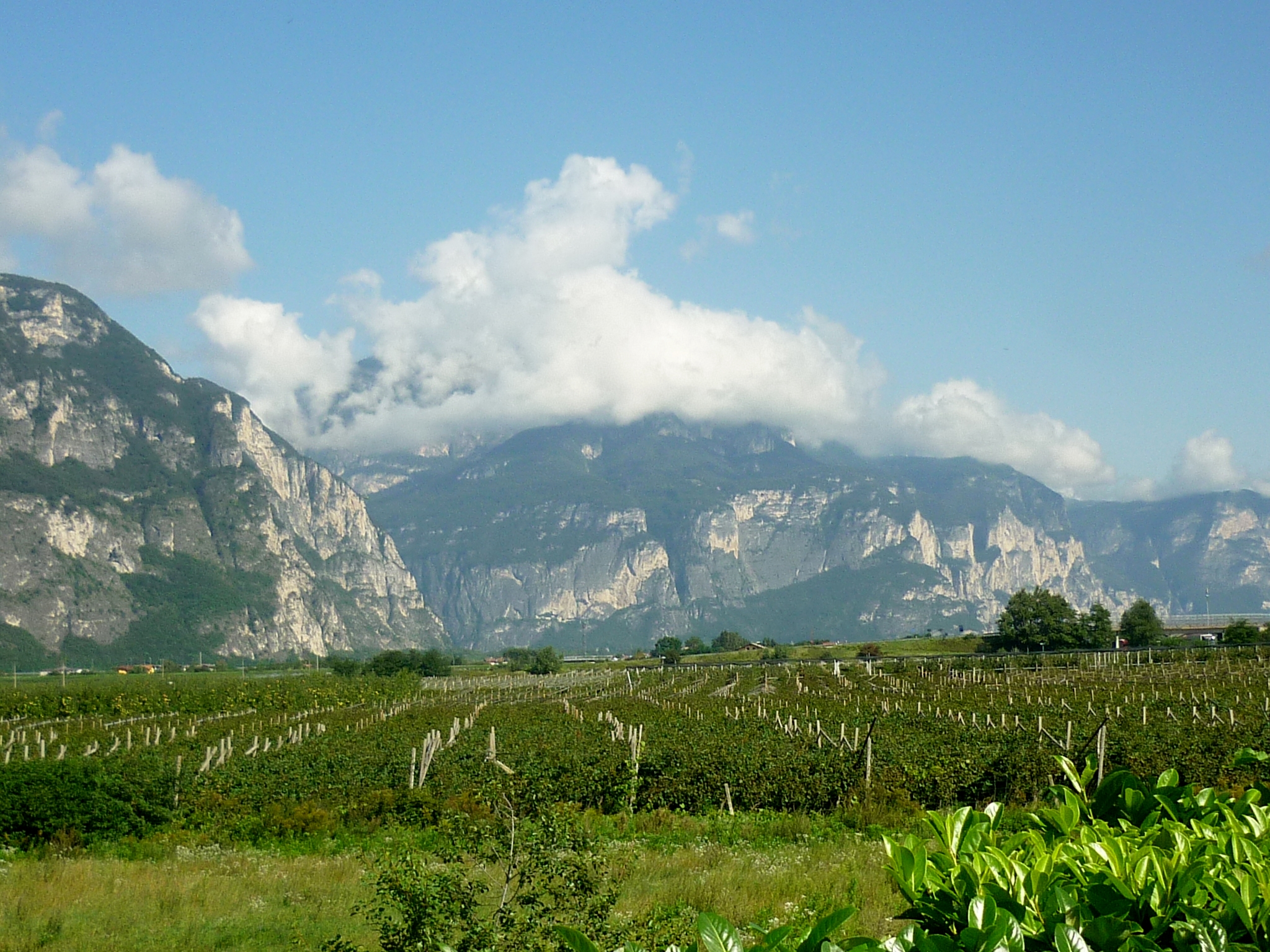
Teroldego prefers cool, fertile soils, particularly those composed of the alluvial debris from the Noce stream. It requires significant summer insolation, amplified by the reflection from the surrounding rocky walls. Grape ripening is late.
What are the sensitivities and affinities of the Teroldego vine?
The plant is vigorous but sensitive to low winter temperatures and drought. It shows a certain incompatibility with some common rootstocks, preferring combinations like Riparia tomentosa and MK 4. It is susceptible to downy mildew and powdery mildew but resistant to noble rot.
What are the ampelographic characteristics and the resulting Teroldego wine?
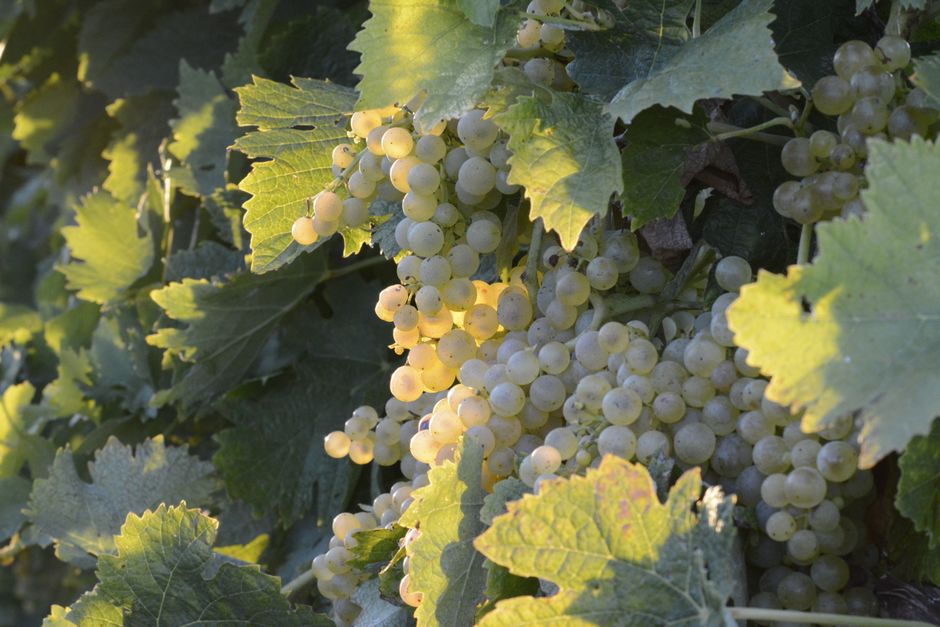
The Teroldego bunch has an average weight of 450-500 grams, with bud fertility between 1 and 2. The grapes ripen early and give rise to a wine with an intense ruby-red color with violet reflections and a slightly bitter taste. The alcohol content generally ranges from 12-13% vol.
How do Teroldego's aromas change with aging?
Aging brings significant changes to the aromatic profile. Linear esters decrease, while branched esters and terpene compounds such as α-terpineol and 1,8-cineole increase, conferring greater complexity.
What is the market potential and recognition for Teroldego?
Teroldego Rotaliano has established itself for its quality and price-performance ratio. An example is Dorigati's Teroldego Rotaliano 2023, awarded for the Best Regional Value for Money in the Gambero Rosso's BereBene 2026 guide. This highlights the grape's ability to produce excellent and accessible wines.
Why is Teroldego interesting for export?
Its versatility, its ability to express the terroir of the Rotaliana Plain, and the accolades it has received make it an authentic product with a fascinating story, ideal for differentiating in the international market and meeting the growing demand for indigenous grape varieties.
What do international buyers look for in Teroldego?
International buyers are attracted to unique indigenous grape varieties, territorial stories linked to specific areas like the Rotaliana Plain, and quality confirmed by recognition in authoritative guides. They appreciate the wine's versatility and its food-pairing potential.
How does Wines Export support wineries with Teroldego?
Wines Export collaborates with wineries specializing in the Teroldego grape, facilitating exports and connecting Italian producers with international buyers interested in this high-quality wine. Our network promotes excellent Teroldego wineries, supporting them in entering and growing in foreign markets.
Teroldego represents Italian enological excellence with significant export potential. Its history, unique characteristics, and ability to produce high-quality wines make it an ideal candidate for expanding the portfolio of Italian wineries in international markets.
Frequently Asked Questions
Question 1
What are the ideal environmental conditions for cultivating the Teroldego grape and what are its sensitivities? Teroldego prefers cool, fertile soils, particularly those composed of alluvial debris, and requires significant summer insolation. The plant is vigorous but sensitive to low winter temperatures and drought, also showing incompatibility with some common rootstocks.
Question 2
What are the characteristics of Teroldego wine and how do its aromas evolve with aging? Teroldego wine has an intense ruby-red color with violet reflections and a slightly bitter taste, with an alcohol content generally around 12-13% vol. Aging leads to greater aromatic complexity, with a decrease in linear esters and an increase in branched esters and terpene compounds.
Question 3
What makes the Teroldego grape variety interesting to international buyers and what recognition has it received? International buyers are attracted by its uniqueness as an indigenous grape, its story linked to the Rotaliana Plain, and its versatility. Teroldego Rotaliano has demonstrated its quality and good price-performance ratio, as highlighted by recognition in authoritative guides.