Serprino: Cultivation, Characteristics, and Market for Italian Wineries
The Serprino grape variety, with its complex history and unique characteristics, represents a strategic opportunity for Italian wineries seeking to expand their presence in international markets. A thorough understanding of its origins, ampelographic peculiarities, cultivation requirements, and market potential is fundamental to maximizing its value. This article provides a detailed analysis to guide wineries in evaluating and potentially incorporating Serprino into a winning export strategy, focusing on the authenticity and uniqueness that foreign buyers seek. In-depth look: MASAF — National Register of Vine Varieties.
What are the origins and history of the Serprino grape variety?
The origins of Serprino are ancient and geographically diverse, with indications ranging from Armenia (Ararat region) to southern Russia (Rostov and Kamenski regions), through Crimea and southern Ukraine. Its history is marked by migrations and adaptations, with synonyms like "Sveni" and "Scireni" suggesting possible links or confusions with other varieties over time.
What are the ampelographic characteristics of Serprino?
The tip of the shoot varies from yellow-green to woolly, with young leaves being yellow or yellowish-white. Adult leaves are medium-sized, orbicular or slightly reniform, quinquelobed or pentagonal, with U, V, or lyre-shaped petiole sinuses. The upper surface may show undulations and blisters, while the lower surface is bristly or slightly woolly. The color is green or dark green, sometimes streaked with vermilion.
What are the characteristics of Serprino bunches and berries?
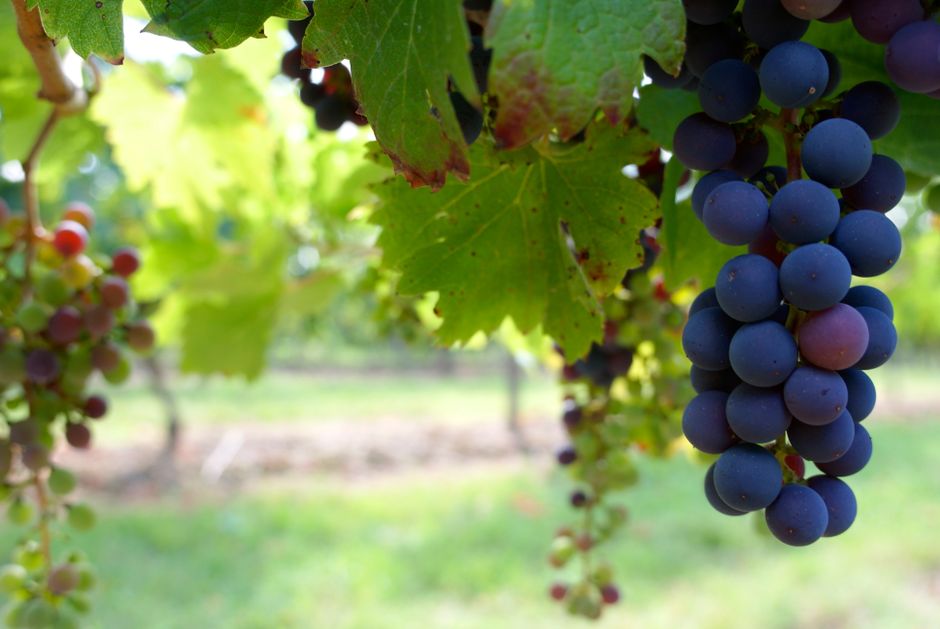
Mature bunches are medium-sized, conical or cylindrical, sometimes winged, and can be compact or very compact. Berries are medium to small-sized, circular or flattened, with thin, sometimes transparent and rough skin, of blue-black or lighter color. The pulp is juicy, firm, non-coloring, sweet, and with a varietal aroma.
What are the environmental and cultivation requirements for Serprino?
Serprino prefers cool, fertile, and deep soils, adapting well to humid climates and light, clayey-mixed soils, including tuffaceous ones. It requires expansive training systems with long pruning, but also adapts to medium pruning. Irrigation can increase production at the expense of quality, while vegetative growth is vigorous if supported by irrigation practices.
What is the vigor and fertility of Serprino?
The Serprino vine exhibits good vigor and good bud fertility, with values ranging between 1.25 and 1.5. Production per vine can be around 3.9 kg, with an average bunch weight of approximately 120 g, indicating good potential yield.
What is Serprino's sensitivity to diseases and adversities?
Information on Serprino's sensitivity to diseases varies: some sources indicate susceptibility to downy mildew, powdery mildew, and phylloxera, while others describe it as little susceptible to major fungal diseases and climatic adversities. Some historical descriptions mention resistance to winter frosts.
What are the characteristics of Serprino must and wine?
Serprino must has an acidity between 6.2‰ and 10.0‰ and a sugar content from 17.0-20.0% up to 23%. The resulting wine is generally medium-bodied, harmonious, full-bodied, and slightly acidic, with a fresh and neutral flavor. Other descriptions indicate a straw-yellow wine, harmonious, velvety, and savory, or a lightly intense ruby-red, soft, and low in tannins, or yet a ruby-red wine, medium-bodied, fizzy, harmonious, and soft with a distinct varietal aroma.
How is Serprino used and what is its export potential?
Serprino is primarily used for the production of common table wine, but in the past, it was also a table grape. It can be the base for sparkling wines or fortified wines if harvested late. The grapes, thanks to their high yield, are often vinified in blends. For export, Serprino is an interesting niche due to its storytelling linked to history and uniqueness, sought after by foreign markets.
Frequently Asked Questions
What are the most interesting foreign markets for the Serprino grape variety?
The original text does not specify precise foreign markets, but indicates that Serprino is an interesting niche for Italian wineries looking towards international markets, which are increasingly seeking authenticity and uniqueness.
How can the Serprino grape variety be enhanced for export?
Enhancement involves market research to identify countries with demand for indigenous wines, emphasizing the historical origins and peculiarities in storytelling, producing high-quality wines, and clear positioning that communicates its unique value.
Is Serprino suitable for the production of single-varietal wines or blends?
Serprino grapes, thanks to their high must yield, are often vinified in blends with other grape varieties. However, the characteristics of the wine range from fresh and neutral profiles to softer and more aromatic notes, suggesting potential for single-varietal vinification aimed at enhancing its best qualities.
The Serprino grape variety offers a differentiation opportunity for Italian wineries in international markets. By leveraging its history, unique characteristics, and focusing on quality, it is possible to create a successful product.