Tocai Friulano: From Origins to the International Market
Tocai Friulano, now commonly known as Friulano, is an indigenous grape variety from Friuli-Venezia Giulia with growing export potential. This article explores its history, unique characteristics, and its appeal in international markets, offering an essential guide for Italian wineries aiming to expand their global presence. We will discover how this wine, with its well-defined identity and distinctive organoleptic profile, can represent added value in the portfolio of a foreign importer. In-depth look: MASAF — National Register of Vine Varieties.
What is the History of Tocai Friulano and the Name Issue?
The history of Tocai Friulano is marked by a toponymic dispute with Hungarian Tokaji. Studies and agreements have clarified that it is a distinct grape variety, indigenous to Friuli-Venezia Giulia. The first certain cultivation dates back to at least the second half of the 19th century. Following EU agreements, the name "Tocai" was reserved for Hungarian wine, leading to the adoption of "Friulano" for the Italian variety, preserving its identity.
The Origins and Spread of the Grape Variety
The origins of Tocai Friulano are rooted in Friuli-Venezia Giulia, where it spread from the second half of the 19th century. Some hypotheses suggest that local viticulturists identified in an indigenous strain the ideal variety for the region's climatic and soil conditions. Its cultivation has also extended to bordering areas of Veneto and Lombardy. Despite disputes over its historical name, the variety's originality is undeniable.
How is Tocai Friulano Presented from an Ampelographic Perspective?
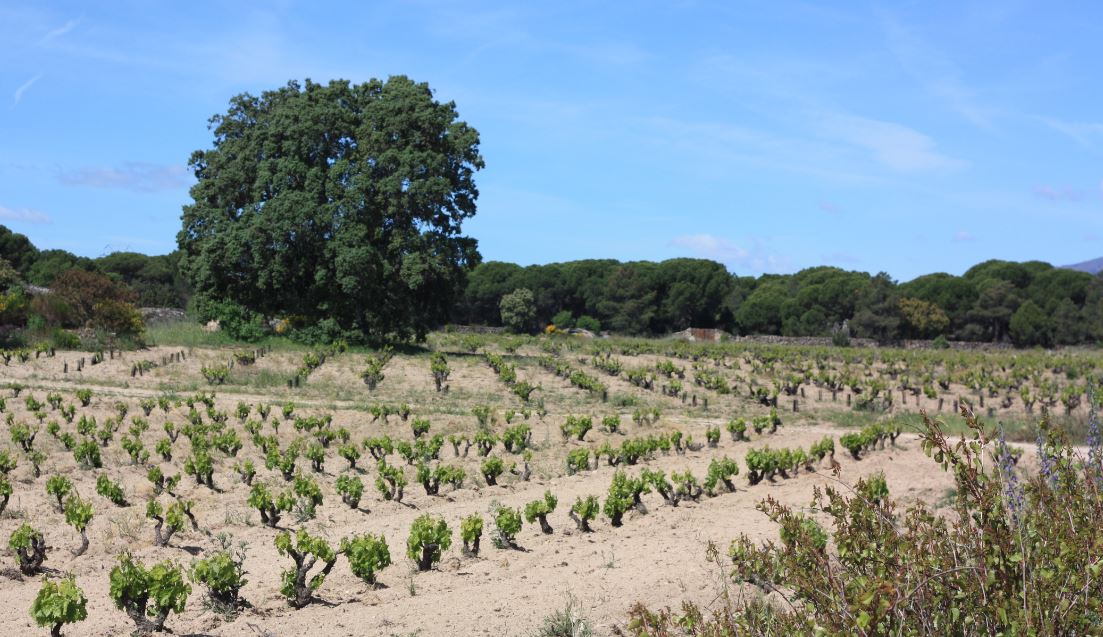
Tocai Friulano exhibits considerable intra-varietal variability, with the identification of several biotypes. Traditionally, "green" and "yellow" biotypes are distinguished, differentiated by the color of the skin at maturity. Within these categories, there are biotypes that vary in bunch and berry characteristics.
What are the Main Biotypes Identified?
Research has identified distinct populations for production characteristics, including the "Colli Orientali" type, the "Porcia" type, and the "Lison" type. This latter type shows morphological differences in the bunch, appearing more cylindrical with slightly larger berries. The good fertility of buds, both "potential" and "campaign," makes these clones interesting for mechanized vineyards.
What are the Agronomic Challenges for Tocai Friulano?
Research continues to identify clones with better total and free acidity in the must and greater resistance to rot (Botrytis cinerea), a disease to which Tocai is particularly susceptible. These aspects are crucial for optimizing production and the quality of wine destined for export.
What is the Organoleptic Profile of Tocai Friulano Wine?
The wine obtained from Tocai Friulano is distinguished by an elegant and complex organoleptic profile. On the nose, it offers fresh, fine, and delicate aromas, with characteristic notes of bitter almond and green apple. The enological goal is to enhance this natural aromatic profile to achieve an elegant wine.
How to Describe the Color and Aroma of Tocai Friulano?
The color is straw yellow, often with greenish hues. On the nose, the aromas are fresh, fine, and delicate, with distinctive hints of bitter almond and green apple that define its aromatic identity.
What are the Tasting Characteristics of Tocai Friulano?
On the palate, the wine is fruity, fine, delicate, soft, full, and fat. The bitter almond note is distinctive, providing a velvety sensation due to low fixed acidity and high glycerin content. The low acidity contributes to a soft and rounded taste.
Does Tocai Friulano Have Aging Potential?
While many Tocai Friulano wines are intended for young consumption, some clones and careful winemaking can give the wine good aging potential. During maturation, more complex and tertiary notes can develop, further enriching the wine's profile.
What are the Recommended Enological Techniques for Tocai Friulano?
The enological approach for Tocai Friulano aims to preserve its intrinsic characteristics. The management of sulfur dioxide (SO2) is crucial: judicious dosing is fundamental for antioxidant protection, avoiding the presence of acetaldehyde, which can degrade the wine's profile.
How to Manage Sulfur Dioxide (SO2) in Winemaking?
When the grapes are healthy, the use of a few grams of SO2 at racking is preferred. The rest of the addition is postponed until after fermentation, after the separation of the yeasts. Reductive enology is essential to achieve a high-class Tocai Friulano, utilizing modern winery technologies.
What is the Export Potential of Tocai Friulano and Which Markets Are Interested?
Tocai Friulano possesses significant export potential, thanks to its uniqueness and the growing demand for indigenous Italian wines. The challenges related to its name have been overcome with the correct designation "Friulano" and clear communication.
Which Foreign Markets Show Growing Interest in Friulano?
Foreign markets with growing interest include the United States, Scandinavian Countries (Sweden, Norway), Germany, Austria, Canada, and Asia (Japan, South Korea). These markets are receptive to Italian enological novelties, quality, and the discovery of regional grape varieties.
Why is Tocai Friulano Interesting for Foreign Importers?
Its taste aligns with the expectations of many international consumers. Its versatility in food pairings, from light starters to fish dishes, makes it a well-appreciated wine in various international cuisines, increasing its appeal to importers.
Frequently Asked Questions
Can the name "Tocai" still be used for Friulian wine?
No, following EU agreements, the name "Tocai" is exclusively reserved for Hungarian sweet wine. The Italian grape variety is now commonly identified as "Friulano."
What are the main organoleptic characteristics that distinguish Tocai Friulano?
Distinctive characteristics include a straw-yellow color with greenish hints, fresh aromas of bitter almond and green apple, and a palate that is fruity, soft, full, and fat, with a persistent bitter almond note.
Is Tocai Friulano suitable for long bottle aging?
While many Tocai Friulano wines are intended for young consumption, certain clones and specific winemaking can grant the wine good aging potential, developing tertiary complexity.
Tocai Friulano, or Friulano, represents an excellent opportunity for Italian wineries wishing to expand their export wine offerings. Its fascinating history, distinctive organoleptic characteristics, and ability to adapt to different terroirs make it a grape variety of great interest. With a targeted marketing strategy and clear communication about its identity and quality, Tocai Friulano is destined to consolidate and increase its presence in global markets, offering a unique and authentically Italian sensory experience.