Syrah: From Origins to International Success for Wineries
Syrah is an internationally renowned, versatile, and globally appreciated black grape variety. Originating from the Rhône Valley, it has conquered vineyards worldwide, representing a strategic opportunity for Italian wineries aiming for excellence in foreign markets. This article explores its origins, characteristics, agronomic behavior, and export potential, offering a valuable guide to enhance or introduce this variety into your portfolio. In-depth look: MASAF — National Register of Vine Varieties.
Where Does the Syrah Grape Variety Come From and Where Is It Grown?
The roots of Syrah are firmly planted in the Rhône Valley, France, where genetic studies have identified its origin as a cross between Mondeuse Blanche and Dureza. Starting in the 20th century, Syrah embarked on an export journey that led it to colonize the most important wine-producing countries in the "New World," including Australia, Argentina, South Africa, and the United States.
Its adaptability to different climates and terroirs has contributed to consolidating its reputation as one of the most international varieties. In 2015, its global vineyard area amounted to approximately 190,000 hectares, spread across 31 countries. This widespread diffusion testifies to its resilience and its ability to produce high-quality wines in very diverse environmental contexts.
What Are the Agronomic Characteristics of Syrah?
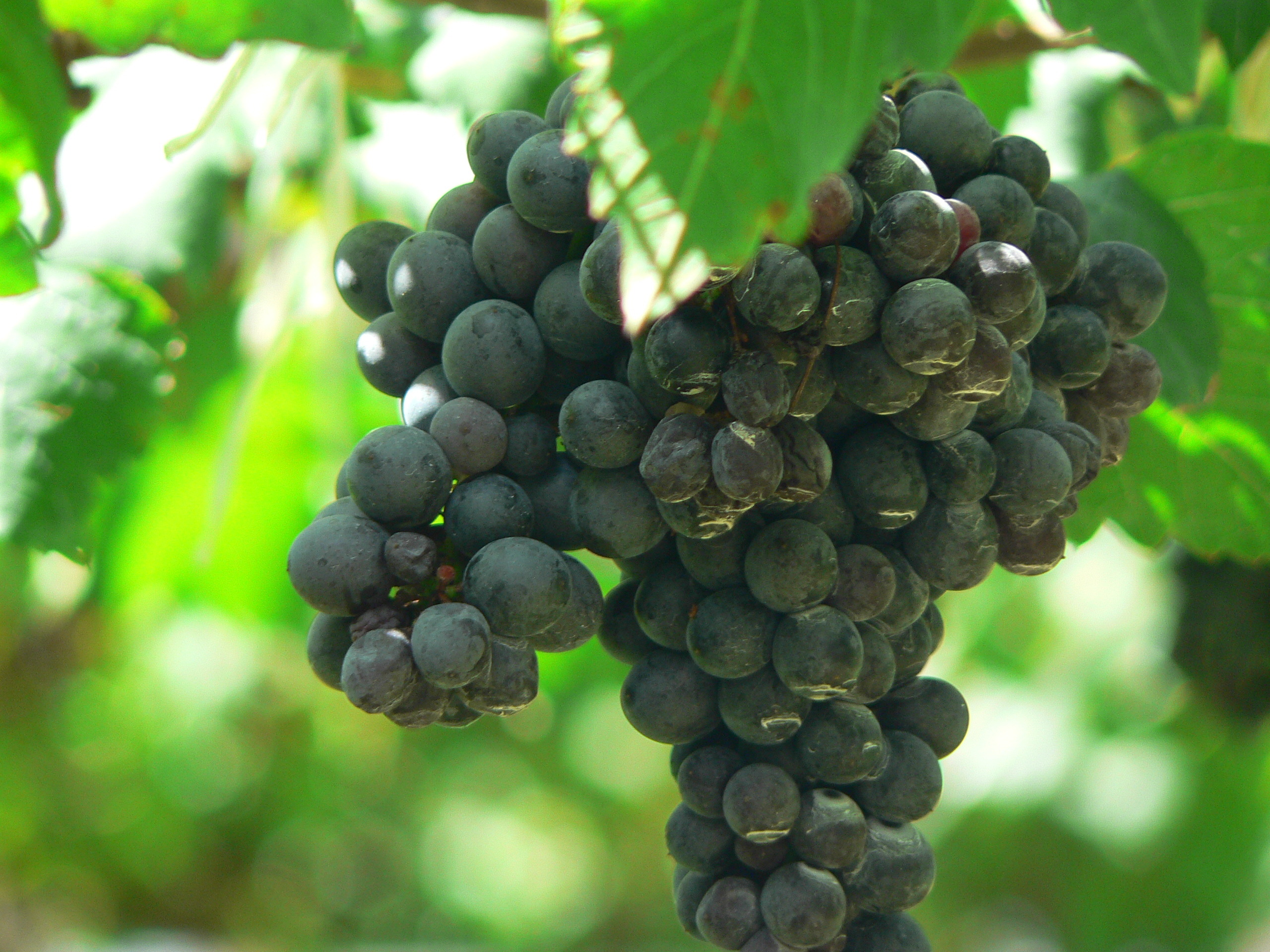
Syrah is a grape variety that exhibits well-defined growth cycle characteristics. Its budburst is late, a trait that makes it less exposed to damage from spring frosts. The ripening period is relatively short, culminating in a late harvest. In terms of vigor, Syrah is a very vigorous plant, but its fertility is low. Its berries are medium to small in size, while the clusters tend to be large.
Given its tendency for high yields, Syrah is better suited to long pruning. However, even with shorter pruning, good qualitative yield is achievable, especially in southern regions. Among its susceptibilities, Syrah shows a strong sensitivity to chlorosis, while it is less prone to acariosis and botrytis. Yields per hectare can vary significantly, generally ranging between 3 and 8 tons per hectare.
What Type of Wine Does Syrah Produce?
Wines obtained from Syrah are distinguished by their deep color, high polyphenol content, and pronounced dry extract. The structure is characterized by silky, ripe tannins, lending a feeling of opulence in the mouth without astringency. The alcohol content is moderately high, and the acidity is generally well-balanced, with particularly low levels of malic acid due to high summer temperatures that favor its "combustion."
A notable aspect is the low presence of aromatic compounds from the Pyrazine family. Unlike other red grape varieties, Syrah-based wines tend to be more fruity than vegetal, with aromas ranging from ripe dark berries to notes of licorice and violet, depending on the climate and terroir. Ripe phenolic compounds limit the oxygen affinity of the wines, preventing the formation of sulfurous reduction aromas and contributing to highly aromatic and expressive wines. The high concentration of polyphenols also slows down aging and oxidation processes, giving the wines long shelf life and excellent aging potential.
How Does Syrah Adapt to Different Terroirs and Blends?
Syrah demonstrates a remarkable ability to adapt to different environmental conditions. In the "Languedoc" appellation, for example, Syrah is particularly suited to cool environments, where it expresses finesse and notes of licorice and violet. Its mandatory minimum percentage in the red wines of this appellation (50%) underscores its dominant role. In these contexts, daily temperature fluctuations positively influence the synthesis of aromatic precursors and anthocyanins, contributing to the garnet color and tannic structure of red wines, as well as the freshness of rosés.
Syrah is often blended with other grape varieties to create complex and multifaceted wines. For instance, in some regions, it can be paired with Grenache, Cinsault, Mourvèdre, and Carignan, with each grape variety finding its ideal placement in plots with specific pedoclimatic characteristics.
What Is the Export Potential of Syrah for Italian Wineries?
The international nature of Syrah makes it an ideal candidate for Italian wineries looking to expand their presence in foreign markets. Its global recognition, combined with its stylistic versatility, allows it to meet a wide range of international consumer preferences.
Italian wineries that cultivate or intend to cultivate Syrah can benefit from its established reputation. The ability to produce wines with distinctive organoleptic characteristics, ranging from fresher, fruitier styles to more powerful and structured versions, opens doors to various market segments. For wineries already producing Syrah, it is crucial to communicate the specificities of their terroir and the winemaking practices that make their product unique. Emphasizing Italian origin, careful cultivation, and grape quality can make a difference in the competitive export market.
Frequently Asked Questions
What are the main characteristics of Syrah wines?
Syrah wines are distinguished by their deep color, silky and ripe tannins, and a moderately high alcohol content. They tend to be fruity, with aromas of ripe dark berries, licorice, and violet, and possess excellent aging potential.
Is Syrah an easy grape variety to cultivate?
Syrah is a vigorous plant with late budburst, making it less susceptible to spring frosts. However, it shows a strong sensitivity to chlorosis. Its fertility is low, and it is well-suited to long pruning but can offer good quality even with shorter pruning.
In which countries has Syrah had the greatest export success?
Syrah has been successfully exported to "New World" countries such as Australia, Argentina, South Africa, and the United States, in addition to maintaining a strong presence in France, its land of origin.
Syrah is an ambassador for wine worldwide, capable of expressing the identity of its terroir and the skill of the winemaker. Its ancient origins, global diffusion, and enological potential make it a strategic choice for Italian wineries looking towards export. A thorough understanding of its agronomic and enological characteristics, and the ability to communicate them effectively, is the key to unlocking its full potential in international markets.
Do you have a winery and wish to explore export opportunities for your wines, including Syrah?