Selling Sardinian wine from Mamoiada: Cannonau di Mamoiada, wineries, old vineyards, pricing and how these wines reach importers
Wines Export Editorial · Last updated:
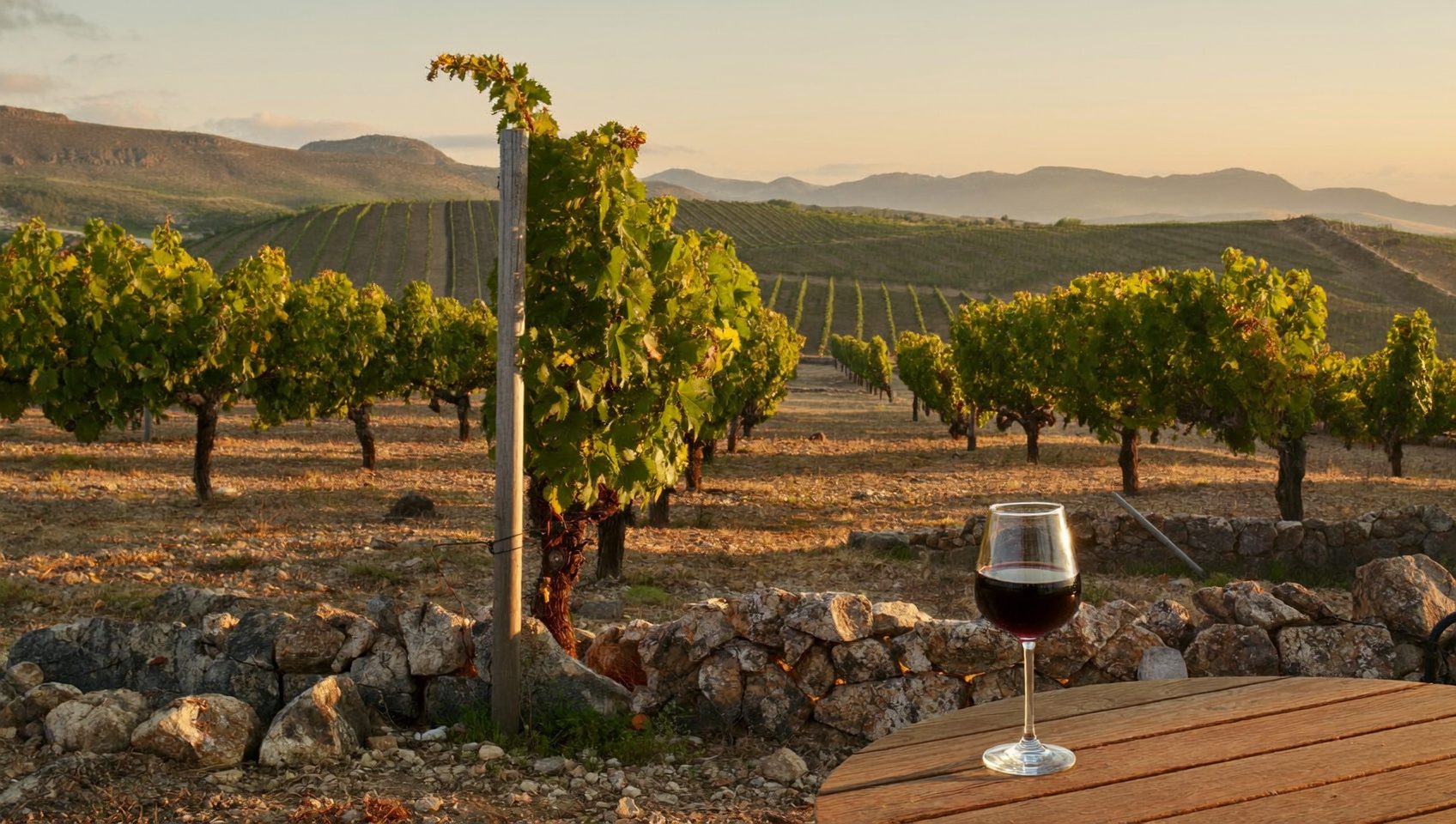
Mamoiada, in the heart of the Barbagia in the province of Nuoro, is one of the places most often cited for mountain Cannonau. Alongside Cannonau, some wineries make wine from Granazza, a local white grape. According to the producers' association Mamojà, more than 30 wineries have opened in the village since it was founded in 2015. Anyone looking into Sardinian wine sales in Mamoiada, or considering these labels for an import portfolio, faces a fragmented but cohesive producer base, where manual work on old bush-trained vines weighs on costs and therefore on ex-cellar prices.
Mamoiada: territory, wineries and denominations
To understand the commercial dynamics of this district in the province of Nuoro, the starting point is the local association Mamojà, which brings together a group of 70 growers and producers from Mamoiada and points to more than 30 wineries founded since 2015 (Mamojà association website). Alongside the wineries that bottle under their own label, family winemaking for home use is still widespread in the village.
The vineyards lie on hills of decomposed granite, at altitude. The DOC disciplinare notes that in Sardinia soils from decomposed granite are sandy, loose, acid or sub-acid, rich in potassium but poor in phosphorus and nitrogen (Cannonau di Sardegna DOC disciplinare, art. 9). Altitude sets local wines apart from those of the island's coastal and lowland areas, as explained in the overview of the wine village of Mamoiada and its geography.
From a regulatory point of view, local producers can claim four different denominations and geographical indications:
- Cannonau di Sardegna DOC, including the "Classico" specification reserved for the provinces of Nuoro and Ogliastra.
- Barbagia IGT, a geographical indication covering 15 municipalities in the province of Nuoro.
- Isola dei Nuraghi IGT, usable across the whole of Sardinia.
- Provincia di Nuoro IGT, covering the municipalities of the provinces of Nuoro and Ogliastra and some municipalities in the provinces of Cagliari, Oristano and Olbia-Tempio.
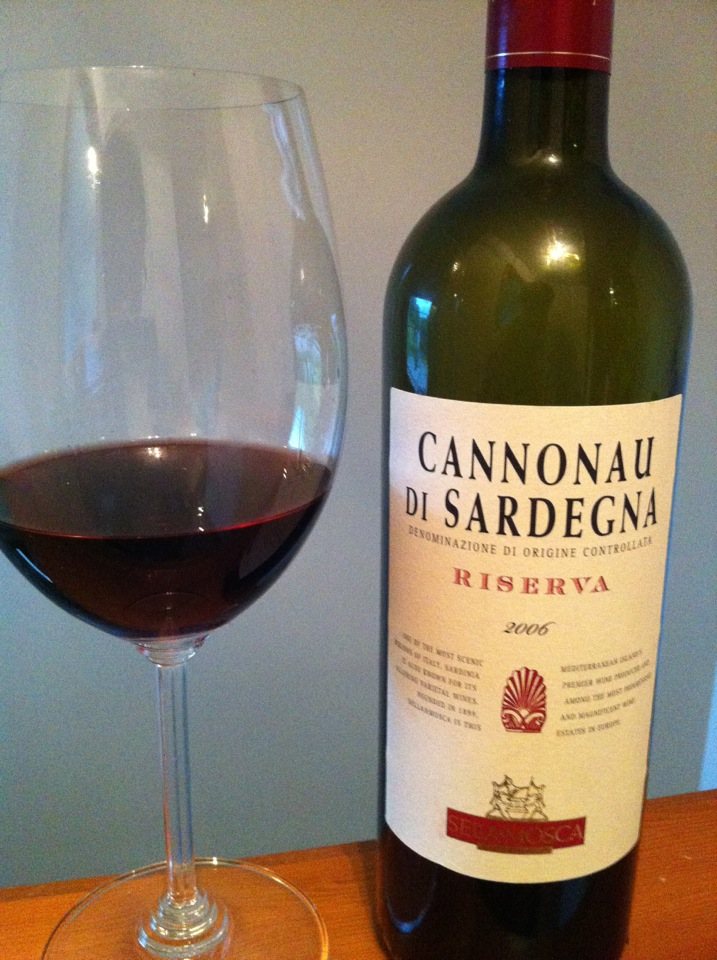
Because the Cannonau di Sardegna DOC disciplinare (approved by presidential decree of 21 July 1972 and amended up to the ministerial decree of 7 March 2014) provides only Oliena (or Nepente di Oliena), Jerzu and Capo Ferrato as official subzones, there is currently no formally recognised Mamoiada subzone. Many wineries therefore release their wines as Barbagia IGT, for greater flexibility in winemaking and to put the name of the village or of individual districts ("ghiradas") on the back label or in their sales material.
| Production parameter | Cannonau di Sardegna DOC disciplinare (base) | Cannonau di Sardegna DOC Classico disciplinare |
|---|---|---|
| Grape varieties | At least 85% Cannonau, up to 15% other non-aromatic black grapes | At least 90% Cannonau, up to 10% other non-aromatic black grapes |
| Production area | Whole territory of the Sardinia region | Provinces of Nuoro and Ogliastra (Mamoiada included) |
| Maximum grape yield/ha | 110 quintals per hectare (maximum wine yield 70%) | 90 quintals per hectare (maximum wine yield 70%) |
| Minimum alcohol content | 12.50% vol. (13.00% vol. for Riserva) | 13.50% vol. (grapes at least 13.00%) |
| Minimum ageing | None for the base wine (release from 1 April of the year after harvest, rosé from 1 January); 2 years (6 months in wood) for Riserva | Minimum 2 years, of which at least 12 months in wooden casks |
Cannonau di Mamoiada: style and old vines
What sets Mamoiada's viticulture apart is vineyard management and the age of the vines. The traditional training system is the alberello (bush vine), which the disciplinare describes as the typical form for Cannonau in Sardinia (art. 9). In old vineyards yields are low and most of the work is done by hand.
In the oldest, closely planted vineyards, where machinery cannot pass, traditional methods are still used, while in more recent vineyards a tractor is used. The soil around each vine is often finished by hand with a hoe. For a broader view of the grape and the denomination, see the guide to Cannonau and Cannonau di Sardegna DOC.
In the cellar, this care in the vineyard results in red wines that combine the grape's typical concentration with a fresh, savoury streak from altitude and granite. Many producers use spontaneous fermentation, measured macerations and ageing in used wooden casks so as not to mask the red fruit and the spicy, balsamic notes of the grape.
Beside the red, when buyers look for a Sardinian mountain white other than Vermentino, the local answer is Granazza. This white grape, historically present inside old Cannonau vineyards, is now also vinified on its own. It gives structured, savoury whites, made in small quantities and often sold on allocation together with Cannonau.
The wineries and the cooperative
Unlike other Sardinian wine areas where cooperative wineries account for a large share of volumes, in Mamoiada wine comes mainly from family estates that kept ownership of their plots and moved to bottling their own wine.
Today the business fabric does not rest on a large cooperative winery but on associations. The association Mamojà (70 growers and producers according to its website) and the association Vignaioli in Mamoiada promote the area through joint fairs, zoning of the districts and shared quality standards.
For those of you running a winery or looking for production partners, this structure has direct practical consequences:
- No entry-price volumes: production is spread across many small estates, from micro-artisan producers to a few larger wineries.
- Fragmented supply: an importer needing large, continuous volumes for large retail chains will not find them in Mamoiada; they have to be sourced in other parts of the wine sector of the province of Nuoro.
- Strength of the collective brand: the wineries often appear together at trade events, letting foreign buyers taste many different interpretations from the same village in a single session and saving time on selection and on logistics through groupage shipments.
Pricing and positioning
Production costs in Mamoiada are structurally high. Working bush vines by hand at altitude, with low yields and no possibility of full mechanisation, takes far more hours per hectare than lowland trellised viticulture. As a result, typical Mamoiada wine cannot compete at entry level.
On B2B export price lists (ex cellar / Ex Works), Mamoiada wines sit at the upper end of the region's production:
- Village entry tier (young vineyards and village selections): vintage Cannonau or wines with shorter ageing, from younger vineyards, are the rotation product for the HoReCa channel (wine shops and mid to upper-mid restaurants).
- District selections (cru / ghiradas) and old vines: labels from historic plots, with very low yields and long ageing in wood, are released at high ex-cellar prices.
- Granazza and rosé: rosés from Cannonau grapes (provided for in the disciplinare with a minimum alcohol of 12.50% vol.) are a more accessible entry point, while varietal Granazza, because of its small volumes, is priced in line with or above the red selections.
If your winery works in a mountain or high-quality area with similar vineyard costs, your export price list must justify the price with a transparent technical sheet: stating the exact altitude of the plot, the age of the vines, the yield per hectare and the exact number of bottles produced gives the agent and the sommelier the arguments they need to defend the margin on the shelf or on the wine list.
Where Cannonau goes
According to the DOC disciplinare, Cannonau accounts for 24% of the regional vineyard and reaches 62% in the province of Nuoro (Cannonau di Sardegna DOC disciplinare, art. 9). Within this base, Mamoiada represents the high-value artisanal peak, and its export dynamics fit into the wider picture of the international market for Sardinian wines.
For more background on the village, see the oenological profile of Mamoiada. Commercial flows follow routes shaped by the specialisation of distributors:
- Northern and central Europe (Germany, Switzerland, United Kingdom, Scandinavia): specialist on-trade distributors look to Mamoiada for the mountain expression of Mediterranean Grenache. In markets such as Switzerland and Germany, tourist ties with Sardinia help place artisan labels on the lists of upmarket Italian restaurants and wine bars.
- North America (United States and Canada): in the United States interest is driven by the category of old-vine, low-intervention wines. In the Canadian monopolies, small lots enter mainly through private import channels (Private Imports / Consignment) for restaurants, since small volumes cannot cover general shelf tenders.
- Asia (Japan, South Korea, Singapore): Japan is an outlet for micro-wineries working with spontaneous fermentation and organic vineyard practices, with small allocations per label.
What importers ask for
When an international buyer considers listing a Mamoiada winery (or a Sardinian winery with similar features), requests focus on four practical points.
First, a stylistic difference from lowland Cannonau. The importer is not looking for an overripe, heavy red dominated by new-barrique toast. They want wines in which alcohol, high by nature of the grape, is balanced by acidity, savouriness and tannins that do not dry the palate.
Second, clarity on DOC versus IGT. Many foreign buyers wonder why some of the most expensive Mamoiada wines carry Barbagia IGT or Isola dei Nuraghi IGT on the label instead of Cannonau di Sardegna DOC. The winery should explain during negotiation that choosing IGT does not mean lower quality: it reflects the absence of a "Mamoiada" subzone in the DOC disciplinare and the wish to vinify single vineyards without the DOC's ageing requirements.
Third, logistical efficiency on small lots. Since an order from a small winery often fills only a few pallets, the importer asks for willingness to consolidate goods at a warehouse in Sardinia or on the mainland, or to organise joint shipments with other members of the local association to cut transport cost per bottle.
Finally, continuity of allocations. On the most sought-after labels, such as Granazza or old-vine selections, foreign distributors ask for multi-year allocation guarantees: investing in promoting a wine to sommeliers only makes sense if the winery guarantees the partner a stable share of each new vintage.
Frequently asked questions
How many wineries are there in Mamoiada?
According to the Mamojà association, which brings together 70 growers and producers, more than 30 wineries have opened in Mamoiada since it was founded in 2015. No verifiable source publishes the total number of bottles produced in the village.
Is there a Mamoiada sub-zone within the Cannonau di Sardegna DOC?
No, the Cannonau di Sardegna DOC disciplinare does not provide for a Mamoiada subzone. The only three officially recognised subzones are Oliena (or Nepente di Oliena), Jerzu and Capo Ferrato, while Mamoiada falls within the area that can claim the "Classico" specification (reserved for the provinces of Nuoro and Ogliastra) or use the Barbagia IGT and Isola dei Nuraghi IGT geographical indications.
What is the typical white wine produced in Mamoiada?
The local white is Granazza, a variety historically grown among the Cannonau rows and now also vinified on its own. It gives structured, savoury mountain whites, in small quantities.
What yields does the disciplinare allow for Mamoiada vineyards?
For Cannonau di Sardegna DOC the maximum yield is 110 quintals of grapes per hectare, falling to 90 for the Classico specification, which Mamoiada can use because it lies in the province of Nuoro (Cannonau di Sardegna DOC disciplinare, art. 3 and 4). In old bush-trained vineyards actual yields are usually far below these limits.
Sources
- Associazione Mamojà – The territory and producers of Mamoiada
- Cannonau di Sardegna DOC disciplinare, Ministry of Agriculture text (latest amendment DM 7 March 2014), list of PDO and PGI disciplinari
- Barbagia, Isola dei Nuraghi and Provincia di Nuoro IGT disciplinari, Ministry of Agriculture texts, in the same list
- Charmat-Martinotti method: autoclave, yeasts and timing
- Bonarda wine: three different wines under one name
- Chianti Classico DOCG: Zone, Sangiovese, Gran Selezione, UGA
- Bolgheri DOC production, wineries and prices for importers
- Collio DOC: Zone, Grapes, Collio Bianco, Riserva, Rules
- Barolo MGA: geographical mentions and villages for buyers