Charmat (Martinotti) method step by step: base wine, tirage in autoclave, yeasts and nutrients, pressure and temperature, duration, stabilization and isobaric bottling
Wines Export Editorial · Last updated:
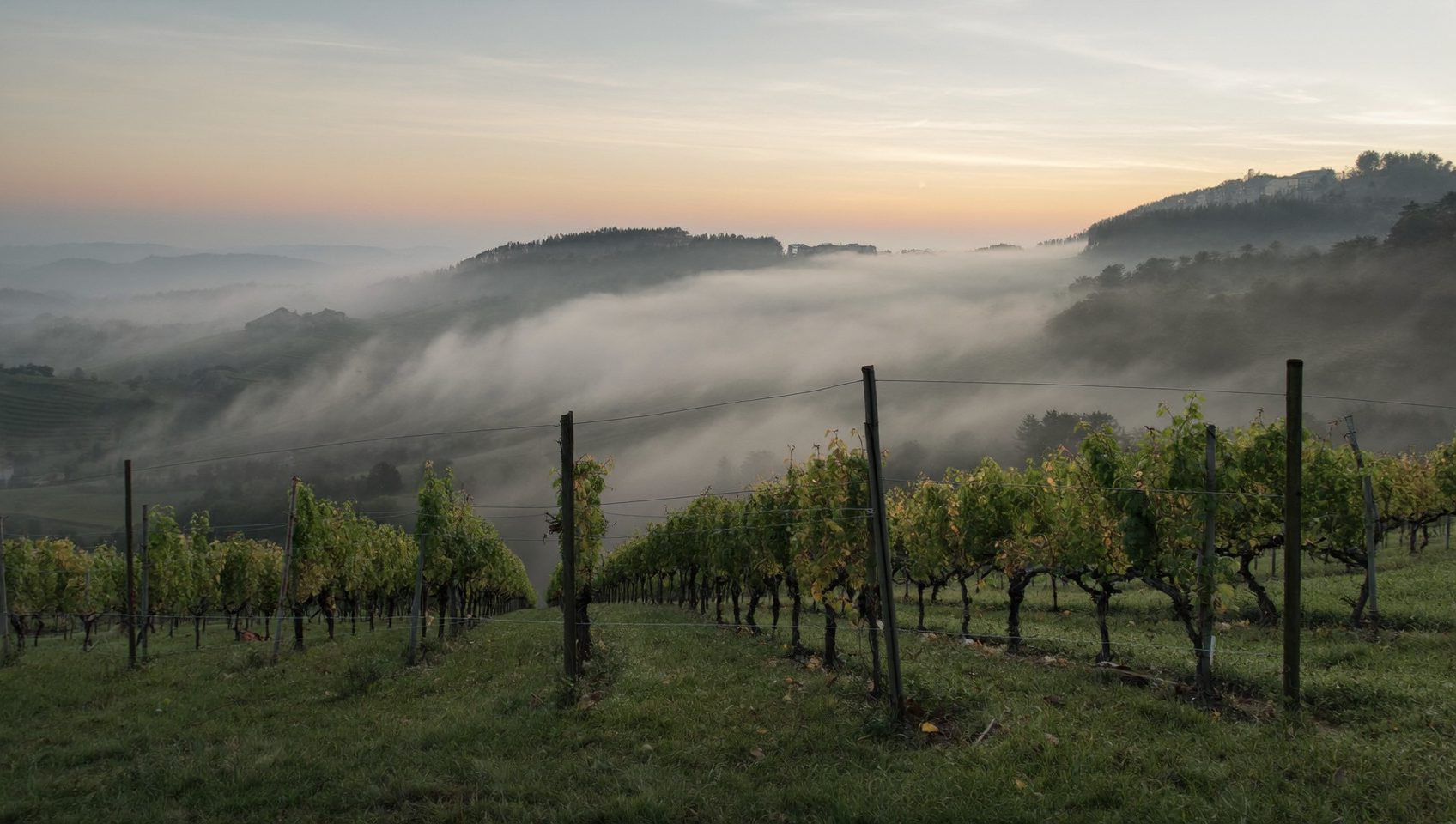
The Charmat-Martinotti method carries out the second fermentation of wine inside large pressure-tight stainless steel vessels called autoclaves, rather than in individual bottles. Devised by Federico Martinotti at the end of the 19th century and engineered on an industrial scale in the following decades (with the pioneering contribution of Antonio Carpenè, one of the founders of the Scuola Enologica di Conegliano in 1876, for its application to Veneto wines), this process preserves the primary floral and fruity aromas of the grape variety intact. For your winery, mastering the physical and microbiological variables of the autoclave means guaranteeing uniform batches, preventing stuck fermentations or sulfur reduction, and meeting precisely the technical specifications required by international buyers.
Short and long Charmat: operational and commercial differences
In the field of sparkling wine production in the winery, the first technical distinction you need to plan concerns how long the wine stays on its lees after the second fermentation is complete. Choosing between a short and a long cycle does not only change how your winery is organized and how autoclaves rotate; it also determines the organoleptic and commercial positioning of the finished product.
| Operational parameter | Short Charmat | Long Charmat |
|---|---|---|
| Primary aromatic goal | Enhancement of varietal precursors, fresh floral and fruity notes | Secondary and tertiary complexity, notes of bread crust and greater roundness |
| Lees management at end of fermentation | Rapid separation through refrigeration, isobaric transfer and filtration | Keeping lees in suspension (bâtonnage in autoclave with agitators) |
| Rotation of pressure tanks | High, ideal for constant volumes and staggered bottling over the year | Low, requires the autoclave to be out of use for several months |
| Typical reference grape varieties | Aromatic and semi-aromatic grapes (e.g. Glera, Moscato, Malvasia) | Neutral or structured grape varieties (e.g. Chardonnay, Pinot Noir, ribolla and cuvée) |
In the short cycle, as soon as the yeasts have consumed the amount of sugar needed to reach the desired overpressure and left any residual sugar the style requires, lower the temperature to stop cellular activity and proceed quickly to fining. This approach is the standard for producers making a Prosecco destined for foreign buyers. In the Prosecco DOC, where the Glera grape forms the ampelographic base (optionally blended with up to a combined maximum of 15% Verdiso, Bianchetta Trevigiana, Perera, Glera lunga, Chardonnay, Pinot Bianco, Pinot Grigio and white-vinified Pinot Nero, with a maximum vineyard yield set at 180 quintals per hectare), immediate freshness is the main parameter assessed by importers, who require a product to be consumed preferably within the year following the harvest.
In the long cycle, by contrast, once the second fermentation is over, the wine remains in contact with fine lees inside the autoclave. Using sealed mechanical agitators or re-racking under an inert atmosphere, you periodically put the yeast cells back into suspension. Autolysis releases mannoproteins, amino acids and polysaccharides that soften the effervescence, increase foam stability and reduce the perception of fixed acidity, offering a technical alternative to the traditional method at lower industrial management costs.
The base wine: chemical parameters and preparation
The success of a second fermentation in an autoclave depends on the quality and cleanliness of the base wine (or of partially fermented must, in the case of single-fermentation processes). The yeasts that will carry out the second fermentation find themselves in a hostile environment: presence of ethyl alcohol, low pH, shortage of nutrients, absence of oxygen and a progressive increase in the partial pressure of carbon dioxide.
To prepare a base wine suitable for the second fermentation, the process begins with the harvest, carried out while preserving the integrity of the berries, and with gentle pressing to extract only free-run juice, low in oxidizable polyphenols and bitter catechins. Following the practices codified by the OIV (International Organisation of Vine and Wine), when handling musts and base wines you can intervene on several critical parameters:
- Clarification and protein stability: the must should be clarified by flotation or static cold settling, using pectolytic enzymes to break down pectins, gelatins, silica or plant proteins (pea, potato) and bentonite to remove unstable proteins. However, an excess of bentonite at this stage or in the finished wine can deplete the medium of protective colloids that are useful for maintaining the perlage. For this reason, the OIV code also allows the use of yeast protein extracts or chitosan.
- Acidity and pH management: a base wine for sparkling production requires a marked fixed acidity to guarantee taste freshness and longevity. Where the climate has reduced the acid profile, you may resort to chemical acidification (with tartaric, malic or lactic acid, according to the limits of the viticultural zone) or physical treatment using electrodialysis and cation exchangers, practices regulated at European and international level.
- Sulfur dioxide control: free sulfur dioxide exerts a direct inhibiting action on the yeasts during tirage. When preparing the batch for the autoclave, the free sulfur dioxide content must be kept at the minimum levels needed for antioxidant protection, favoring the use of ascorbic acid or glutathione (including through inactivated yeasts with a guaranteed glutathione content) during the pre-fermentation and base wine storage phases to protect thiols and volatile esters.
- Filtration before the autoclave: before entering the pressure vessel, the base wine must be clear but not completely stripped. Filtration that is too tight before the second fermentation removes the physical cavitation nuclei and unsaturated fatty acids, making fermentation activity more difficult; a base wine that is too cloudy, on the other hand, generates herbaceous notes or sulfurous reduction under pressure.
All coadjuvants and additives used must scrupulously comply with EU-authorised oenological practices (governed by Delegated Regulation (EU) 2019/934), especially if the wine is intended for non-EU markets that require detailed analytical certificates at customs.
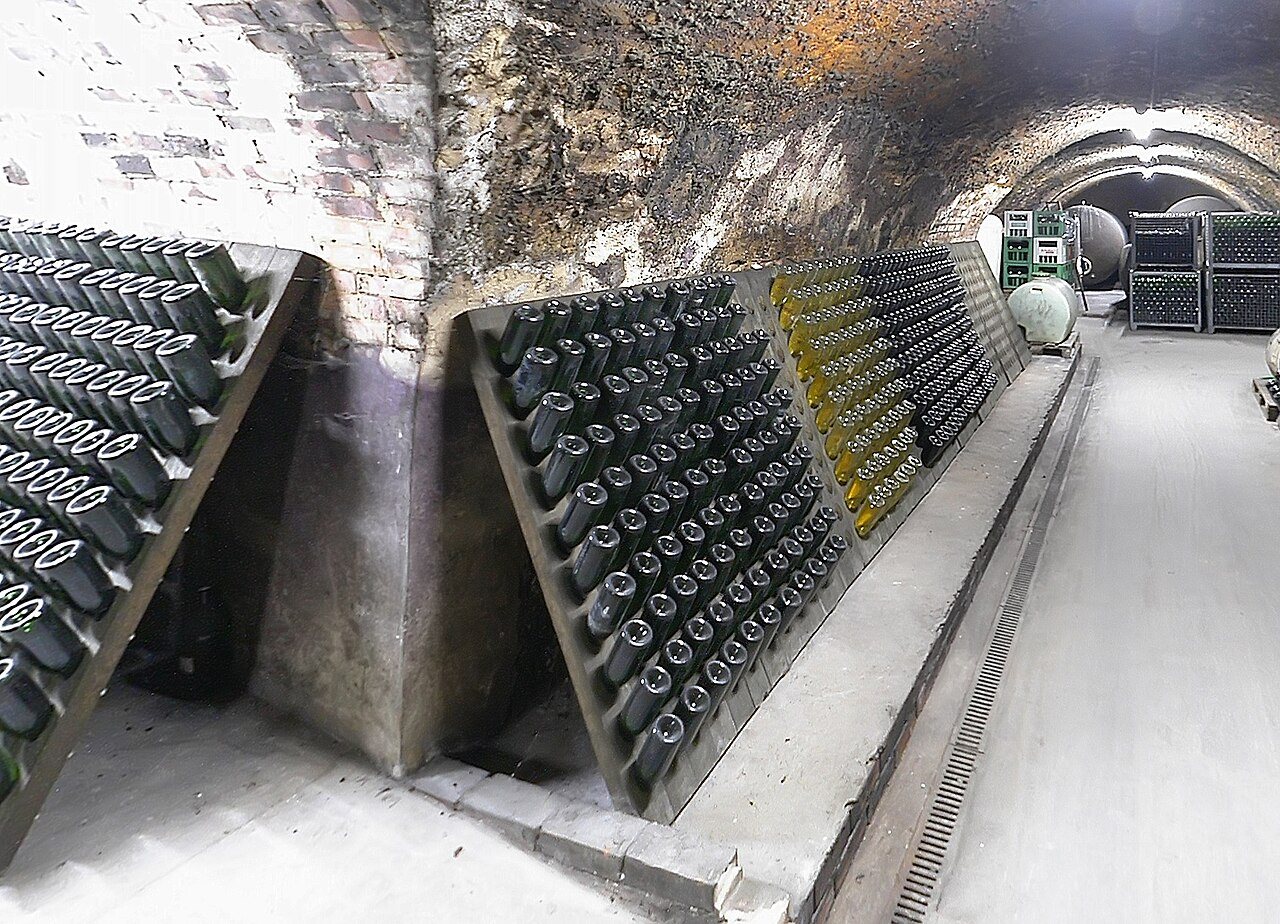
Tirage in autoclave: sugar dosage, yeasts and nutrients
When you transfer the base wine into the autoclave (the tirage or setting of the second fermentation), you must add the tirage syrup and the pied de cuve (the yeast inoculum). Sugar can be added as sucrose, concentrated must, rectified concentrated must (RCM) or by directly using a quantity of unfermented must stored cold since the harvest, a practice widely used in Italy to keep the varietal profile intact and reduce the cost of sourcing external sugar.
The stoichiometric calculation of the sugar to be added takes two factors into account: the amount of sugar that must actually be converted into alcohol and carbon dioxide to develop the desired pressure, plus the amount of sugar that must remain unchanged at the end of the process to determine the commercial category of the sparkling wine. For example, if you are producing a sparkling wine in the Extra Dry style, or a Brut or Dry, you must add the grams per litre for the second fermentation to the grams per litre of the planned final residual sugar, then stop the fermentation at the exact moment through thermal shock, or ferment everything to dryness and dose the expedition syrup (liqueur d'expédition) under isobaric conditions before bottling.
Choosing yeasts for the base wine and the second fermentation is the most delicate microbiological step. For the autoclave, strains of Saccharomyces cerevisiae (often former bayanus) are selected with precise physiological characteristics:
- Resistance to alcohol and pressure: they must multiply and ferment regularly in a medium that already has a starting alcohol content and in which pressure rises day after day.
- Low production of sulfur compounds and volatile acidity: in a closed system such as the autoclave, hydrogen sulfide (H2S) and mercaptans cannot easily disperse as they would in an open-vat primary fermentation; the strain must have a low nitrogen requirement and avoid metabolic deviations under stress.
- Cryophilic capacity: the yeast must remain active at low temperatures, which are necessary to avoid dispersing aromas and to favor the dissolution of CO2 in the liquid phase.
Before inoculation into the autoclave, active dry yeasts must never be tipped directly into the cold mass: they must go through a rehydration and progressive acclimatization phase (pied de cuve), gradually adapting them to the alcohol content, pH and temperature of the base wine. Along with the yeast, the OIV code allows the use of fermentation activators: ammonium salts or organic nitrogen (yeast hulls and autolysates) to provide readily assimilable nitrogen (YAN), and thiamine (vitamin B1) to support cell multiplication and avoid the accumulation of pyruvic acid and acetaldehyde, compounds that bind free sulfur dioxide and render it ineffective.
Pressure, temperature and duration of the second fermentation
Once the autoclave is closed and the second fermentation has started, process control is based on daily monitoring of the sugar decline curve and the simultaneous rise in gauge pressure. The autoclave is fitted with thermal conditioning jackets (glycol or chilled water) that allow you to govern the fermentation kinetics.
Keeping the fermentation temperature low and constant slows yeast metabolism but brings direct advantages for perlage quality. At low temperatures, the carbon dioxide produced dissolves more intimately into the hydroalcoholic matrix, binding to the wine's macromolecules. A fermentation carried out at excessively high temperatures, on the other hand, is rapid but generates coarse CO2, which tends to release tumultuously when the bottle is opened, leaving the wine quickly degassed in the glass (for wines such as Prosecco, it should be served in a wide tulip glass at a temperature of 6-8 degrees, precisely to highlight the fine perlage without penalizing the aromatic profile).
The overall duration of the cycle in the autoclave depends on the set temperature, the vigor of the yeast strain, the target overpressure (which technically and fiscally distinguishes frizzante wines from true sparkling wines) and the time spent on lees required by your winery protocol or the denomination's regulations. When the chemical analysis of the sample taken from the autoclave confirms that the set alcohol content and residual sugar have been reached, fermentation is halted through physical procedures: the autoclave temperature is drastically lowered, bringing the mass to values close to or below zero. The cold causes an immediate quiescence of the yeasts and starts their sedimentation on the conical bottom of the tank.
Tartaric stabilization, filtration and isobaric bottling
Once the second fermentation is complete, the raw sparkling wine must be made clear and tartrate- and microbiologically stable before going into bottle, always operating under a counter-pressure of inert gas (nitrogen or carbon dioxide) so as not to lose the pressure it has acquired.
Tartaric stabilization prevents the precipitation of potassium bitartrate or calcium tartrate crystals in the finished bottle, a visual defect that importers and foreign retail chains systematically reject. This can be achieved physically, using the same cold treatment at the end of fermentation in the autoclave to precipitate the insoluble tartaric salts, or by using stabilizing additives permitted by the OIV and by EU Regulation 2019/934, such as metatartaric acid, cellulose gums (carboxymethylcellulose - CMC), yeast mannoproteins or potassium polyaspartate, after assessing the compatibility of each coadjuvant with foam stability and wine clarity.
The wine is then separated from the coarse lees and sent to isobaric filtration. The transfer takes place between two autoclaves (one at departure and one at arrival, both brought to the same pressure with inert gas) through diatomaceous earth filters, cartridge filters or isobaric tangential microfiltration plants. Before entering the filler, the sparkling wine passes through a final battery of sterile microporous membranes that retain any residual yeast cell or bacterium. This step is vital for sparkling wines with residual sugar (Extra Dry, Dry, Demi-Sec, or sweet sparkling wines from aromatic grapes), where even a few viable cells in the bottle would trigger unwanted refermentation on the shelf, cloud the wine and alter its internal pressure.
Bottling takes place on isobaric lines: the bottle is first pressurized with inert gas to the same level as the feed autoclave, filled by gravity without creating foam (also thanks to keeping the wine at low temperature during filling), levelled, degassed in the headspace, and immediately corked and caged.
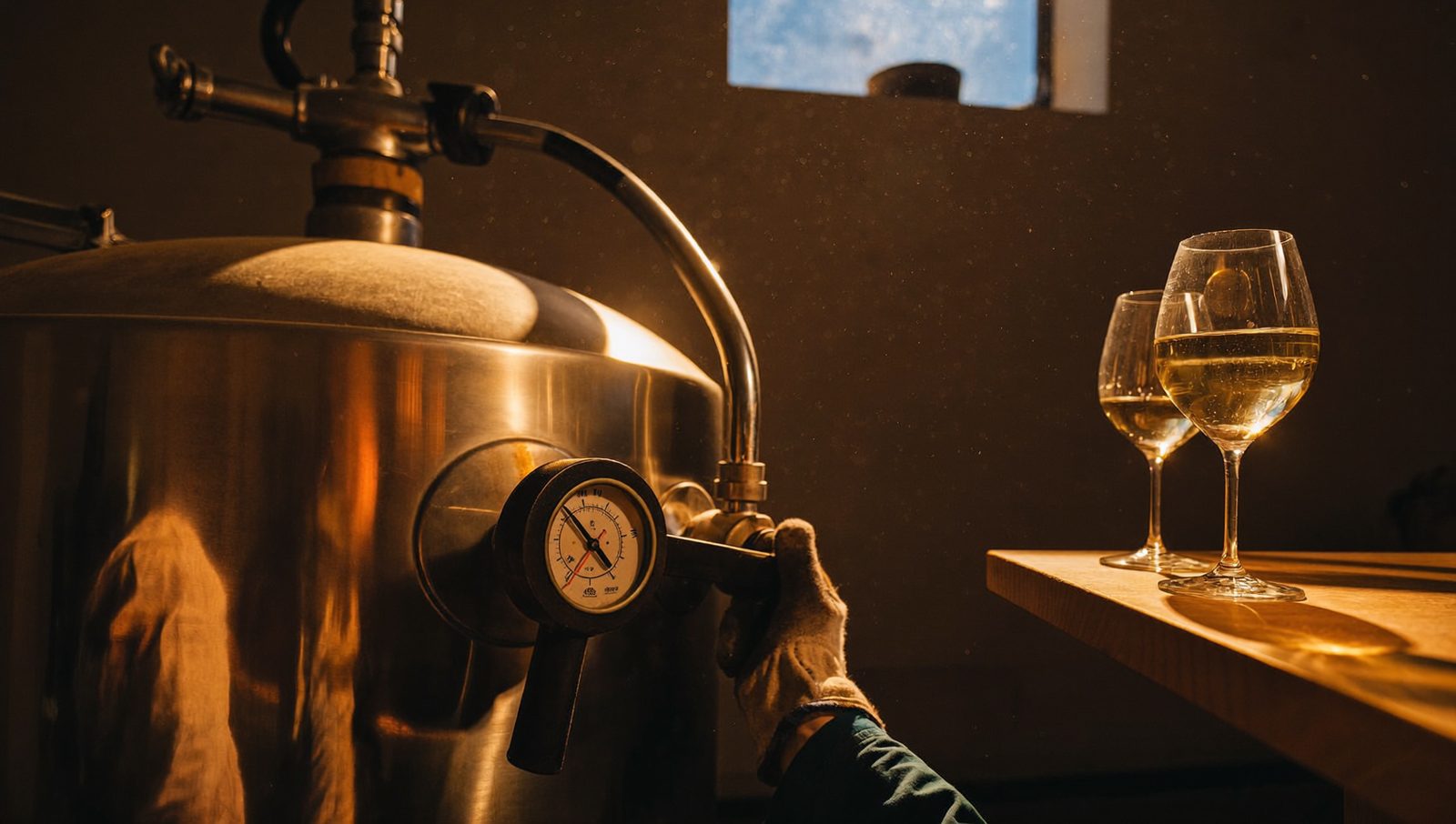
Common autoclave mistakes and how to prevent them
In day-to-day winery work, managing the Martinotti method presents recurring technical pitfalls that can compromise the marketability of an entire batch destined for export:
- Appearance of reduction odors (H2S and mercaptans): this is the most frequent defect in the autoclave. It arises from a shortage of assimilable nitrogen (YAN) in the base wine that is not compensated at tirage, from excessive turbidity of the base wine containing elemental sulfur residues from vineyard treatments, or from prolonged lees contact without adequate movement. Prevention requires analytical measurement of YAN before tirage and targeted nutrition with organic nitrogen and thiamine.
- Stopping or slowing of the second fermentation: this occurs when the pied de cuve suffers a thermal or alcoholic shock at the moment of inoculation into the autoclave, or when the free sulfur dioxide of the base wine is too high. Restarting an autoclave that has stalled midway through pressure build-up is complex; it is essential to monitor the balance between alcohol, pH and temperature during preparation of the inoculum.
- Loss of foam retention and coarse perlage: often caused by overuse of bentonite or decolorizing carbon on the must or base wine, which strips the liquid of surfactant proteins and glycoproteins, or by pre-bottling filtration that is not properly managed. Targeted addition of yeast hulls or protein derivatives during autoclave maturation helps rebuild the colloidal reserve.
- Oxidation during isobaric transfers and bottling: if pipework, filters and the receiving autoclave are not beforehand saturated with pure inert gas (nitrogen or food-grade CO2), the cold wine rapidly absorbs dissolved oxygen. Oxygen oxidizes phenolic compounds and terpenes, shifting the colour towards golden or amber tones and flattening the aromatic profile within a few weeks of bottling.
Frequently asked questions
What is the difference between the Charmat and Martinotti method?
There is no difference in the oenological principle: both terms refer to sparkling production in large pressure-tight vessels (autoclaves). The method was invented and patented in Italy by Federico Martinotti at the end of the 19th century; a few years later, the Frenchman Eugène Charmat designed and spread autoclaves equipped to apply the process on an industrial scale, which is why the two names are used as synonyms in international markets.
Why is the autoclave preferred over the bottle for aromatic and semi-aromatic grape varieties?
Grape varieties such as Glera, Moscato or Malvasia owe their commercial value to primary aromas (terpenes, thiols, fruity and floral esters) already present in the grape or formed during the first fermentation. The short, low-temperature autoclave method allows the wine to be bottled right after the second fermentation, preserving this varietal freshness intact without it being covered by the yeast and autolysis notes typical of long ageing in bottle.
How is final residual sugar managed in an autoclave?
In the winery you can follow two operational routes: the first consists of adding all the sugar to the tirage (the amount needed to develop pressure plus the amount that will make up the residual sugar) and stopping fermentation by lowering the autoclave temperature once the yeasts have reached the desired value; the second involves fermenting the base wine completely to dryness and adding the dosage syrup under isobaric conditions just before sterile filtration and bottling.
How long can a sparkling wine produced with the short Charmat method last?
Sparkling wines made with the short Martinotti method, designed to express fresh floral and fruity notes like Prosecco DOC, are at their peak when young and should preferably be consumed within the year following the harvest. Sparkling wines made with the long Charmat, thanks to the extraction of mannoproteins and reducing compounds from yeasts in autolysis, instead have considerably greater commercial longevity and resistance to oxidation.
Sources
- Chianti Classico DOCG: Zone, Sangiovese, Gran Selezione, UGA
- Cannonau di Mamoiada wineries: sales and export markets
- Collio DOC: Zone, Grapes, Collio Bianco, Riserva, Rules
- Bonarda wine: three different wines under one name
- Valpolicella grape varieties: Corvina, Corvinone, Rondinella
- Bolgheri DOC production, wineries and prices for importers