Fortified, passito and late harvest wine: categories, excise and export sales
Wines Export Editorial · Last updated:
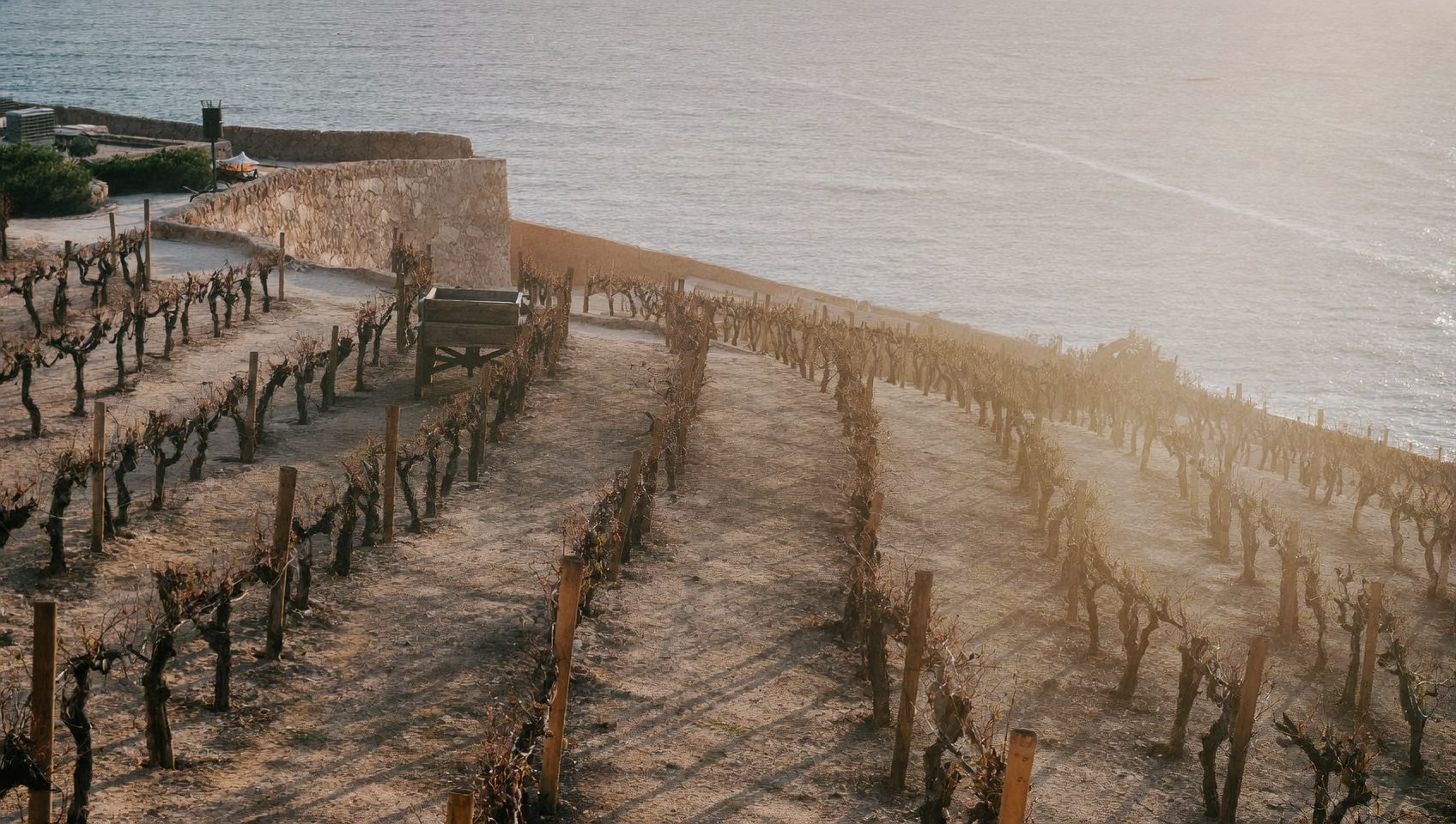
Fortified wine is a wine to which alcohol of wine origin is added, while passito is made from grapes left to dry before winemaking. These are two different categories, and an importer distinguishes them on the document and at customs. The excise also differs: the EU excise directive sets a higher minimum for intermediate products, such as port and sherry, than for still wine. This page explains the categories, the thresholds to verify and the markets that buy sweet wines. For customs classification, see HS codes 2204 and customs classification of wine.
Fortified, passito, overripe, late harvest: the differences
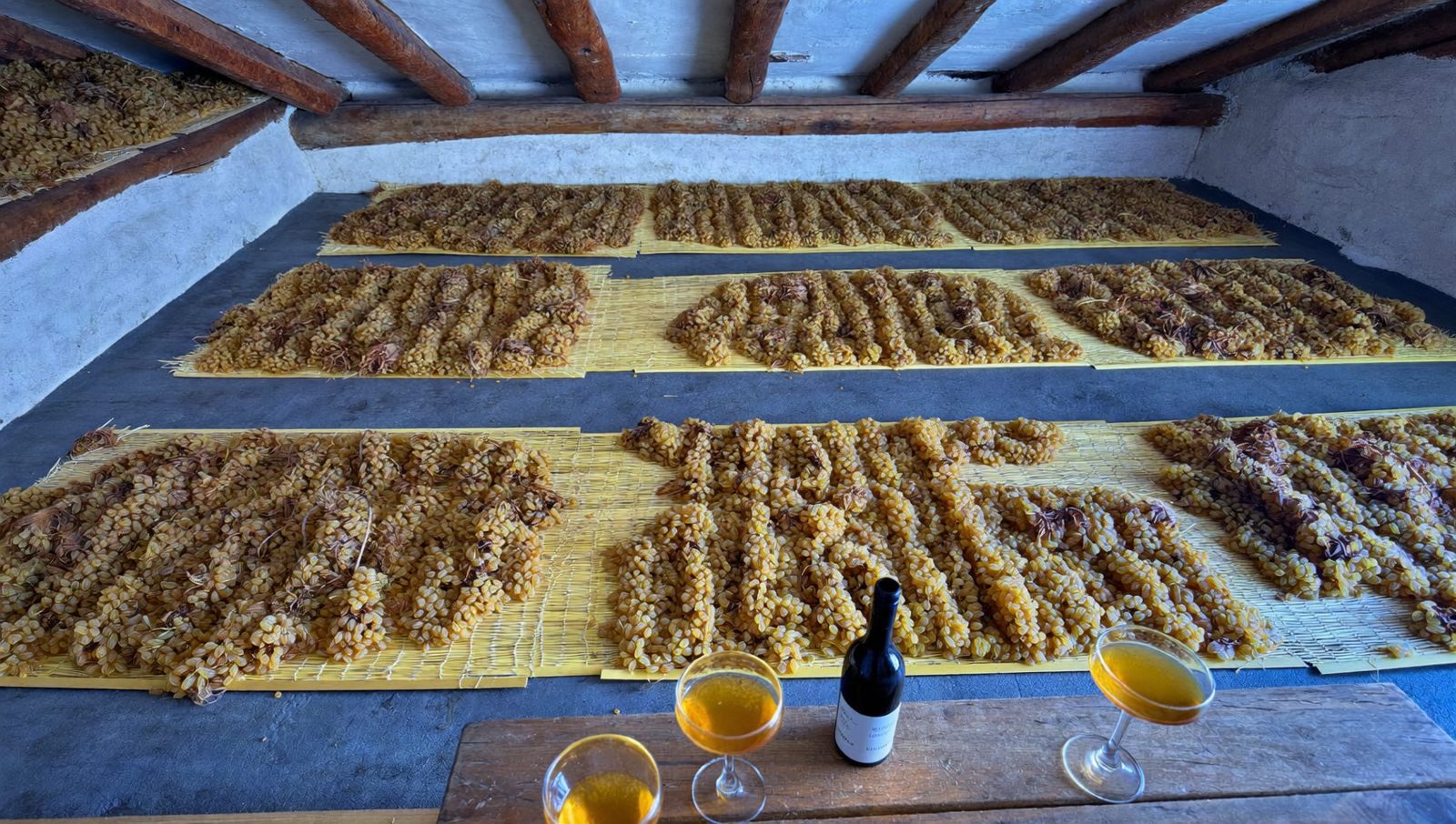
Four terms are often used as synonyms, but they describe different processes. Fortified wine is a product to which alcohol is added during or after fermentation, and the result has a higher alcohol content than still wine. Passito comes from drying: the grapes lose water on racks, in a drying room or on the vine, and the sugar becomes concentrated in the berry. Late harvest refers instead to the time of picking, later than standard ripeness, and can produce a sweet wine without the grapes having been dried. Overripe describes grapes left on the vine beyond ordinary maturity.
The precise definitions, with the minimum sugar and process requirements, are in the EU regulation on the common organisation of the wine market. Before writing a category on a label, technical sheet or contract, read the official text and compare it with the analysis certificate of your wine. A category error weighs more than a style error, because the buyer takes it back to customs and to their own quality office.
| Category | How it is obtained | What to check before export |
|---|---|---|
| Fortified wine | Addition of alcohol of wine origin during or after fermentation | Declared alcohol content and classification as an intermediate product in the destination country |
| Passito | Drying of the grapes before winemaking | Drying method, residual sugar and name of the designation |
| Late harvest | Picking at a stage later than standard ripeness | Harvest date in the winery register and consistency with the technical sheet |
| Overripe | Grapes left on the vine beyond ordinary maturity | Correct entry in the production rules, if the wine provides for its use |
The most widely known Italian designations: how they appear to the buyer
Foreign audiences know some names and associate them with a specific category, even though the designation covers more than one type. Marsala is the typical case of a fortified wine, and the buyer compares it with other fortified wines. Vin Santo is a Tuscan passito, and buyers who purchase it immediately ask about the drying method and ageing. Passito di Pantelleria is made from grapes dried in the sun on the island, while Recioto is a passito from Valpolicella and Veneto. Picolit and Sciacchetrà are niche sweet wines, and for this reason the product sheet matters more than the name's reputation.
For some of these names we have dedicated pages, and a buyer arriving from a search engine can move directly from one to another. Vin Santo: what the foreign buyer needs to know explains the path from vineyard to price list. Passito friulano: what the foreign buyer needs to know covers the same type from another area. Sciacchetrà: what the foreign buyer needs to know is the page to read if your wine comes from the Ligurian Riviera.
Excise: what the EU directive says about sweet wines
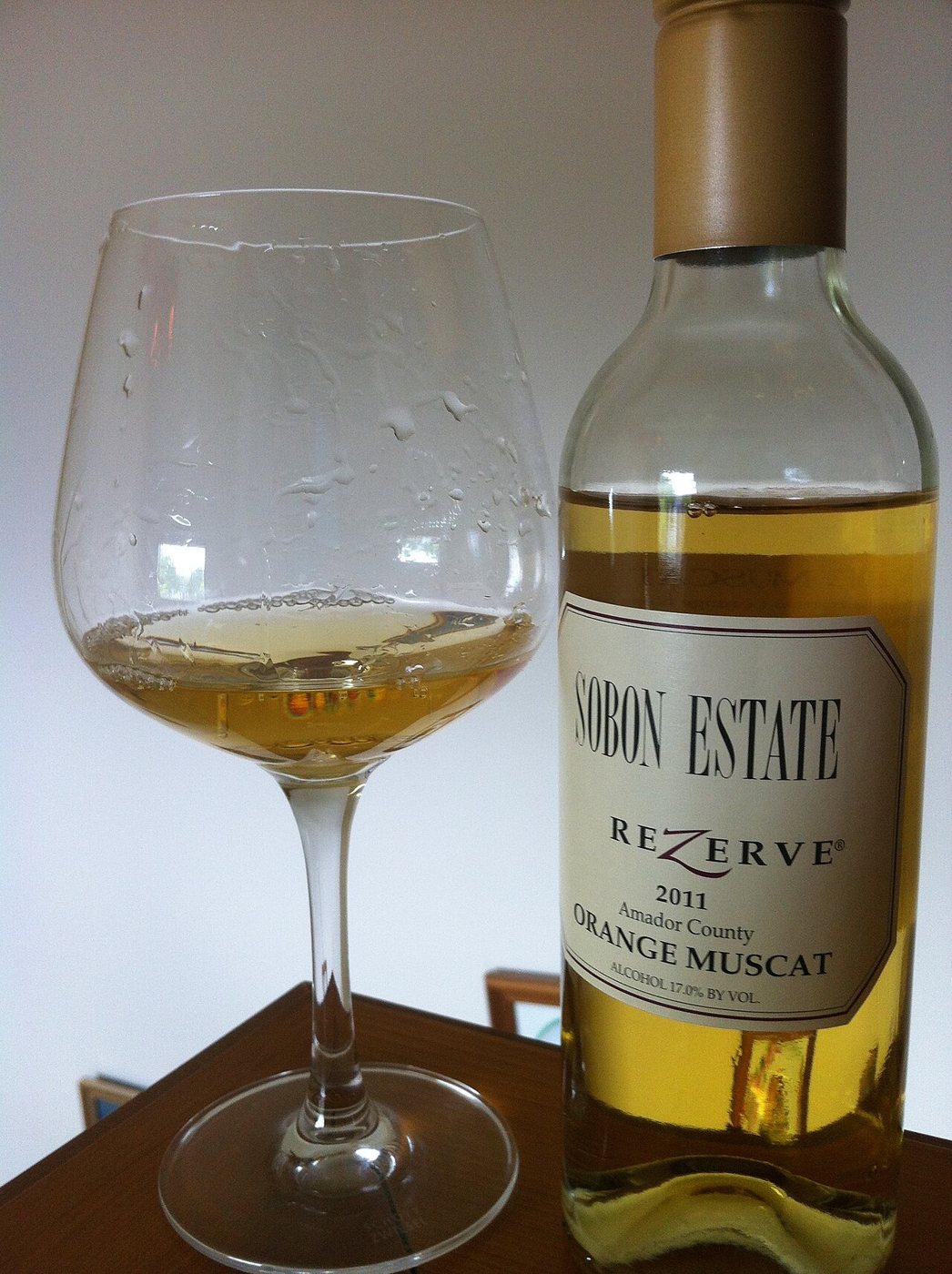
Alcohol excise duties in the European Union are harmonised in terms of structure and minimum rates. Directive 92/83/EEC sets the excise structure and the categories of alcoholic beverages subject to it, and Directive 92/84/EEC fixes the minimum rates for each category. Directive 92/83/EEC was amended by Directive 2020/1151, applicable from 1 January 2022. Member states may apply rates above the minimums, so the figure to use in calculations is the national one of the destination country.
For beverages of interest to a wine producer, the European Commission's table of minimums lists three separate items. Still and sparkling wine has a minimum of zero euro per hectolitre of product. Intermediate products, such as port and sherry, have a minimum of 45 euro per hectolitre of product. Spirits have a minimum of 550 euro per hectolitre of pure alcohol. Moving from still wine to an intermediate product therefore changes the applicable minimum, and your fortified wine must be checked against the classification applied in the destination country.
| Product | Unit of calculation | EU minimum |
|---|---|---|
| Still and sparkling wine | Hectolitre of product | zero euro |
| Intermediate products (for example port and sherry) | Hectolitre of product | 45 euro |
| Spirits | Hectolitre of pure alcohol | 550 euro |
The directive also provides for reduced rates for certain Greek, Italian and Portuguese regions. We have not reported specific amounts or regions here: if your wine falls under one of these cases, check the text of Directive 92/84/EEC and the national schedule before presenting the price to the buyer. The page on excise on wine in export collects the operational steps for the most frequent countries.
Formats and price per centilitre: how an importer reasons
A sweet wine is often sold in smaller formats than still wine, because it is consumed in small quantities and at the end of a meal. The importer, however, reasons in cost per unit of sale, not price per bottle. Excise is calculated on the volume of the product, so at equal litres the tax cost is the same, while the distributor's margin changes with the format and the channel.
When you prepare the price list, state the ex-cellar price and the format, and leave the calculation of excise and transport for the destination country to the importer. A passito in a small format may have a price per centilitre higher than still wine in a standard bottle, and this should be explained through the technical sheet and the product story. A buyer who understands why the price is high has the elements to assess it and explain it to their own customers.
Which markets buy sweet wines and through which channel
Northern Europe, Japan and the United States are often cited as markets for sweet and dessert wines, but the figure must be verified country by country before building a sales plan. A reliable method is to read import data by customs heading, checking which headings contain the wines you are interested in. International statistical databases, such as UN Comtrade, allow flows to be compared by country and by year.
The channel matters as much as the country. The sales channel changes the sheet you need. A buyer purchasing for restaurants asks for a bottle that can be presented in a few sentences and a precise pairing; a buyer purchasing for a wine shop asks for the producer's story and storage data.
How to present a passito in the price list and technical sheet
The technical sheet of a passito must state what the buyer cannot taste before ordering. Indicate the category according to the production rules, the alcohol content, the residual sugar expressed according to the laboratory's analysis method, the grapes and the drying technique. Add the format, the serving temperature and the shelf life after opening, because the buyer must answer the restaurateur's questions.
In the price list, keep categories separate. A fortified wine and a passito do not belong in the same list, because the buyer compares them with different products and the excise differs. Passito friulano: what the foreign buyer needs to know shows how to set up a sheet for one drying style, while Vin Santo: what the foreign buyer needs to know covers the case of a wine with long ageing.
Frequently asked questions
What is the difference between fortified wine and passito?
Fortified wine receives added alcohol during or after fermentation, while passito is obtained from grapes dried before winemaking. They are different categories, with requirements and excise that can differ. The buyer distinguishes them on the document and at customs.
Is a late harvest wine always a passito?
No. Late harvest refers to the time of picking, later than standard ripeness, and does not necessarily require drying. To know whether your wine falls into a category, check the production rules and the technical sheet.
Is excise on sweet wines higher than on still wine?
In the EU table of minimums, intermediate products such as port and sherry have a higher minimum than still wine, expressed per hectolitre of product. Member states may apply higher rates, so the calculation must be made under the national legislation of the destination country.
Which customs codes does the buyer use for a sweet wine?
The customs classification of wine is based on headings of the Combined Nomenclature. The page on HS codes 2204 and the customs classification of wine explains how to read the heading and which documents support it.
Sources
- Regulation (EU) No 1308/2013, common organisation of the markets in wine, EUR-Lex
- Italian Customs and Monopolies Agency (ADM), national excise rates
- EUR-Lex, Directive 92/83/EEC on the structures of excise duties on alcohol and alcoholic beverages
- EUR-Lex, Directive 92/84/EEC on the rates of excise duty on alcohol and alcoholic beverages
- EUR-Lex, Directive (EU) 2020/1151 amending Directive 92/83/EEC
- European Commission, Excise Duties on Alcohol
- Kosher Wine Export: Certification, Costs and Buyers
- International grapes in Italy: Merlot, Chardonnay, Syrah
- Lagrein: Grape, Alto Adige DOC, Kretzer, Riserva and UGA
- Vineyard Insecticides: Permitted Products, Targets, Timing
- Barolo vs Barbaresco vs Langhe Nebbiolo: importer guide
- How to make rosé wine: saignée, direct pressing, maceration