Kosher wine for export: what changes in the winery, what it costs and who is buying
Wines Export Editorial · Last updated:
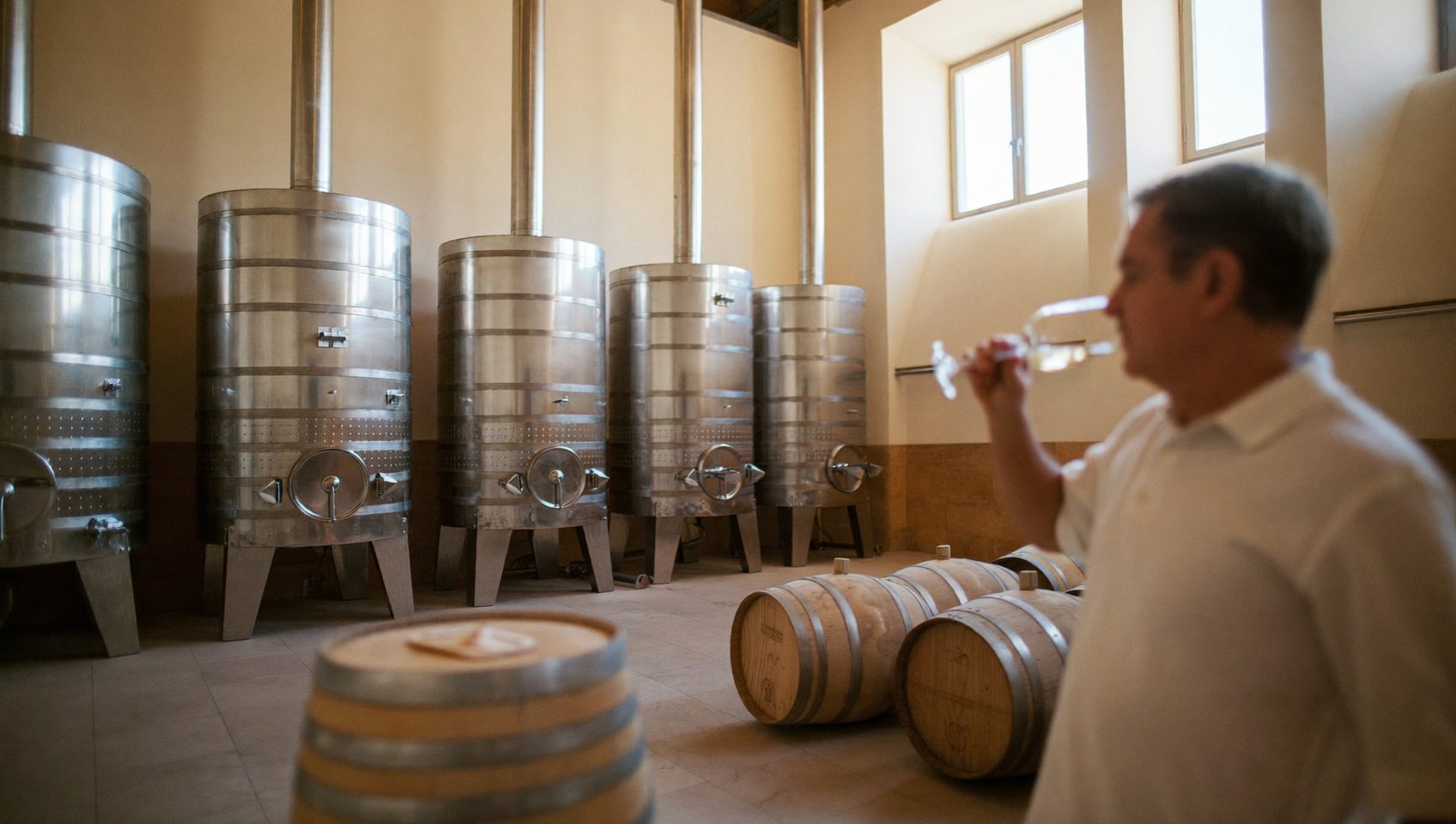
To sell Italian wine to an Israeli importer or to Jewish communities in the United States, France and the United Kingdom, the wine must carry a recognised kosher mark. Certification is not a label applied at the end: it covers ingredients, processing aids, equipment and the people working in the cellar, and it must be agreed with a certifying body before the harvest. Among the known bodies are OU Kosher, OK Kosher and STAR-K. OU Kosher, for example, states that it supervises every stage of production, from raw materials to equipment and facilities. Costs are not published on their pages and must be requested case by case. This article explains what changes in winemaking, which bodies to choose and which markets require it, together with the documents and technical sheet that the buyer expects from the winery.
What makes a wine kosher: the rules in the cellar
Kashrut is a set of norms of Jewish origin that governs not only ingredients but also how food is prepared, processed and handled. For wine the key point is this: a wine is not kosher because a rabbi blesses it, as is sometimes said. Wine is kosher if the entire chain, from crushing to bottling, follows the rules, and if no non-kosher additive enters the process. A producer of kosher wine must therefore consider every step, not only the finished product.
The areas to verify with the body are four:
- the raw materials and the oenological products added, with their documentation;
- the equipment and containers, including barrels, corks and caps;
- the people who handle the wine, particularly in the phases when the wine is most exposed;
- the labelling, which must show the symbol of the certifying body.
The principle of continuous supervision is central. The body does not check the wine once: it provides for a periodic presence or verification in the cellar, entrusted to a supervisor. For the winery this means having a calendar and a contact person to involve before the grapes arrive.
Mevushal and non-mevushal: the difference that matters for retail
The term mevushal denotes a wine subjected to a specific treatment that allows even non-observant people to pour and handle it without making the wine non-kosher. It is the distinction that matters for the retail channel and for the restaurant trade, because in many venues and on shop shelves the wine is opened and served by staff of different religious convictions. Non-mevushal wine instead requires that handling be done by observant people, with heavier operational consequences.
The certifiers describe mevushal as a pasteurisation placed at a precise point in production. The OU explains that some wineries pasteurise the juice after filtration and that from then on it may be handled by non-Jews, adding that finer wines tend not to be mevushal because the heating affects the taste; STAR-K specifies that a full team of observant staff is needed only until the wine is pasteurised in a way that meets the mevushal requirement. The choice between the two versions must therefore be decided together with the body before the harvest, because it changes the sequence of processing, not just the label. If your buyer sells to restaurants, ask explicitly which version they need.
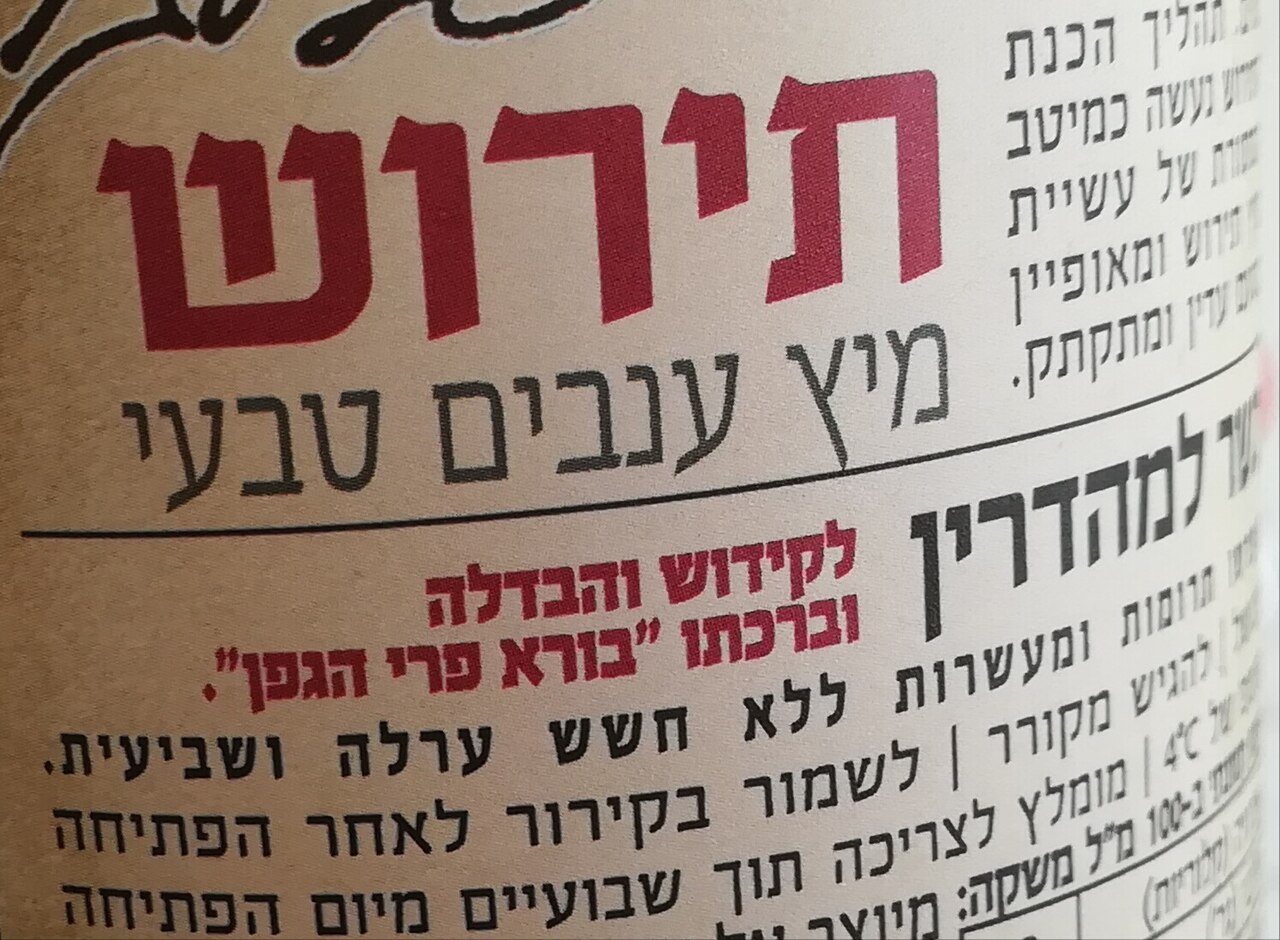
Who certifies and how to choose the body
The main certifiers with an English-language website are three. Each has a different profile, and the choice depends on where you sell and which symbol your buyer recognises. The symbol matters: an American importer and an Israeli one may ask for different marks.
| Body | Figure stated on the body's website | What to check before choosing |
|---|---|---|
| OU Kosher (Orthodox Union) | Active since 1923, with over 1.3 million certified products worldwide | Presents itself as the most recognised kosher symbol for a century; database of ingredients and co-packers |
| OK Kosher | Active since 1935, with more than 600,000 certified products and representatives in 99 countries | Guided onboarding process and dedicated contacts for companies |
| STAR-K | Over 50 years of kosher supervision | Dedicated category for spirits and beverages, and the STAR-S programme for the Sephardic community |
None of the three bodies publishes a fee on its website. For this reason the table contains no cost figures: these must be requested from the body, which calculates them based on the winery and the product. The comparison must also consider reputation with the buyer: a symbol little known in the target market may require a second mark or an extra explanation.
When you choose, verify three things. The first is whether the body accepts your type of winery, with seasonal production and several references. The second is whether it provides a stable contact person, because the supervisor will be in the cellar on processing days. The third is whether the mark is recognised in the market where you sell, and you should ask the buyer before signing.
Costs, timing and harvest organisation
The bodies do not publish amounts, and it is not correct to estimate them without a quote. The items to have quoted are four: the supervision fee, any travel expenses of the supervisor to your winery, the review of oenological products and processing aids, and the management of the mark on the labels. Also ask whether the cost changes between mevushal and non-mevushal wine and for each reference.
Timing is a hidden cost that should not be underestimated. A harvest that starts without the supervisor ready can force you to postpone processing or discard a batch. The calendar should be agreed with the body several weeks in advance, indicating the planned harvest dates, the crushing and fermentation phases, bottling and the moment the wine leaves the winery. If the winery also works with grapes bought from third parties, it must be verified that those suppliers respect the same conditions.
For planning, it is advisable to keep a register of the products used, with the technical sheets and certificates of the suppliers. When the body asks for it, the documentation must be ready and legible, otherwise the check will take longer.
Processing aids and permitted oenological practices
A delicate part concerns processing aids. Fining agents, meaning those used to stabilise and clarify the wine, are a critical point: a substance of animal origin or a product containing a non-permitted derivative can render the entire batch non-kosher. For this reason your winemaker must provide the body with the sheet of every product, including those of mineral and vegetable fining agents, with the complete composition.
Less obvious elements must also be checked. STAR-K's guide to kosher wine requires barrels to be either new or confirmed kosher and kosher for Passover, because many are made with a flour paste that is kosher but also chametz, and requires corks and caps to be kosher for Passover as well. Do not assume that a product is acceptable just because it is used throughout the winery: ask for written confirmation.
Permitted oenological practices also change depending on the destination market. If the wine goes to several destinations, the choice of treatment must be made with all destinations in mind, because acceptance rules may differ. For the general framework we refer to permitted oenological practices for export to the USA and Japan, and for fining agents to bentonite, PVPP and vegetable proteins with dosages.
Who buys Italian kosher wine: Israel, USA, France
The sources listed below do not quantify the kosher wine market by country. For an Italian producer the operational point is different: finding the importer or distributor who knows the symbol required in their country and can manage the certification. For Israel, the United States, France and the United Kingdom, the first step is to ask the buyer which mark they accept, before starting production.
STAR-K writes that neither it nor other international certifications certify or allow Israeli wines from the shmita crop, the agricultural sabbatical year, even when they are made under arrangements such as the Otzar Beis Din or the Heter Mechira. This is not a rule that directly concerns Italy, but it shows how much the certifier's judgement counts beyond the label alone. Ask the buyer which body they accept, and do not assume that one mark is valid everywhere.
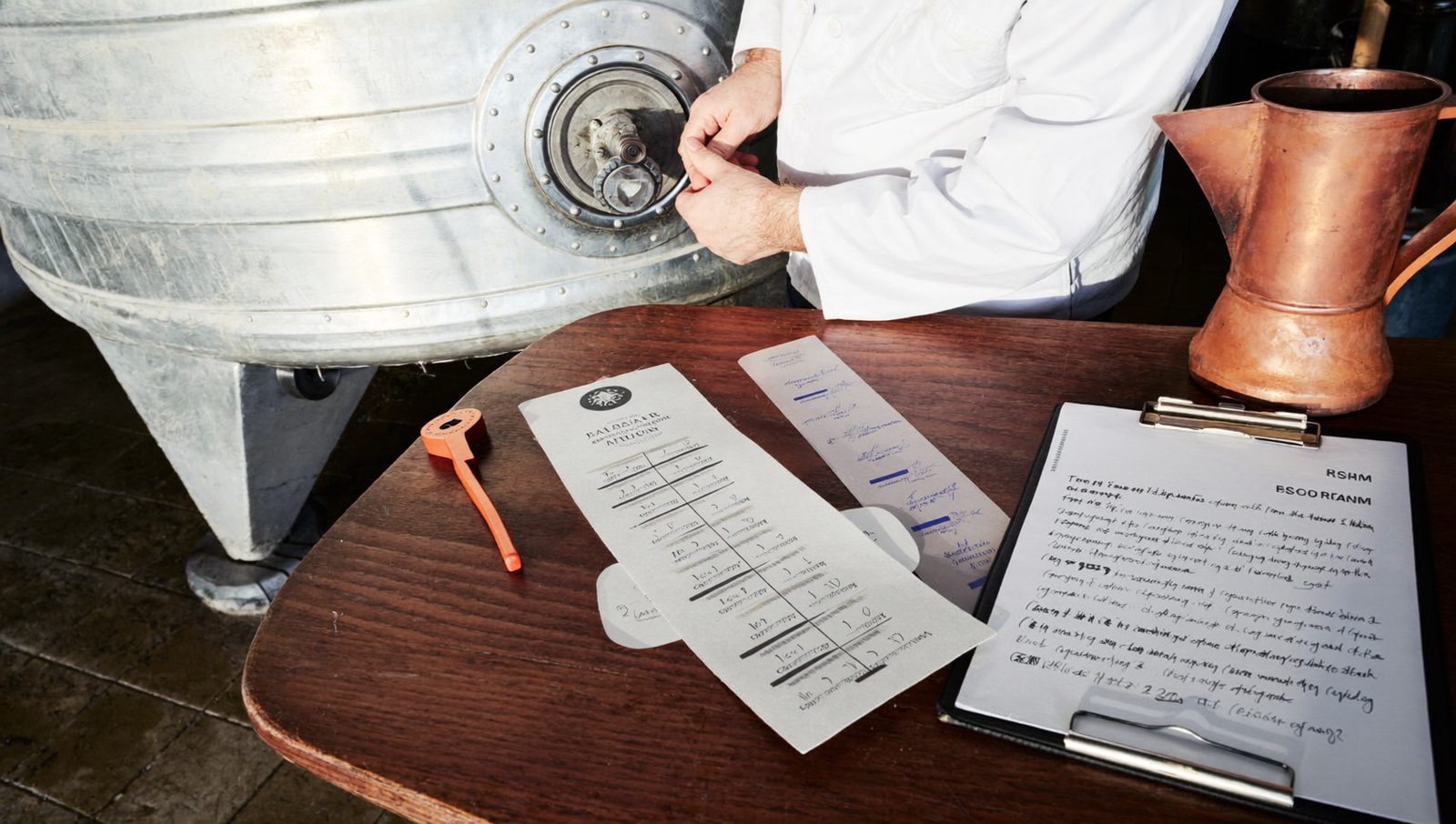
It is advisable to prepare in advance three documents the buyer will request before an order: the certificate from the body with its validity period, the wine's technical sheet with the declared processing aids, and confirmation that the reference is the certified one. For details on the documents an American importer expects, we refer to how to choose wine importers in the United States. If the winery does not yet have a complete technical sheet, that is the first task to complete, before contacting the bodies.
Frequently asked questions
Can an Italian wine become kosher without a rabbi in the cellar?
Certification requires supervision by the body, and the supervisor must be able to verify the processing stages. Wine does not become kosher through a generic blessing: the entire chain must follow the rules and the products used must be accepted. Agree with the body the modalities of presence in the cellar before the harvest.
What is the difference between mevushal and non-mevushal wine?
Mevushal wine undergoes a treatment that allows non-observant people to pour and serve it without making it non-kosher. In non-mevushal wine, handling requires observant people. The choice affects processing and the sales channel, so it must be decided with the body before the harvest.
How much does kosher certification cost for a winery?
The bodies do not publish fees on their websites. The cost depends on the winery, the references and the processes, and must be requested through a written quote that separates supervision, travel and review of oenological products.
Which body should I choose to sell in the United States?
It depends on the mark your buyer recognises. OU Kosher presents itself as the most recognised kosher symbol, while OK Kosher and STAR-K have their own profiles and services. Ask the importer which symbol they accept before choosing.
Sources
- Lagrein: Grape, Alto Adige DOC, Kretzer, Riserva and UGA
- Italian Fortified and Passito Wines: Categories and Excise
- Barolo vs Barbaresco vs Langhe Nebbiolo: importer guide
- International grapes in Italy: Merlot, Chardonnay, Syrah
- Wines Near Rome: Frascati, Cesanese and Castelli Romani
- Vineyard Insecticides: Permitted Products, Targets, Timing