Wine zones near Rome: Frascati, Castelli Romani, Cesanese del Piglio, Cerveteri, Terracina — denominations, styles, production and why importers ask for them
Wines Export Editorial · Last updated:
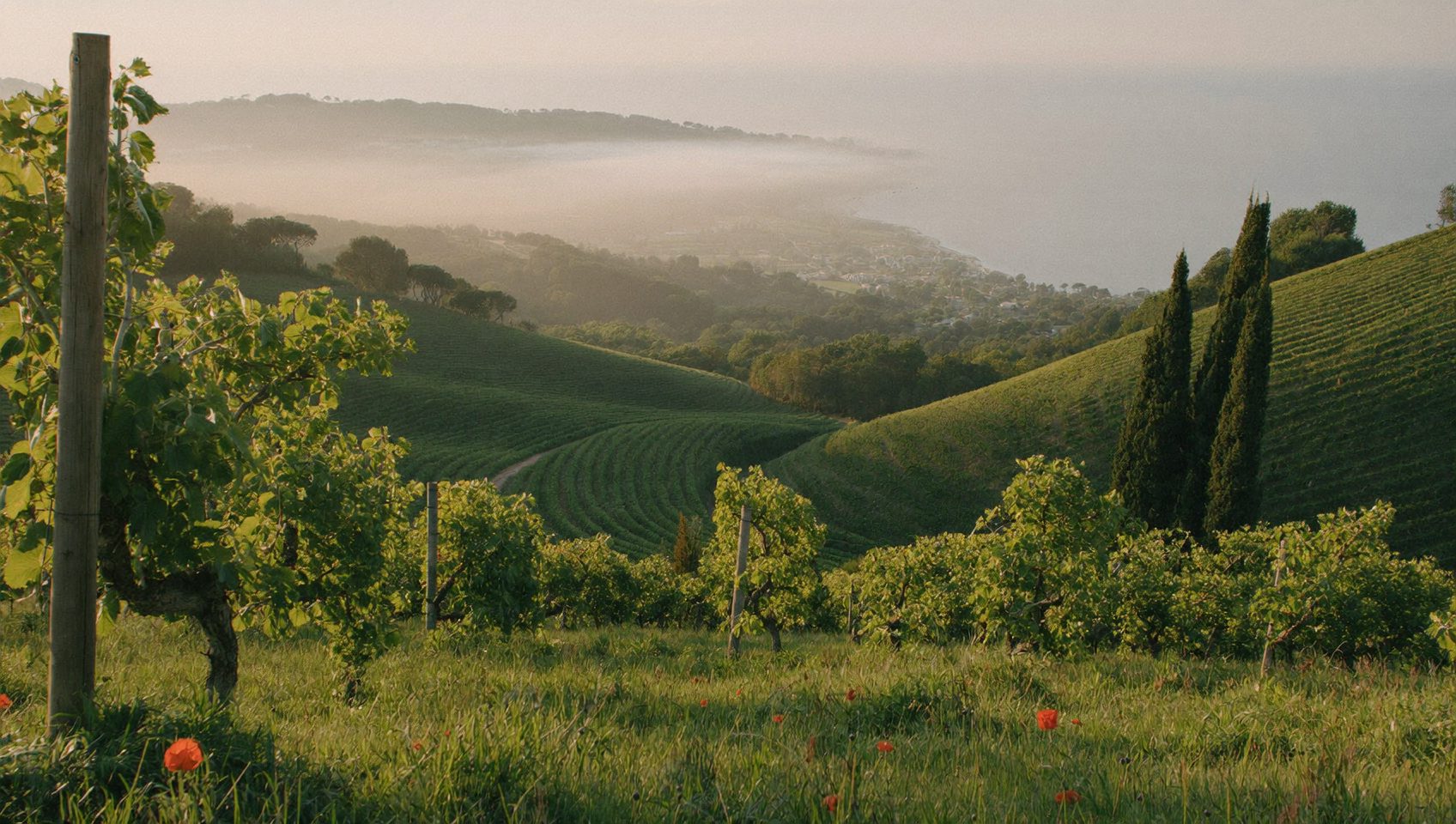
When you offer wines produced in the areas surrounding the Italian capital to a foreign importer, you are answering a very specific commercial question: how to link the immediate recognition of Rome with certified territorial denominations on volcanic, limestone and coastal soils. For your wineries, a clear map of the basin around the city makes it possible to differentiate your offer between the historic whites of the Castelli Romani, the indigenous reds of the Ciociaria hinterland and the Tyrrhenian productions. International operators are now looking for references with a clear varietal identity, able to fit into the wine lists of contemporary restaurants and specialist selections. This guide analyses the individual zones around Rome, the wine styles in demand and the selection criteria applied by foreign distributors.
Rome and its wine zones: the geography for buyers
An international buyer who lands in Rome or who is looking for Lazio references for their portfolio does not think in terms of municipal administrative boundaries, but in terms of pedoclimatic corridors and sourcing logistics. Presenting your winery within a precise geographic quadrant helps your counterpart immediately understand the organoleptic profile of the wines and their positioning relative to the rest of central Italy. Those who first want an overview of the entire region can consult the guide to wine export from Lazio, while those operating within the metropolitan boundaries will find a dedicated focus on the page on Rome wine, wineries and export.
Around the urban belt, four main quadrants can be distinguished, each characterised by its own geological matrix and by reference grape varieties well codified in the specifications registered with the Ministry of Agriculture, Food Sovereignty and Forestry:
- South-eastern quadrant (Colli Albani and Castelli Romani): dominated by the ancient volcanic system of Lazio, with soils rich in potassium, phosphorus and stratified ash (pozzolane and tufa). It is the historic cradle of white-grape viticulture linked to the varieties Malvasia del Lazio (Puntinata), Malvasia Bianca di Candia, Bellone, Bombino Bianco and Trebbiano.
- Eastern and inland quadrant (Upper Ciociaria and Monti Ernici): moving out of the volcanic basin towards the province of Frosinone, the soils give way to calcareous, marly and clay-silt hill matrices. Here red-grape viticulture centred on Cesanese (in its Affile and Comune biotypes) dominates.
- North-western and northern quadrant (Etruscan Coast and Tuscia): heading towards Cerveteri and the Viterbo area, the influence of the Tyrrhenian Sea combines with the Sabatini, Cimini and Volsini volcanic reliefs, giving rise to savoury whites and easy-drinking reds based on Sangiovese and Montepulciano.
- Southern coastal quadrant (Agro Pontino and the Terracina coast): an area characterised by constant sea breezes, sandy soils and calcareous foothill terrain, where Moscato di Terracina and indigenous varieties such as Bellone find ideal conditions for aromatic and saline profiles.
In addition, the establishment of the cross-cutting Roma DOC denomination has given the wineries of the metropolitan area and neighbouring zones a direct commercial tool.
Frascati and the Castelli Romani: volcanic soils and a qualitative revival
For decades the name Frascati was a leading ambassador of Lazio wine in English-speaking and Central European markets, often associated with high volumes and an entry-level positioning in mass retail and Italian trattorias abroad. Today, the work of wineries that make wine for quality, together with the tiered quality structure protected by consortia belonging to Federdoc, makes it possible to reposition the territory in the medium-high segment of the Ho.Re.Ca. channel.
The turning point for your commercial story to buyers lies in the clear distinction between the base denomination and the two peaks of the pyramid: Frascati Superiore DOCG (including the Riserva version) and Cannellino di Frascati DOCG. While Frascati DOC retains a key role for those seeking a fresh, immediate and competitively priced everyday white by the glass, Frascati Superiore DOCG offers structure, a greater dry extract and a bottle ageing potential that surprises selectors accustomed to regarding central-southern whites only as young wines.
The technical element that importers focus on most during tastings is the blend composition and vineyard management. An increased share of Malvasia del Lazio (Malvasia Puntinata) compared with the more productive Malvasia Bianca di Candia ensures wines with greater palate density, notes of yellow-fleshed fruit, aromatic herbs and an acid-savoury backbone supported by the volcanic soil. Ageing on fine lees in steel or concrete, now practised by many structured wineries of the Castelli Romani (from Monte Porzio Catone to Grottaferrata), delivers to foreign markets a dry, food-friendly white, far from the stereotypes of the past.
Alongside Frascati, the Castelli Romani system includes historic denominations such as Montecompatri Colonna, Zagarolo, Marino, Colli Albani, Colli Lanuvini and Velletri. For your wineries, presenting these micro-zones not as bureaucratic fragmentation but as expressions of different slopes of the same volcano (more exposed to sea currents towards Lanuvio and Velletri, cooler and more ventilated on the Tuscolano side) responds closely to the demand for "volcanic wines" that is driving sommelier interest in North America, the United Kingdom and Northern Europe.
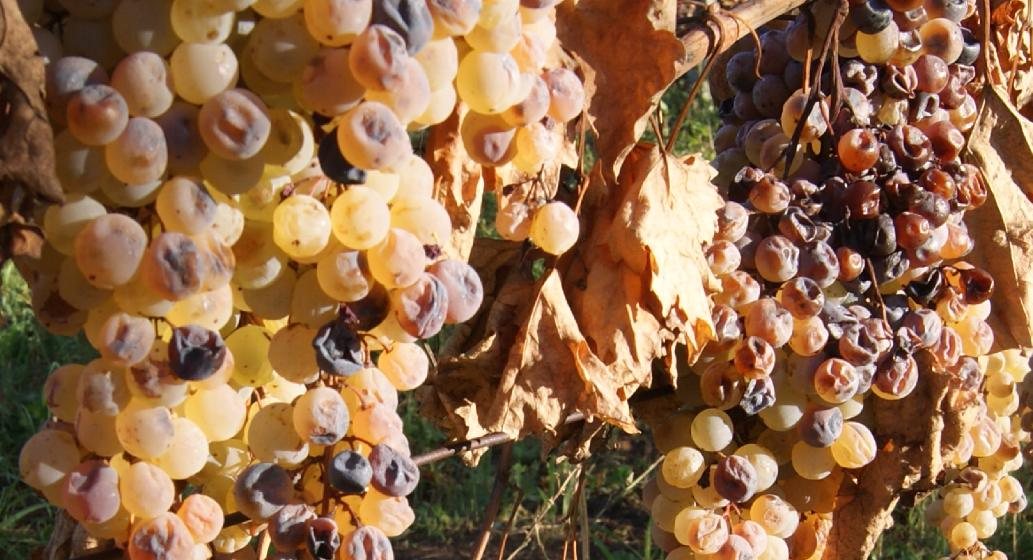
Cesanese del Piglio DOCG: the indigenous red of the hinterland
If the Castelli Romani hold the white segment, Cesanese del Piglio DOCG (together with the sister denominations of Olevano Romano and Affile) represents Lazio's answer for importers seeking a great indigenous Italian red as an alternative to the better-known Tuscan or Piedmontese varieties. Located less than an hour south-east of Rome, among the municipalities of Piglio, Serrone, Paliano, Acuto and Anagni, this hilly zone benefits from the shelter of the Monti Ernici to the north and a marked diurnal temperature range that favours slow phenolic ripening of the grape.
From a commercial point of view, Cesanese has characteristics that match the contemporary taste of mature markets:
- Transparent ruby colour, never excessively concentrated or impenetrable, which sommeliers associate with elegance and digestibility.
- A distinctive aromatic profile built on small red and black fruits, violet, white pepper, woodland spices and a balsamic or slightly ematic note in the more evolved versions.
- Present but fine tannic structure when harvesting is well calibrated, accompanied by a natural acid freshness that makes it extremely versatile at the table.
When you work with a foreign distributor, it is essential to clarify the stylistic difference between the vintage Cesanese del Piglio DOCG, vinified in steel or concrete only to preserve the crunchiness of the fruit, and the Superiore and Riserva types, where ageing in large oak or tonneau rounds off youthful edges and prepares the wine for medium-to-long ageing. To explore the technical and commercial aspects of this denomination in more depth, we refer you to the dedicated article on what a foreign buyer should know about Cesanese del Piglio.
Cerveteri, Terracina and Tuscia: the Tyrrhenian coast and the northern hills
Widening the scope beyond the Alban Hills and Ciociaria, the basin that gravitates around Rome offers three other very interesting directions for completing a coherent regional offer or for building a mixed pallet destined for a specialist importer.
On the coast north-west of the capital, the Cerveteri DOC denomination (which also covers the territory of Ladispoli and part of the neighbouring hills) combines proximity to the Tyrrhenian Sea with the volcanic foothills of the Tolfa and Sabatini Mountains. Here the reds based on Sangiovese and Montepulciano show a juicy, Mediterranean and immediately approachable profile, while the whites based on Trebbiano, Malvasia and Vermentino (often accompanied by coastal IGTs) exploit sea ventilation to offer saline wines, ideal for fish restaurants and for summer consumption in foreign markets.
Moving down the coastline south of the Castelli and the Agro Pontino, the area of Terracina has built a solid reputation thanks to Moscato di Terracina DOC. Unlike other Italian Muscats associated exclusively with sweet and low-alcohol sparkling versions, Moscato di Terracina in the Dry version is a discovery well regarded by foreign buyers: an intensely aromatic wine on the nose (citrus, orange blossom, white peach, Mediterranean scrub) yet completely dry, taut and savoury on the palate. Alongside it, the whole coastal and foothill belt between Cori, Nettuno and the Pontine area is enhancing ancient varieties such as Bellone (also made as a sparkling wine) and Nero Buono, a black-grape variety that gives wines rich in colour and soft in tannins.
Finally, to the north of Rome, the territory of the Viterbo Tuscia (from Tarquinia to Lake Bolsena, up to the Umbrian-Tuscan border) completes the picture with historic denominations such as the Montefiascone DOC, Aleatico di Gradoli and the wines of the Colli Etruschi Viterbesi, where varieties such as Grechetto, Trebbiano Giallo (locally Rossetto) and Violone (Montepulciano) find light volcanic soils and ventilated hill altitudes.
| Wine area | Main reference denominations | Key grape varieties | Pedoclimatic matrix | Style mainly requested for export |
|---|---|---|---|---|
| Castelli Romani and Colli Albani | Frascati DOC, Frascati Superiore DOCG, Cannellino di Frascati DOCG, Marino DOC, Velletri DOC | Malvasia del Lazio, Malvasia di Candia, Bellone, Trebbiano, Bombino | Volcanic soils (pozzolane, tufa, ash) on hills | Dry volcanic whites, structured and mineral; niche historic passito wines |
| Upper Ciociaria and Monti Ernici | Cesanese del Piglio DOCG, Cesanese di Olevano Romano DOC, Cesanese di Affile DOC | Cesanese di Affile, Cesanese Comune | Calcareous and marly hills, red clay soils | Medium-bodied indigenous reds, spicy, fresh and long-lived (including Riserva) |
| Northern coast (Etruscan Coast) | Cerveteri DOC, Tarquinia DOC | Sangiovese, Montepulciano, Trebbiano, Malvasia, Vermentino | Tufaceous-clay and sandy soils with strong Tyrrhenian influence | Fragrant everyday reds and savoury coastal whites ready to drink |
| Southern coast and Monti Lepini | Moscato di Terracina DOC, Cori DOC, Nettuno DOC | Moscato di Terracina, Bellone, Nero Buono, Cacchione | Coastal sandy soils, calcareous foothills and volcanic soils | Dry aromatic whites, saline indigenous whites and soft reds |
| Metropolitan Area | Roma DOC | Malvasia Puntinata, Bellone, Montepulciano, Cesanese, Sangiovese | Mosaic of volcanic, alluvial and coastal soils | Whites and reds with immediate positioning linked to the Capital's brand |
Production and markets: how the sector is positioned
Analysing the sector statistics compiled by ISTAT and the reports on Designation of Origin production published by Federdoc, the Lazio wine sector shows a structure historically weighted towards white-grape production, which accounts for the large majority of bottled volumes. In recent years, however, the share of red wines with denomination and geographical indication (IGT Lazio, Costa Etrusca, Frusinate, Civitella d'Agliano) has grown steadily in value, driven both by the revival of Cesanese and Nero Buono and by the commercial success of Roma DOC Rosso.
On international markets, demand for wines from the zones near Rome splits into two distinct tracks that you must keep in mind when planning your commercial strategy:
- Established volume markets (Germany, United Kingdom, United States, Switzerland, Japan): here importers who already handle large quantities of Italian wine know the Frascati denomination and look for reliable suppliers, with consistent bottling capacity, sustainability or organic certifications (such as the Equalitas standard or EU organic certification) and punctual logistics to serve restaurant chains, specialist retail and quality-oriented organised distribution.
- Markets oriented towards indigenous discovery (independent on-trade in North America, Scandinavian countries through monopoly tenders, Benelux, mature Asian markets): in these channels, the buyer is not looking for the price wine but for the territorial story. Cesanese del Piglio DOCG, single-vineyard Frascati Superiore DOCG, dry Moscato di Terracina or wines made from Bellone and Nero Buono grapes enter portfolios where an authentic representation of Lazio was missing.
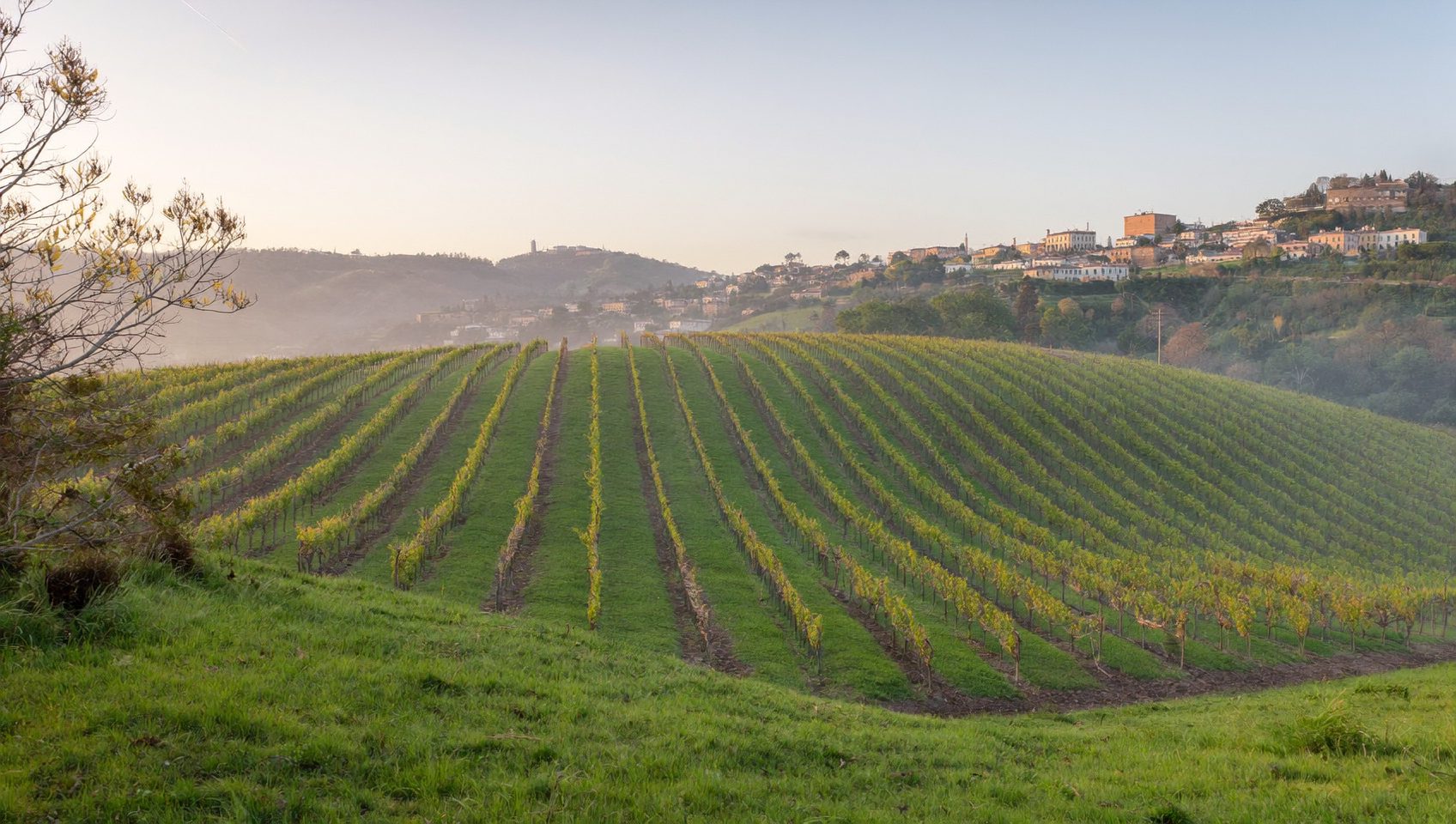
What importers ask of Lazio wineries
When an importer or foreign distributor evaluates taking on a winery located near Rome, they apply very pragmatic selection criteria. Geographic proximity to the capital is an excellent opening narrative hook, but the closing of a distribution contract depends on the technical and commercial solidity of your proposal.
First, buyers ask for clarity in the range hierarchy. If you produce both entry-level wines for by-the-glass service and top selections (such as a Frascati Superiore DOCG Riserva or a Cesanese del Piglio DOCG Superiore), the labels, fantasy names and ex-cellar price lists must reflect this distinction without creating confusion or overlap. A common mistake is presenting too many similar wines in terms of blend and price tier: for export it is preferable to select three or four identity references that cover clearly separated segments (for example a fresh volcanic white, a superior selection for ageing and a territorial red).
Second, on-trade operators pay close attention to winemaking style and alcohol level. For the whites of the Castelli Romani and the coast, selectors look for freshness, aromatic cleanliness, absence of premature oxidative notes and no or imperceptible use of oak. For reds, particularly Cesanese and Roma DOC blends, the request leans towards measured extraction that highlights the fruit and spice of the variety, avoiding overripeness or overly invasive passages in new barriques that would mask varietal typicity.
Finally, after-sales support and B2B wine tourism represent a unique competitive advantage for those operating less than an hour from Rome. Many importers, sommeliers and purchasing managers pass through the capital during business trips or transits to other regions: having a structured winery able to welcome quick professional visits, with staff who speak fluent English and with complete technical sheets including analytical data, soil maps and ready-to-use photographic material, noticeably speeds up decision times compared with less organised competitors.
Frequently asked questions
What is the commercial difference between Frascati DOC and Frascati Superiore DOCG for a foreign buyer?
Frascati DOC is perceived by distributors as an everyday white, fresh and immediate, ideal for by-the-glass service in bistros and informal restaurants thanks to a competitive entry price. Frascati Superiore DOCG (including the Riserva version) requires lower yields per hectare and a higher minimum alcohol content under the specification, positioning it in the range of great Italian gastronomic whites capable of evolving in bottle for several years.
Why do importers often pair Roma DOC with historic denominations such as Castelli Romani or Cesanese?
The Roma DOC designation allows immediate sales to foreign end consumers who do not know the internal geography of the Lazio micro-denominations, exploiting the global appeal of the city's name. Well-structured importers often use Roma DOC to open the doors to customers (restaurants and wine shops) and then immediately place the historic terroir denominations, such as Frascati Superiore DOCG or Cesanese del Piglio DOCG, on the list for more experienced clients.
Which indigenous varieties near Rome are most sought after by international Ho.Re.Ca. operators?
Among white-grape varieties, Malvasia del Lazio (Puntinata), Bellone and dry-vinified Moscato di Terracina show the greatest interest for their savouriness and their link to volcanic and marine soils. Among black-grape varieties, Cesanese (particularly the Affile biotype) leads sommeliers' requests for elegant, spicy reds, joined by Nero Buono di Cori for those seeking softer, more enveloping profiles.
Is it possible to consolidate mixed shipments between wineries of the Castelli Romani and Ciociaria for export?
Yes, and it is a practice much appreciated by medium-sized importers who do not want to tie up capital in a full container or truck of a single type. The logistical proximity to the main motorways around Rome makes it easy to gather, at a single bonded warehouse or forwarder, both the whites from the volcanic area and the reds from the Frosinone area, optimising transport costs per case.
Sources
- Ministry of Agriculture, Food Sovereignty and Forestry (MASAF) — Specifications and wine legislation
- Federdoc — National Confederation of Voluntary Consortia for the protection of Italian wine denominations
- Lazio Region — Official portal for agriculture and rural development
- ISTAT — Italian National Institute of Statistics, economic indicators, business census and foreign trade data
- Low-Alcohol Sparkling Wine: How to Make It and Legal Limits
- Barolo vs Barbaresco vs Langhe Nebbiolo: importer guide
- Lugana Wine for Restaurants: Styles, Prices and Germany
- Lagrein: Grape, Alto Adige DOC, Kretzer, Riserva and UGA
- Malolactic bacteria: strains, co-inoculation and white wines
- Kosher Wine Export: Certification, Costs and Buyers