Selected lactic bacteria (Oenococcus oeni): strains, co-inoculation or sequential inoculation, conditions (pH, SO2, alcohol, temperature), when to use them on white wines, common mistakes
Wines Export Editorial · Last updated:

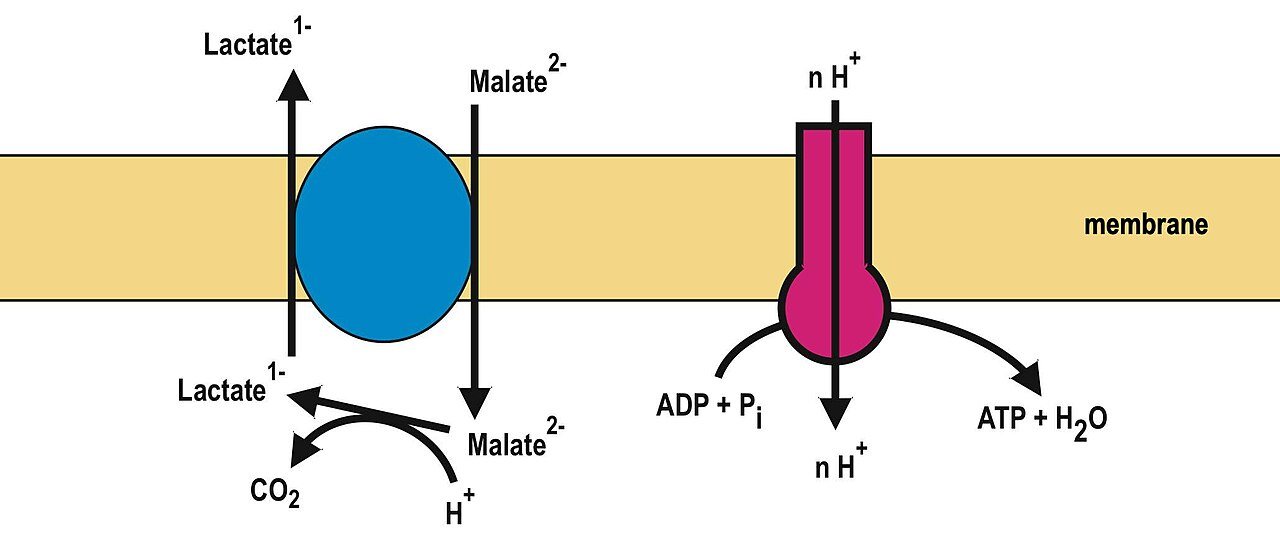
Selected malolactic bacteria allow wineries to control the biological deacidification of wine, converting malic acid into lactic acid and carbon dioxide on a predictable timeline and without unwanted compounds. Choosing the right strain of Oenococcus oeni or Lactiplantibacillus plantarum, deciding between co-inoculation and sequential inoculation, and checking the compatibility of pH, sulphur dioxide, alcohol and temperature helps avoid stuck fermentations, lactic off-notes and the build-up of biogenic amines. For wines destined for export markets, where importers and retail chains require microbiologically stable lots and aroma profiles free of oxidative faults or lactic deviations, controlled management of this stage separates a wine ready for bottling from a lot at risk of rejection.
What selected bacteria are and why winemakers use them
The malolactic fermentation and its biochemical mechanism is not a fermentation in the strict sense, but an enzymatic decarboxylation carried out by lactic acid bacteria (LAB). Under the OIV International Code of Oenological Practices and European Union regulations, the use of lactic acid bacteria is among the authorised practices for the microbiological deacidification of musts and wines. Relying on the indigenous flora present on the grape skins or on cellar surfaces exposes the wine to wild strains of the genera Pediococcus and Lactobacillus, which are often responsible for histamine, tyramine and putrescine production, mousy off-odours and a rise in volatile acidity.
The use of selected starter cultures (freeze-dried cultures for direct inoculation, known as MBR, or cultures that require a short acclimatisation phase) ensures the immediate dominance of a genetically characterised strain. The two main species available to winemakers have distinctly different metabolic behaviours:
- Oenococcus oeni: the species of choice for traditional winemaking. It has an obligately heterofermentative metabolism, tolerates low pH and high alcohol levels, and works both in co-inoculation and at the end of alcoholic fermentation. If it comes into contact with residual hexose sugars under unsuitable conditions, however, it can synthesise acetic acid.
- Lactiplantibacillus plantarum (formerly classified as Lactobacillus plantarum): it has a homofermentative metabolism for hexose sugars. This means it converts glucose exclusively into lactic acid without raising volatile acidity, making it suitable for early co-inoculation in musts with high pH. On the other hand, it shows lower alcohol tolerance and must therefore be inoculated at the start of alcoholic fermentation, before the alcohol content inhibits its activity.
To verify the compliance of processing aids and microorganisms permitted in different destination markets, you can consult the framework of authorised oenological practices under European legislation, which incorporates the OIV technical sheets on additives and processing aids.
Co-inoculation or sequential inoculation: practical pros and cons
The timing of lactic bacteria introduction changes cellar management, the overall length of the winemaking process and the sensory profile of the finished wine. In cellar practice there are two routes: sequential inoculation (after racking or at the end of alcoholic fermentation) and co-inoculation (adding the bacteria shortly after yeasts have started alcoholic fermentation).
Sequential inoculation is the traditional approach: Saccharomyces cerevisiae is allowed to exhaust the sugars, the wine is racked to remove coarse lees, and the bacteria are then inoculated. The main advantage is the absence of fermentable sugars, which eliminates the risk of lactic off-notes from heterofermentative metabolism. The drawback lies in the hostile environment in which the bacteria must operate: alcohol is at its maximum, nutrients have been consumed by the yeast, and cellar temperatures in late autumn often require heating the tanks.
Co-inoculation, by contrast, involves adding selected bacteria to a fermenting must, once the yeasts have passed the lag phase and multiplied, and once the sulphur dioxide added at crushing has combined with carbonyl compounds. At this stage the bacteria find plenty of amino acids and vitamins, no ethyl alcohol, and a temperature already close to optimal thanks to the heat generated by alcoholic fermentation.
| Operational parameter | Co-inoculation (fermenting must) | Sequential inoculation (dry wine) |
|---|---|---|
| Development environment | Favourable: no initial alcohol, nutrients available | Hostile: high alcohol, shortage of nutrients and amino acids |
| Energy requirement | Low: uses the heat of alcoholic fermentation | High: often requires heating the tanks |
| Stabilisation time | Rapid: wine is ready for SO2 addition at the end of alcoholic fermentation | Prolonged: weeks of waiting in tanks not protected by SO2 |
| Aroma profile | Clean primary fruit, lower diacetyl production | More pronounced buttery, lactic and spicy notes |
| Main risk | Yeast-bacteria cross-inhibition or sugar consumption if AF slows down | Bacterial stall and Brettanomyces development during the lag phase |
In co-inoculation it is essential to pair the bacteria with a yeast strain that produces low amounts of sulphur dioxide and medium-chain fatty acids, and to ensure balanced nitrogen nutrition so that alcoholic fermentation does not slow down while the bacteria are active.
Limiting conditions: pH, SO2, alcohol and temperature
Lactic acid bacteria are nutritionally demanding microorganisms and sensitive to physicochemical stress. The four factors that determine survival and the kinetics of malic acid conversion interact synergistically: when one parameter approaches its critical threshold, the bacterium's tolerance to the other three drops sharply.
- The pH of the must or wine: this is the primary selector. Low pH slows the activity of the malolactic enzyme and hinders the maintenance of the proton gradient across the bacterial cell membrane. Moreover, at low pH the fraction of molecular sulphur dioxide increases for the same amount of free SO2. When the pH is very acidic (as in base wines for sparkling production or in mountain wines), it is necessary to select Oenococcus oeni strains specifically tested for extreme acidity and to use pre-acclimatisation protocols.
- Sulphur dioxide (SO2): lactic bacteria are sensitive both to free SO2 (particularly the molecular fraction) and to total SO2. Sulphur dioxide bound to acetaldehyde can in fact be released into the medium when the bacteria degrade the acetaldehyde itself, causing self-poisoning of the culture. For this reason, in winemaking that includes malolactic fermentation, the dose of metabisulphite added to the grapes should be kept low and yeast strains that produce high levels of sulphite should be avoided.
- Alcohol content: ethanol alters the fluidity of the bacterial phospholipid membrane, inhibiting the active transport systems that move malic acid into the cell. In structured wines obtained from overripe grapes, as explained in the guide on managing malolactic fermentation in red wines, strain selection should favour selections with membranes rich in cyclopropane fatty acids, or co-inoculation should be chosen instead.
- Temperature: low temperatures stiffen the cell membrane and block enzymatic activity; conversely, excessive temperatures combined with a high alcohol content accelerate cell death. Keeping the cellar temperature constant throughout the entire conversion prevents the bacterial population from entering decline before malic acid has been exhausted.
Beyond these four parameters, in red wines rich in polyphenols and in macerated whites it is also necessary to consider the level of fumaric acid, the initial malic acid content and the presence of medium-chain fatty acids (hexanoic, octanoic, decanoic) released by stressed yeasts. Using yeast hulls or inactivated yeast derivatives before sequential inoculation helps adsorb these inhibitory compounds and at the same time provides amino acids and growth factors.
On white wines: when to do it and when to avoid it
If in red wines malolactic conversion is an almost systematic step to achieve softness and microbiological stability before bottling, in white wines it is a precise stylistic and commercial choice. The decision depends on the grape variety, the season's climate and the wine's positioning in the destination markets.
Malolactic fermentation on whites is recommended in three well-defined scenarios:
- White wines intended for ageing in wood or on the lees: varieties such as Chardonnay, Pinot Bianco or some selections of structured indigenous grapes benefit from the reduction of fixed acidity and the contribution of aromatic complexity. The metabolism of citric acid by Oenococcus oeni leads to the synthesis of diacetyl (2,3-butanedione), the molecule responsible for notes of melted butter, hazelnut and bread crust. If managed in barrique or tonneau in contact with fine lees (which have reducing power and convert part of the diacetyl into acetoin and butanediol, which smell less), the buttery impact remains elegant and integrated.
- Cool vintages or harvests in northern and mountain areas: when the malic acid content of the grapes makes the wine sharp, green and unbalanced on the palate, biological deacidification replaces an aggressive dicarboxylic acid (malic) with a softer monocarboxylic acid (lactic), restoring gustatory balance without resorting to chemical deacidification with potassium carbonate or bicarbonate.
- Reserve base wines for traditional-method sparkling wine: in several wineries producing traditional-method sparkling wine after long lees ageing, carrying out malolactic conversion (fully or on a fraction of the base wines) reduces the initial malic sharpness and prevents unwanted malolactic refermentation in bottle during the tirage or during storage on the pupitre.
Conversely, malolactic fermentation should be avoided (blocked through sterilising filtration, use of lysozyme or chitosan, cold management and adequate sulphiting) in aromatic and semi-aromatic whites (Sauvignon Blanc, Gewürztraminer, Moscato, Riesling) and in early-release whites built on immediate freshness and varietal thiols (such as many Pinot Grigio, Vermentino or Verdicchio from the entry range). In these wines, the loss of acidity and the rise in pH deaden gustatory tension, shift the colour towards deeper tones, reduce the protective effectiveness of SO2, and mask fruity esters and terpenes with lactic notes that do not match what the foreign buyer expects from the variety.
An intermediate solution much appreciated by winemakers who work for export is partial malolactic conversion by blending: complete malolactic conversion is carried out only on a percentage of the batch (for example the fraction fermented in wood or a single steel tank), while the rest of the lot is stabilised at the end of alcoholic fermentation with its malic acid intact. At pre-bottling assembly, combining the two portions (followed by sterilising filtration to prevent residual bacteria from resuming activity on the remaining malic acid) allows precise calibration of both the acid framework and the body on the palate.
Monitoring the process: malic acid and volatile acidity
A common mistake in the cellar is judging the start and end of malolactic fermentation based on visual observation of carbon dioxide bubbles or on tasting alone. Tasting detects the softening of the wine, but it cannot distinguish between residual malic acid that is still unstable and complete exhaustion of the substrate.
To declare malolactic fermentation complete and proceed with sulphur stabilisation, the analytical trend must be followed in the laboratory (using enzymatic methods or FTIR spectrophotometry):
- Degradation of L-malic acid: samples should be taken at regular intervals after inoculation to verify that the decline curve is continuous. A wine is considered microbiologically stable with respect to lactic bacteria only when L-malic acid has been completely consumed. Leaving malic acid residues in a wine that is not sterile-filtered means exposing the bottle to a bacterial restart on the distributor's shelf, with the appearance of haze, sediment and dissolved carbon dioxide.
- Consumption of citric acid and the trend of volatile acidity: Oenococcus oeni metabolises citric acid almost simultaneously with, or immediately after, the final stage of malic acid degradation, producing diacetyl and a physiological fraction of acetic acid. Monitoring volatile acidity and citric acid in the final phase allows you to choose the exact moment for SO2 addition: if you are aiming for a clean, fruity profile, you can intervene with sulphur dioxide as soon as the malic acid is exhausted, before the bacteria fully degrade citric acid; if you prefer more intense buttery notes, you will let citric degradation complete as well.
Proper microbiological management of the cellar requires that, once the desired end point is reached, you act promptly with racking, removal of bacterial lees (or inactivation through sulphiting and lowering the temperature) and rigorous topping up of the wine vessels.

Common mistakes to avoid with oenological bacteria
Even when using high-vitality selected strains, some operational oversights can compromise the outcome of the inoculation and the aromatic cleanliness of the wine:
- Thermal shock during rehydration and inoculation: dissolving freeze-dried bacteria in water at the wrong temperature, or inoculating the bacterial suspension into a tank whose temperature differs sharply from that of the rehydration bath, kills a substantial fraction of the cells before they even begin to work. Always follow the strain producer's specific instructions for rehydration times and gradual acclimatisation steps.
- Using chlorinated water to prepare the starter: free chlorine in mains water has a direct bactericidal effect on Oenococcus oeni. If the cellar water is treated with hypochlorite, rehydration must be done with demineralised or spring water free of chlorine, supplemented with the appropriate mineral and vitamin activators.
- Nutritional deficiency in wines for sequential inoculation: inoculating bacteria into a wine that has undergone a sluggish alcoholic fermentation, carried out by nitrogen-demanding yeasts, without adding specific nutrients for lactic bacteria (peptides, amino acids, B-group vitamins) leads to endless lag phases. During that time gap, the wine without SO2 is exposed to oxidation and to the multiplication of spoilage yeasts such as Brettanomyces bruxellensis.
- Late sulphiting after malolactic fermentation: once the selected bacteria have finished degrading malic and citric acid, if the wine is left warm and unprotected by sulphur dioxide, residual indigenous strains capable of metabolising pentose sugars (arabinose, xylose) or tartaric acid can take over, raising volatile acidity and producing heavy lactic aromas.
Frequently asked questions
What is the difference between Oenococcus oeni and Lactiplantibacillus plantarum strains?
Oenococcus oeni is a heterofermentative bacterium resistant to low pH and high alcohol, usable both in co-inoculation and at the end of alcoholic fermentation. Lactiplantibacillus plantarum is instead homofermentative for hexose sugars (it does not produce acetic acid from glucose), works rapidly in high-pH musts in early co-inoculation, but tolerates alcohol less well.
When is co-inoculation preferable to sequential inoculation?
Co-inoculation is advisable when you are vinifying very ripe grapes that will yield high alcohol levels, when you want to save on cellar heating costs in autumn, and when you are aiming for a wine with a clean primary fruit profile, reducing the time the wine remains without sulphur protection at the end of fermentation.
How can diacetyl (buttery note) production in white wines be controlled?
To reduce diacetyl, use selected strains with low aromatic production, work in co-inoculation, and keep the wine in contact with yeast lees, which convert diacetyl into odourless compounds. To enhance the buttery note instead, choose sequential inoculation, remove coarse lees and wait for citric acid degradation before adding sulphur dioxide.
What should be done if malolactic fermentation stalls halfway?
Immediately check pH, total SO2, temperature and alcohol content of the lot in the laboratory. To restart the process, bring the tank back to optimal temperature, detoxify the wine with yeast hulls or chitosan to remove inhibitory fatty acids and dead bacteria, and then re-inoculate using a high-resistance strain that has been put through an acclimatisation protocol.
Sources
- OIV – International Code of Oenological Practices (De-acidification by lactic acid bacteria)
- EUR-Lex – Commission Delegated Regulation (EU) 2019/934 on authorised oenological practices
- CREA – Council for Agricultural Research and Economics (Viticulture and Enology Research Centre)
- Fondazione Edmund Mach – Istituto Agrario di San Michele all'Adige, Research and Innovation in Enology
- Montepulciano Wine: Vino Nobile or Montepulciano d'Abruzzo?
- Lugana Wine for Restaurants: Styles, Prices and Germany
- Moscato d'Asti vs Asti DOCG: Alcohol and Pressure
- Low-Alcohol Sparkling Wine: How to Make It and Legal Limits
- Moscato Grape Varieties and Italian DOCs for Importers
- Wines Near Rome: Frascati, Cesanese and Castelli Romani